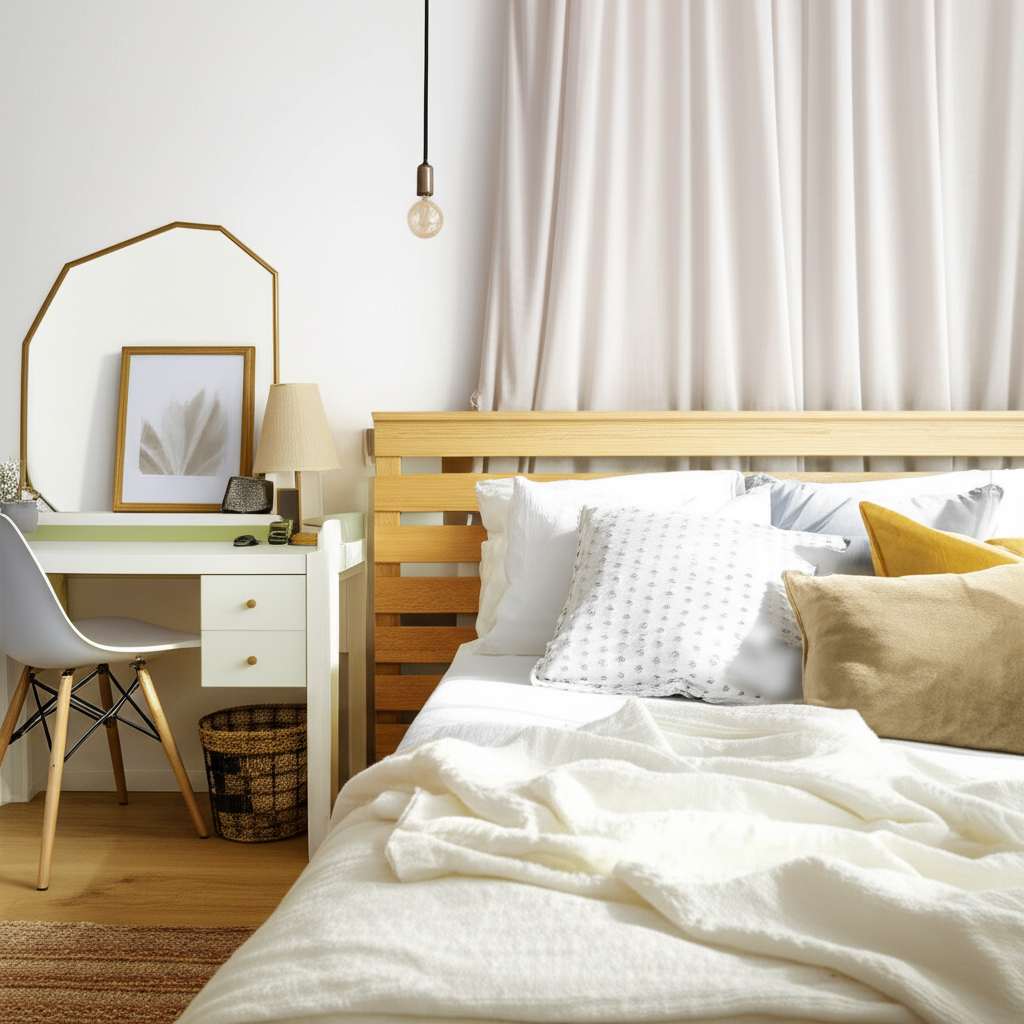
7 small bedroom interior design ideas focus on maximizing space with smart furniture, light colors, and vertical storage to create a stylish, functional, and airy retreat. These tips are perfect for beginners seeking effortless transformations on any budget.
Feeling a little cramped in your bedroom? You’re not alone! Many of us dream of spacious sanctuaries, but reality often means working with a smaller footprint. It can feel frustrating when you want your room to feel cozy and stylish, but every piece of furniture seems to take up too much space.
Don’t worry, though! Designing a small bedroom doesn’t have to be a challenge. With a few clever tricks and a touch of creativity, you can transform even the tiniest room into a chic and functional oasis.
Get ready to discover how to make your small bedroom feel bigger and more beautiful. We’ll walk through simple, effective design ideas that are easy to implement, even if you’re new to decorating.
1. Smart Furniture: The Foundation of Small Space Living
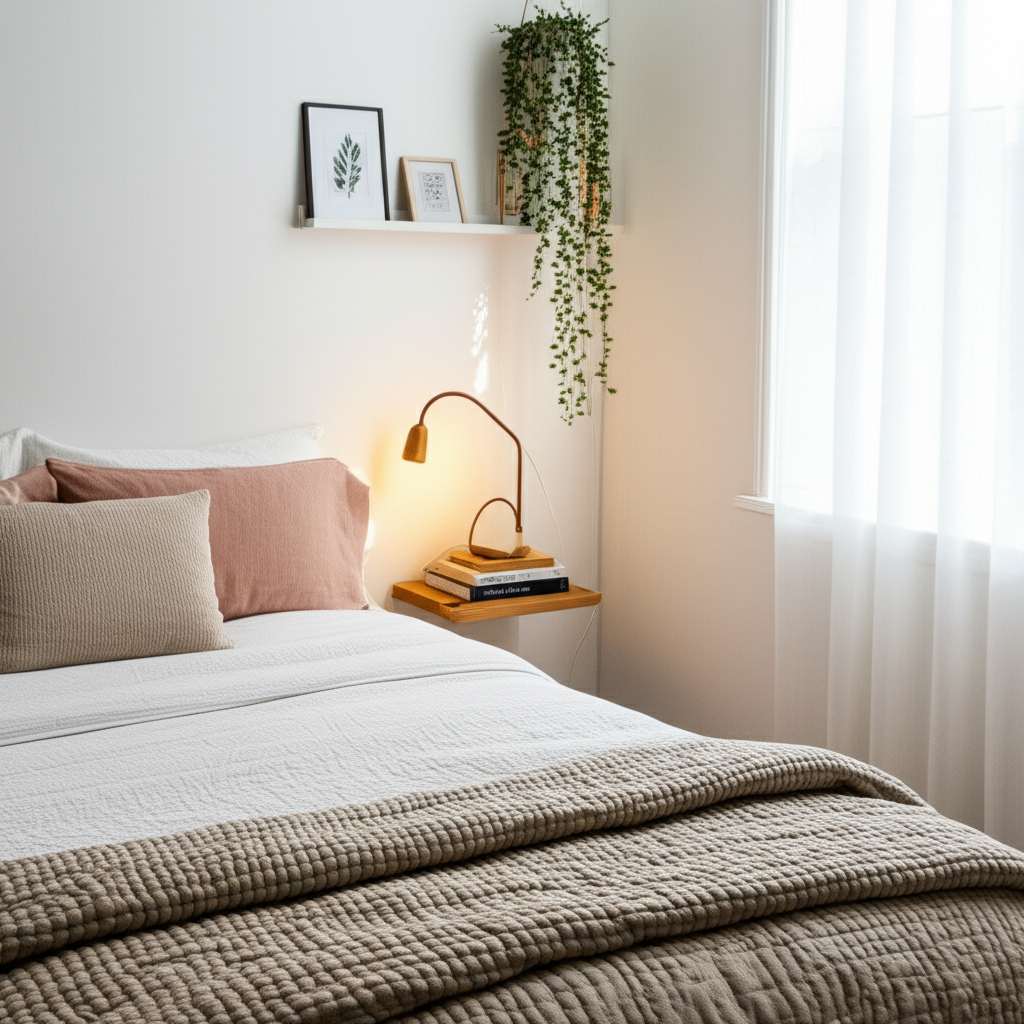
When designing a small bedroom, furniture is your biggest tool – and sometimes, your biggest hurdle. Choosing the right pieces can make all the difference between a cluttered box and a serene retreat. Think multi-functional and scaled-down.
Opt for furniture that serves more than one purpose. A bed with built-in drawers can eliminate the need for a separate dresser. Consider a storage ottoman that can double as a bedside table or extra seating. Wall-mounted shelves are fantastic for books and decor without taking up floor space.
When selecting a bed, a low-profile frame can make the ceiling appear higher. Alternatively, a canopy bed with a light, airy fabric can draw the eye upward, creating a sense of vertical space. Always measure your room and your potential furniture before buying to ensure a comfortable fit and flow. For more inspiration on compact living solutions, check out our guide to cozy small kitchen ideas that prove smart design works in every room.
Multi-Functional Furniture Spotlight
Here are some star players for small bedrooms:
- Storage Beds: With drawers or lift-up mechanisms, these are lifesavers for stashing linens, seasonal clothes, or extra bedding.
- Floating Nightstands: These wall-mounted wonders save floor space and create a minimalist look. They can be as simple as a small shelf.
- Ottomans with Storage: Perfect at the foot of the bed or as a side accent, they hide blankets, magazines, or even shoes.
- Wall-Mounted Desks: If you need a workspace, a fold-down desk is a game-changer, disappearing when not in use.
2. Embrace Light Colors and Strategic Lighting
Color and light are your best friends when it comes to making a small room feel larger and more inviting. Dark, heavy colors can make walls feel like they’re closing in, while bright, airy hues reflect light and create an illusion of more space.
Think soft whites, pale grays, muted blues, or gentle greens. These colors create a calm and open atmosphere. If you love color, use it as an accent in your decor – think throw pillows, artwork, or a vibrant rug. Painting the ceiling a shade lighter than the walls can also make it seem higher.
Lighting is just as crucial. Maximize natural light by using sheer curtains that allow sunlight to stream in. Supplement with layered artificial lighting: overhead fixtures for general illumination, task lighting like a bedside lamp, and accent lighting to highlight artwork or architectural features. Consider wall sconces to save precious surface space.
Color Palette Suggestions
Here are some color ideas to inspire you:
- Crisp White: Classic, clean, and endlessly versatile.
- Soft Beige or Cream: Adds warmth without sacrificing brightness.
- Pale Blue or Aqua: Evokes a sense of calm and spaciousness.
- Light Gray: A sophisticated neutral that pairs well with almost anything.
- Mint Green: Fresh, serene, and subtly cheerful.
3. Vertical Storage: Reach for the Sky
In a small bedroom, every inch counts, especially the space above your head. Utilizing vertical space is a game-changer for storage and display without cluttering your floor. Think upward!
Install floating shelves above your bed, desk, or dresser. These are perfect for books, decorative items, or even storing essentials. Tall, slender bookshelves or cabinets can hold a surprising amount of items while maintaining a small footprint. Consider a wall-mounted headboard with built-in shelving for a dual-purpose solution.
Don’t forget about the inside of your closet! Maximize this space with extra shelves, hanging organizers, and drawer units. Even the space above your closet door can be used for a small shelf for less frequently accessed items. For more on maximizing closet space, check out these tips from the U.S. Environmental Protection Agency on reducing energy use, which often involves smarter home organization.
Vertical Storage Solutions
- Floating Shelves: Minimalist and versatile for books, decor, or plants.
- Tall, Narrow Bookcases: Offer significant storage without a wide footprint.
- Wall-Mounted Cabinets: Great for hiding clutter or storing toiletries.
- Over-the-Door Organizers: Perfect for shoes, accessories, or cleaning supplies.
- Pegboards: Customizable for hanging tools, jewelry, or small items.
4. The Magic of Mirrors: Expand Your Space Visually
Mirrors are one of the oldest and most effective tricks in the book for making small spaces feel larger. They reflect light, bounce visual elements around the room, and create an illusion of depth.
A large statement mirror can be a focal point while doubling the perceived size of your room. Place a mirror opposite a window to maximize the reflection of natural light. This not only brightens the space but also brings the outdoors in.
Consider mirrored closet doors for a seamless look that hides storage and expands the room simultaneously. You can also use smaller mirrors grouped together as a decorative element. The key is to strategically place them to bounce light and views, making your bedroom feel more open and airy.
Mirror Placement Tips
- Opposite a Window: Reflects natural light and the view.
- Behind a Light Source: Amplifies ambient light.
- On a Large Wall: Creates a sense of depth and expansiveness.
- As a Focal Point: A decorative mirror can be a stylish addition.
5. Declutter and Organize: The Essential First Step
Before you even think about new furniture or paint colors, the most impactful step for a small bedroom is decluttering. A cluttered room, no matter how well-designed, will always feel smaller and more chaotic.
Take everything out of your drawers, closets, and off surfaces. Sort items into categories: keep, donate, sell, and discard. Be ruthless! If you haven’t used something in a year, it’s likely time to let it go. Less stuff means more space for the things you truly love and use.
Once you’ve decluttered, implement smart organization systems. Use drawer dividers, shelf organizers, and storage bins to keep everything tidy and accessible. A clean, organized space naturally feels larger and more peaceful. You can find excellent organizational tools at stores like IKEA or on Amazon. For durable and eco-friendly storage solutions, explore options from brands committed to sustainability, such as those featured in our eco-friendly kitchen decor guide.
Decluttering Process
- Empty Everything: Start with one area at a time (e.g., closet, dresser).
- Sort Ruthlessly: Create piles for keeping, donating, selling, and trash.
- Clean the Space: Wipe down shelves and drawers before putting items back.
- Organize Smartly: Use dividers, bins, and containers to keep things neat.
- Maintain Regularly: Dedicate a few minutes each week to put things back in their place.
6. Textiles and Patterns: Adding Personality Without Overwhelm
Textiles are a fantastic way to add warmth, personality, and style to your small bedroom without taking up precious square footage. Think about how curtains, rugs, bedding, and throw pillows can enhance your space.
Choose lightweight fabrics for curtains, such as linen or sheer cotton, to allow natural light to filter through. Opt for lighter colors or subtle patterns that don’t make the room feel too busy. If you love bold patterns, use them sparingly, perhaps on throw pillows or a single accent wall covered in removable wallpaper.
A well-chosen rug can define a space and add comfort. In a small room, a lighter-colored rug or one with a simple geometric pattern can make the floor area appear larger. When selecting bedding, stick to lighter, solid colors or delicate patterns. You can always add personality with a few accent pillows or a cozy throw blanket.
Textile Tips for Small Rooms
- Curtains: Opt for light, airy fabrics in pale colors or subtle patterns. Hang them high and wide to make windows appear larger.
- Rugs: Lighter colors and simple patterns can make the floor space feel more expansive.
- Bedding: Stick to calming, lighter hues and subtle designs.
- Throw Pillows & Blankets: Use these to introduce pops of color or texture without overwhelming the space.
7. Create Zones: Define Different Areas
Even in a small bedroom, you can create distinct zones for sleeping, dressing, and relaxing. This helps make the space feel more organized and functional.
Use furniture placement to define areas. For example, a small rug can visually separate the sleeping area from a reading nook. If you have a desk, position it in a corner or near a window to create a dedicated workspace. A tall bookshelf can act as a subtle room divider if needed.
Think about the flow of movement. Ensure there’s enough space to walk around your bed and access your closet easily. Even in a compact room, well-defined zones make it feel more thoughtfully designed and less like a jumble of furniture. For more on creating functional zones in tight spaces, see our article on minimal decor ideas for kitchens that emphasize clarity and purpose.
Zoning Strategies
- Sleeping Zone: The bed is the natural centerpiece. Keep surrounding areas tidy.
- Dressing Zone: Utilize closet space efficiently or designate a corner for a small dresser or vanity.
- Relaxation/Reading Zone: A comfortable chair and a small side table or floor lamp can create a cozy nook.
- Workspace: If needed, a compact desk in a corner or near natural light.
Frequently Asked Questions About Small Bedroom Design
How can I make my small bedroom look bigger?
You can make a small bedroom look bigger by using light colors on walls and ceilings, maximizing natural light, incorporating mirrors to reflect light and space, choosing multi-functional furniture, and keeping clutter to a minimum. Vertical storage solutions also help by drawing the eye upwards.
What is the best color for a small bedroom?
Light and neutral colors are generally best for small bedrooms as they reflect light and make the space feel more open and airy. Think soft whites, pale grays, muted blues, creams, and pastels. These colors create a serene and spacious atmosphere.
Should I use a lot of furniture in a small bedroom?
No, it’s best to limit the amount of furniture in a small bedroom. Focus on essential, multi-functional pieces that serve a purpose without taking up too much visual or physical space. Prioritize quality over quantity and choose scaled-down options.
How can I add storage without making my small bedroom feel cluttered?
Utilize vertical space with shelves and wall-mounted units. Opt for furniture with built-in storage, such as beds with drawers or ottomans with hidden compartments. Keep surfaces clear and use drawer dividers and organizers to maintain order within your storage solutions. Regularly decluttering is key.
Are dark colors ever a good choice for small bedrooms?
While light colors are generally recommended, dark colors can be used strategically in small bedrooms. A dark accent wall behind the bed can add depth and drama, especially if the rest of the room is kept light and airy. However, avoid using dark colors on all walls, as this can make the space feel smaller and more enclosed.
What kind of bed is best for a small bedroom?
A bed with a low profile or a frame with built-in storage (like drawers or a lift-up mechanism) is ideal for a small bedroom. Consider a platform bed, which often has a sleeker design and can feel less bulky than a traditional bed with a large headboard and footboard. Wall-mounted headboards can also save space.
How can I make my small bedroom feel cozy and not just empty?
To add coziness, layer soft textiles like plush rugs, comfortable bedding, and decorative throw pillows. Use warm, ambient lighting from lamps and string lights. Incorporate personal touches like artwork, plants, and photos. Even in a small space, these elements create a sense of warmth and personality.
Conclusion: Your Stylish Small Bedroom Awaits
Designing a small bedroom doesn’t have to be a daunting task. By focusing on smart furniture choices, leveraging light and color, utilizing vertical space, and embracing the power of mirrors, you can create a room that feels both spacious and stylish. Remember, the key is to be intentional with every element you bring into your space.
Decluttering is your secret weapon, and smart organization will keep your sanctuary serene. Don’t be afraid to experiment with textiles and patterns to inject your personality, and remember that even in a tiny area, creating defined zones can significantly improve functionality and flow. These simple yet effective strategies will help you transform your small bedroom into a comfortable, chic, and effortlessly stylish retreat you’ll love spending time in.
So, take these ideas, get creative, and enjoy the process of making your small bedroom your favorite place in your home. Happy decorating!