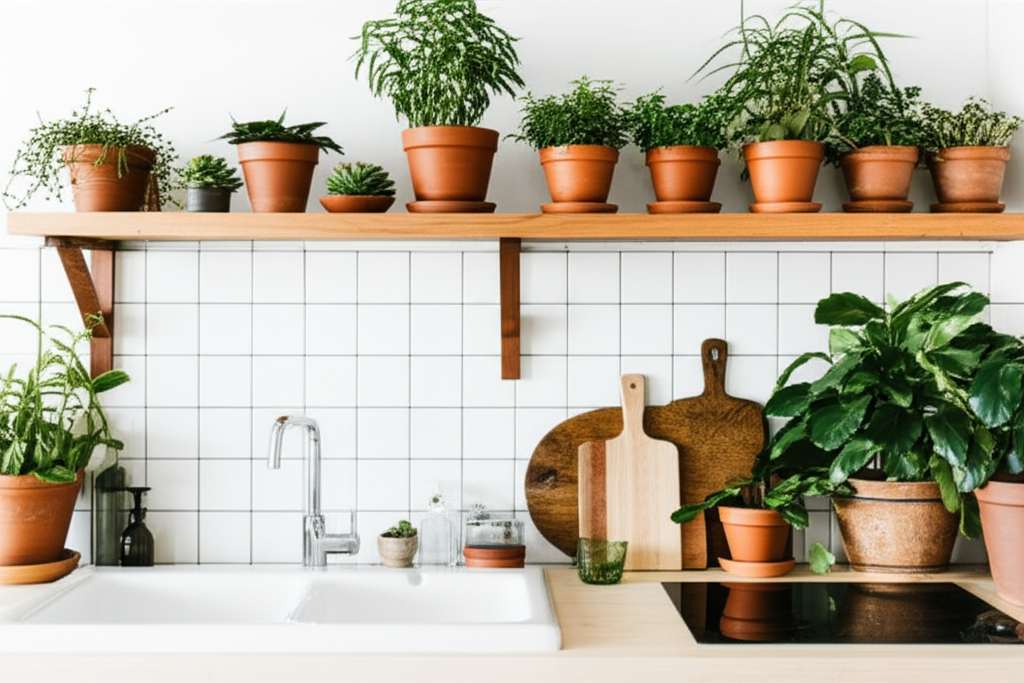
Bring life and style to your kitchen with these 8 gorgeous greenery ideas. Even beginners can easily add vibrant plants to any kitchen space for a fresh, beautiful look.
Is your kitchen feeling a little… dull? You’re not alone! Many kitchens lack that certain spark, that touch of life that makes a space feel truly inviting. Adding greenery is a fantastic way to transform a sterile kitchen into a warm, welcoming hub for your home.
But where do you start? If you’re new to plant care or feeling overwhelmed by design choices, don’t worry! We’ve got you covered with simple, stylish ideas that will make your kitchen bloom.
Get ready to discover how easy and rewarding it is to incorporate beautiful plants into your kitchen. We’ll explore practical tips and creative ideas to brighten up your culinary space.
Why Add Plants to Your Kitchen?
Kitchens are often the heart of the home, where meals are made, stories are shared, and life happens. Adding plants to this bustling space isn’t just about looks; it brings a host of benefits that can enhance your cooking experience and your overall well-being.
Plants can improve air quality by filtering out common toxins. According to the U.S. National Aeronautics and Space Administration (NASA), certain houseplants are remarkably effective at removing volatile organic compounds (VOCs) from indoor air, which can be especially relevant in areas where cooking fumes are present.
Beyond air purification, the presence of greenery has been shown to reduce stress and boost moods. The vibrant colors and natural textures of plants can create a calming atmosphere, making your kitchen a more enjoyable place to spend time, whether you’re whipping up a gourmet meal or just grabbing a quick snack.
8 Gorgeous Kitchen Plant Decor Ideas
Ready to get inspired? Here are eight fantastic ways to bring gorgeous greenery into your kitchen, catering to different spaces and light conditions.
1. The Herb Garden Trio on the Countertop
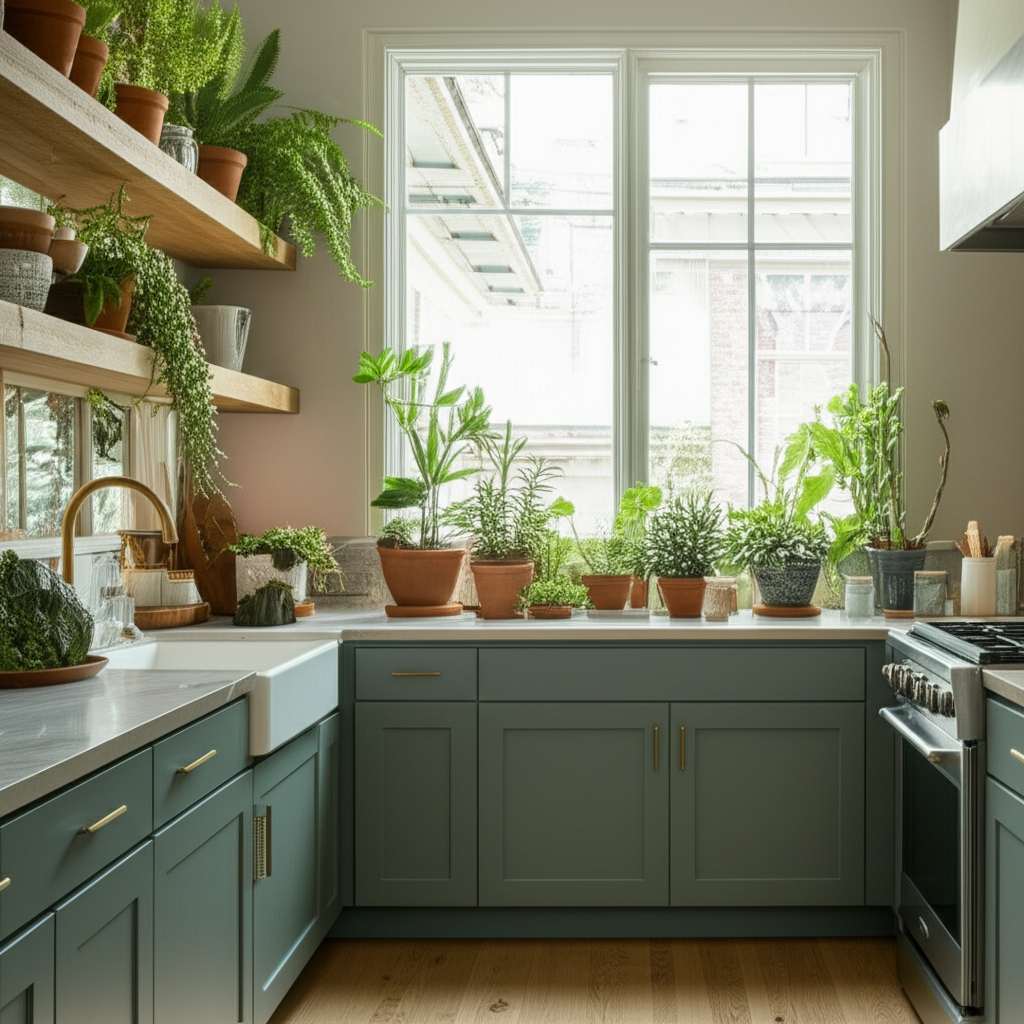
This is a classic for a reason! A small collection of fresh herbs right on your windowsill or a clear spot on your counter adds both beauty and function. Think basil, mint, and rosemary – they look lovely together and are instantly accessible for cooking.
Why it works: It’s practical, smells amazing, and requires minimal space. Plus, the vibrant green leaves are a feast for the eyes.
Best for: Sunny windowsills, small to medium kitchens, beginner cooks and plant parents.
2. Hanging Pothos for Vertical Charm
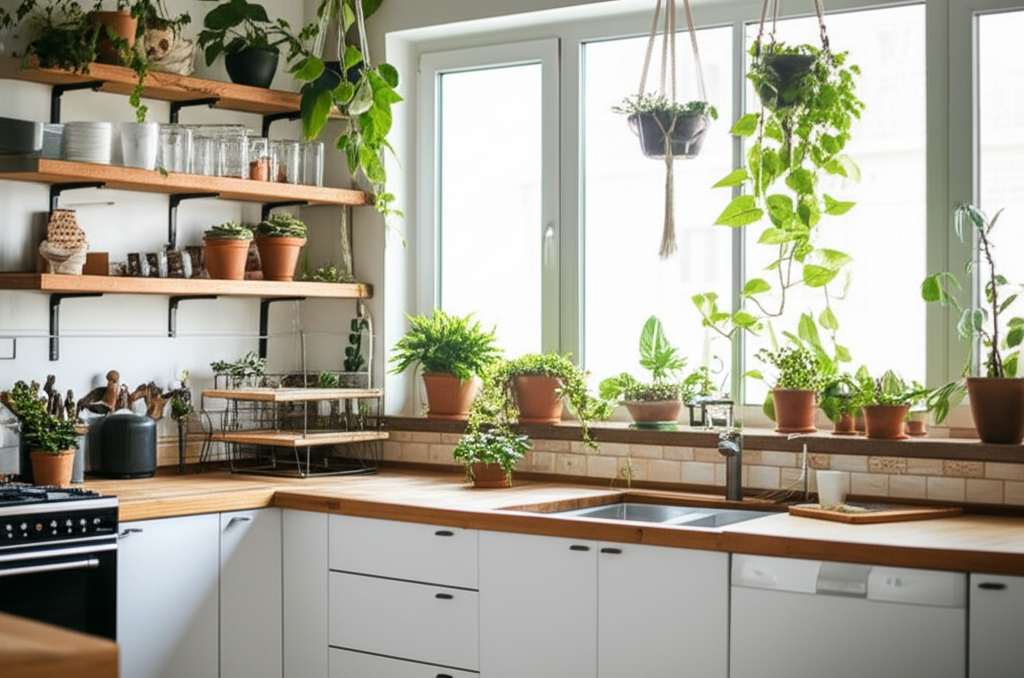
Pothos plants, also known as Devil’s Ivy, are incredibly forgiving and grow with beautiful trailing vines. Hang them in a macrame planter from a high shelf or a ceiling hook near a window. The vines will cascade down, adding a lush, bohemian feel.
Why it works: It utilizes vertical space, drawing the eye upwards and making a small kitchen feel larger. They tolerate a range of light conditions.
Best for: Smaller kitchens, renters who can’t drill, spaces with moderate to bright indirect light.
3. A Compact Citrus Tree for a Sunny Spot
Imagine a miniature lemon or lime tree on your kitchen floor or a large, sunny countertop! These dwarf varieties are bred for indoor growing and can even produce fruit. The glossy green leaves and fragrant blossoms are a delightful addition.
Why it works: It’s a statement piece that brings a touch of the tropics indoors. The fresh scent of citrus is a wonderful bonus.
Best for: Kitchens with abundant, direct sunlight. Requires a bit more care but is incredibly rewarding.
4. Snake Plant on a Shelf or Counter
Snake plants (Sansevieria) are architectural wonders with their upright, sword-like leaves. They are incredibly tough and can tolerate low light conditions, making them perfect for less sunny kitchen corners or shelves.
Why it works: Their striking, modern shape adds a contemporary touch. They are extremely low-maintenance and great for air purification.
Best for: Low-light kitchens, minimalist decor, busy individuals who are new to plant care.
5. Spider Plant for Hanging Baskets or Tiered Shelves
Spider plants are known for their air-purifying qualities and their charming “spiderettes” (baby plants) that hang down. They look fantastic in hanging baskets or on tiered shelving units, adding a playful, organic feel.
Why it works: They are easy to care for, non-toxic, and produce adorable baby plants that can be propagated. Their arching leaves soften any space.
Best for: Shelves, hanging baskets, kitchens with bright, indirect light.
6. A Small Succulent Garden in a Window Box
Succulents are all the rage for a reason! They come in a stunning variety of shapes, colors, and textures, and require very little water. A small collection arranged in a shallow window box or a trio of cute pots on a windowsill is a foolproof way to add greenery.
Why it works: They are drought-tolerant and perfect for forgetful waterers. Their unique forms add visual interest without taking up much space.
Best for: Sunny windowsills, small kitchens, beginners, and those who love modern or minimalist aesthetics.
7. Peperomia Varieties for a Pop of Texture
Peperomias are a diverse group of plants with fascinating foliage. From the watermelon-like patterns of the Watermelon Peperomia to the ruffled leaves of the Ripple Peperomia, they offer unique textures and colors. They prefer bright, indirect light and are relatively compact.
Why it works: Their unique leaf patterns add a designer touch. They stay small, making them ideal for crowded countertops or small shelves.
Best for: Bright, indirect light spots, adding visual texture, small kitchens.
8. A String of Pearls on a High Shelf
For a truly whimsical look, try a String of Pearls (Senecio rowleyanus). This succulent looks like a cascade of tiny green peas tumbling over the edge of its pot. It thrives in bright light and requires infrequent watering, making it a surprisingly easy-care option for a statement piece.
Why it works: It creates a unique, delicate cascade that adds a touch of magic. It’s a conversation starter and looks stunning on a high shelf where its tendrils can hang freely.
Best for: Bright, sunny windows, high shelves, kitchens with a bohemian or whimsical style.
Choosing the Right Plants for Your Kitchen Light
The amount of light your kitchen receives is the most crucial factor in choosing the right plants. Don’t despair if you don’t have a sun-drenched paradise; there are beautiful options for every light level!
Here’s a simple guide:
- Bright, Direct Light: These are spots where the sun shines directly for several hours a day, like a south-facing window. Great for citrus trees, succulents, and many herbs.
- Bright, Indirect Light: This is light that’s bright but not directly from the sun, often filtered through a sheer curtain or coming from an east or west-facing window. Most popular houseplants, like Pothos, Spider Plants, and Peperomias, thrive here.
- Low Light: These areas receive very little natural light, like a corner far from a window or a north-facing window. Snake plants and ZZ plants are champions of low-light conditions.
Understanding your kitchen’s light will help you pick plants that will not only survive but thrive, looking their absolute best! For more tips on creating a cohesive kitchen aesthetic, check out our guide on 10 Best Kitchen Decor Themes.
Care Tips for Kitchen Plants
Keeping your kitchen plants happy doesn’t have to be complicated. Here are a few beginner-friendly tips:
- Watering: The biggest mistake is overwatering! Check the soil moisture with your finger. If the top inch feels dry, it’s time to water. For succulents and cacti, let the soil dry out completely between waterings.
- Drainage: Ensure all your pots have drainage holes. This prevents water from sitting at the roots, which can cause rot. If you love a decorative pot without holes, use it as a cachepot and keep the plant in its nursery pot with drainage.
- Light: Rotate your plants every week or two. This helps them grow evenly towards the light source.
- Pests: Keep an eye out for common pests like spider mites or mealybugs. A quick wipe with a damp cloth or a gentle insecticidal soap can usually take care of them.
- Fertilizing: Most kitchen plants don’t need much fertilizer. A diluted liquid fertilizer once or twice during the growing season (spring/summer) is usually enough.
Remember, it’s better to underwater than overwater, especially for beginners. Most plants are quite forgiving if you forget them for a little while!
Stylish Potting & Placement Ideas
The pot and where you place your plant can make a huge difference in your kitchen’s overall aesthetic. Don’t be afraid to get creative!
Potting Materials
Consider the material of your pots:
| Material | Pros | Cons | Best For |
|---|---|---|---|
| Terracotta/Clay | Breathable, helps soil dry out, natural look | Can dry out quickly, can be fragile | Succulents, plants that dislike wet feet |
| Ceramic | Wide variety of colors and designs, retains moisture | Can be heavy, doesn’t breathe as well as terracotta | Most houseplants, decorative displays |
| Plastic | Lightweight, inexpensive, retains moisture | Can look less premium, doesn’t breathe well | Beginners, low-light plants |
| Metal | Modern look, durable | Can overheat in direct sun, may rust if not treated | Modern kitchens, high-light areas (with caution) |
Placement Strategies
Think about how you can integrate plants seamlessly:
- Window Sills: The prime real estate for sun-loving plants. Arrange a collection of small pots or a single, larger specimen.
- Countertops: Use smaller pots or herb planters to add life without taking up too much prep space.
- Floating Shelves: Perfect for trailing plants like Pothos or String of Pearls, or for showcasing a few small potted plants.
- Hanging Baskets: Ideal for adding greenery at eye level or higher, especially in kitchens with limited counter or shelf space.
- On top of Cabinets: If you have space above your upper cabinets, taller plants can create a lush, layered look. Ensure they get adequate light!
- Tiered Stands: These are excellent for displaying multiple plants of varying heights in a compact footprint.
Don’t forget about ventilation! Kitchens can get steamy, so choose plants that tolerate humidity or ensure good air circulation. To further enhance your kitchen’s functionality and style, explore our curated selection of stylish kitchen storage accessories.
Budget-Friendly Plant Decor Hacks
Decorating with plants doesn’t have to break the bank. Here are some savvy ways to keep costs down:
- Propagate! Many plants, like Pothos and Spider Plants, are incredibly easy to propagate from cuttings. Ask friends or family for a small piece to start your own collection for free.
- DIY Planters: Get creative with upcycled containers! Old tins, jars, or even painted terracotta pots can become stylish homes for your plants. Just ensure they have drainage.
- Shop Smart: Look for sales at local nurseries or even grocery stores. Sometimes, the best deals are found in unexpected places.
- Start Small: Begin with a few smaller, less expensive plants. As you gain confidence, you can invest in larger or more unique specimens.
- Thrift Stores: Keep an eye out for unique pots, macrame hangers, or even plant stands at your local thrift shop.
A little creativity goes a long way in making your kitchen a green oasis without spending a fortune.
Frequently Asked Questions About Kitchen Plants
Q1: Can I really keep plants alive in a kitchen?
Absolutely! While kitchens can have varying light and humidity, many plants are very adaptable. Choosing the right plant for your light conditions and avoiding overwatering are key. Many of the ideas above are specifically chosen for their ease of care.
Q2: Which plants are best for a low-light kitchen?
Snake plants (Sansevieria), ZZ plants (Zamioculcas zamiifolia), and cast iron plants (Aspidistra elatior) are excellent choices for kitchens with very little natural light. They are incredibly tolerant and can even help purify the air.
Q3: How often should I water my kitchen plants?
It depends on the plant and its environment, but a good rule of thumb is to check the soil moisture. Stick your finger about an inch into the soil. If it feels dry, it’s time to water. If it feels moist, wait a few more days. Succulents and cacti need to dry out completely between waterings.
Q4: Will plants in the kitchen attract pests?
While any indoor plant can potentially attract pests, it’s not a given. Good plant care, including proper watering and keeping leaves clean, helps prevent pest issues. Inspecting new plants before bringing them home is also wise. If pests do appear, they are usually manageable with simple home remedies.
Q5: Do herbs really grow well indoors in the kitchen?
Yes, many culinary herbs like basil, mint, parsley, chives, and rosemary can thrive indoors, especially if placed on a sunny windowsill that gets at least 6 hours of direct sunlight daily. They also benefit from good air circulation.
Q6: Can I put plants directly in decorative pots without drainage holes?
It’s risky. Plants need drainage to prevent root rot. If you have a beautiful pot without holes, use it as a decorative outer pot (a cachepot). Keep the plant in its original nursery pot with drainage holes, water it, let it drain, and then place it inside the decorative pot. You can remove it to water if needed.
Conclusion
Adding greenery to your kitchen is a simple yet incredibly effective way to boost its style and your mood. From practical herb gardens to cascading vines and architectural statement plants, there’s a perfect plant for every kitchen, no matter its size or light conditions.
By choosing the right plants for your space, using stylish pots, and following a few basic care tips, you can create a vibrant, welcoming kitchen that feels alive. Don’t be intimidated – start with one or two easy-care plants and enjoy the beautiful transformation. Happy decorating, and may your kitchen bloom! For even more inspiration, discover how to elevate your space with our guide on 10 Minimal Decor Ideas for Kitchens.