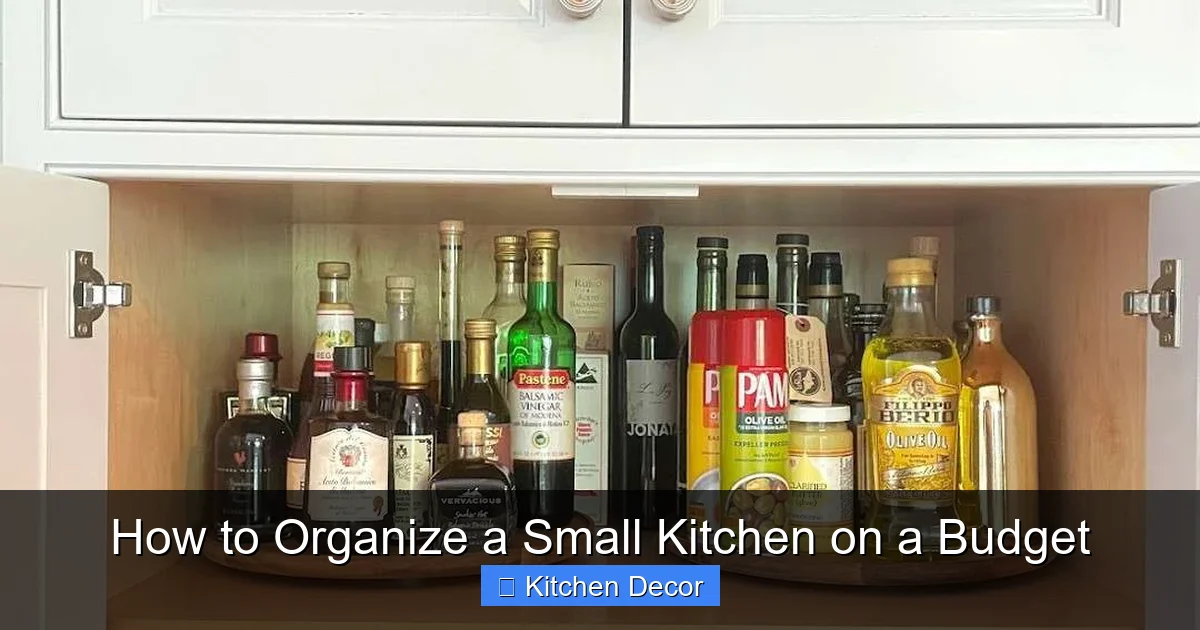
Dreaming of an organized kitchen but worried about cost and space? This guide shows you how to organize a small kitchen on a budget, transforming cluttered chaos into functional harmony. Discover clever, affordable strategies to maximize every inch, from savvy decluttering to DIY storage solutions, making your small kitchen feel spacious and efficient without spending a fortune. Get ready to enjoy a kitchen that works for you, all while keeping your wallet happy!
How to Organize a Small Kitchen on a Budget
Do you often feel like your small kitchen is shrinking every day? Are you tired of searching for ingredients or tools amidst a sea of clutter? You’re not alone! Many of us face the challenge of a tiny kitchen, especially when budget constraints make fancy storage solutions seem out of reach. But here’s a secret: you don’t need a massive renovation or expensive gadgets to create a wonderfully organized, functional kitchen.
This comprehensive guide will show you exactly how to organize a small kitchen on a budget. We’ll walk you through simple, actionable steps to declutter, maximize every inch of space, and implement smart, affordable storage solutions. Get ready to transform your cramped cooking area into a joyful, efficient hub without breaking the bank. Let’s make your small kitchen feel spacious, inviting, and perfectly organized!
Key Takeaways
- Declutter Ruthlessly First: Before buying any organizers, empty your kitchen and sort items into keep, donate, or discard piles. This crucial first step helps you understand what you truly own and need to organize.
- Maximize Vertical Space: Look up! Walls, cabinet interiors, and even the fridge sides offer valuable storage. Utilize shelves, pot racks, stackable bins, and magnetic strips to free up precious countertop and cabinet space.
- Smart Inside-Cabinet Solutions: Implement drawer dividers, cabinet risers, and under-sink organizers to make the most of every internal square inch. DIY solutions like repurposed cereal boxes can be incredibly effective and free.
- Prioritize Countertop Clarity: Keep countertops as clear as possible by only storing essential, frequently used items. Use vertical organizers or wall-mounted solutions for things like spices and utensils to maintain a clutter-free look.
- Repurpose and DIY for Budget Savings: Don’t buy new if you can repurpose! Old jars, shoe boxes, magazine files, and even simple tension rods can be transformed into effective, budget-friendly kitchen organizers. Get creative!
- Establish a Maintenance Routine: Organization isn’t a one-time task. Implement habits like the “one-in, one-out” rule and regular mini-declutters to ensure your small, organized kitchen stays that way for the long term.
Step 1: The Kitchen Audit – Declutter and Sort ruthlessly
Before you even think about buying a single organizer, the most important step is to declutter. This is the foundation of how to organize a small kitchen on a budget. You can’t organize what you don’t need! This process helps you understand exactly what you have and what truly deserves a place in your limited space.
Empty Everything Out
Yes, everything! Take every single item out of your cabinets, drawers, pantry, and off your countertops. Place them on your dining table, a large sheet on the floor, or anywhere you have space. Seeing everything laid out helps you visualize the sheer volume of your kitchen items. This step might feel overwhelming, but it’s crucial for a fresh start.
- Budget Tip: This step costs absolutely nothing but time! It’s the most impactful way to start organizing your small kitchen on a budget.
Discard, Donate, or Keep
Now, go through each item with a critical eye. Ask yourself these questions:
- Have I used this in the last year? If not, consider letting it go. Be honest!
- Is it broken or chipped? Toss it out.
- Do I have duplicates? Keep only the best one or two, especially for small items like spatulas or measuring spoons.
- Does it truly fit my lifestyle? If you never bake, do you need five different baking pans?
Create three piles: “Keep,” “Donate/Sell,” and “Trash.” Be firm with yourself. For items you rarely use but want to keep (e.g., a special holiday serving dish), consider storing them outside the kitchen in a less accessible spot, like a garage or a basement closet, if space allows.
- Budget Tip: Donating items or selling them on local marketplaces can even put a little money back in your pocket!
Group Similar Items
Once you have your “Keep” pile, start grouping similar items together. All baking supplies, all cooking utensils, all plates, all spices, all cleaning products, etc. This step helps you see the true quantity of each category and makes it easier to assign them a home later. This is a key part of how to organize a small kitchen on a budget efficiently.
Step 2: Maximize Vertical Space – Look Up!
In a small kitchen, the mantra is “go vertical!” Walls are your best friends. Utilizing vertical space is an absolute game-changer when you want to organize a small kitchen on a budget. This strategy instantly frees up precious counter and cabinet space.
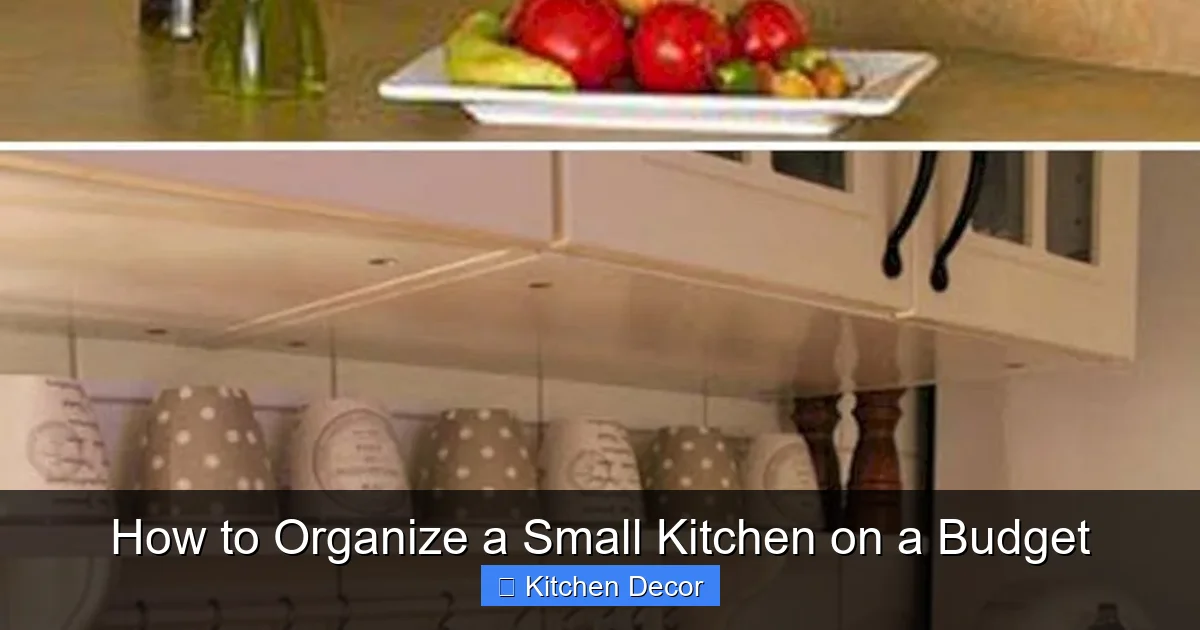
Visual guide about How to Organize a Small Kitchen on a Budget
Image source: i.pinimg.com
Install Shelves (Floating or Wall-Mounted)
If you have empty wall space, even small stretches, consider adding shelves. They are fantastic for storing frequently used items, cookbooks, or decorative pieces. Floating shelves offer a minimalist look, while wall-mounted shelves with brackets can hold heavier items.
- Budget Tip: Look for affordable shelving kits at discount stores, IKEA, or hardware stores. You can also repurpose sturdy pieces of wood found at a salvage yard and paint them. Simple L-brackets are inexpensive.
Use Over-the-Door Organizers
The back of your pantry door or even the main kitchen door is often overlooked. An over-the-door organizer with multiple pockets or shelves can be perfect for spices, small food packets, cleaning supplies, or even rolls of foil and plastic wrap.
- Budget Tip: Dollar stores often carry simple over-the-door shoe organizers which can be repurposed for kitchen items. Command hooks can also create vertical storage for lighter items on cabinet doors.
Add Pot Racks
Pots and pans take up a huge amount of cabinet space. A wall-mounted pot rack or even a ceiling-mounted one (if you have the ceiling height and strong support) can be a stylish and practical solution. Hang your most frequently used pots and pans, freeing up valuable cabinet real estate.
- Budget Tip: Search for second-hand pot racks at thrift stores or online marketplaces. You can also DIY a simple rack using a sturdy wooden dowel or a metal pipe and S-hooks.
Stackable Solutions
Inside cabinets, don’t just place items side-by-side. Think about stacking! Stackable bins, baskets, or even simple plastic containers can help you store more items in the same footprint. This is especially useful for food items like canned goods or smaller appliances.
- Budget Tip: Clear plastic containers, stacking bins, and wire shelves can be found affordably at dollar stores, discount retailers, or even by repurposing sturdy shoeboxes covered in decorative paper.
Step 3: Smart Cabinet and Drawer Organization
Once you’ve decluttered and thought vertically, it’s time to tackle the insides of your cabinets and drawers. This is where strategic organization truly shines, helping you maximize every inch when you organize a small kitchen on a budget.
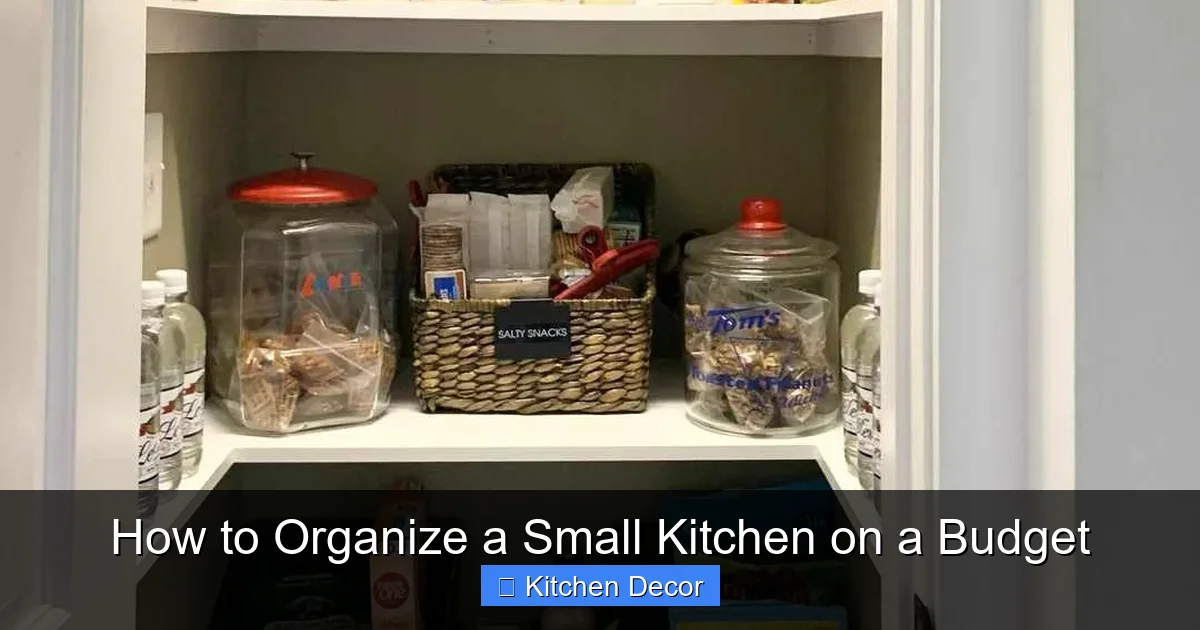
Visual guide about How to Organize a Small Kitchen on a Budget
Image source: thespruce.com
Drawer Dividers and Organizers
Messy drawers are often a source of frustration. Drawer dividers keep cutlery, utensils, and gadgets neatly separated. They prevent items from shifting around and make it easy to find what you need.
- Budget Tip: You don’t need custom-built dividers. Repurpose old cutlery trays, small plastic containers, or even cut down cereal boxes or shoeboxes to create custom-fit dividers. Use non-slip mats (often found at dollar stores) to keep them in place.
Cabinet Risers and Shelf Inserts
These simple tools allow you to use the full height of your cabinets. A shelf riser creates an additional “level” within a cabinet, perfect for stacking plates, bowls, or mugs without making it difficult to access the items below. This is an essential for how to organize a small kitchen on a budget.
- Budget Tip: Wire shelf inserts are inexpensive and widely available. For an even cheaper option, stack sturdy cans (e.g., large tomato cans) and place a small cutting board or a sturdy piece of cardboard on top to create an instant shelf riser.
Under-Sink Solutions
The cabinet under the sink is often a chaotic wasteland of cleaning supplies. Use stackable bins, small drawers, or even a tension rod to hang spray bottles. Make sure to contain any potential leaks by placing items in plastic bins.
- Budget Tip: Dollar stores are excellent for inexpensive plastic bins and small baskets perfect for under-sink organization. A simple tension rod can be bought for just a few dollars.
DIY Cardboard Dividers
For deep drawers that hold oddly shaped items, custom cardboard dividers can be a lifesaver. Measure your drawer, cut cardboard pieces to fit, and hot glue them together to create compartments for foils, plastic wraps, or larger utensils. Paint or cover them with contact paper for a neat look.
- Budget Tip: This method costs virtually nothing if you use old boxes you already have!
Step 4: Countertop Clarity – Less is More
In a small kitchen, countertops are prime real estate. Keeping them as clear as possible will make your kitchen feel larger, cleaner, and more functional. When you aim to organize a small kitchen on a budget, remember that clear counters equal clear minds.
Visual guide about How to Organize a Small Kitchen on a Budget
Image source: cdn.mos.cms.futurecdn.net
Essential Items Only
Resist the urge to store everything on your counters. Only keep items you use daily: a coffee maker, a toaster, a knife block, perhaps a small fruit bowl. If you use your blender once a month, it belongs in a cabinet.
Vertical Storage on Counters
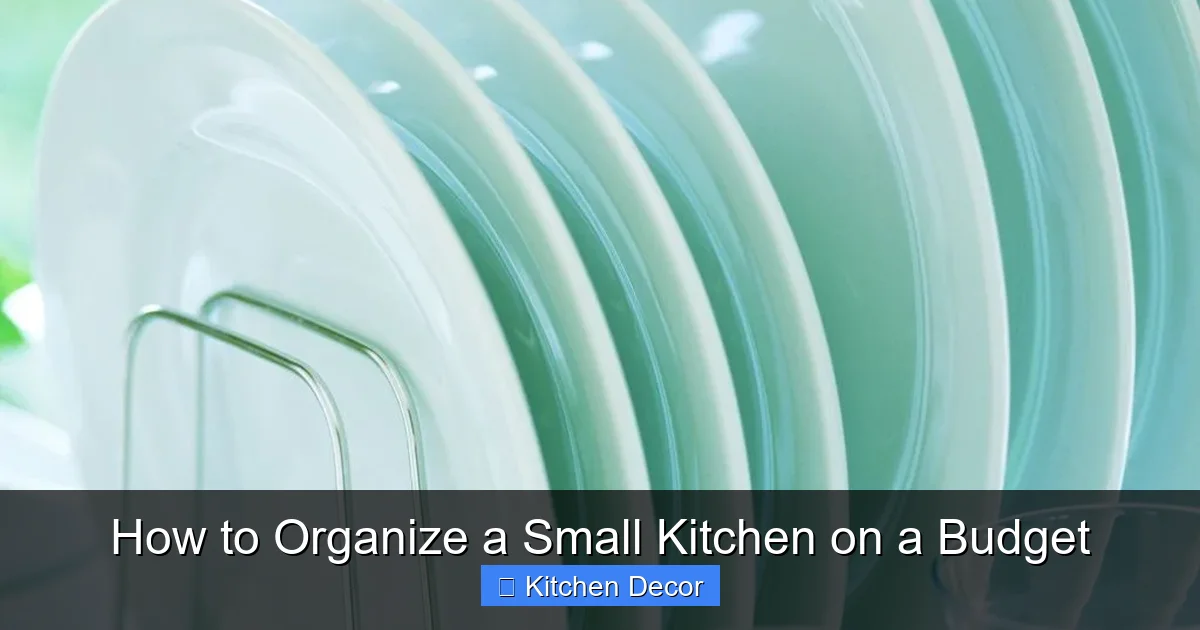
Even on your counters, think vertically. A compact dish drying rack, a tiered fruit basket, or a tall utensil holder can hold more while taking up less counter space than spread-out items.
- Budget Tip: Look for affordable utensil crocks or small ceramic planters at thrift stores. Tiered baskets can sometimes be found at discount retailers.
Wall-Mounted Organizers for Spices/Utensils
If you have a small section of wall space near your stove, consider a wall-mounted spice rack or magnetic knife strip. These keep frequently used items within reach without cluttering your precious counter space.
- Budget Tip: Simple magnetic strips can be found affordably online or at hardware stores. DIY a spice rack from small, repurposed wooden crates or planks.
Step 5: Pantry Power (Even a Mini Pantry!)
Whether you have a dedicated pantry closet or just a single cabinet serving as your “pantry,” organizing it efficiently is key to how to organize a small kitchen on a budget.
Clear Containers for Dry Goods
Transfer dry goods like pasta, rice, flour, sugar, and cereals into clear, airtight containers. This not only keeps them fresh but also makes it easy to see what you have, prevents spills, and creates a uniform, tidy look. Plus, many original packages are bulky.
- Budget Tip: Hunt for matching clear containers at dollar stores, discount retailers, or even repurpose large, sturdy plastic food containers with lids (e.g., from pretzels or nuts). Jars from pasta sauce or pickles, once cleaned, are also great for smaller dry goods.
Label Everything
Once items are in containers, label them clearly. This is especially important for similar-looking flours or sugars. Labels also help family members put things back in the right place.
- Budget Tip: Use masking tape and a marker, or print simple labels on regular paper and attach with tape. Decorative labels aren’t necessary for functionality.
Use Baskets and Bins
Contain smaller, often-used items in baskets or bins. This could be snacks, baking mixes, or individual packets of oatmeal. Bins prevent small items from getting lost at the back of shelves and allow you to pull out a whole category at once.
- Budget Tip: Woven baskets from thrift stores, plastic bins from dollar stores, or even sturdy cardboard boxes (covered in contact paper if desired) work wonderfully.
Step 6: Utilize Unconventional Spaces
A small kitchen often requires thinking outside the box. Look for hidden gems of space that can be repurposed to help you organize a small kitchen on a budget.
Rolling Carts
A slim rolling cart can be a lifesaver. It can be pulled out for extra counter space or storage during cooking and then tucked away into a corner, next to the fridge, or even into a closet when not in use. They’re great for produce, drinks, or extra cooking supplies.
- Budget Tip: Look for basic rolling carts at discount stores. Sometimes, a simple utility cart can be found at thrift stores and painted for a fresh look.
Magnetic Strips
Beyond knives, magnetic strips can hold small metal containers filled with spices, measuring spoons, or even small tools like bottle openers. Place them on the side of your fridge, an unused wall, or inside a cabinet door.
- Budget Tip: Magnetic strips are relatively inexpensive, and you can buy small metal tins in bulk or repurpose metal spice tins.
Backs of Doors
This goes beyond the pantry door. The inside of any cabinet door can hold shallow items. Use Command hooks for measuring cups, small baskets attached with adhesive strips for sponges, or even a magazine file for cutting boards.
- Budget Tip: Command hooks and adhesive baskets are generally affordable. Repurpose magazine files or even create pockets from fabric scraps for flat items.
Above the Fridge
The space above your fridge is often wasted. Use it for items you don’t access daily, like serving platters, large infrequently used bowls, or extra paper towels. Store them in attractive bins or baskets to keep them looking tidy.
- Budget Tip: Use sturdy, decorative baskets or bins that match your kitchen aesthetic. You can often find these at discount home stores or thrift shops.
Step 7: Maintain Your Organized Kitchen
Organizing a small kitchen on a budget isn’t a one-time event; it’s an ongoing process. Establishing good habits will keep your kitchen tidy and functional long-term.
The One-In, One-Out Rule
For every new item you bring into your kitchen, one similar item must leave. Bought a new mixing bowl? Donate an old one. This rule prevents clutter from accumulating again.
Regular Mini-Declutters
Once a month, spend 15-30 minutes doing a quick tidy-up. Check expiration dates, wipe down shelves, and make sure everything is in its designated place. This prevents small messes from turning into big projects.
Involve the Household
If you live with others, communicate your new organization system. Show them where everything belongs and encourage them to put items back in their correct spots. Shared responsibility makes maintenance much easier.
Clean as You Go
Washing dishes immediately after use and wiping down counters as you cook prevents grime buildup and keeps your kitchen feeling fresh and organized. This small habit makes a big difference.
Conclusion
Organizing a small kitchen on a budget might seem like a daunting task, but as you’ve seen, it’s absolutely achievable with a little planning, creativity, and elbow grease. By taking a thoughtful approach – starting with a thorough declutter, maximizing every vertical inch, implementing smart internal storage, and utilizing unconventional spaces – you can transform your kitchen into a highly efficient and enjoyable area.
Remember, the best solutions don’t have to be expensive. Many of the most effective strategies involve repurposing items you already own or picking up affordable finds from discount stores. Embrace the challenge, be patient with yourself, and enjoy the process of creating a kitchen that truly works for you. Your small, organized kitchen will not only look great but will also inspire more enjoyable cooking and less stress. Happy organizing!