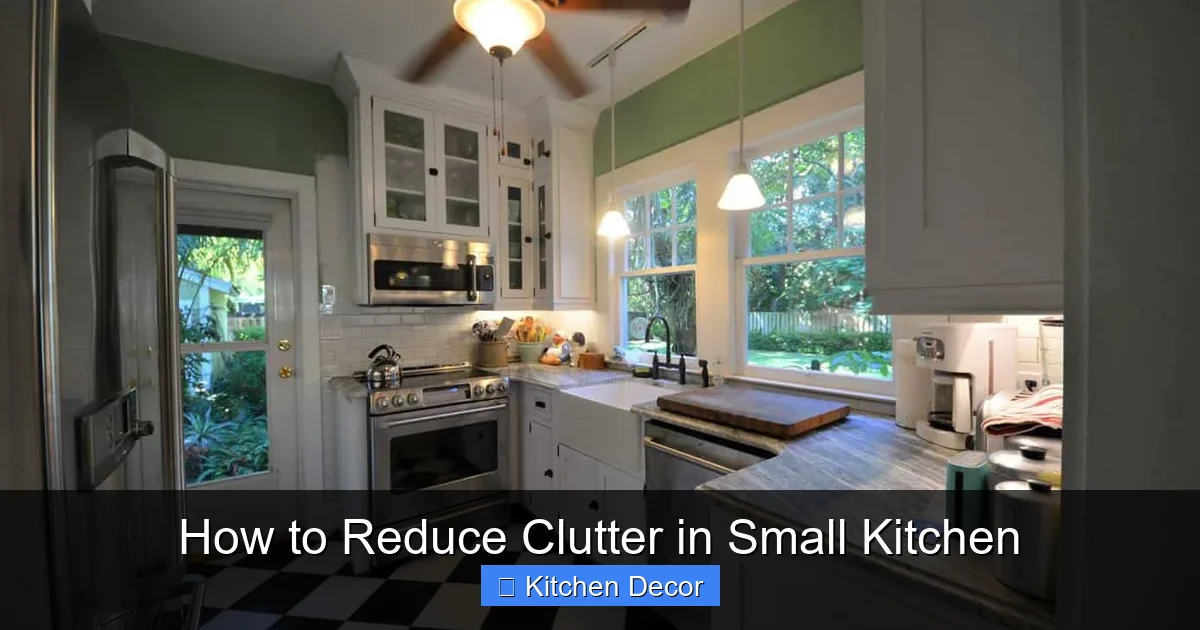
Tired of a cramped kitchen? This guide offers practical, step-by-step strategies to reduce clutter in your small kitchen, turning it into an efficient and enjoyable space. Discover how to declutter ruthlessly, optimize every storage zone, embrace vertical solutions, and maintain a tidy environment with smart habits and multi-functional items. Say goodbye to overwhelm and hello to a functional, beautiful small kitchen!
How to Reduce Clutter in Small Kitchen
Ah, the small kitchen. It’s often the heart of the home, a place for cooking, gathering, and creating memories. But let’s be honest, it can also quickly become a source of frustration, a battlefield of mismatched mugs, overflowing drawers, and countertops buried under a mountain of gadgets. If you’re constantly feeling overwhelmed by the sheer volume of stuff packed into your limited space, you’re not alone.
Learning how to reduce clutter in a small kitchen isn’t just about making things look tidier. It’s about transforming your cooking experience. Imagine effortlessly finding what you need, having ample space to chop and prep, and feeling a sense of calm every time you step into your kitchen. A clutter-free small kitchen is more functional, more inviting, and ultimately, more enjoyable.
This comprehensive guide will walk you through a step-by-step process to reclaim your kitchen from the clutches of clutter. We’ll cover everything from a ruthless decluttering session to smart storage solutions and sustainable habits. Get ready to turn your tiny kitchen into a surprisingly spacious and incredibly efficient culinary haven!
Key Takeaways
- Embrace a Ruthless Purge: The first and most critical step to reduce clutter in a small kitchen is to remove everything, assess each item, and get rid of duplicates, broken, or unused items without hesitation.
- Maximize Vertical Space: Look up and utilize walls, the inside of cabinet doors, and even the ceiling for storage. Shelves, magnetic strips, pegboards, and pot racks are your best friends.
- Optimize Existing Storage: Make every inch count within your cabinets and drawers. Use organizers like risers, dividers, and pull-out shelves to create order and accessibility.
- Implement Smart Countertop Strategies: Keep your countertops as clear as possible. Only display essential, frequently used items, and group them neatly on trays if necessary. Choose multi-functional appliances.
- Develop Sustainable Habits: A clutter-free small kitchen isn’t a one-time project. Adopt daily tidy-up routines and a “one-in, one-out” rule to prevent clutter from accumulating again.
- Think Multi-functional and Portable: Opt for kitchen tools and appliances that serve multiple purposes or can be easily moved and stored when not in use, like a rolling cart.
- Utilize Every Nook: Don’t overlook unconventional storage spots like the back of cabinet doors, under the sink with pull-out bins, or even the space above your cabinets for rarely used items.
Step 1: The Grand Purge – Decluttering Your Small Kitchen
Before you even think about buying organizers, you need to know what you’re organizing. The first and most crucial step to reduce clutter in a small kitchen is a thorough purge. This isn’t for the faint of heart, but it’s incredibly effective.
Start with Everything Out
Pick one area – a single cabinet, a drawer, or a section of your counter. The most impactful way to declutter is to take everything out. Yes, every single spoon, plate, pot, and appliance. Place them on your counter, dining table, or even a clean sheet on the floor. Seeing everything laid out can be a real eye-opener.
The “Keep, Donate/Sell, Toss” Method
As you pick up each item, make a quick decision based on these three categories:
- Keep: These are items you use regularly (at least once a week for essentials, once a month for less critical items), that are in good condition, and that truly bring you joy or serve an essential purpose.
- Donate/Sell: These items are still functional and in good condition but you no longer use them, have duplicates, or they don’t fit your lifestyle. Think old bakeware, specialty gadgets you tried once, or extra sets of dishes. Look for local charities, thrift stores, or online marketplaces.
- Toss: These are broken items, things with missing parts, expired food, or anything that is beyond repair or usefulness. Don’t feel guilty. If it’s trash, it’s trash.
Be honest with yourself. If you haven’t used it in a year, chances are you won’t. This is especially true when you’re trying to reduce clutter in a small kitchen where space is a premium.
Be Ruthless, Be Realistic
Small kitchens demand a ruthless approach. Do you really need three spatulas? Or that fancy juicer you used twice? The goal isn’t to live like a minimalist monk, but to ensure every item in your small kitchen earns its valuable space. If an item doesn’t fit your current cooking habits or truly enhance your life, it needs to go.
Evaluate Duplicates and Seldom-Used Items
Duplicates are notorious clutter culprits. Do you need two sets of measuring spoons? Five coffee mugs for two people? Keep the best, donate the rest. For seldom-used items (like holiday platters or specific baking tools), consider if they can be stored elsewhere in your home, like a garage or basement, or if they are worth the precious kitchen real estate.
Step 2: Optimize Your Storage Zones
Once you’ve purged, it’s time to organize the items you decided to keep. This is where smart storage solutions come into play. The key is to make every inch of your existing cabinets and drawers work harder to reduce clutter in a small kitchen.
Visual guide about How to Reduce Clutter in Small Kitchen
Image source: breakthetwitch.com
Cabinet Organization
Cabinets are prime real estate. Think vertically and strategically.
-
Vertical Space Maximizers
Install shelf risers or stackable shelves to create extra levels within a tall cabinet. This is perfect for plates, bowls, or even small appliances. Pot and pan organizers (vertical or horizontal) help keep lids and bases tidy and easily accessible. File racks can be repurposed to store cutting boards or baking sheets vertically.
-
Pull-Out Shelves and Baskets
For deep cabinets, pull-out shelves or sliding baskets are a game-changer. They bring items from the back of the cabinet to the front, eliminating the “black hole” where things get lost and forgotten.
-
Categorize and Contain
Group similar items together. All baking supplies in one cabinet, all plastics in another. Use clear bins or containers to keep categories tidy. This makes it easier to find things and prevents items from scattering.
Drawer Organization
Drawers can quickly become a junk drawer nightmare. Tame them!
-
Drawer Dividers and Organizers
Invest in adjustable drawer dividers or pre-made cutlery trays. These prevent items from shifting and create dedicated spots for knives, forks, spoons, and other utensils. You can find options for bamboo, plastic, or even expandable dividers.
-
Nesting and Stacking
Look for utensils and tools that nest or stack neatly. Measuring cups and spoons, mixing bowls, and even some food storage containers are designed to take up less space when stored this way. This is essential to reduce clutter in a small kitchen.
Pantry Power-Up
If you have a pantry, even a small one, it needs structure.
-
Clear Containers and Labels
Transfer dry goods like pasta, rice, flour, and cereals into clear, airtight containers. This not only looks tidier but also helps you see what you have (and what you need to buy), prevents pests, and keeps food fresh. Label everything!
-
Tiered Shelving
Similar to cabinet risers, tiered shelving for pantry staples helps you see items at the back, preventing forgotten (and expired) foods.
-
First-In, First-Out (FIFO)
When you buy new groceries, put them behind older items of the same kind. This ensures you use older stock first, reducing food waste and keeping your pantry cycling efficiently.
Step 3: Embrace Vertical Space and Wall Solutions
When you have limited floor and counter space, the only way to go is up! Utilizing vertical space is a secret weapon to reduce clutter in a small kitchen.
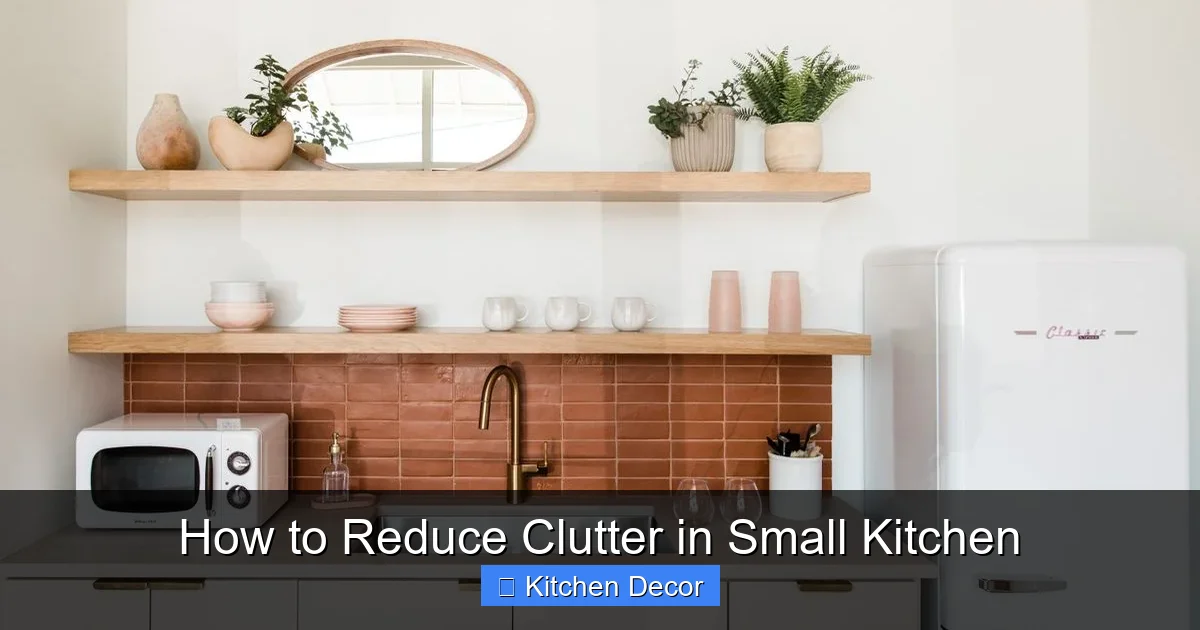
Visual guide about How to Reduce Clutter in Small Kitchen
Image source: cdn.mos.cms.futurecdn.net
Wall-Mounted Shelves and Racks
Walls are often overlooked storage opportunities.
-
Open Shelving
If you have aesthetically pleasing dishes or frequently used items, open shelving can be a great way to store them. It keeps things accessible and can make a small kitchen feel more open. Just be mindful not to overload them, as clutter can quickly accumulate.
-
Enclosed Wall Cabinets
If open shelves aren’t your style, consider adding slim wall-mounted cabinets for less frequently used items or extra food storage.
-
Wall Racks for Spices and Utensils
Free up drawer and cabinet space by installing wall racks for your spice jars or a rail with hooks for frequently used utensils like spatulas, ladles, and whisks.
Magnetic Strips
A strong magnetic strip is incredibly versatile.
-
Knife Storage
Mount a magnetic strip on an empty wall or backsplash to store knives safely and free up valuable drawer space. It also keeps them within easy reach.
-
Spice Jars
If you have metal-lidded spice jars, you can attach them to a magnetic strip. Or, buy small metal containers with magnetic backs specifically for spices.
Pegboards
Pegboards are not just for garages anymore!
A kitchen pegboard allows you to customize your storage with hooks, small shelves, and baskets for almost anything: pots, pans, utensils, cutting boards, even small plants. It’s incredibly flexible and can be rearranged as your needs change.
Pot Racks (Ceiling or Wall)
Hanging your pots and pans can free up significant cabinet space. This is a classic solution to reduce clutter in a small kitchen, especially for bulky items.
-
Ceiling-Mounted Racks
If your kitchen layout and ceiling height allow, a ceiling-mounted pot rack can be a stylish and functional way to store cookware.
-
Wall-Mounted Racks
Alternatively, a wall-mounted rack can achieve a similar effect, keeping your most-used pots and pans handy.
Step 4: Smart Countertop Strategies
Countertops in a small kitchen are precious real estate. The goal is to keep them as clear as possible to allow for maximum prep space.
Visual guide about How to Reduce Clutter in Small Kitchen
Image source: littlehouselovelyhome.com
Keep Essentials Only
Only keep items on your countertop that you use daily or almost daily. This might include your coffee maker, toaster, a small knife block, or a frequently used cooking oil. Everything else should be stored away. This is crucial to reduce clutter in a small kitchen.
Group Similar Items
If you must have items on the counter, group them. For example, all your coffee supplies (mugs, sugar, stirrers) can go on a small tray. This makes the area look more organized and less like scattered clutter.
Use Multi-Functional Appliances
When space is limited, choose wisely. A blender that also functions as a food processor, or a multi-cooker that can sauté, slow cook, and pressure cook, saves space compared to individual appliances. Consider if you truly need that single-purpose gadget taking up valuable counter or cabinet space.
Trays and Baskets
A stylish tray or small basket can contain small groupings of items like salt, pepper, and olive oil, or a few small fruit. This instantly makes them look more organized and easier to move for cleaning.
Step 5: Utilize Hidden and Unconventional Spaces
Don’t just think inside the box (or cabinet). Look for overlooked areas that can provide clever storage solutions.
Back of Cabinet Doors
The inside of your cabinet doors is prime real estate for slim organizers.
-
Over-the-Door Organizers
Install thin shelves or racks on the inside of cabinet doors for spices, aluminum foil, cutting board, or cleaning supplies. This can free up significant space elsewhere.
-
Hooks
Small adhesive hooks can hold measuring spoons, oven mitts, or even small towels.
Under-Sink Storage
This often-neglected space can be incredibly useful.
-
Pull-Out Bins or Drawers
These help you organize cleaning supplies, sponges, and dish soap, making them easy to access without digging. Look for options that navigate around pipes.
-
Stackable Bins
Use clear, stackable bins to keep items contained and prevent mess under the sink.
Rolling Carts and Islands
A rolling cart can be a lifesaver in a small kitchen. It provides extra counter space for prep, can store appliances, and can be moved out of the way when not in use. Some even have built-in cutting boards or shelves.
Space Above Cabinets
For items you use very rarely (e.g., holiday serving dishes, specialty canning equipment), the space above your cabinets can be a good spot. Keep them in attractive, enclosed bins to prevent dust and maintain a tidy look.
Step 6: Implement a “One-In, One-Out” Rule
Once you’ve gone through the effort to reduce clutter in a small kitchen, you need a system to maintain it. The “one-in, one-out” rule is simple yet powerful.
Maintaining the Clutter-Free State
For every new item you bring into your kitchen – whether it’s a new gadget, a set of dishes, or even a new mug – one similar item must leave. This prevents clutter from creeping back in. If you buy a new frying pan, donate an old one. If you get a new set of bowls, get rid of an existing set. This conscious decision making helps you keep your inventory lean and prevents accumulation.
Step 7: Develop Daily and Weekly Habits
Clutter doesn’t just appear overnight; it builds up through small habits. By implementing a few simple routines, you can keep your small kitchen tidy and functional.
The 5-Minute Tidy
At the end of each day, dedicate just five minutes to tidying your kitchen. Wipe down counters, put away clean dishes, and return items to their proper homes. This small habit prevents a huge mess from developing.
Regular Mini-Declutters
Once a month, do a quick scan of one drawer or cabinet. Is anything out of place? Has anything expired? This proactive approach keeps clutter at bay and reinforces your new, tidy habits.
Return Items Immediately
Make it a habit to put things away as soon as you’re done using them. Don’t leave ingredients on the counter after cooking, or dirty dishes next to the sink if the dishwasher is empty. Immediate action is key to maintaining a clutter-free small kitchen.
Troubleshooting Common Small Kitchen Clutter Challenges
Even with the best intentions, you might run into specific hurdles. Here are some common challenges and how to address them:
“I Don’t Have Enough Counter Space!”
This is a classic small kitchen lament. The solution is multi-faceted:
- Clear ruthlessly: Are there things on your counter that don’t belong?
- Utilize vertical space: Wall-mounted racks for spices, magnetic knife strips, or hanging fruit baskets free up horizontal surfaces.
- Portable prep space: A small rolling cart or a cutting board that fits over your sink can provide temporary additional counter space.
- Only essentials: Limit counter items to 2-3 truly daily-use appliances.
“My Cabinets Are Too Deep!”
Deep cabinets are both a blessing and a curse. Things get lost in the back.
- Pull-out solutions: Install full extension pull-out shelves or baskets. These are worth the investment.
- Containment: Use clear bins or baskets to group items. When you need something, you can pull out the entire bin rather than reaching deep into the cabinet.
- Categorize: Assign specific categories to deep cabinets so you know what’s in there.
“I Love My Gadgets Too Much!”
It’s easy to accumulate kitchen gadgets, but they can quickly create clutter in a small kitchen.
- One-in, one-out rule: Seriously apply this here. If you buy a new gadget, an old one must go.
- Multi-functional items: Prioritize items that serve multiple purposes.
- Borrow or rent: For very specific, rarely used items (e.g., a specific holiday cookie cutter set), consider borrowing from a friend or looking into rental options instead of owning.
- Off-site storage: If you absolutely cannot part with a beloved, seldom-used gadget, consider storing it in a less accessible spot (e.g., a high shelf, a basement, or garage) if you have space elsewhere.
“It Just Gets Messy Again!”
This is where habits come in.
- Daily reset: Implement the 5-minute tidy. Consistency is key.
- Everything has a home: If an item doesn’t have a clear, designated spot, it’s more likely to end up on the counter. Create a home for every item.
- Involve everyone: If you share your kitchen, ensure everyone living there understands and participates in the tidying habits.
Conclusion
Learning how to reduce clutter in a small kitchen might seem like a daunting task, but by breaking it down into manageable steps, you can achieve remarkable results. From that initial, brave purge to implementing smart storage solutions and maintaining tidy habits, every effort you make contributes to a more functional and enjoyable space.
Remember, your small kitchen doesn’t have to feel cramped or overwhelming. With a strategic approach, a bit of creativity, and consistent effort, you can transform it into an efficient, welcoming, and beautiful heart of your home. Embrace the process, celebrate the small victories, and soon you’ll be enjoying the peace and productivity that comes with a truly clutter-free small kitchen!