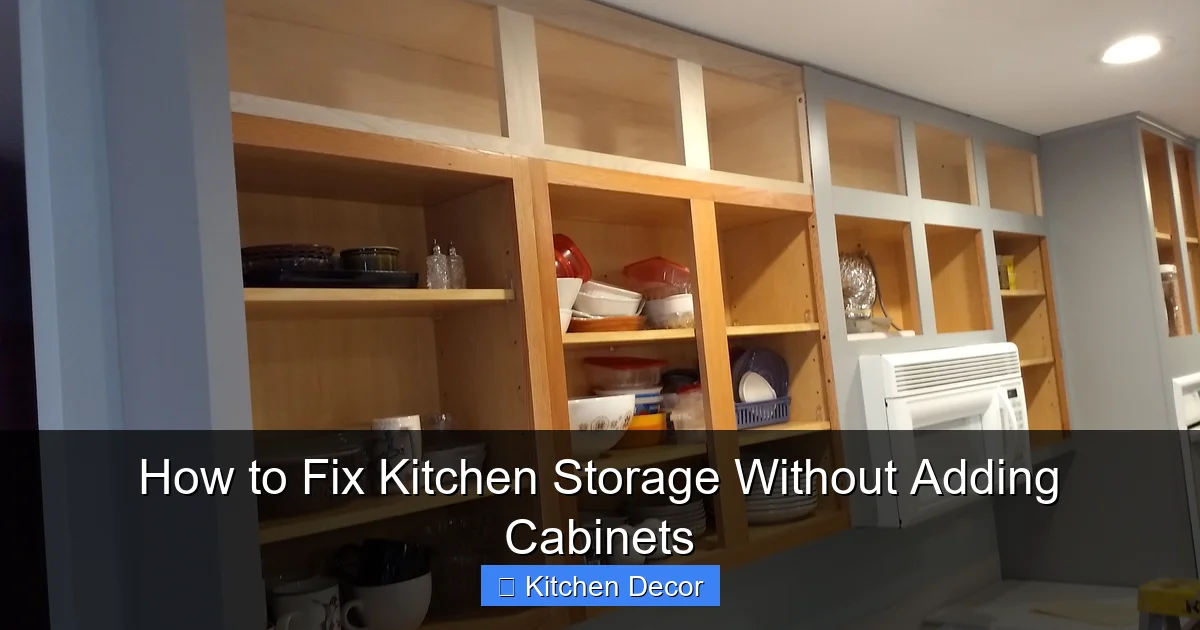
Feeling cramped in your kitchen but don’t want to add more cabinets? This comprehensive guide offers creative, practical solutions to boost your kitchen storage without a major renovation. Learn to declutter, maximize existing space, and utilize often-overlooked areas like walls, undersink spots, and drawer interiors. Get ready for an organized, functional kitchen using clever tools and smart strategies that make every inch count for better kitchen storage.
How to Fix Kitchen Storage Without Adding Cabinets
Your kitchen is the heart of your home, but often, it feels more like the Bermuda Triangle for spatulas and the battleground for spices. If you’re constantly struggling with limited space, overflowing countertops, and cabinets that just don’t seem to hold enough, you’re not alone. Many homeowners dream of more kitchen storage, but adding new cabinets can be expensive, time-consuming, and sometimes, simply not an option due to budget, rental agreements, or the sheer lack of available wall space.
The good news? You absolutely can achieve fantastic kitchen storage solutions without a single new cabinet installation. This comprehensive guide will walk you through creative, practical, and often overlooked strategies to maximize every inch of your existing kitchen. We’ll explore clever organizers, smart decluttering techniques, and innovative ways to utilize vertical and overlooked spaces. By the end of this guide, you’ll be equipped with the knowledge to transform your cluttered kitchen into an organized, functional, and aesthetically pleasing haven.
Get ready to unleash the hidden potential of your kitchen and discover how easy it is to fix kitchen storage without the hassle or expense of a renovation!
Key Takeaways
- Start with a Thorough Declutter: Before adding any new organizers, purge unneeded items to accurately assess your real storage needs and make space for essentials.
- Embrace Vertical Space: Look beyond countertops to walls, the back of doors, and even ceilings. Shelves, pegboards, and pot racks are game-changers for expanding kitchen storage.
- Maximize Existing Cabinets and Drawers: Use risers, stackable bins, and drawer dividers to double or triple the utility of your current cabinetry. Don’t let deep spaces become black holes.
- Utilize Underrated and Overlooked Areas: The space above your fridge, inside cabinet doors, under the sink, and narrow gaps can be transformed into valuable kitchen storage with the right tools.
- Invest in Smart, Multi-functional Organizers: Lazy Susans, tiered shelves, pull-out bins, and mobile carts add flexibility and efficiency, making items more accessible and visible.
- Think Mobile and Flexible: Kitchen carts, rolling islands, and storage benches offer versatile kitchen storage that can be moved or adapted as your needs change.
- Personalize Your System: No one-size-fits-all solution. Tailor your kitchen storage strategies to your cooking habits, kitchen layout, and the specific items you use most often.
Step 1: Declutter and Optimize What You Already Have
Before you buy a single organizer or install a new shelf, the most crucial step is to declutter. Think of it as spring cleaning for your kitchen storage. By getting rid of items you don’t need or use, you create space for what truly matters and get a clear picture of your actual kitchen storage needs. This step lays the foundation for all other improvements.
The Great Kitchen Purge: Discard, Donate, Relocate
Start by taking everything out of your cabinets, drawers, and pantry. Yes, everything! Group similar items together on your countertops or dining table. As you sort, ask yourself these questions for each item:
- When was the last time I used this? If it’s been over a year (or even six months for many kitchen items), consider letting it go.
- Do I have duplicates? Keep only the best condition or most frequently used version.
- Is it broken, chipped, or expired? Immediately discard these items.
- Does it serve a purpose? If you have a gadget for every imaginable task, but only use a few, release the rest.
- Does it belong in the kitchen? Sometimes non-kitchen items end up taking up valuable kitchen storage. Relocate them to their proper home.
Create three piles: Keep, Donate/Sell, and Trash. Be ruthless but practical. Don’t keep things “just in case” if they’re taking up prime kitchen storage real estate.
Grouping Similar Items
Once you’ve decided what to keep, group like items together. All baking supplies in one area, all spices in another, all plastic containers together, etc. This makes it easier to find things and ensures you’re not duplicating purchases. This also helps when you start thinking about where to store things, ensuring your kitchen storage is logical and intuitive.
Maximizing Existing Cabinet and Drawer Space
Now, let’s look at how to get more out of your current setup. Deep cabinets and drawers often become black holes where items get lost. You can significantly improve your kitchen storage within these existing spaces.
- Use Vertical Dividers: For items like baking sheets, cutting boards, and platters, vertical dividers in cabinets prevent stacking and make retrieval easy.
- Install Stackable Shelves or Risers: In tall cabinets, risers create an extra “shelf” to stack plates, bowls, or cans without creating precarious towers. This doubles your kitchen storage capacity instantly.
- Drawer Dividers and Inserts: Prevent cutlery, utensils, and small gadgets from becoming a jumbled mess. Customizable dividers can fit any drawer size and keep everything in its place.
- Under-Shelf Baskets: These wire baskets simply slide onto an existing shelf, creating an instant extra layer underneath, perfect for wraps, foils, or small towels. This is an ingenious way to add kitchen storage without any installation.
Step 2: Embrace Vertical Space for Maximum Impact
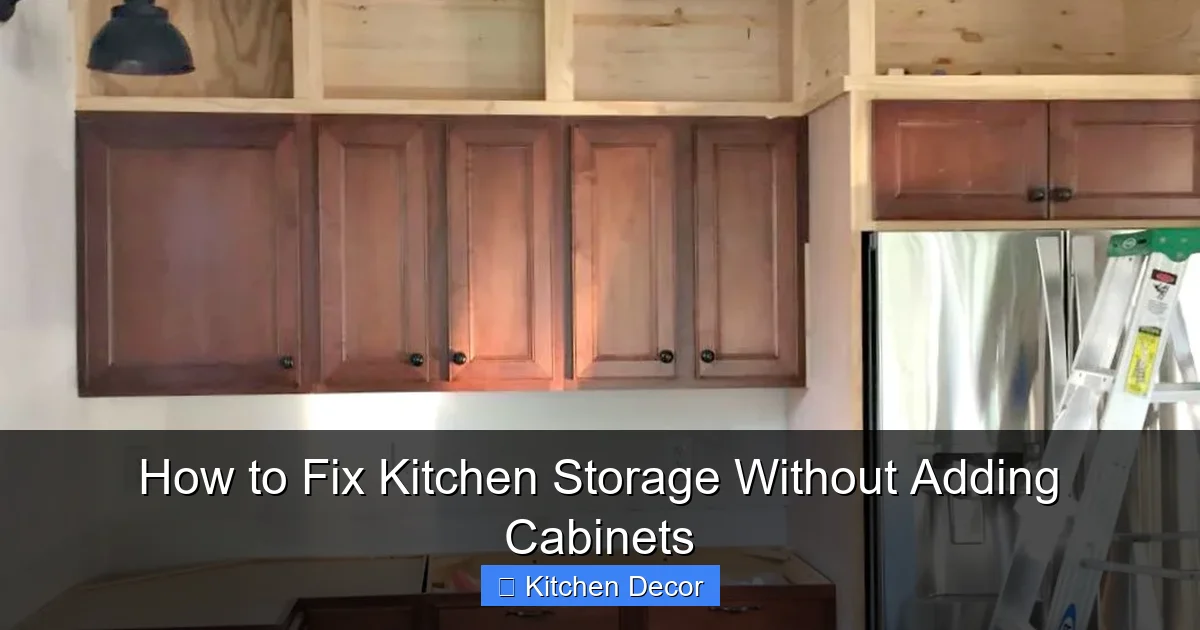
When floor and counter space are at a premium, look up! Your walls, and even your ceiling, offer untapped potential for additional kitchen storage. Utilizing vertical space is one of the most effective strategies for expanding your kitchen’s capacity without adding cabinets.
Visual guide about How to Fix Kitchen Storage Without Adding Cabinets
Image source: 2.bp.blogspot.com
Wall-Mounted Shelving: Open and Floating
Open shelving or floating shelves can transform a blank wall into functional and decorative kitchen storage. They are perfect for displaying often-used dishes, cookbooks, decorative items, or even small appliances. Make sure to install them securely and consider the weight they’ll hold.
- Floating Shelves: These offer a sleek, modern look. Choose materials that complement your kitchen decor, such as wood, metal, or glass.
- Open Shelving with Brackets: A more traditional approach, offering sturdy kitchen storage and a chance to add decorative brackets.
- Corner Shelves: Don’t overlook corners! Small corner shelves can be great for spices, mugs, or decorative accents.
Pegboards and Slatwalls
These versatile systems are fantastic for hanging everything from pots and pans to utensils, measuring cups, and even small baskets for spices. They offer incredible flexibility because you can rearrange the hooks and accessories as your kitchen storage needs change.
- Pegboards: Affordable and easy to install, pegboards can be painted to match your kitchen. They’re excellent for organizing oddly shaped items that don’t fit well in drawers or cabinets.
- Slatwalls: A more robust option, slatwalls use specialized channels and accessories for heavier items and a cleaner look.
Pot Racks: Ceiling and Wall-Mounted
If you have a collection of pots and pans, a pot rack is a game-changer. It frees up valuable cabinet space and keeps your cookware easily accessible.
- Ceiling-Mounted Pot Racks: Ideal for kitchens with high ceilings or an island. They create a focal point and provide substantial kitchen storage for heavy items.
- Wall-Mounted Pot Racks: A great option for smaller kitchens, these racks can be installed on an unused wall space, often above the stove or a prep area.
Magnetic Knife Strips
Free up precious drawer space and keep your knives safely and conveniently accessible. A magnetic knife strip is a sleek and practical kitchen storage solution that mounts directly to your wall.
Step 3: Utilize Underrated and Overlooked Areas
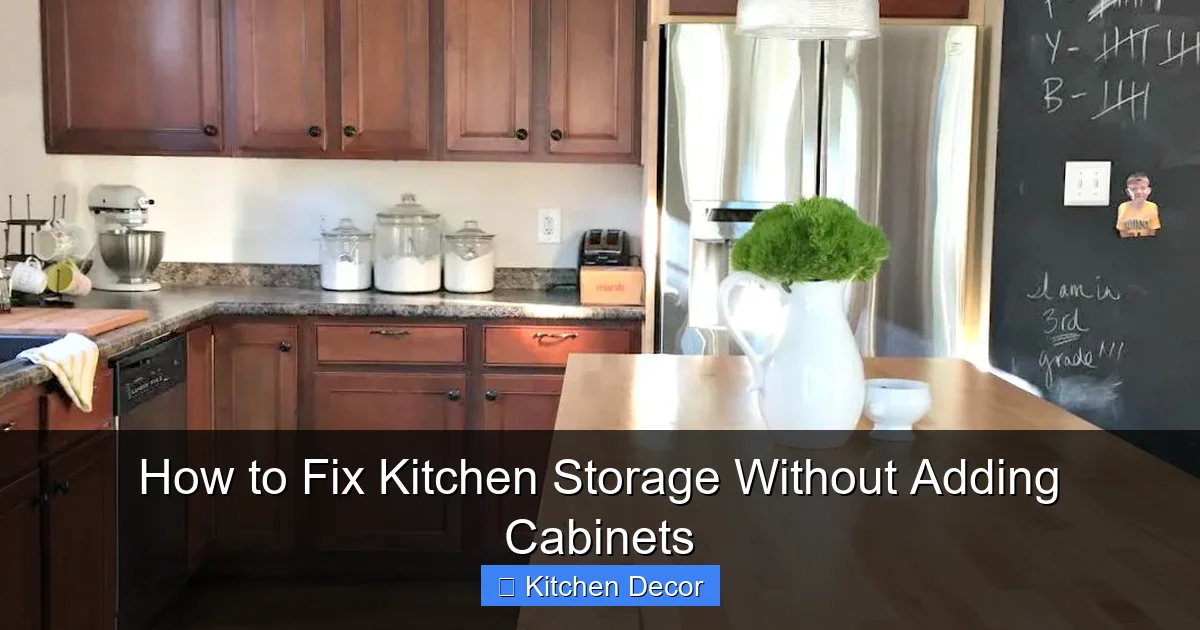
Every kitchen has hidden potential. Many nooks and crannies that seem too small or awkward can be transformed into valuable kitchen storage with the right approach. Thinking outside the box (or cabinet, in this case!) will unlock surprising capacity.
Visual guide about How to Fix Kitchen Storage Without Adding Cabinets
Image source: 4.bp.blogspot.com
Back of Cabinet Doors
The inside of your cabinet doors is prime real estate for slim items. Don’t let this space go to waste!
- Spice Racks: Shallow racks or clear plastic bins mounted to the inside of a pantry door can keep all your spices organized and visible.
- Hooks for Measuring Cups/Spoons: Small adhesive hooks can hold these items, freeing up drawer space.
- Aluminum Foil/Plastic Wrap Organizers: Slim wire racks or dispensers can be mounted to hold rolls of wraps, keeping them tidy and accessible.
- Towel Bars: A small towel bar on the inside of a sink cabinet door is perfect for hanging dish towels or spray bottles.
Space Above Refrigerator and Pantry
Often, there’s an awkward gap between the top of your refrigerator or pantry and the ceiling. This area is perfect for storing less frequently used items.
- Decorative Bins or Baskets: Use attractive bins or baskets to hold seasonal kitchenware (e.g., holiday dishes), extra paper towels, or bulk pantry items. Ensure they are easy to lift down and not too heavy.
- Trays for Large Platters: If the space is wide enough, use decorative trays to store large serving platters or rarely used special occasion dishes.
Under-Sink Solutions
The under-sink cabinet is notorious for being a chaotic mess of cleaning supplies. It’s often hampered by plumbing, but clever organizers can tame the chaos.
- Pull-Out Drawers or Bins: U-shaped organizers are specifically designed to fit around plumbing pipes, making the back of the cabinet accessible.
- Stackable Containers: Use clear, stackable bins to separate cleaning products, sponges, and dish soap.
- Tension Rods: Install a tension rod across the top of the cabinet to hang spray bottles by their nozzles, keeping the bottom clear. This is a brilliant, inexpensive kitchen storage hack.
Side of Cabinets and Appliances
The sides of your refrigerator or the ends of your cabinet runs can become surprisingly useful for extra kitchen storage.
- Magnetic Organizers: For the side of your fridge, magnetic spice racks, paper towel holders, or small utility bins can add instant kitchen storage.
- Narrow Shelving Units: Very slim, freestanding shelving units can slide into tight gaps between cabinets and the wall, or between appliances, perfect for canned goods, spices, or cookbooks.
- Hooks: Adhesive hooks on the side of a cabinet can hold oven mitts, aprons, or small bags.
Step 4: Smart Countertop and Pantry Solutions
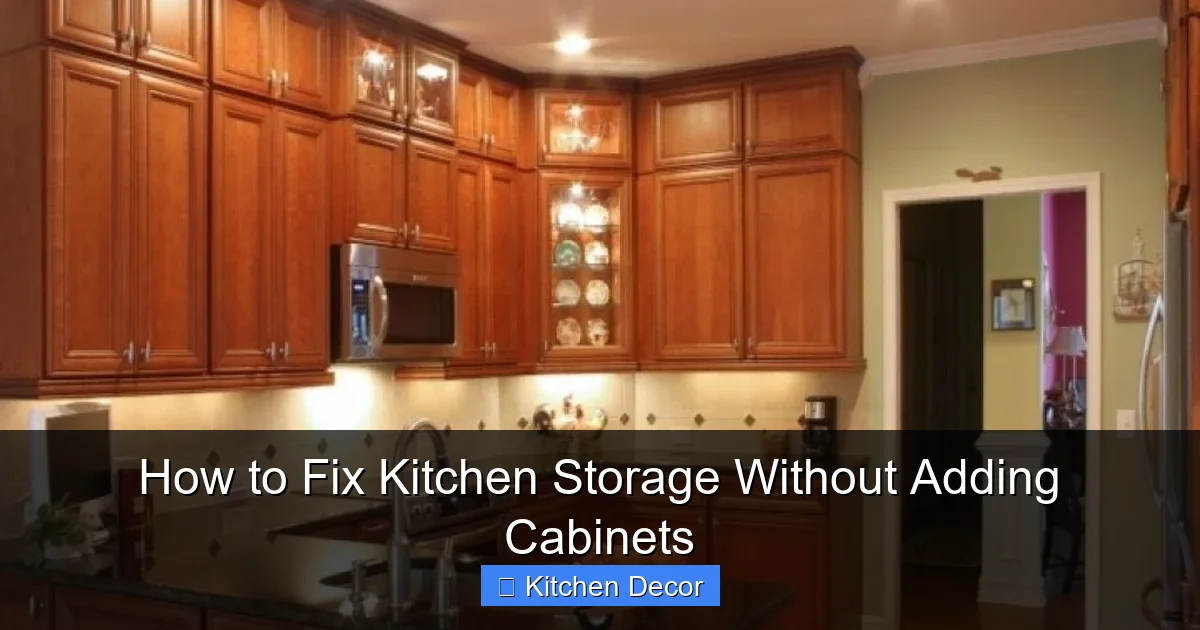
While the goal is to free up counter space, some items need to be readily accessible. The key is to organize them efficiently and beautifully, and to optimize your pantry (if you have one) without adding fixed structures. These solutions focus on making the most of your existing surfaces and dedicated food storage areas for better kitchen storage.
Visual guide about How to Fix Kitchen Storage Without Adding Cabinets
Image source: i.pinimg.com
Tiered Organizers and Risers
These simple tools elevate items, allowing you to see and access everything at a glance without having to dig. They’re fantastic for pantry shelves and countertops.
- Tiered Spice Racks: Perfect for keeping spices visible and tidy, whether on a counter or inside a pantry cabinet.
- Corner Shelves/Risers: Utilize awkward corner spaces on your counter for small appliances, fruit bowls, or frequently used condiments.
- Stackable Bins: For produce, snacks, or even small appliances, stackable bins help utilize vertical space on shelves or countertops without looking messy.
Canisters and Jars for Uniformity and Visibility
Storing dry goods like flour, sugar, pasta, and snacks in airtight, uniform canisters not only keeps food fresh but also creates a visually appealing and organized look. This instantly upgrades your kitchen storage aesthetics.
- Matching Sets: Choose clear canisters in various sizes. This allows you to see contents at a glance and makes your pantry or open shelves look cohesive.
- Labeling: Clearly label everything. This is especially important for similar-looking items like different types of flour or sugar.
Lazy Susans (Turntables)
A classic for a reason! Lazy Susans are ideal for corner cabinets, deep pantries, or even on countertops. They bring items from the back of the space to the front with a simple spin, eliminating lost items and maximizing accessibility. They are excellent for spices, oils, condiments, or even cleaning supplies under the sink, greatly improving kitchen storage retrieval.
Freestanding Pantry Units or Utility Carts
If you truly lack a dedicated pantry, or need more space, consider a freestanding unit that doesn’t require installation. These are essentially pieces of furniture that offer significant kitchen storage.
- Baker’s Racks: These open shelving units often include a workspace and hooks, perfect for small appliances, cookbooks, and cookware.
- Slim Pantry Cabinets: Some narrow, tall cabinets are designed to be freestanding. They can fit into small spaces and offer enclosed storage.
- Rolling Utility Carts: Versatile and portable, these carts can hold extra dishes, food items, or even serve as a mobile coffee station. More on these in the next step!
Step 5: Mobile and Multifunctional Storage Solutions
Flexibility is key in a small kitchen. Incorporating pieces that can move, serve multiple purposes, or disappear when not needed significantly enhances your kitchen storage capabilities without adding permanent fixtures.
Kitchen Carts/Islands on Wheels
A rolling kitchen cart or island is one of the most versatile kitchen storage solutions you can invest in. It offers extra counter space when you need it, and can be wheeled away when you don’t. Many come with shelves, drawers, or even built-in cutting boards.
- Prep Station: Use it for chopping vegetables or assembling meals, then tuck it away.
- Serving Cart: Perfect for entertaining, moving food and drinks from the kitchen to the dining area.
- Extra Storage: Store frequently used items like mixing bowls, small appliances, or cookbooks on its shelves. This adds valuable, flexible kitchen storage.
Ottoman or Bench with Storage
If your kitchen has an eat-in area or connects to another room, consider seating that doubles as storage. An ottoman with a removable lid or a bench with built-in compartments can store less frequently used kitchen items like bulk paper towels, party supplies, or even small appliances you don’t want on display.
Foldable Tables or Desks
For truly tiny kitchens, a wall-mounted foldable table can provide extra prep or dining space when needed and fold flat against the wall when not in use. This isn’t direct kitchen storage, but it alleviates the need for a permanent table taking up space, thus freeing up the perception of kitchen storage.
Step 6: Smart Drawer and Cabinet Organizers
Even with decluttering and vertical solutions, your existing drawers and cabinets are the workhorses of your kitchen storage. Optimizing their internal layout with smart organizers can make a dramatic difference in functionality and accessibility.
Drawer Dividers and Inserts
These are fundamental for keeping drawers tidy. They come in various materials (bamboo, plastic, metal) and configurations.
- Adjustable Dividers: Perfect for customizing a drawer to fit various items, from cutlery to utensils, foil rolls, or even small tools.
- Pre-made Inserts: Choose inserts designed for specific items, like knife blocks that fit inside a drawer, or tiered spice drawer inserts.
Pull-Out Organizers
For deep cabinets, especially those under the counter, pull-out shelves or bins are invaluable. They eliminate the need to get on your hands and knees to reach items at the back.
- Roll-Out Shelves: Install these in lower cabinets for pots, pans, cleaning supplies, or pantry items. They make accessing everything effortless and double your usable kitchen storage.
- Pull-Out Trash Bins: Hide your recycling and trash bins inside a cabinet, freeing up floor space and improving hygiene.
Plate Racks and Lid Organizers
These specialized organizers tackle common kitchen storage headaches.
- Plate Racks: Keep plates upright in a cabinet, making them easier to grab without having to unstack a whole pile. This also protects delicate edges.
- Pot Lid Organizers: These mount to the inside of cabinet doors or stand freely in cabinets, keeping those notoriously unruly pot lids in a neat, accessible row.
- Expandable Pan Organizers: Keep your frying pans, saucepans, and even baking sheets neatly separated and accessible in your cabinets.
Troubleshooting: Still Feeling Cluttered?
Even after implementing many of these tips, some kitchens just feel perpetually full. Here are a few extra considerations:
- Re-evaluate the “One In, One Out” Rule: For every new item you bring into your kitchen, commit to removing one existing item. This prevents new clutter from accumulating.
- Consider a “Command Center”: Sometimes, non-kitchen items like mail, keys, or school papers land on the kitchen counter. Create a dedicated spot for these just outside the kitchen to prevent them from taking up valuable surface area.
- Go Digital with Cookbooks: If cookbooks are taking up too much space, consider using digital versions or keeping only your absolute favorites.
- Rotate Seasonal Items: If you have holiday dishes or infrequently used large serving pieces, store them in another part of your home (e.g., garage, basement, linen closet) and bring them out only when needed. This frees up prime kitchen storage.
- Limited Wall Space? Focus heavily on under-cabinet organizers, drawer inserts, and mobile solutions. Small floating shelves or magnetic strips might still fit in unexpected spots.
- Renting? Use non-damaging solutions like tension rods, adhesive hooks (Command strips), over-the-door organizers, and freestanding units. These offer fantastic kitchen storage without permanent alterations.
Conclusion
Fixing kitchen storage without adding cabinets might seem like a daunting task, but as you’ve seen, there are countless creative and practical solutions available. By taking the time to declutter, utilize every inch of vertical and overlooked space, and invest in smart organizing tools, you can transform your kitchen into a highly functional and enjoyable area.
Remember, an organized kitchen isn’t just about aesthetics; it’s about efficiency, reducing stress, and making your cooking and living experience much more pleasant. Start small, tackle one area at a time, and don’t be afraid to experiment to find what works best for your unique kitchen and lifestyle. Enjoy your newfound space and the joy of a beautifully organized home!