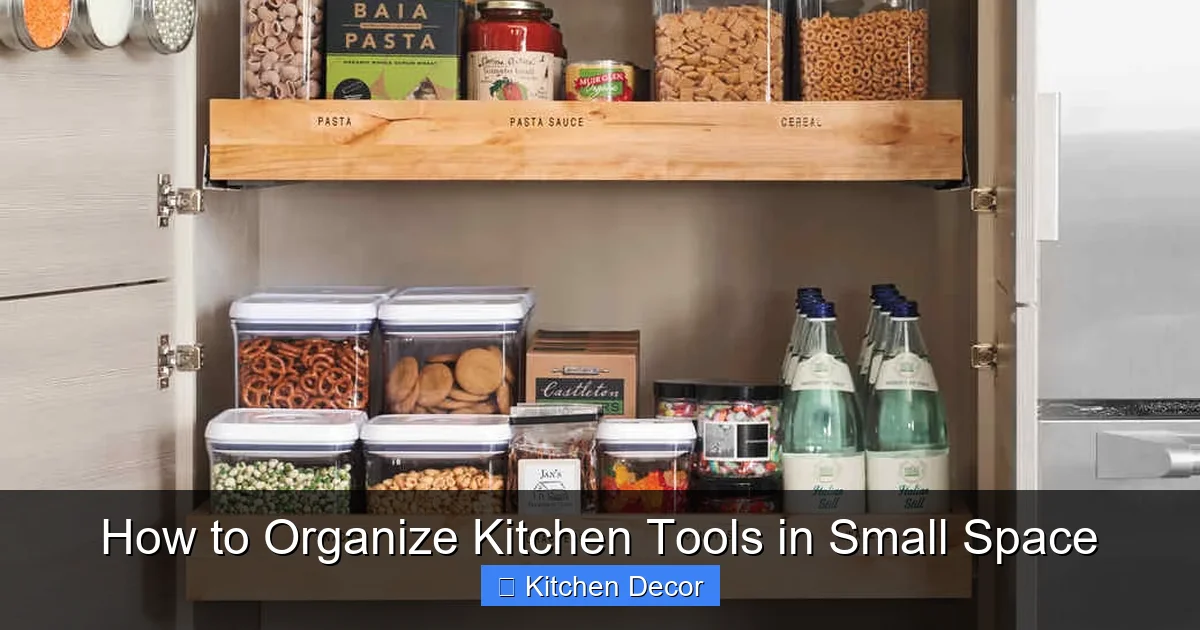
Living with a small kitchen doesn’t mean sacrificing organization or functionality. This guide offers practical strategies to organize kitchen tools in small space effectively. Discover how to declutter ruthlessly, maximize vertical storage, optimize drawer and cabinet interiors, and choose multi-functional items to create a tidy, efficient kitchen you’ll love, even if space is limited.
How to Organize Kitchen Tools in Small Space
Welcome to the ultimate guide on how to organize kitchen tools in small space! If you’re tired of rummaging through cluttered drawers, battling overflowing cabinets, or simply wish your compact kitchen felt more functional, you’re in the right place. Small kitchens present a unique challenge, but they also offer a fantastic opportunity to get creative with your storage solutions. With the right strategies, you can transform your tiny cooking area into an efficient, enjoyable, and surprisingly spacious hub.
This guide will walk you through a clear, step-by-step process. We’ll cover everything from decluttering to smart storage hacks, multi-functional tools, and even troubleshooting common issues. By the end, you’ll have a clear roadmap to successfully organize kitchen tools in your small space, making your kitchen a place you love to be. Let’s dive in and unlock the full potential of your compact kitchen!
Key Takeaways
- Declutter Ruthlessly: The first and most crucial step is to get rid of items you don’t use, need, or have duplicates of. Less clutter means more usable space.
- Maximize Vertical Storage: Look up! Walls, cabinet doors, and even the inside of your pantry door are prime real estate for shelves, pegboards, and hanging organizers.
- Optimize Drawer and Cabinet Interiors: Use dividers, pull-out shelves, and stackable inserts to make every inch inside your existing storage count and keep items from becoming a jumbled mess.
- Embrace Multi-Functional Tools: Invest in items that serve multiple purposes or are designed to nest and stack, drastically reducing the number of individual tools you need.
- Utilize Countertop Space Wisely: Keep only the most frequently used items on your counters, grouping them in stylish caddies to maintain an organized, clutter-free look.
- Think Beyond the Kitchen: If space is extremely limited, consider mobile carts or repurposing furniture in adjacent areas to store less-frequently used kitchen items.
- Maintain Regularly: Implement a “one in, one out” policy and conduct quick monthly tidies to prevent clutter from creeping back and ensure your system stays effective.
Step 1: Declutter and Downsize Ruthlessly
Before you buy a single organizer or reorganize anything, the most critical step is to declutter. This means getting rid of what you don’t need, don’t use, or simply have too much of. Trying to organize clutter is like trying to shovel smoke – it’s a never-ending, frustrating task. To truly organize kitchen tools in small space, you must lighten the load first.
The “Keep, Donate, Toss” Method
Start by taking everything out of your cabinets, drawers, and off your counters. Yes, everything! Lay it all out on your dining table or kitchen floor. This might seem overwhelming, but seeing everything laid out helps you visualize what you truly own.
Now, go through each item and place it into one of three piles:
- Keep: These are items you use frequently, love, or absolutely need. Be honest with yourself. Do you use that specialty gadget more than once a year?
- Donate/Sell: These are items that are still in good condition but you no longer use or need. Think about small appliances, extra sets of dishes, or rarely used bakeware. Someone else could make great use of them!
- Toss/Recycle: These are broken items, expired food, or anything that’s seen better days and isn’t worth keeping or donating.
Evaluate Duplicates and Seldom-Used Items
One of the biggest culprits of kitchen clutter, especially when you need to organize kitchen tools in small space, is having too many duplicates or items used only once a year.
- Duplicates: Do you really need three spatulas, two can openers, or four sets of measuring spoons? Keep your favorite and donate the rest.
- Seldom-Used Items: Be realistic about how often you use certain items. That bread maker you bought years ago? The fondue set gathering dust? If you haven’t used it in the last year, seriously consider letting it go. If it’s something truly special for holidays, maybe store it outside the kitchen if space allows.
Remember, the goal here is to keep only the essentials, the most functional items, and the tools that bring you joy. Less stuff means less to organize, and more usable space in your small kitchen.
Step 2: Maximize Vertical Space
When you need to organize kitchen tools in small space, the only way to go is up! Walls, cabinet doors, and even the sides of your refrigerator can become valuable storage areas. This strategy is a game-changer for reclaiming precious counter and drawer space.
Wall-Mounted Solutions (Pegboards, Magnetic Strips, Shelves)
- Pegboards: A pegboard is incredibly versatile. You can hang pots, pans, utensils, measuring cups, and even small baskets for spices. It’s customizable, allowing you to move hooks and shelves as your needs change. Paint it to match your decor for a stylish touch.
- Magnetic Knife Strips: These are fantastic for freeing up drawer space where knives usually live. A magnetic strip keeps your knives safely stored, visible, and easily accessible on the wall, adding a professional look to your kitchen. They can also hold other magnetic metal items like small scissors or bottle openers.
- Floating Shelves: Install narrow floating shelves for items like spice jars, cookbooks, or decorative pieces. These add visual interest and practical storage without taking up floor space.
- Rail Systems with Hooks: Similar to magnetic strips but for non-magnetic items. Install a simple rail and use S-hooks to hang frequently used utensils, oven mitts, or even small pots and pans.
Over-the-Door Organizers
Don’t forget the back of your pantry door or even the main kitchen door!
- Over-the-Pantry-Door Organizers: These often come with multiple baskets or pockets, perfect for spices, small boxes of wraps (foil, plastic), cleaning supplies, or even lightweight snacks.
- Over-the-Cabinet-Door Organizers: Smaller versions can be hung inside cabinet doors for cutting boards, pot lids, or dish towels.
Tiered Shelving Inserts
These simple yet effective organizers allow you to utilize the full height of your cabinet shelves.
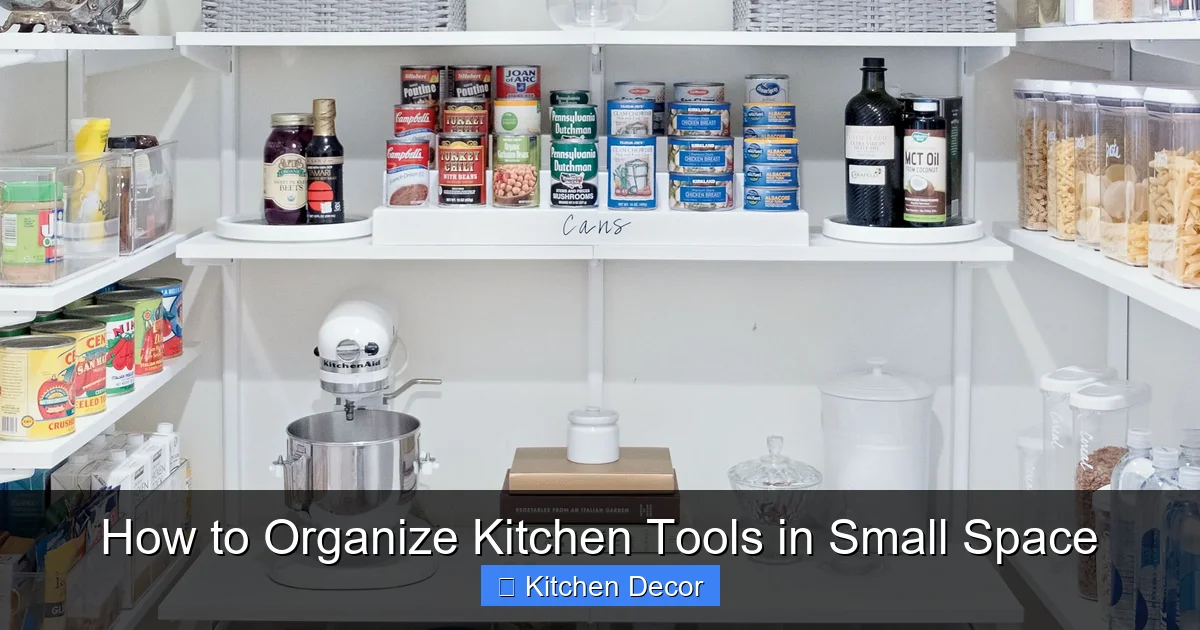
- Tiered Inserts: Create multiple levels within one shelf. This is perfect for dishes, bowls, or even canned goods, making it easier to see and access items without stacking them precariously.
- Corner Shelves: Maximize those awkward corner cabinets by adding a corner shelf insert, providing extra surface area for plates or small appliances.
Step 3: Optimize Drawer and Cabinet Interiors
Once your vertical space is humming, it’s time to tackle the insides of your drawers and cabinets. This is where many kitchens, especially small ones, lose their battle against clutter. Smart internal organization is key to keep everything tidy and accessible.
Drawer Dividers and Organizers
Messy drawers are a common frustration. To organize kitchen tools in small space effectively, especially in drawers, dividers are your best friend.
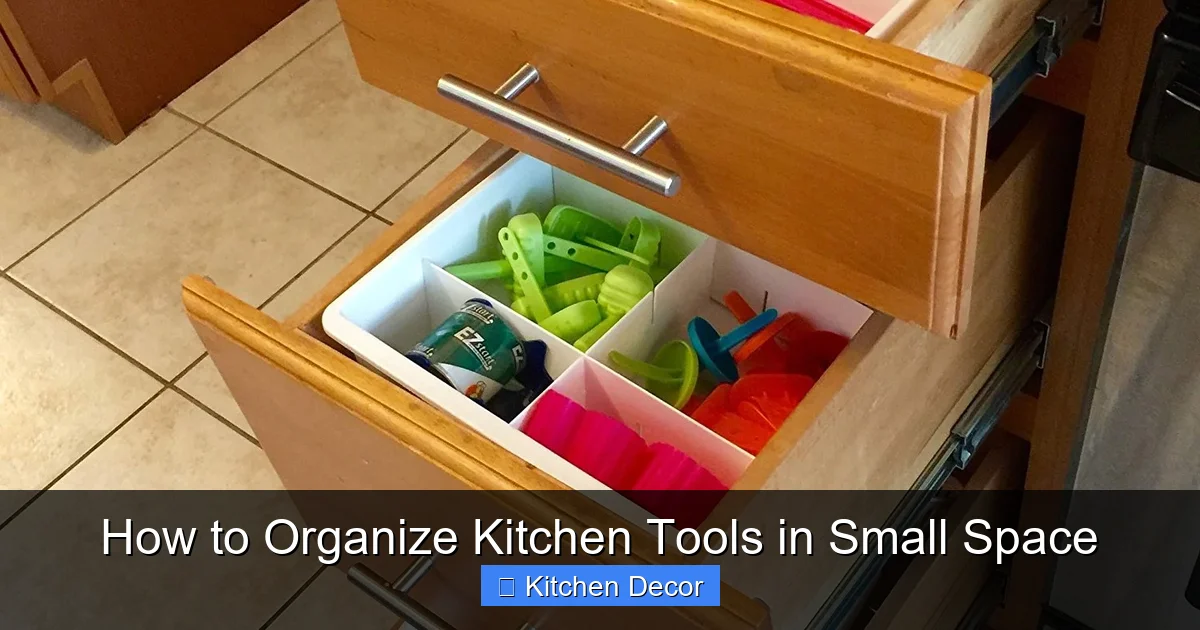
- Adjustable Drawer Dividers: These allow you to create custom compartments for different tools. No more tangled whisks and spatulas!
- Built-In Utensil Trays: Classic trays with pre-defined slots for forks, knives, and spoons are a must. Look for expandable ones that fit your drawer perfectly.
- Small Bins and Containers: For smaller items like cookie cutters, bag clips, or bottle openers, use small, non-slip bins within a drawer. Group similar items together.
- Vertical Drawer Storage: For items like lids or baking sheets, consider installing drawer dividers that allow you to store them vertically, maximizing space and preventing avalanches.
Cabinet Pull-Outs and Lazy Susans
These solutions make the back of deep cabinets easily accessible, preventing items from getting lost.
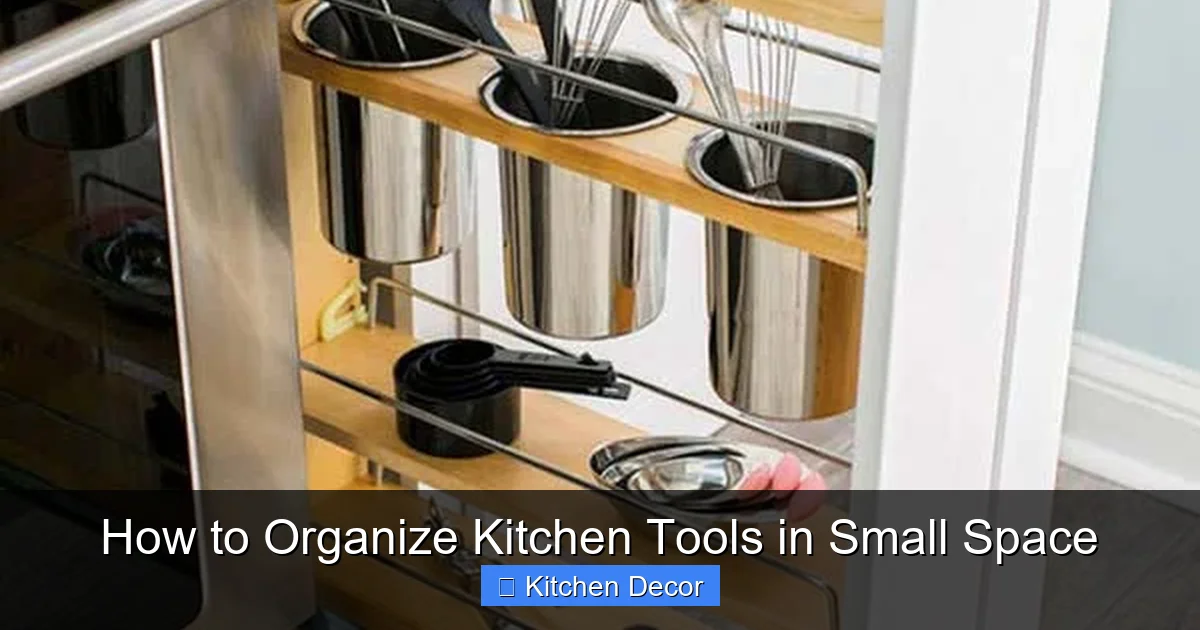
- Pull-Out Shelves/Drawers: Install these in lower cabinets for pots, pans, and small appliances. They allow you to pull out the entire contents, making selection simple and saving your back.
- Lazy Susans (Turntables): Ideal for corner cabinets or pantries, Lazy Susans are perfect for spices, oils, condiments, or even cleaning supplies. A quick spin brings everything within reach.
Under-Shelf Baskets and Hooks
Don’t let the space underneath your shelves go to waste.
- Under-Shelf Baskets: These wire baskets simply slide onto a shelf, creating an instant extra shelf below. They are great for storing lightweight items like foil, plastic wrap, dish towels, or even snacks.
- Adhesive Hooks: Attach these to the underside of shelves for hanging coffee mugs, small utensils, or even frequently used kitchen tools that you want to keep handy but out of sight.
Door-Mounted Organizers (Cabinet Doors)
Just like pantry doors, the inside of your cabinet doors offers prime real estate.
- Spice Racks: Narrow racks can be mounted to the inside of cabinet doors, keeping spices visible and freeing up shelf space.
- Cutting Board Holders: Simple wire or plastic holders can be screwed to the inside of a cabinet door, keeping cutting boards neatly stored and easily accessible.
- Pot Lid Organizers: Similar to cutting board holders, these are designed to hold pot lids vertically, preventing them from scattering every time you open the cabinet.
Step 4: Embrace Multi-Functional and Compact Tools
When you need to organize kitchen tools in small space, every item you own should earn its spot. Investing in tools that serve multiple purposes or are designed to be compact is a smart move.
Investing in Space-Saving Gadgets
The market is full of clever tools designed with small kitchens in mind.
- Multi-Use Utensils: Look for a spatula that’s also a spoon, or a whisk that flattens. A “spurtle” is a great example of a multi-purpose wooden tool.
- Collapsible Items: Consider collapsible colanders, measuring cups, and even food storage containers. They take up significantly less space when not in use.
- Stackable Measuring Cups/Spoons: Instead of loose sets, opt for ones that nest neatly together.
- Mini Food Processors/Choppers: If you don’t cook for large crowds, a compact version of these appliances can save a lot of cabinet space compared to their full-sized counterparts.
Nesting and Stackable Cookware
Pots and pans can be some of the biggest space hogs in a small kitchen.
- Nesting Pot Sets: Many cookware brands offer sets where pots and pans are designed to fit perfectly inside one another, often with detachable handles. This can drastically reduce the footprint of your cookware.
- Stackable Mixing Bowls: A set of bowls that stack neatly inside each other is a fundamental space-saver.
- Flat Lids: If possible, choose cookware with flat lids rather than domed ones, as they stack more efficiently.
Before buying a new tool, ask yourself: “Can an existing tool do this job?” or “Is there a compact, multi-functional version available?” This mindful approach helps to organize kitchen tools in small space by preventing unnecessary additions.
Step 5: Utilize Countertop Space Wisely
Countertop space is often the most coveted and quickly cluttered area in a small kitchen. The key here is discretion. Not everything needs to be out, and what is out should be both functional and aesthetically pleasing.
Grouping Essentials in Stylish Caddies
Resist the urge to have individual items scattered across your counter.
- Utensil Crocks: Keep your most frequently used cooking utensils (spatulas, ladles, whisks) in a stylish crock near your stove. This keeps them handy and frees up drawer space.
- Oil and Vinegar Dispensers: If you use these daily, choose attractive dispensers and group them on a small tray or in a caddy to keep them tidy.
- Coffee Station: If you have a coffee maker, consolidate all coffee-related items (mugs, sugar, stirrers) onto a small tray next to it.
The goal is to gather items that belong together into a single, easy-to-move unit. This makes cleaning easier and maintains a clean, organized look.
Avoiding Clutter with a “Less is More” Approach
For a small kitchen, less really is more on the countertops.
- Only Keep Daily Essentials: Beyond your grouped items, try to keep only truly daily essentials out. This might be your toaster or coffee maker. Everything else should be put away after use.
- Clear Surfaces After Each Use: Develop the habit of wiping down and clearing your counters after every cooking session. This prevents accumulation and keeps your kitchen feeling fresh.
Corner Organizers
Don’t underestimate the power of corner spaces on your counter.
- Corner Shelves/Caddies: A small, multi-tiered corner shelf can hold spices, condiments, or even small recipe cards, making use of an otherwise awkward space.
Step 6: Think Outside the Kitchen (If Necessary)
Sometimes, even after decluttering and maximizing every inch, a small kitchen simply can’t hold everything. This is when you need to get creative and think about adjacent spaces.
Mobile Carts and Islands
A rolling cart or a small, mobile island can be a lifesaver.
- Extra Counter Space: It provides additional prep space when needed.
- Portable Storage: Many carts have shelves or drawers, perfect for storing small appliances (mixer, blender), extra dishes, or even ingredients.
- Flexibility: When not in use, it can be rolled into a corner or even an adjacent room, keeping your kitchen clear.
Repurposing Other Furniture
If you have an open-concept living area or a nearby dining space, consider these options:
- Bookcases: A slim bookcase can store cookbooks, decorative bowls, or even less-frequently used serving dishes.
- Sideboards/Buffets: These pieces of furniture can offer significant storage for entertaining essentials, linens, or holiday-specific kitchen tools that don’t need to be in the main kitchen all the time.
- Wall-Mounted Cabinets/Shelves (Outside Kitchen): If you have an empty wall in a nearby hallway or dining area, consider installing a narrow cabinet or some floating shelves to house overflow items.
The goal is to alleviate pressure on your main kitchen storage, allowing you to organize kitchen tools in small space more effectively where they truly belong.
Step 7: Implement a “One In, One Out” Policy & Regular Maintenance
Organizing isn’t a one-time event; it’s an ongoing process. To ensure your small kitchen stays tidy and functional, a little routine maintenance goes a long way.
Maintaining Order
Once you’ve meticulously organized your kitchen, the challenge is to keep it that way.
- A Place for Everything: Ensure every item has a designated home. When you use something, put it back in its exact spot.
- Empty Dishwasher Daily: A full dishwasher can quickly lead to counter clutter as clean dishes pile up. Empty it promptly.
- Daily Tidy-Up: Take five minutes each evening to put away any stray items, wipe down counters, and straighten up. This small habit prevents major clean-ups later.
Regular Purges
Clutter has a way of creeping back in.
- The “One In, One Out” Rule: When you buy a new kitchen tool, utensil, or even a mug, commit to getting rid of an old one. This prevents accumulation.
- Monthly Mini-Declutter: Set a recurring reminder to do a quick 15-minute check-in. Open drawers and cabinets, scan your counters, and identify anything that’s crept in or is no longer serving a purpose.
- Annual Deep Dive: Once a year, repeat Step 1 – take everything out and re-evaluate. Your needs might change, and a fresh perspective helps keep things optimized.
By staying on top of maintenance, you ensure that your efforts to organize kitchen tools in small space remain effective, and your kitchen continues to be a calm, functional area.
Troubleshooting Common Small Kitchen Challenges
Even with the best intentions, small kitchens can throw curveballs. Here are some solutions to common frustrations:
“I don’t have enough counter space!”
This is a classic small kitchen lament. The solution lies in maximizing vertical space (wall-mounted items, tiered shelves) and being incredibly strict about what lives on your counters. Only keep daily essentials in caddies. Consider a small, mobile island for extra prep space that can be moved out of the way. Prioritize putting appliances away after each use.
Visual guide about How to Organize Kitchen Tools in Small Space
Image source: thecottagemarket.com
Visual guide about How to Organize Kitchen Tools in Small Space
Image source: i.pinimg.com
Visual guide about How to Organize Kitchen Tools in Small Space
Image source: ideastand.com
“My drawers are a mess even with dividers.”
If dividers aren’t cutting it, you might have too many items, or the dividers aren’t the right type. Re-evaluate your decluttering (Step 1). Try adjustable dividers for a custom fit, or use smaller individual bins within drawers to contain very specific items. Sometimes, storing items vertically in drawers (like baking sheets or cutting boards) can create more usable space than horizontal stacking.
“My pots and pans take up too much room.”
This is where nesting cookware (Step 4) becomes invaluable. If new cookware isn’t in the budget, try pan organizers for cabinets that hold them vertically, or install hooks on a wall or a ceiling rack if space allows. Using over-the-cabinet-door organizers for lids also helps free up significant space.
“How do I store small gadgets?”
Small gadgets like can openers, bottle openers, measuring spoons, and vegetable peelers are notorious for getting lost. Use small drawer bins to group them by type (e.g., all measuring tools together). For frequently used items, a magnetic strip can hold metal gadgets, or a utensil crock (Step 5) can house them with larger tools.
Conclusion
Organizing kitchen tools in small space might seem daunting at first, but by following these steps, you can create a kitchen that is both functional and a joy to use. Remember, it’s not about magic, but about thoughtful decluttering, creative storage solutions, and consistent maintenance.
Start small, celebrate your progress, and be patient with yourself. With each step, you’ll uncover more space, reduce stress, and gain a sense of control over your kitchen. Your small kitchen has immense potential—it just needs a little strategic love to shine. Happy organizing!