Does your small kitchen feel cluttered and overwhelming? This guide reveals the common reasons behind the chaos, from excessive items to inefficient storage, and provides actionable steps to reclaim your space. Learn to declutter ruthlessly, implement smart storage solutions, and maintain a visually calm environment, transforming your kitchen into a functional and enjoyable area.
Why Does My Small Kitchen Feel Cluttered
Ah, the small kitchen. It’s often the heart of the home, a place for cooking, gathering, and sometimes, a frustrating source of stress. If you’ve ever walked into your kitchen and felt overwhelmed by the sheer amount of “stuff,” you’re not alone. Many people wonder, “Why does my small kitchen feel cluttered?” It’s a common complaint, especially in compact living spaces.
That feeling of chaos isn’t just an illusion. It usually points to underlying issues with how you’re using and organizing your space. A cluttered kitchen can make cooking a chore, limit your creativity, and even make your entire home feel more chaotic. But don’t despair! This comprehensive guide is here to help you understand the root causes of kitchen clutter and, more importantly, provide clear, step-by-step solutions to reclaim your space.
By the end of this guide, you will learn how to identify clutter hotspots, declutter like a pro, implement smart storage strategies, and maintain a functional, beautiful kitchen that you’ll love spending time in. Say goodbye to the frustrating question, “Why does my small kitchen feel cluttered?” and hello to a calm, organized cooking haven!
Key Takeaways
- Ruthless Decluttering is Key: The very first and most crucial step is to remove all unnecessary and unused items from your kitchen. Less stuff instantly makes your small kitchen feel less cluttered.
- Optimize Vertical and Hidden Spaces: Maximize storage by utilizing walls, the full height of your cabinets, backs of doors, and under-sink areas. Think upwards and inwards.
- Implement Smart Storage Solutions: Invest in organizers, drawer dividers, stackable shelves, and multi-functional items specifically designed to make the most of limited space.
- Master Countertop Clearance: Minimize the number of items left on your countertops. A clear surface instantly reduces visual clutter and makes your small kitchen feel more spacious.
- Establish Organization Systems: Assign a specific “home” for every single item. This prevents things from piling up and makes tidying easier.
- Focus on Visual Cohesion: Choose a consistent color palette, use matching containers, and minimize decorative items to create a visually calm and harmonious environment.
- Regular Maintenance is Essential: Implement daily and weekly tidying routines, and adopt rules like “one-in, one-out” to prevent clutter from returning.
Understanding Why Your Small Kitchen Feels Cluttered
Before we dive into solutions, let’s explore the common culprits that make a small kitchen feel cluttered. Recognizing these issues is the first step toward fixing them.
Too Many Items for the Space
This is perhaps the most obvious reason why your small kitchen feels cluttered. Many of us accumulate kitchen gadgets, dishes, and pantry staples over time. We might inherit items, buy things on sale, or simply forget what we already own. Eventually, a small space can’t handle the volume of items, leading to overflows on countertops, overstuffed cabinets, and a general sense of overwhelm.
Lack of Defined Storage Solutions
Even if you don’t have an excessive amount of stuff, a lack of smart storage can make your small kitchen feel cluttered. If items don’t have a designated “home,” they end up sitting out. This leads to stacks of dishes, piles of mail, or collections of appliances hogging valuable counter space. Generic cabinets and drawers often don’t provide the specialized storage needed for diverse kitchen items.
Inefficient Organization Habits
Do you put things away immediately after using them? Do you regularly go through your pantry or refrigerator? Poor organizational habits contribute significantly to why your small kitchen feels cluttered. If items are just shoved into cabinets, or if groceries are haphazardly placed, it quickly turns into a messy, dysfunctional space.
Visual Clutter and Noise
Clutter isn’t just about physical items. Visual clutter can also make a small kitchen feel messy and cramped. This includes too many decorative items, mismatched containers, busy patterns, or a jumble of colors. Even if everything has a home, a visually chaotic environment can still make your small kitchen feel cluttered and overwhelming.
Poor Layout or Flow
Sometimes, the design of the kitchen itself can contribute to the problem. An inefficient layout might force you to store items in inconvenient places, leading to them being left out. If the “work triangle” (sink, stove, refrigerator) isn’t functional, tasks become harder, and mess builds up more easily. This can make your small kitchen feel cluttered simply because the space isn’t working for you.
Step 1: Declutter Like a Pro
The single most impactful step you can take to stop your small kitchen from feeling cluttered is to declutter. Be ruthless. Less stuff means more space and less visual noise.

Visual guide about Why Does My Small Kitchen Feel Cluttered
Image source: littlemedi.com
Empty Everything Out
This might sound daunting, but it’s crucial. Pick one area at a time – a single cabinet, a drawer, or a section of your pantry. For a truly transformative experience, empty *everything* out of your kitchen. Lay it all out on a table, the floor, or another room. Seeing everything you own in one place is incredibly eye-opening. This allows you to truly assess what you have and what you need.
Sort and Categorize
As you empty things out, immediately start sorting. Create categories. Common categories include:
- Keep: Items you use regularly (daily, weekly), items you love, and truly essential tools.
- Donate/Sell: Items in good condition that you no longer use, need, or love. This could be extra dishes, specialty gadgets, or duplicate items.
- Trash/Recycle: Broken items, expired food, worn-out utensils, or anything that can’t be donated.
- Relocate: Items that don’t belong in the kitchen (e.g., mail, keys, kids’ toys, office supplies).
Be honest with yourself. If you haven’t used a specific gadget in a year, chances are you don’t need it. If you have five spatulas, do you really need them all?
Make Tough Decisions
This is where many people get stuck. Here are some questions to ask yourself:
- “When was the last time I used this?” (If it’s been over a year, consider letting it go.)
- “Do I have another item that does the same job?” (Look for duplicates.)
- “Does this item bring me joy or simplify my life?” (Inspired by Marie Kondo, but adapt it to your functional space.)
- “Is this broken or expired?” (Trash it immediately.)
- “Do I have space for this?” (Especially important in a small kitchen. If it doesn’t fit, it must go or find a new home.)
Remember, the goal is to have a functional kitchen, not a museum of unused gadgets. Removing excess items is the number one way to combat the feeling of “why does my small kitchen feel cluttered.”
Step 2: Maximize Every Inch with Smart Storage
Once you’ve decluttered, it’s time to put things back in a smarter way. In a small kitchen, every inch counts. Creative storage solutions are key to ensuring your small kitchen doesn’t feel cluttered again.
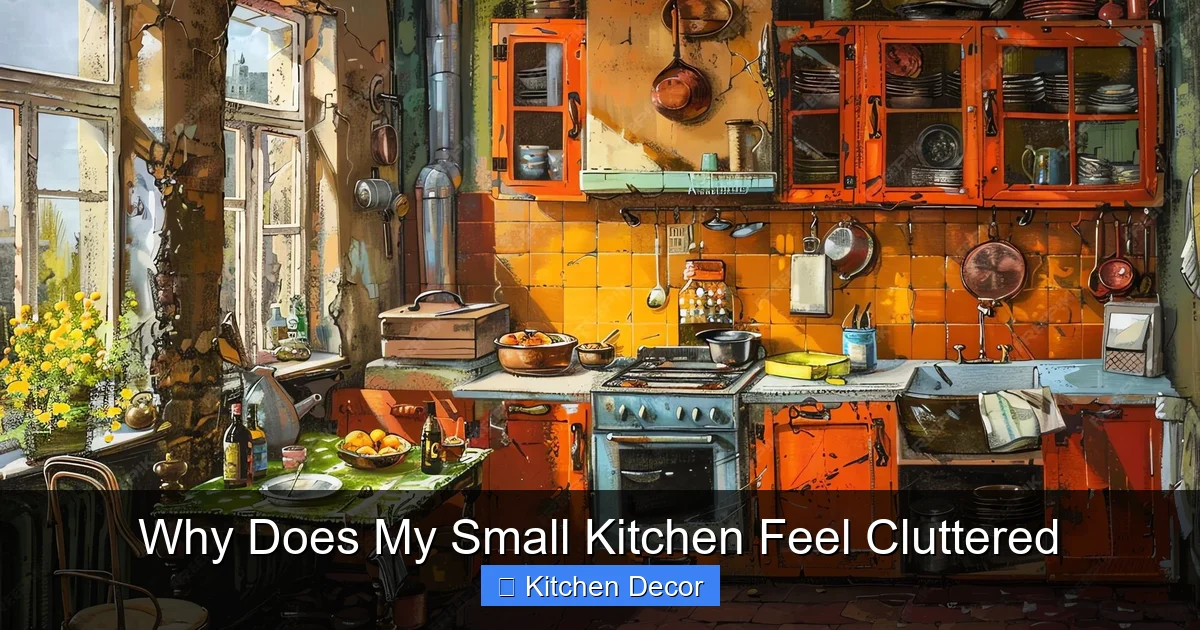
Visual guide about Why Does My Small Kitchen Feel Cluttered
Image source: img.freepik.com
Go Vertical
Think upwards! Walls and the full height of your cabinets offer valuable untapped storage. This strategy is essential for making a small kitchen feel less cluttered.
- Stackable Shelves: Add extra shelves inside your cabinets to create more layers for plates, bowls, or cans.
- Cabinet Risers: Use risers to create two levels for mugs or small dishes, instantly doubling storage in some areas.
- Pull-Out Organizers: For deep lower cabinets, pull-out shelves or baskets prevent items from getting lost in the back.
Optimize Cabinet and Drawer Interiors
Simply putting items back isn’t enough. You need systems inside your existing storage.
- Drawer Dividers: These are a game-changer for cutlery, utensils, and even foils/wraps. They prevent items from shifting and becoming a jumbled mess.
- Spice Racks: Use tiered spice racks inside cabinets or on a pantry door. This keeps spices organized and visible, preventing them from scattering.
- Pot and Pan Organizers: Vertical racks for pot lids or adjustable dividers for pans make them much easier to access without creating a clatter.
- Under-Shelf Baskets: Attach these to existing shelves to create instant extra storage for smaller items like dish towels or snacks.
Utilize Wall Space
Walls are prime real estate in a small kitchen. This is a powerful way to make your small kitchen feel less cluttered by getting things off the counter.
- Pegboards: A versatile solution for hanging pots, pans, utensils, and even small shelves. You can customize it endlessly.
- Magnetic Knife Strips: Frees up drawer space and keeps knives safely and accessibly stored.
- Open Shelving: While this can contribute to visual clutter if not curated, a few well-placed open shelves for attractive dishes or frequently used items can be very practical. Just don’t overload them.
- Wall-Mounted Organizers: Hooks for mugs, small baskets for produce (like onions or garlic), or even wall-mounted paper towel holders.
Don’t Forget Doors and Under-Sink Areas
These often-overlooked spots can provide surprising amounts of storage.
- Over-the-Cabinet Door Organizers: Great for cutting boards, cleaning supplies, or even rolls of foil and plastic wrap.
- Under-Sink Storage: Use stackable bins, small drawers, or caddies to organize cleaning supplies. A tension rod can hold spray bottles.
Embrace Multi-Functional Items
When space is tight, every item should earn its place. Look for things that serve more than one purpose.
- Cutting Board Over the Sink: Adds extra counter space when chopping.
- Nestling Bowls and Measuring Cups: Saves significant cabinet space.
- Storage Ottomans/Benches: If you have an eat-in kitchen area, furniture with hidden storage can be a lifesaver for less frequently used items or bulk pantry goods.
- Folding Tables or Carts: Can provide extra prep or serving space when needed and then fold away or tuck into a corner.
Step 3: Implement Lasting Organization Systems
Having smart storage is one thing, but maintaining order requires a system. This helps ensure your small kitchen doesn’t feel cluttered again shortly after you’ve cleaned it.
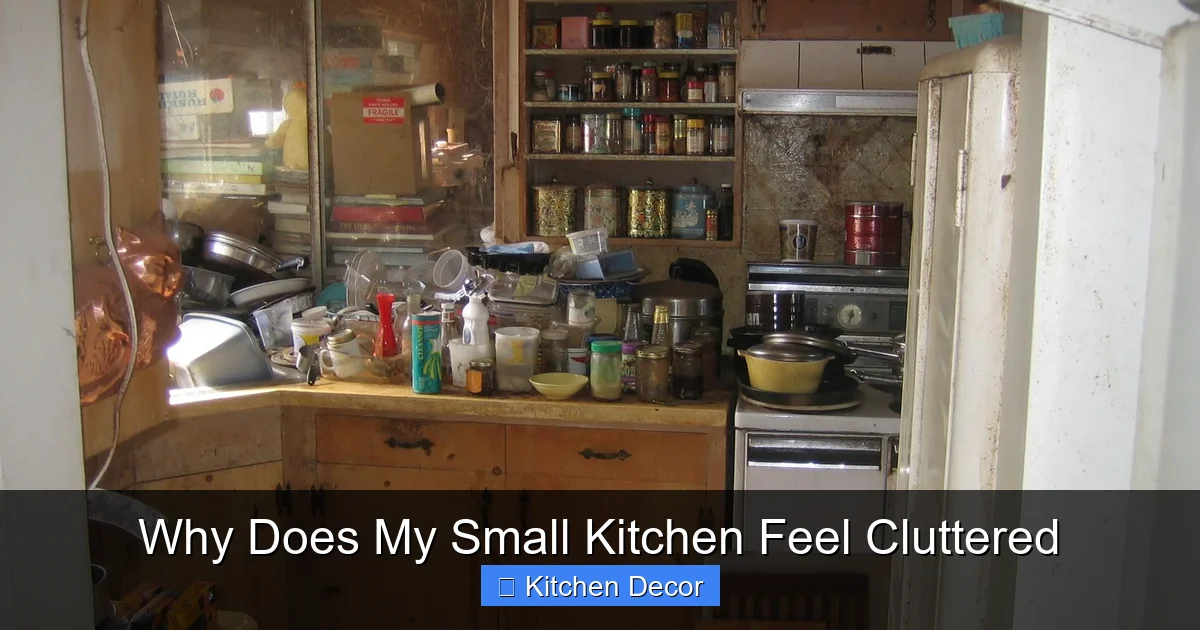
Visual guide about Why Does My Small Kitchen Feel Cluttered
Image source: i.pinimg.com
Zone Your Kitchen
Think about how you use your kitchen. Group similar items together and store them where they make the most sense. This creates “zones.”
- Prep Zone: Utensils, cutting boards, mixing bowls near your main prep area.
- Cooking Zone: Pots, pans, spices, cooking oils near the stove.
- Baking Zone: Baking sheets, measuring cups, flour, sugar in a dedicated area.
- Dishwashing Zone: Dish soap, sponges, dish rack near the sink.
- Pantry Zone: Food storage.
When everything has a logical home, it’s easier to find things and, more importantly, put them back immediately after use. This prevents items from piling up on your countertops and helps ensure your small kitchen doesn’t feel cluttered.
Containerize and Divide
Open spaces in cabinets and drawers quickly become messy. Containers, bins, and dividers are your best friends.
- Clear Containers for Pantry: Store pasta, rice, flour, sugar, and snacks in clear, airtight containers. This looks tidy, keeps food fresh, and allows you to see at a glance what you have.
- Matching Bins: Use matching bins for snacks, cleaning supplies, or miscellaneous items. Consistency in look reduces visual clutter.
- Drawer Organizers: Don’t just toss utensils in a drawer. Use organizers to keep forks with forks, spoons with spoons.
Labeling these containers and bins also helps everyone in the household know where things belong, making cleanup a breeze.
A Home for Everything
This is a golden rule of organization. Every single item in your kitchen should have a designated spot. If an item doesn’t have a home, it tends to float around, contributing to the “why does my small kitchen feel cluttered” problem. If you acquire a new item, immediately decide where it will live. If there’s no logical home, reconsider if you truly need that item.
Step 4: Conquer Visual Clutter
Physical clutter is only half the battle. Visual clutter can make even a perfectly organized small kitchen feel cluttered and overwhelming. Addressing this can dramatically improve the feeling of spaciousness.
Clear Those Countertops
This is arguably the most important tip for reducing visual clutter. Aim for as few items as possible on your countertops. Ideally, only items you use daily (like a coffee maker or toaster) should reside there. If your small kitchen feels cluttered, chances are your countertops are overloaded.
- Put away appliances: After use, store blenders, mixers, and other occasional appliances in a cabinet.
- Limit decorative items: One or two thoughtful pieces are fine, but too many trinkets add visual noise.
- Use vertical space: As mentioned before, get things off the counter by hanging them on walls or using magnetic strips.
A clear countertop instantly makes a small kitchen feel larger, cleaner, and more inviting.
Embrace Cohesive Aesthetics
Mismatched items contribute to visual clutter. While you don’t need to overhaul everything, consider:
- Consistent Color Palette: Stick to a limited color scheme for your towels, pot holders, and even smaller appliances. Neutrals and light colors tend to open up a space.
- Matching Storage: Using uniform containers, bins, or spice jars creates a much calmer look than a jumble of different brands and styles.
- Concealed Storage: Whenever possible, store things behind closed cabinet doors rather than on open shelves, especially if they are not aesthetically pleasing.
Mindful Decor
In a small kitchen, less is often more when it comes to decor. Each item should be intentional.
- Choose functionality over pure decoration: A beautiful fruit bowl that holds produce, or a stylish plant that purifies the air, serves a dual purpose.
- Scale matters: Opt for smaller, streamlined decor items rather than large, bulky pieces that can overwhelm the space.
- Reflective surfaces: A well-placed mirror (if it makes sense for your kitchen) or metallic accents can reflect light and make the space feel larger.
Step 5: Improve Kitchen Flow and Layout
Sometimes the issue isn’t just about how much stuff you have, but how the space itself is used. Optimizing your kitchen’s flow can alleviate the feeling of “why does my small kitchen feel cluttered.”
Assess Your Work Triangle
The “work triangle” connects your refrigerator, sink, and stove. These are your three main workstations. In an ideal kitchen, you should be able to move easily between them without obstacles. If items or furniture are blocking these paths, it creates friction and encourages clutter to build up where it shouldn’t.
- Clear pathways: Ensure there’s nothing obstructing your movement between these three points.
- Relocate items: If you find yourself constantly moving a trash can or a chair to get to the fridge, find a new spot for it.
Relocate Non-Kitchen Items
It’s easy for the kitchen to become a dumping ground for items that don’t belong there: mail, keys, backpacks, charging cords, craft supplies. These “stranger items” are a major reason why your small kitchen feels cluttered.
- Create a “landing strip”: Designate a spot near the entryway (not the kitchen) for keys, mail, and bags.
- Return items to their proper homes: Make it a habit to immediately put non-kitchen items back where they belong.
Streamline Small Appliances
While multi-functional items are great, having too many single-purpose small appliances can quickly make a small kitchen feel cluttered. Do you really need a panini maker, a waffle iron, and a sandwich maker?
- Store less-used appliances: Keep daily items like a coffee maker on the counter, but store blenders, toasters, and food processors in cabinets or a pantry.
- Consider appliance garages: If built into your kitchen design, these hide appliances behind a roll-up door, offering quick access while maintaining clear counters.
- Evaluate necessity: If an appliance is rarely used, consider if it’s worth the precious space it occupies. Maybe it’s time to donate it.
Maintaining a Clutter-Free Small Kitchen
You’ve put in the hard work to declutter and organize. Now, how do you keep your small kitchen from feeling cluttered again? Maintenance is key.
The “One-In, One-Out” Rule
This simple rule is incredibly effective. For every new item you bring into your kitchen (a new mug, a new gadget), one old item of the same type must leave. This prevents accumulation and ensures your kitchen’s capacity is never exceeded, so your small kitchen never feels cluttered again.
The Five-Minute Tidy
At the end of each day (or after each meal), take five minutes to do a quick tidy. Put away clean dishes, wipe down counters, and return items to their homes. This prevents small messes from snowballing into overwhelming clutter.
Adjust as Needs Change
Life changes, and so do our kitchen needs. Acknowledge that your kitchen organization might need occasional tweaking. If you notice a new clutter hotspot, reassess its purpose and find a new solution. Regularly (e.g., quarterly) review your pantry and cabinets for expired items or things you no longer use. This ongoing adjustment helps prevent your small kitchen from feeling cluttered over time.
Conclusion
Saying goodbye to the question “Why does my small kitchen feel cluttered?” is entirely achievable. It requires a combination of ruthless decluttering, clever storage solutions, disciplined organization, and mindful habits. Remember, your kitchen should be a place of joy and efficiency, not stress and chaos.
By following these steps, you’ll not only create a more functional and aesthetically pleasing space but also reduce stress and make cooking a more enjoyable experience. Start small, tackle one area at a time, and celebrate each victory. You’ll be amazed at how quickly your small kitchen transforms from a cluttered headache into a clean, inviting, and truly optimized heart of your home.