
Is your small kitchen feeling overwhelming and cluttered? It’s a common challenge! This guide will help you understand the root causes of kitchen clutter, from too many items to inefficient storage, and provide actionable steps to transform your space. Learn how to declutter ruthlessly, optimize storage, master countertop management, and maintain a tidy kitchen with simple routines, making your small kitchen feel spacious and functional again.
Do you ever walk into your small kitchen and immediately feel a wave of frustration? You glance at the overflowing counters, the stuffed cabinets, and the general disarray, and wonder, “Why does my small kitchen feel cluttered, no matter what I do?” You’re not alone! Many people with compact cooking spaces face this exact struggle. It’s easy to feel overwhelmed when every surface seems to be screaming for attention, and finding a simple spatula feels like a treasure hunt.
The good news is that a cluttered small kitchen isn’t a life sentence. It’s a problem with solutions, and often, it’s not about lacking space itself, but about how that space is being used. This comprehensive guide will help you understand the common culprits behind kitchen clutter, offer practical, step-by-step strategies to tackle it head-on, and give you the tools to maintain a beautifully organized and functional small kitchen. Get ready to reclaim your culinary haven!
Key Takeaways
- Identify Root Causes: Understand that clutter stems from having too many items, inefficient storage, lack of designated homes, or simply ‘countertop creep.’
- Embrace the Purge: The first crucial step is a ruthless decluttering process, emptying cabinets, sorting items, and letting go of seldom-used or duplicate kitchenware.
- Maximize Vertical Space: Small kitchens benefit immensely from utilizing wall space, shelves, and tiered organizers to store items upwards, freeing up valuable counter and cabinet real estate.
- Implement Smart Storage Solutions: Invest in drawer dividers, cabinet organizers, pull-out shelves, and under-sink solutions to make every inch of your kitchen work harder and more efficiently.
- Master Countertop Management: Adopt a “bare minimum” rule for countertops, keeping only essential, frequently used items out, and grouping them aesthetically to prevent visual clutter.
- Establish a Maintenance Routine: Regular, small tidy-ups are key to preventing clutter from accumulating again. Incorporate daily and weekly routines to keep your kitchen organized.
- Troubleshoot & Stay Persistent: Address common challenges like family clutter or feeling overwhelmed by breaking tasks into smaller steps and celebrating progress.
Understanding the Root Causes of Kitchen Clutter
Before we can fix the problem, we need to understand *why* your small kitchen feels cluttered in the first place. Pinpointing the causes can make the solution clearer and more effective.
Too Many Items for the Space
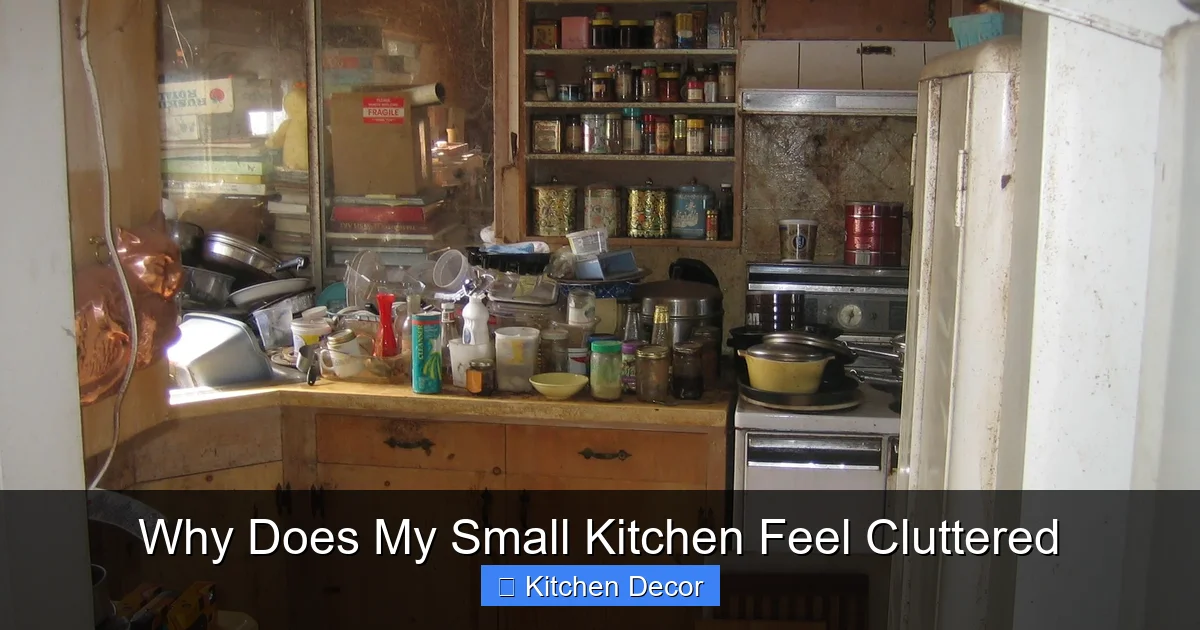
This is often the most obvious reason. We accumulate kitchen gadgets, dishes, and pantry items over time, often without a corresponding “out with the old” mentality. A small kitchen simply cannot accommodate the same volume of items as a large one. From specialty appliances to extra sets of dishes bought on sale, every item takes up precious real estate.
Lack of Designated Homes
When items don’t have a specific place to “live,” they tend to migrate to the nearest available surface – usually your countertops. If your spice jars are scattered, your cutting boards lean precariously, or your utensils are a jumbled mess, it’s a sign that you need to establish clear zones for everything.
Inefficient Storage Solutions
You might have cabinets and drawers, but are they working hard for you? Stacking plates directly on top of each other, or having half-empty shelves, is inefficient. Small kitchens demand clever, vertical, and layered storage solutions to make the most of every cubic inch.
Countertop Creep
It starts innocently: a toaster here, a fruit bowl there, a pile of mail. Before you know it, your countertops, which are essential prep areas, become dumping grounds. This visual clutter alone can make a small kitchen feel significantly more cramped and disorganized.
Emotional Attachment and Procrastination
Sometimes, letting go is hard. We might hold onto gifts, nostalgic items, or things we *might* use “someday.” Add to that the natural tendency to procrastinate on big organizational tasks, and the clutter quickly spirals out of control. Understanding these psychological barriers is key to overcoming them.
Step 1: Declutter Ruthlessly – The Purge
This is the most critical step. You cannot organize clutter; you can only organize *items*. Be prepared to make tough decisions. Remember, the goal is to create a functional, enjoyable space, not a museum of unused kitchenware.

Visual guide about Why Does My Small Kitchen Feel Cluttered
Image source: littlemedi.com
Empty Everything Out
Yes, everything. Take every single item out of your cabinets, drawers, pantry, and off your countertops. Place them on a large table, the floor, or another room. This might feel overwhelming initially, but it allows you to see exactly what you have and assess your space with fresh eyes.
Sort into Categories (Keep, Donate/Sell, Trash, Relocate)
- Keep: These are items you use frequently (at least once a week), truly love, or are genuinely essential.
- Donate/Sell: Items in good condition that you no longer use, have duplicates of, or don’t fit your current lifestyle. Think specialty gadgets, extra serving dishes, or unused small appliances.
- Trash: Broken items, expired food, rusty tools, or anything that’s beyond repair or too worn to donate.
- Relocate: Things that have found their way into the kitchen but don’t belong there (e.g., mail, keys, office supplies, tools). Move them to their proper home immediately.
Apply the “One Year Rule”
If you haven’t used an item in the past year, seriously consider letting it go. Exceptions might include seasonal items (like holiday cookie cutters) or specialized tools for rare events, but be honest with yourself. How often do you *really* make that elaborate soufflé?
Be Honest About Duplicates and Seldom-Used Items
Do you need three spatulas? Four sets of measuring cups? Keep the best, most functional one, and let the others go. Be especially critical of unitaskers (tools that do only one specific job). Unless you use it constantly, it might be taking up valuable space that could be better utilized.
Step 2: Optimize Your Storage – Working Smarter, Not Harder
Once you’ve significantly reduced the volume of items, it’s time to put things back in a way that maximizes your small kitchen’s potential.
Visual guide about Why Does My Small Kitchen Feel Cluttered
Image source: i.pinimg.com
Vertical Space is Your Best Friend
Think upwards! This is crucial in a small kitchen. Look for opportunities to go vertical:
- Tiered shelves or risers: Use these inside cabinets to stack plates, bowls, or mugs, effectively doubling or tripling your storage space.
- Wall-mounted shelves: Open shelving can look great and provide accessible storage for frequently used items or attractive display pieces.
- Pot and pan racks: Hang pots and pans from a ceiling rack or wall-mounted bar to free up cabinet space.
- Magnetic knife strips: Get knives off the counter and onto the wall safely.
Cabinet and Drawer Inserts
These simple additions can transform chaotic spaces into orderly ones:
- Drawer dividers: Perfect for silverware, utensils, and small gadgets. They prevent items from shifting and jumbling.
- Pull-out organizers: For lower cabinets, pull-out shelves or bins make it easy to access items at the back without rummaging.
- Lazy Susans (turntables): Ideal for corner cabinets, spices, oils, or cleaning supplies under the sink. Everything is easily visible and accessible.
- Plate racks and dish organizers: Keep plates, platters, and cutting boards upright, saving space and preventing chipping.
Wall-Mounted Solutions
Beyond shelves, consider other wall-mounted options:
- Pegboards: A customizable and versatile option for hanging anything from utensils to small pots.
- Spice racks: Get spices out of drawers or cabinets and onto an easily accessible wall.
- Hanging baskets: Great for fruits and vegetables that don’t need refrigeration, freeing up counter space.
Under-Sink Savvy
This often-neglected space can be a powerhouse for cleaning supplies. Use stackable bins, small drawers, or a tension rod to hang spray bottles, creating more floor space for other items.
Utilizing Unconventional Spaces
Don’t overlook these often-missed opportunities:
- Back of cabinet doors: Install small racks for spices, foil, plastic wrap, or even measuring cups and spoons.
- Narrow rolling carts: If you have a small gap between your fridge and a wall, a narrow rolling cart can be perfect for extra pantry items or cleaning supplies.
- Over-the-door pantry organizers: If your kitchen connects to a pantry or utility closet, an over-the-door organizer can be invaluable for extra food items or small kitchen tools.
Step 3: Master Countertop Management
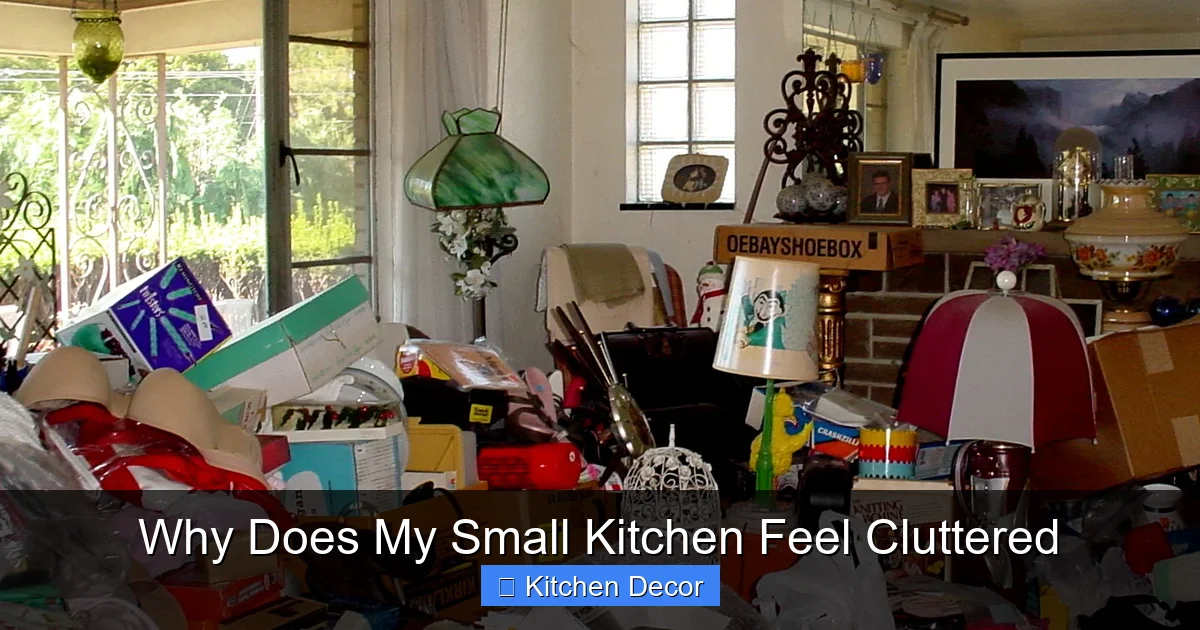
Countertops are prime real estate in a small kitchen. Keeping them clear is essential for both functionality and making the space feel less cluttered.
Visual guide about Why Does My Small Kitchen Feel Cluttered
Image source: i.imgflip.com
The “Bare Minimum” Rule
Aim to keep only the absolute essentials on your countertops. These are items you use multiple times a day. For most people, this means a coffee maker, perhaps a toaster, and maybe a utensil crock. Everything else should have a home in a cabinet or drawer.
Grouping Essentials
If you must have items on the counter, group them together in a visually appealing way. A small tray can corral olive oil, salt, and pepper, making them look intentional rather than haphazard. A nice ceramic crock for your most-used utensils is better than a loose collection.
Smart Appliance Storage
Consider stowing away small appliances that aren’t used daily. A stand mixer, blender, or food processor can live in a lower cabinet or pantry, brought out only when needed. If space allows, a “appliance garage” can be a fantastic solution, keeping appliances handy but out of sight.
Creating a “Landing Zone”
Designate one small area, perhaps near the door, as a landing zone for keys, mail, or phones. This prevents these items from migrating to your kitchen counters and adding to the visual noise. Use a small bowl or tray to keep it contained.
Step 4: Implement a Maintenance Routine
Decluttering and organizing is a big project, but keeping it that way requires ongoing effort. Small, consistent routines are far more effective than sporadic, massive overhauls.
The “Daily Tidy-Up”
Spend 5-10 minutes each evening putting things away. Load the dishwasher, wipe down counters, and put items back in their designated homes. This prevents small messes from escalating into overwhelming clutter.
Weekly Reset
Once a week, take a slightly deeper dive. Check your fridge for expired food, wipe out the microwave, and quickly re-organize any drawers or shelves that have gotten a bit messy. This keeps everything feeling fresh and in order.
Periodic Deep Declutter
Schedule a quarterly or bi-annual deep declutter session. This is when you re-evaluate if items are still serving you well, check for new accumulations, and fine-tune your organization systems. This is especially important for pantry items and “might use someday” gadgets.
Troubleshooting Common Small Kitchen Woes
“I Don’t Have Enough Storage!”
This is a common cry. Re-read Step 2. Are you truly maximizing vertical space? Have you looked into door-mounted organizers, pegboards, or slim rolling carts? Sometimes, “not enough storage” actually means “not using existing storage efficiently.” Also, consider if you genuinely have too many items (revisit Step 1).
“My Family Keeps Cluttering It!”
This requires communication and consistent reinforcement. Involve your family in the decluttering process so they understand where things belong. Label shelves or bins. Implement a “five-minute tidy” rule before bed or a designated “clutter bin” where items that don’t belong are placed for their owners to retrieve. Consistency is key.
“I’m Too Overwhelmed to Start!”
Break it down. Don’t try to tackle the entire kitchen at once. Start with one small drawer, then one cabinet. Or focus on one category, like spices or utensils. Celebrate each small victory. Even 15 minutes a day can make a huge difference over time. Remember, the goal is progress, not perfection.
Your small kitchen doesn’t have to feel cluttered. By understanding the reasons behind the mess and implementing strategic decluttering and organizing techniques, you can transform your space into a functional, inviting, and truly enjoyable part of your home. It takes effort and consistency, but the feeling of walking into an organized, serene kitchen is absolutely worth it. You’ll not only find cooking more enjoyable but also feel a greater sense of calm and control in your daily life. Start today, even with just one drawer, and watch your small kitchen transform!