If you often wonder why does my kitchen feel dark, this guide is for you. We’ll explore common culprits like inadequate lighting, poor color choices, and clutter, providing actionable steps to brighten your space. Learn how to optimize natural light, layer artificial illumination, and use strategic decor to create a welcoming, well-lit kitchen, making it a joy to be in.
Why Does My Kitchen Feel Dark
Ever walk into your kitchen and feel like you’ve entered a cave rather than the heart of your home? You’re not alone. Many homeowners struggle with a kitchen that feels perpetually dim, even on the sunniest days. This can make cooking a chore, entertaining less inviting, and generally drain the energy from a space that should be vibrant and welcoming. If you constantly find yourself asking, “Why does my kitchen feel dark?”, then you’re in the right place. This comprehensive guide will illuminate the common culprits behind a gloomy kitchen and provide you with practical, step-by-step solutions to brighten it up.
We’ll dive into everything from optimizing natural light and mastering artificial illumination to leveraging the power of color, decluttering your space, and choosing the right decor. By the end of this guide, you’ll have a clear roadmap to transform your dark kitchen into a bright, inviting, and functional area that you’ll love spending time in. Let’s chase away those shadows and bring some much-needed light into your kitchen!
Key Takeaways
- Layer Your Lighting: Combine ambient, task, and accent lighting to create a well-rounded and bright kitchen environment, preventing dark corners and shadows.
- Maximize Natural Light: Keep windows clean, use minimal window treatments, and remove external obstructions to let in as much sunlight as possible.
- Embrace Light Colors: Paint walls, ceilings, and cabinets in light, reflective hues. Glossy finishes on surfaces like backsplashes and countertops further bounce light around the room.
- Declutter for Openness: Clear countertops and opt for smart storage solutions to reduce visual clutter. An uncluttered space instantly feels larger and brighter.
- Utilize Reflective Decor: Incorporate mirrors, metallic accents, and glass elements strategically to reflect light and enhance the overall brightness of your kitchen.
- Choose the Right Bulbs: Pay attention to lumens (brightness) and color temperature (Kelvin) when selecting light bulbs. Opt for brighter bulbs with a cooler or neutral white light for an energizing feel in a dark kitchen.
- Consider Flooring and Furniture: Lighter flooring options and streamlined, less bulky furniture can significantly contribute to an airy and open feel, making the kitchen appear less dark.
Understanding the Root Causes of a Dark Kitchen
Before we can fix the problem, it helps to understand why does my kitchen feel dark in the first place. Often, it’s not just one thing but a combination of factors working against your kitchen’s brightness. Identifying these issues is the first step toward a brighter space. Common reasons include:
- Lack of Natural Light: Small windows, obstructed views, or an unfortunate orientation (like a north-facing kitchen).
- Inadequate Artificial Lighting: Not enough fixtures, the wrong type of bulbs, or poorly placed lights that create shadows.
- Dark Color Palettes: Walls, cabinets, and countertops in deep, light-absorbing colors.
- Clutter and Heavy Decor: Overstuffed countertops and bulky decorations can block light and make a space feel cramped and dark.
- Heavy Window Treatments: Thick curtains or blinds that block out precious sunlight.
- Low Reflectivity: Matte finishes or materials that absorb light rather than bouncing it around the room.
Once you pinpoint which of these resonate with your kitchen, you can start implementing targeted solutions.
Step 1: Evaluate Your Natural Light Sources
Natural light is the best kind of light. It’s free, it makes your kitchen feel expansive, and it helps boost your mood. The first step in addressing “why does my kitchen feel dark” is to fully assess how much natural light is (or isn’t) entering your space.

Visual guide about Why Does My Kitchen Feel Dark
Image source: uptowncraftworks.com
Window Assessment: Size, Cleanliness, and Obstructions
Take a good look at your windows. Are they big enough? Could they be cleaner? Dirt and grime on windowpanes can significantly reduce the amount of light entering your kitchen. Schedule a thorough window cleaning, inside and out. Beyond cleanliness, consider any obstructions.
- External Obstructions: Are there overgrown bushes, trees, or even a neighbor’s fence blocking sunlight? Trimming back foliage can make a surprising difference.
- Internal Obstructions: Do you have tall plants, stacks of cookbooks, or large appliances sitting directly in front of your windows? Relocate them to open up the view and allow light to stream in.
- Window Treatments: Heavy, dark, or ill-fitting curtains and blinds are major culprits. Opt for sheer curtains, lightweight blinds, or consider going bare if privacy isn’t an issue. If you need privacy or light control, look for top-down/bottom-up shades or café-style curtains that cover only the lower half of the window.
Practical Tip: Observe your kitchen at different times of the day. Notice how the light changes and where shadows fall. This will help you understand your natural light patterns.
Maximize Reflection with Strategic Surfaces
Natural light isn’t just about what comes in, but how it travels around the room. You can boost natural light by incorporating reflective surfaces.
- Glass and Mirrors: A well-placed mirror can work wonders, especially if it reflects a window. Glass cabinet doors instead of solid wood can also help light penetrate deeper into your space.
- Glossy Finishes: If you’re planning a renovation, consider glossy or semi-gloss paint for walls, reflective backsplashes (like subway tile or polished marble), and shiny countertops. These surfaces bounce light rather than absorbing it.
- Stainless Steel Appliances: While often chosen for their aesthetic, stainless steel appliances also offer a reflective quality that can subtly brighten a dark kitchen.
Step 2: Optimize Your Artificial Lighting
Even kitchens blessed with ample natural light need a robust artificial lighting plan for evenings, cloudy days, and those early mornings. If you’re thinking, “Why does my kitchen feel dark even with the lights on?”, it’s probably because your artificial lighting isn’t doing its job effectively. The key is layering.
Visual guide about Why Does My Kitchen Feel Dark
Image source: housenotebook.com
Layering Light: Ambient, Task, and Accent
A truly bright kitchen uses a combination of different lighting types to eliminate shadows and create an inviting atmosphere.
- Ambient Lighting (General Lighting): This is your overall light source, illuminating the entire room. Recessed lighting, flush-mount fixtures, or a central pendant light are common choices. This light should be bright enough to banish general gloom.
- Task Lighting: Essential for safety and efficiency, task lighting illuminates specific work areas like countertops, the sink, and the stove. Under-cabinet lighting is incredibly effective here, preventing shadows cast by overhead ambient lights when you’re preparing food. Pendant lights over an island or peninsula also serve as excellent task lighting.
- Accent Lighting: This type of lighting adds visual interest and highlights specific features, like artwork, open shelving, or architectural details. It creates depth and warmth. Think puck lights inside glass cabinets or small picture lights above a focal point.
Practical Tip: Install dimmer switches on all your lighting layers. This gives you complete control over the mood and brightness, allowing you to adjust the light for cooking, dining, or a casual evening gathering.
Bulb Choice: Color Temperature and Lumens
The type of light bulb you choose makes a huge difference in how your kitchen feels. It’s not just about wattage anymore.
- Lumens (Brightness): This measures the actual brightness of a bulb. Don’t rely on wattage. For a kitchen, you want high lumens – typically 2,000 to 4,000 lumens in total, spread across your fixtures.
- Color Temperature (Kelvin – K): This describes the hue of the light.
- Warm White (2700K-3000K): Has a yellowish glow, similar to incandescent bulbs. Great for creating a cozy atmosphere, but can make a dark kitchen feel even warmer and less bright if not balanced.
- Neutral White / Cool White (3500K-4500K): A clean, crisp light that mimics natural daylight. This is often the best choice for a dark kitchen as it feels brighter and more energizing without being harsh.
- Daylight (5000K-6500K): A very bright, bluish-white light. While very bright, it can sometimes feel sterile or harsh in a residential setting. Use with caution.
For a dark kitchen, aim for bulbs in the 3500K-4000K range for a good balance of brightness and warmth. Experiment to find what feels right for your space.
Fixture Placement and Types
The right fixtures in the right places can make all the difference when you’re wondering why does my kitchen feel dark. Consider:
- Recessed Lighting: Excellent for ambient light, providing unobtrusive, widespread illumination. Place them evenly to avoid dark spots.
- Under-Cabinet Lighting: A non-negotiable for task lighting on countertops. LED strip lights are slim, efficient, and provide fantastic illumination.
- Pendant Lights: Great for task lighting over islands or peninsulas, and they add a decorative touch. Ensure they are hung at the correct height to avoid glare.
- Track Lighting: Versatile for directing light to specific areas, though can sometimes look dated depending on the style.
- Above-Cabinet Lighting: Uplighting above your upper cabinets can bounce light off the ceiling, creating an illusion of height and adding a soft glow.
Smart Lighting Solutions
Modern technology offers even more ways to brighten your kitchen. Smart bulbs and smart switches allow you to control brightness and color temperature from your phone, schedule lighting scenes, and even integrate with voice assistants. This flexibility means you can fine-tune your lighting for any situation, ensuring your kitchen is never darker than you want it to be.
Step 3: Master the Power of Color and Finish
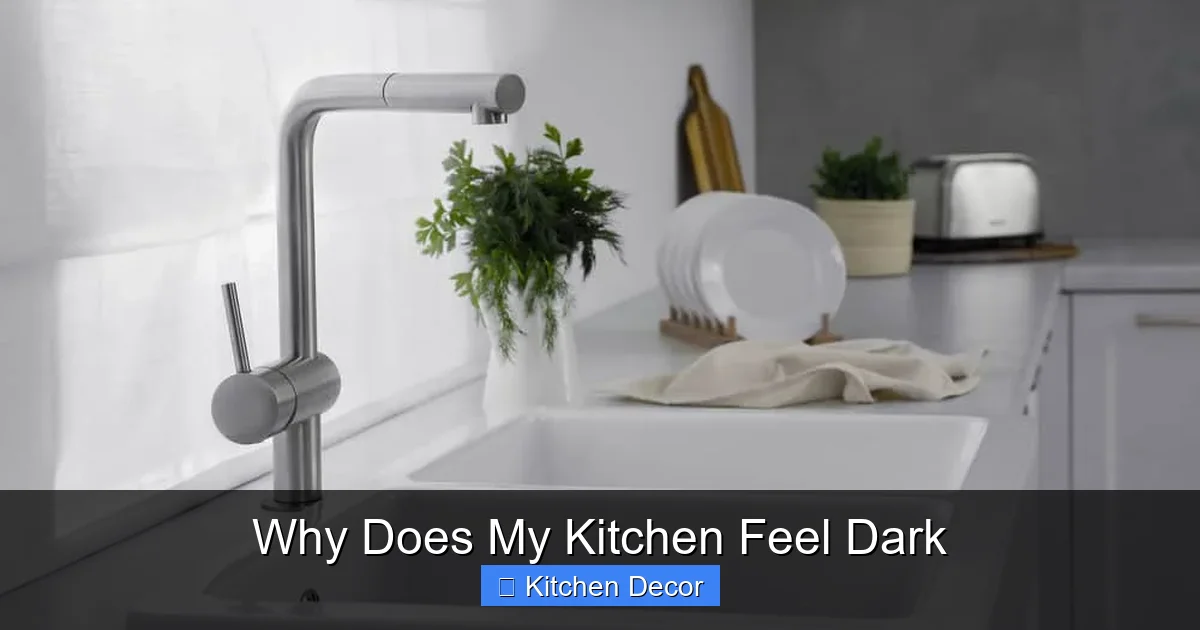
Color is one of the most impactful (and often overlooked) tools when addressing why does my kitchen feel dark. Dark colors absorb light, while light colors reflect it, making a room feel larger and brighter. It’s a simple principle with dramatic results.
Visual guide about Why Does My Kitchen Feel Dark
Image source: mrkitchenfaucets.com
Wall and Cabinet Colors
This is where you can make the biggest splash (or rather, brightness).
- Light Neutrals: Whites, creams, light grays, and pale blues or greens are your best friends. They reflect light and create an airy, open feel.
- Warm Tones: If pure white feels too stark, opt for warm whites with hints of yellow or beige. These can make a dark kitchen feel cozy and inviting without sacrificing brightness.
- Ceiling Paint: Always paint your ceiling white or a shade lighter than your walls. A dark ceiling can make a room feel lower and more enclosed, exacerbating the “why does my kitchen feel dark” problem.
- Cabinet Colors: Light-colored cabinets (white, off-white, light gray, pale wood tones) are highly effective at reflecting light. If you have dark cabinets, consider painting them. This can be a significant undertaking but yields incredible results.
Practical Tip: Test paint samples on your walls and observe them throughout the day. Natural light can drastically change how a color appears.
Countertops and Backsplashes
These surfaces are often large and directly reflect light upwards.
- Light Materials: Opt for light-colored countertops like white quartz, light granite, or pale laminate.
- Reflective Finishes: Polished or honed finishes will reflect more light than matte ones.
- Glossy Backsplashes: Subway tiles with a glossy finish, glass tiles, or polished natural stone can bounce light beautifully across the kitchen.
Flooring Choices
While often a larger project, if you’re renovating, consider your flooring. Dark floors can ground a space, but they also absorb light. Lighter flooring options, such as light-colored wood, pale tiles, or even light-patterned vinyl, can contribute to an overall brighter feel. If replacing isn’t an option, a light-colored rug in a non-heavy traffic area can add a touch of brightness.
Step 4: Declutter and Organize for Openness
A cluttered kitchen, regardless of its size, will always feel darker and smaller. Visual clutter creates shadows and blocks the natural flow of light. This is a budget-friendly step that can make an enormous difference if you’re puzzling over “why does my kitchen feel dark.”
Clear Countertops
The less stuff on your counters, the more open and airy your kitchen will feel. Put away appliances you don’t use daily. Designate a home for everything. A clear countertop allows light to reflect freely and creates a sense of calm and spaciousness.
Smart Storage Solutions
To achieve clear countertops, you’ll need smart storage.
- Pantry Organization: A well-organized pantry means fewer items need to be stored in the main kitchen area.
- Drawer Organizers: Keep utensils and gadgets neatly tucked away.
- Wall-Mounted Storage: Pot racks, magnetic knife strips, or open shelving can be effective, but use them sparingly in a dark kitchen as they can also contribute to visual noise if overloaded. For open shelving, display only a few attractive, light-colored items.
- Integrated Appliances: If possible, consider appliances that blend into cabinetry for a streamlined look.
Minimal Window Treatments
As mentioned in Step 1, heavy curtains are a no-go. If privacy is needed, consider sheer fabric blinds, simple roller shades that disappear when open, or café curtains that only cover the lower half of the window. The goal is to maximize the window’s opening and allow as much light in as possible.
Step 5: Incorporate Reflective and Strategic Decor
Once you’ve tackled the bigger elements, turn your attention to the finishing touches. Decor can play a surprising role in battling a dark kitchen.
Mirrors for Light Reflection
A mirror can be a game-changer. Position a mirror on a wall opposite a window to multiply natural light. Even a small, framed mirror can help bounce light into a dim corner.
Metallic Accents
Shiny metals naturally reflect light. Incorporate metallic elements like:
- Hardware: Polished chrome, brushed nickel, or brass cabinet pulls and drawer handles.
- Light Fixtures: Choose light fixtures with metallic finishes.
- Decorative Bowls or Trays: A polished stainless steel fruit bowl or a metallic tray on your counter can catch and reflect light.
Glass and Acrylic Elements
These transparent materials allow light to pass through them, preventing them from creating shadows. Consider:
- Glass Vases: For flowers or as stand-alone decor.
- Acrylic Bar Stools or Chairs: Their transparency helps maintain an open feel.
- Glass Containers: Use them for storing pantry staples on open shelves, adding a sparkle.
Artwork and Plants
Even artwork can contribute to a brighter kitchen. Choose pieces with light backgrounds, vibrant colors, or reflective frames. While plants add life, be mindful not to let them block light. Select smaller, airy plants or place them strategically where they don’t create additional shadows.
Troubleshooting Common Dark Kitchen Issues
Sometimes, despite your best efforts, your kitchen still presents unique challenges. Here are solutions for specific “why does my kitchen feel dark” scenarios:
“My Kitchen Has No Windows!”
This is a common issue in apartments or inner-city homes. In this case, artificial lighting becomes paramount. Double down on layering: multiple recessed lights, under-cabinet lighting, and even strip lighting along the top of cabinets or toe kicks can create depth and ambient glow. Utilize mirrors strategically to create an illusion of space and light. Consider installing a “fake window” with a backlit panel or a decorative mirror framed to look like a window to add visual interest and brightness.
“I Can’t Afford a Full Renovation.”
Many of the tips here are budget-friendly! Start with the easiest and cheapest fixes: clean your windows, declutter your countertops, and swap out dark window treatments for sheer ones. Painting walls a lighter color is a relatively inexpensive DIY project that makes a huge impact. Updating light bulbs to higher lumens and appropriate color temperatures is also a quick win. Consider painting just your upper cabinets or adding under-cabinet LED strips for a significant change without breaking the bank.
“My North-Facing Kitchen is Always Gloomy.”
North-facing rooms receive indirect, cooler light throughout the day, which can make them feel inherently darker and colder. To counteract this, lean into warmer color temperatures (3000K-3500K) for your artificial lighting to add warmth. Choose wall and cabinet colors with warm undertones (creams, warm grays, pale yellows) to create a cozier atmosphere. Incorporate plenty of reflective surfaces and add metallic accents to bounce what little natural light you get around the room.
Conclusion
Understanding “why does my kitchen feel dark” is the first step toward transforming your space. By systematically addressing natural light, artificial illumination, color choices, clutter, and strategic decor, you can turn even the gloomiest kitchen into a bright, inviting, and functional hub for your home. Remember, even small changes can make a big difference. Don’t be afraid to experiment with different lighting, paint samples, and decor elements to discover what truly works for your unique kitchen. Embrace these tips, and get ready to enjoy a kitchen that feels not just brighter, but also more spacious, welcoming, and full of life!