
Is your kitchen feeling cluttered and unmanageable? This guide reveals how you can improve kitchen storage on a budget, transforming chaos into calm. Discover practical steps, from ruthless decluttering and optimizing existing spaces to embracing clever DIY solutions and wall storage. Learn to create an organized, efficient kitchen that works for you without spending a fortune, making your daily life much smoother.
How Can I Improve Kitchen Storage on a Budget
Do you ever feel like your kitchen is waging a war against you? Pots and pans overflowing, spices tumbling out of cabinets, and a never-ending hunt for that one elusive utensil? You’re not alone. Kitchen clutter is a common frustration, but the good news is that you don’t need a massive renovation or a hefty budget to transform your space. Learning how to improve kitchen storage on a budget is completely achievable, often with items you already own or inexpensive solutions that are easy to implement.
This comprehensive guide will walk you through practical, step-by-step strategies to declutter, organize, and maximize every inch of your kitchen. We’ll focus on clever hacks, DIY projects, and affordable finds that will help you improve kitchen storage on a budget, creating a more functional, efficient, and enjoyable cooking environment. Get ready to reclaim your kitchen and make it a place you love to be!
Key Takeaways
- Declutter Ruthlessly First: Before you buy anything new, empty your cabinets and drawers. Sort, toss, donate, and only keep what you truly use and love. This is the foundational step to improve kitchen storage on a budget.
- Maximize Vertical Space: Look up! Walls, the inside of cabinet doors, and the height within cabinets are often underutilized. Use shelf risers, stackable bins, pegboards, and wall-mounted solutions to double or triple your storage capacity.
- Repurpose and DIY: Don’t underestimate the power of everyday items. Glass jars, thrift store baskets, and simple DIY projects like creating your own drawer dividers or open shelves can significantly improve kitchen storage on a budget.
- Optimize Existing Cabinetry: Use drawer organizers, lazy susans, and pull-out bins (even budget-friendly plastic ones) to make the most of the space you already have. This prevents items from getting lost in the back.
- Embrace Wall Storage: Pegboards, magnetic strips, and inexpensive open shelving are game-changers for small kitchens. They free up counter and cabinet space, putting essentials within easy reach and adding a decorative touch.
- Zone Your Kitchen: Group similar items together and store them where they’re most often used. This creates an intuitive system that makes cooking and cleaning more efficient and helps maintain your improved storage over time.
- Maintain with a Routine: Organization isn’t a one-time task. Implement a “one in, one out” rule and do quick tidy-ups regularly to ensure your newly improved kitchen storage stays functional and clutter-free.
Step 1: Assess and Declutter Ruthlessly
Before you even think about buying new organizers, the most crucial step to improve kitchen storage on a budget is to declutter. This means getting rid of anything you don’t use, don’t need, or don’t love. It’s tough, but it’s the foundation of effective organization.
Empty Cabinets and Drawers
Start with one area at a time – perhaps a single cabinet or a drawer. Pull everything out. Yes, everything. Seeing all your items laid out helps you realize just how much you have and what you might be hoarding unnecessarily.
Sort into Keep, Donate/Sell, Toss
- Keep: Items you use regularly (at least once a week for daily items, or once a month for specialty items), items that are in good condition, and things that bring you joy.
- Donate/Sell: Items that are still functional and in good condition but you no longer use. Think about that bread maker you used twice or those extra sets of plates. Someone else can give them a good home.
- Toss: Broken items, expired food, anything rusty, or single-use items you’ll never get around to using. Be honest with yourself!
Practical Tip: Be strict. If you haven’t used something in a year, seriously consider letting it go. The goal is to make space, not just shift clutter around.
Clean Thoroughly
Once empty, wipe down all surfaces. This gives you a fresh start and makes the organizing process more satisfying. Cleaning also helps you spot any unnoticed damage or issues in your existing storage.
Step 2: Optimize Existing Space Creatively
Once decluttered, it’s time to make the most of the cabinets and drawers you already have. Many affordable solutions can help you improve kitchen storage on a budget without installing new cabinetry.
Visual guide about How Can I Improve Kitchen Storage on a Budget
Image source: apinchofjoy.com
Vertical Space is Your Friend
Think up! The space between shelves, or above items, is often wasted. Using vertical space is a key strategy to improve kitchen storage on a budget.
- Shelf Risers/Stackable Bins: These inexpensive additions can double your storage in a cabinet. Use them for plates, bowls, mugs, or even small appliances. You can find them at dollar stores or discount retailers.
- Under-Shelf Baskets: These clever wire baskets hook onto existing shelves, creating an instant extra layer of storage for foils, wraps, or smaller items.
- Stackable Food Containers: Invest in a matching set of stackable containers for dry goods (pasta, rice, flour, sugar). They look neat, save space, and keep food fresh.
Door Power: Don’t Forget the Back of Doors
The inside of cabinet and pantry doors offers prime real estate for storage.
- Over-the-Door Organizers: For pantry doors, these are fantastic for spices, wraps, cleaning supplies, or even small snacks. Look for options with multiple baskets or shelves.
- Command Hooks: These removable hooks are perfect for hanging dish towels, oven mitts, measuring cups, or even lightweight cutting boards on the inside of cabinet doors.
- Magazine Holders: Repurpose inexpensive magazine holders (plastic or wire) to store cutting boards, baking sheets, or even rolls of aluminum foil vertically inside a cabinet.
Drawer Dividers and Organizers
Messy drawers are a common kitchen woe. Dividers are essential to improve kitchen storage on a budget for cutlery and utensils.
- Adjustable Drawer Dividers: These allow you to customize sections in your drawers for various items, preventing them from sliding around.
- In-Drawer Organizers: Use small bins or trays to separate cooking utensils, gadgets, or even spices. Dollar stores often have great options.
- DIY Dividers: You can create your own dividers using thin pieces of wood, cardboard covered with decorative paper, or even small boxes cut to size.
Cabinet Solutions for Pots, Pans, and Lids
Managing bulky cookware can be a headache, but clever solutions can help improve kitchen storage on a budget.
- Pot and Pan Organizers: Vertical racks allow you to store pans on their sides, making them easier to access. Lid organizers help keep lids from becoming a scattered mess.
- Lazy Susans (Turntables): Ideal for corner cabinets or deep pantries, lazy susans make spices, condiments, oils, and canned goods easily accessible without digging. You can find basic plastic ones very affordably.
- Under-Sink Organizers: Use expandable shelves or plastic bins to organize cleaning supplies, preventing leaks and maximizing the often-awkward space under the sink.
Step 3: Embrace Wall Storage Solutions
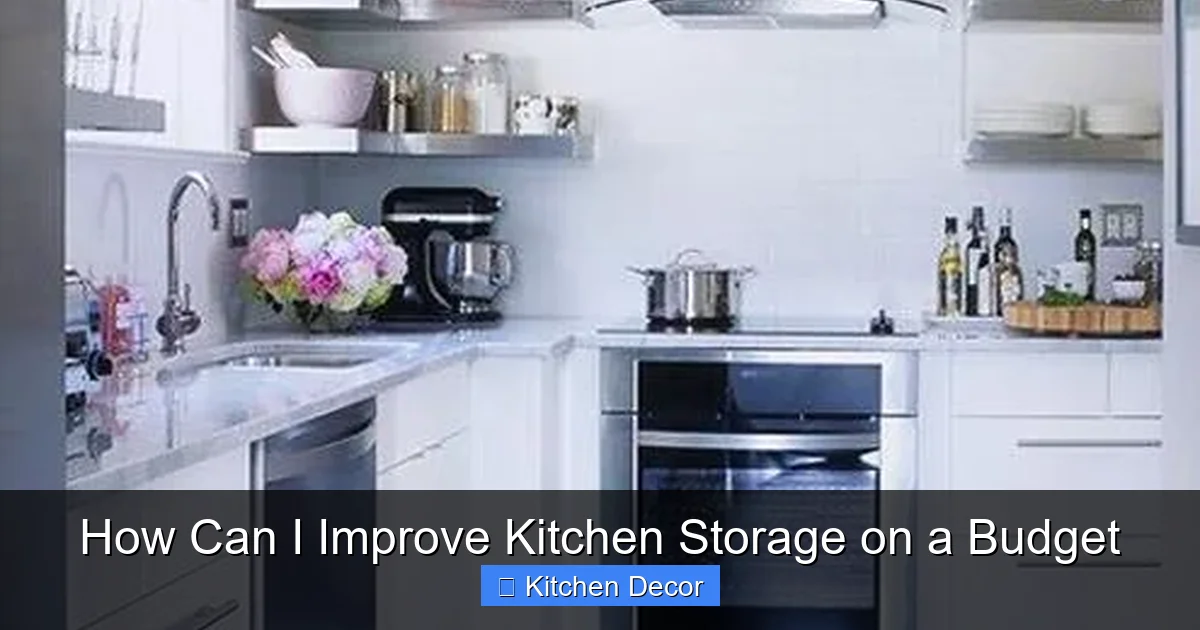
When cabinet space is limited, look to your walls! Wall-mounted solutions are excellent ways to improve kitchen storage on a budget, especially in smaller kitchens.
Visual guide about How Can I Improve Kitchen Storage on a Budget
Image source: lushome.com
Pegboards: The Ultimate Budget Hack
Pegboards are incredibly versatile and affordable. They allow you to customize your storage needs as they change.
- Installation: Simply mount a pegboard to an empty wall space. You can paint it to match your kitchen decor.
- What to Store: Use various hooks, shelves, and baskets to hang pots, pans, utensils, cutting boards, mugs, and even small spice jars. It keeps items visible and within reach.
- Customization: The beauty of a pegboard is that you can rearrange it anytime you want.
Open Shelving: Stylish and Functional
Open shelves provide accessible storage and can also serve as a decorative element. You can definitely improve kitchen storage on a budget with this method.
- DIY Options: Use inexpensive lumber (pine, plywood) cut to size, sanded, and painted or stained. Mount them with simple brackets.
- Affordable Pre-Made Shelves: Check discount stores, IKEA, or hardware stores for simple floating shelves or bracketed shelves that won’t break the bank.
- What to Store: Display attractive dishes, cookbooks, frequently used spices, or decorative items. Be mindful of what you put on them, as they will be visible.
Magnetic Strips for Knives and Spices
Magnetic strips are sleek, space-saving, and highly functional.
- Knife Strips: Mount a magnetic knife strip on a wall near your food prep area. It frees up drawer space and keeps knives safe and accessible.
- Magnetic Spice Jars: Transfer your spices into small, uniform jars with magnetic backs. Mount them on a metal strip (or even directly on your refrigerator) to create a visible and organized spice rack.
Rail Systems: Flexible and Modern
Inspired by professional kitchens, rail systems offer flexible storage.
- Budget Versions: While some systems can be pricey, look for more affordable versions at IKEA or discount home stores.
- What to Store: Hang S-hooks from the rail to suspend utensils, pot holders, small baskets, or even lightweight pots.
Step 4: Repurpose and DIY for Savings
One of the best ways to improve kitchen storage on a budget is to think outside the box and give new life to old items. Repurposing saves money and adds unique character to your kitchen.
Visual guide about How Can I Improve Kitchen Storage on a Budget
Image source: blog.electronicexpress.com
Glass Jars and Containers
These are a budget organizer’s best friend.
- Dry Goods Storage: Collect various-sized glass jars (from pasta sauce, pickles, jam). Wash them thoroughly and use them to store dry goods like flour, sugar, rice, pasta, lentils, or snacks. Label them clearly.
- Utensil Holders: Taller jars can hold frequently used utensils on your countertop, keeping them upright and easily accessible.
- Spice Storage: Small jars are perfect for spices, especially if you buy them in bulk.
Baskets and Bins: Functional and Decorative
Baskets and bins can corral clutter and add texture to your kitchen.
- Thrift Store Finds: Hunt for wicker, wire, or plastic baskets at thrift stores. A fresh coat of spray paint can transform them.
- Dollar Store Gems: Discount stores often have a variety of plastic bins in different sizes, perfect for organizing pantry shelves, under the sink, or within drawers.
- What to Store: Use them for snacks, cleaning supplies, potatoes/onions, small appliances, or even to create “grab-and-go” stations for kids’ lunches.
Crate Storage: Rustic and Versatile
Wooden crates can add a rustic charm and offer robust storage.
- Stackable Shelving: Stack old wooden crates to create instant, open shelving for cookbooks, dishes, or produce. Secure them together for stability.
- Wall-Mounted: Attach crates to the wall to create unique cubby-style storage.
- Mobile Storage: Add wheels to a crate for a rolling storage solution, perfect for holding extra dishes or drinks.
DIY Shelves or Organizers
With a little creativity, you can build your own storage solutions.
- Simple Plywood Shelves: Cut plywood to size, sand, paint, and mount on simple brackets.
- Cardboard Drawer Organizers: Use sturdy cardboard boxes (cereal boxes, shoe boxes) to create custom-fit drawer dividers. Cover them with contact paper or fabric for a finished look.
- PVC Pipe Organizers: Cut PVC pipes into short sections and glue them together to create wine bottle storage, or use larger sections for wrapping paper or foil rolls.
Step 5: Smart Pantry and Refrigerator Management
These areas are prime candidates for disorganization. Smart management can greatly improve kitchen storage on a budget.
Zone Your Pantry
Categorize items and assign them dedicated zones.
- Baking Zone: Flour, sugar, baking powder, vanilla.
- Breakfast Zone: Cereal, oatmeal, granola.
- Snack Zone: Chips, cookies, fruit snacks.
- Canned Goods: Stack similar items together, facing labels forward.
- Meal Prep: Pasta, rice, sauces.
Practical Tip: Keep frequently used items at eye level. Less-used items can go on higher or lower shelves.
Containerize Dry Goods
Transfer dry ingredients from flimsy bags and boxes into clear, airtight containers. This protects food from pests, keeps it fresh longer, and makes it easier to see what you have (and how much). It also creates a uniform, tidy look that helps improve kitchen storage on a budget.
Maximize Fridge Space
- Clear Bins: Use clear plastic bins to group similar items (e.g., all condiments, all yogurts, all fruit). This makes them easy to pull out and prevents items from getting lost.
- Labeling: Label bins for quick identification.
- “Eat Me First” Bin: Designate a bin for items that are about to expire or need to be eaten soon. This reduces food waste.
- Adjustable Shelves: Maximize your refrigerator’s adjustable shelves to create custom heights for taller items.
Step 6: Maintain Your Organized Kitchen
Organization isn’t a one-time event; it’s an ongoing process. To truly improve kitchen storage on a budget, you need to maintain your system.
The “One In, One Out” Rule
When you buy a new item (especially for categories like mugs, food storage containers, or gadgets), commit to getting rid of an old, similar item. This prevents clutter from accumulating again.
Regular Mini-Declutters
Dedicate 5-10 minutes each week to quickly scan your kitchen. Tidy up a drawer, wipe down a shelf, or check for expired items in the fridge. Small, consistent efforts prevent overwhelm.
Label Everything
Labels are your best friend! They help everyone in the household know where things belong, making cleanup a breeze. Use a label maker, masking tape and a marker, or even attractive printable labels for a more polished look.
Troubleshooting Common Kitchen Storage Challenges
Even with the best intentions, you might face specific hurdles when you improve kitchen storage on a budget. Here are some solutions:
“My kitchen is tiny, there’s no space!”
Solution: Focus heavily on vertical space (walls, inside doors) and multi-purpose items. Can a cutting board also serve as a platter? Can a mixing bowl double as a serving dish? Prioritize essential items and get creative with where things live. Could a small rolling cart offer extra counter and storage space?
“I keep buying more stuff, and it undoes all my hard work!”
Solution: Before buying anything new, ask yourself: “Do I truly need this? Where will it live?” If you don’t have a designated spot for it, or if it doesn’t replace something old, reconsider the purchase. Stick to your “one in, one out” rule religiously.
“It gets messy quickly after I clean it!”
Solution: This often means your system isn’t intuitive or easy to maintain. Reassess if items are stored where they are actually used. Are the containers easy to open and close? Is cleanup quick? Involve other family members in the organizing process and teach them the new system. Implement a 10-minute nightly tidy-up routine.
“I don’t have time for big organizing projects.”
Solution: Break it down. Tackle one drawer or one cabinet per day, or even per week. Small, consistent efforts will still yield significant results over time. Even just 15 minutes can make a difference.
Conclusion
Learning how to improve kitchen storage on a budget is a journey, not a destination. It starts with decluttering, moves through smart optimization of existing spaces, embraces creative DIY and repurposing, and concludes with consistent maintenance. By applying these strategies, you can transform your cluttered kitchen into an organized, efficient, and beautiful space that perfectly suits your needs, all without spending a fortune. Take the first step today, and enjoy the peace and functionality of a well-organized kitchen!