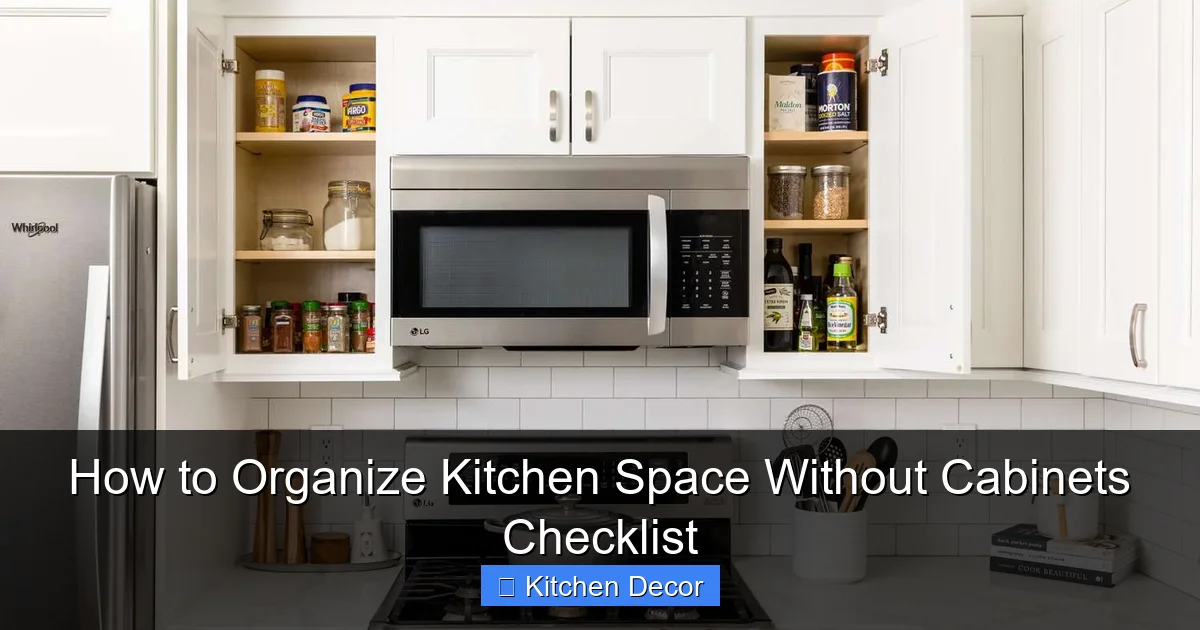
Transforming a kitchen without traditional cabinets can feel daunting, but it’s entirely achievable with smart strategies. This guide provides a comprehensive checklist to help you declutter, zone, and utilize every inch of your space. Discover how open shelving, freestanding units, and creative wall storage can create a functional, stylish, and highly organized kitchen that truly works for you, proving that lack of cabinets doesn’t mean lack of order.
How to Organize Kitchen Space Without Cabinets Checklist
Welcome, fellow kitchen adventurer! If you’re reading this, chances are you’re facing a common but exciting challenge: how to organize kitchen space without cabinets. Maybe you’ve moved into a new place with a minimalist kitchen, or perhaps you’re renting and can’t install built-in storage. Whatever the reason, the idea of having a functional, beautiful kitchen without traditional upper and lower cabinets can seem daunting. But don’t worry, you’re in the right place!
This comprehensive guide will walk you through a practical checklist to transform your cabinet-free kitchen into an organized, efficient, and aesthetically pleasing hub. We’ll explore clever storage solutions, smart layout strategies, and creative ways to make every inch count. By the end, you’ll have all the tools and inspiration you need to master how to organize kitchen space without cabinets, turning perceived limitations into stylish opportunities. Get ready to embrace the open concept and make your kitchen truly shine!
Key Takeaways
- Embrace a Holistic Decluttering Approach: Before organizing, commit to a thorough purge. Sort items into “keep,” “donate,” and “toss” piles, ruthlessly eliminating duplicates and seldom-used items to create a clean slate for your new system.
- Zone Your Kitchen for Efficiency: Divide your kitchen into functional zones (cooking, prep, storage, cleaning). This thoughtful layout helps group related items together, making tasks more efficient and keeping your often-used tools within easy reach, even without cabinets.
- Maximize Vertical and Wall Space: Since traditional cabinets are out, prioritize open shelving, pegboards, wall-mounted racks, and magnetic strips. These solutions free up counter space and provide accessible storage for pots, pans, utensils, and often-used ingredients.
- Leverage Freestanding Storage Units: Baker’s racks, utility carts, bookcases, and rolling islands are your best friends. They offer versatile storage for everything from pantry items to small appliances, adding both functionality and a decorative touch.
- Utilize Smart Countertop and Drawer Organizers: Keep countertops clutter-free yet functional with tiered organizers, attractive canisters, and utensil crocks. For any existing drawers (or those within freestanding units), implement dividers and inserts to keep smaller items neat.
- Get Creative with Nooks and Crannies: Don’t overlook unconventional spaces. Slim rolling carts, over-the-door organizers, and even window sills can provide valuable extra storage for cleaning supplies, spices, or frequently accessed items, maximizing every available inch.
- Prioritize Aesthetics for Visual Harmony: With more items on display, consistency is key. Use uniform containers, matching baskets, and thoughtful arrangements to create a cohesive and visually pleasing look. Good lighting also plays a crucial role in making your open kitchen feel inviting and well-organized.
Step 1: Declutter and Depersonalize (The Foundation)
Before you even think about buying a single shelf or basket, the first and most crucial step in learning how to organize kitchen space without cabinets is to declutter. Think of this as pressing the reset button. With limited storage, every item must earn its place.
Start with a Fresh Slate
Empty everything out. Seriously, take every single item out of your drawers, off your countertops, and from any existing shelves. This might seem overwhelming, but seeing everything laid out will help you assess your true inventory.
The “Keep, Donate, Toss” Method
As you go through each item, categorize it into one of three piles:
- Keep: These are items you use regularly (at least once a week), truly love, or absolutely need.
- Donate/Sell: Items in good condition that you no longer use, have duplicates of, or don’t need for your lifestyle. Think about local charities, thrift stores, or online marketplaces.
- Toss/Recycle: Broken items, expired food, worn-out utensils, or anything that’s no longer functional. Be honest with yourself!
Address Duplicates and Seldom-Used Items
This is where most kitchens without cabinets gain significant space. Do you have three spatulas but only use one? Keep your favorite. Do you have a bread maker you use once a year? Consider if it’s worth the precious space. For very sentimental but non-functional items, perhaps they belong in another part of your home, not taking up valuable kitchen real estate.
Tip: Be ruthless! The less you have, the easier it will be to organize kitchen space without cabinets.
Step 2: Zone Your Kitchen (Smart Layout)
With no cabinets, clear zoning becomes even more critical. This means grouping similar items together based on function, making your kitchen more ergonomic and efficient.
The “Work Triangle” Revisited
While often associated with traditional kitchens, the concept of placing your sink, stove, and refrigerator in an efficient triangle still applies. Try to keep them relatively close to minimize steps while cooking.
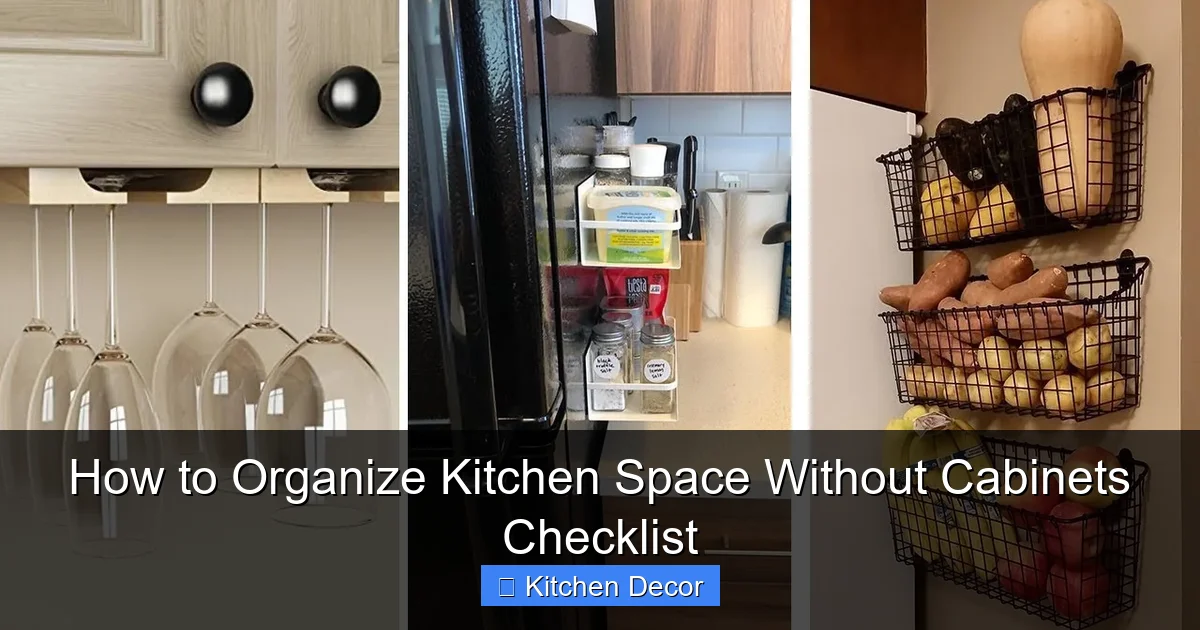
Visual guide about How to Organize Kitchen Space Without Cabinets Checklist
Image source: i.ytimg.com
Cooking Zone
This area should be near your stove. Store pots, pans, cooking utensils, spices, oils, and cutting boards here. Wall-mounted racks or open shelves are perfect for this.
Prep Zone
Usually adjacent to your sink, this is where you chop and mix. Keep mixing bowls, measuring cups, knives, and frequently used small appliances (like a toaster or coffee maker) within arm’s reach.
Storage/Pantry Zone
Dedicated to food items, dry goods, and possibly overflow appliances. This might be a tall shelving unit or a baker’s rack. More on this in Step 4.
Cleaning Zone
Typically under the sink (if you have one) or in a designated cleaning caddy. Store dish soap, sponges, cleaning sprays, and dish towels here.
Step 3: Embrace Open Shelving and Wall Storage
This is where the magic of organizing kitchen space without cabinets really happens. Walls are your new best friends!
Install Sturdy Floating Shelves
Open shelves are not only practical but can also be incredibly stylish. Use them for frequently accessed items like plates, bowls, glasses, and attractive pantry staples in uniform containers. Choose shelves that match your kitchen aesthetic (wood, metal, etc.).
Tip: Don’t overcrowd open shelves. Less is more to avoid visual clutter. Arrange items aesthetically, perhaps by color or material.
Utilize Pegboards and Slatwalls
These versatile systems are fantastic for hanging tools, small pots, measuring cups, and even small baskets for spices. They allow you to customize your wall storage endlessly and keep items visible and accessible.
Magnetic Knife Strips
Free up precious counter or drawer space by mounting a magnetic strip for your knives. It’s safe, convenient, and looks professional.
Wall-Mounted Pot Racks
If you have the wall space, a pot rack is an excellent solution for hanging pots and pans. This not only saves space but also adds a rustic, charming touch to your kitchen decor.
Tip: Ensure all wall-mounted storage is securely installed, especially for heavier items.
Step 4: Maximize Vertical Space with Freestanding Units
Since you don’t have built-in cabinets, freestanding units become your primary storage workhorses. They’re flexible, movable, and come in countless styles. This is key to how to organize kitchen space without cabinets effectively.
Baker’s Racks and Utility Carts
These multi-tiered units are perfect for storing small appliances (microwave, toaster oven), cookbooks, dry goods, and even some decorative elements. Many come with hooks for hanging utensils or dish towels.
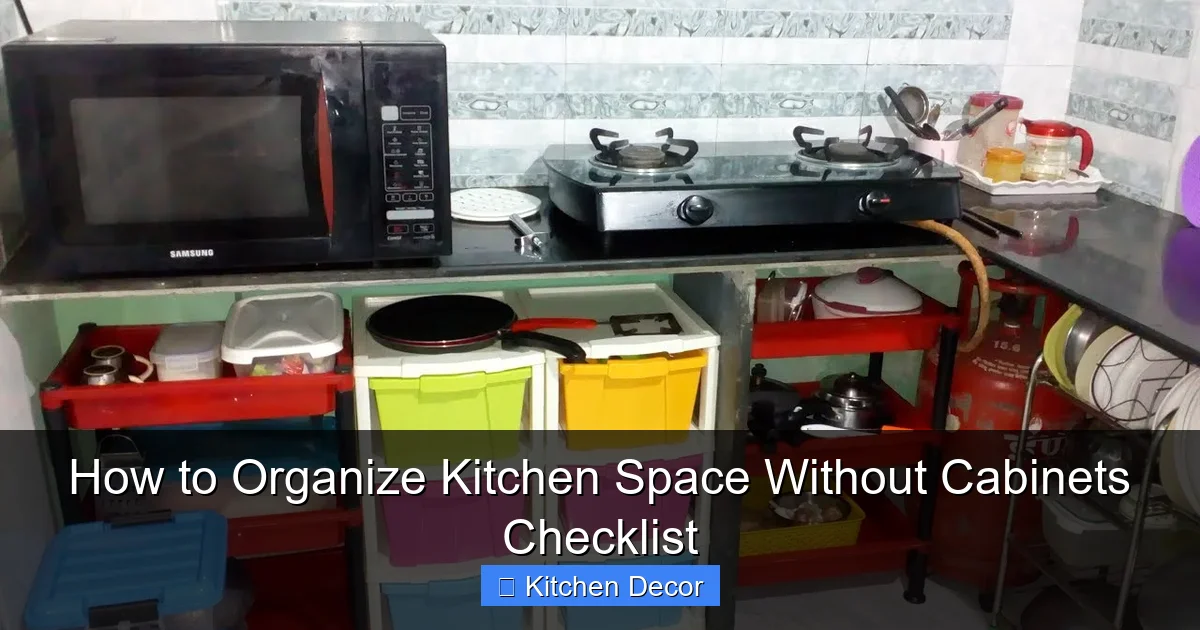
Visual guide about How to Organize Kitchen Space Without Cabinets Checklist
Image source: i.ytimg.com
Bookcases and Étagères
A sturdy bookcase or an étagère (an open-shelved decorative piece) can serve as an excellent pantry or dish storage. Look for styles that complement your kitchen. You can even add baskets to the lower shelves for concealed storage.
Rolling Carts and Islands
A kitchen island or rolling cart offers extra counter space and storage. Many come with drawers, shelves, or even wine racks. They can be moved around as needed, providing incredible flexibility.
Tip: Measure your space carefully before purchasing any freestanding units to ensure they fit comfortably and don’t block pathways.
Step 5: Smart Storage Solutions for Countertops and Drawers
While the goal is to keep countertops clear, some items need to be easily accessible. Smart organization prevents clutter.
Countertop Organizers
Use tiered spice racks, utensil crocks, and decorative trays to corral items. A small basket for frequently used oils and vinegars can also look neat. The key is to group similar items and use containers that are visually appealing.
Drawer Dividers and Inserts
If your freestanding units or existing kitchen setup includes drawers, invest in dividers. These keep flatware, cooking utensils, and gadgets from becoming a jumbled mess. You can find expandable bamboo dividers or plastic inserts.
Canisters and Jars
For dry goods like flour, sugar, coffee, and pasta, clear, airtight canisters are a game-changer. They look uniform on open shelves, protect food from pests, and let you see at a glance when you need to restock. This is a brilliant way to organize kitchen space without cabinets in a visually appealing manner.
Tip: Opt for uniform containers for a cohesive and less cluttered look, especially on open shelving.
Step 6: Under-Sink and Hidden Storage
Even without many traditional cabinets, you likely have an under-sink area or other small, concealed spaces. These are ideal for less aesthetically pleasing items.
Tiered Organizers
Under-sink areas can be notoriously messy. Use tiered pull-out organizers or stackable bins to maximize this awkward space. They’re perfect for cleaning supplies, sponges, and extra dish soap.
Command Hooks on Cabinet Doors (if any small ones)
If you have any small base cabinets (like under the sink), use the inside of the doors for hanging cleaning gloves, dish brushes, or even small trash bags with Command hooks.
Bins and Baskets
For items you don’t want on display, such as extra paper towels, seldom-used appliances, or plastic bags, storage bins and baskets are invaluable. Place them on lower shelves of baker’s racks or under tables.
Step 7: Get Creative with Nooks and Crannies
When learning how to organize kitchen space without cabinets, every inch counts. Look for untapped potential!
Slim Rolling Carts
Got a narrow gap between your fridge and the wall, or between two freestanding units? A slim rolling cart can slide right in, offering perfect storage for spices, canned goods, or cleaning supplies.
Over-the-Door Organizers
If you have a pantry door or even the back of your main kitchen door, an over-the-door organizer with pockets or shelves can provide significant extra storage for spices, snacks, or small utensils.
Window Sills and Ledges
Don’t underestimate these small surfaces. A window sill can hold a small herb garden, a decorative bowl of fruit, or a few small, attractive canisters. Just ensure items don’t block natural light or interfere with opening/closing the window.
Tip: Think outside the box! What unused spaces currently exist in your kitchen?
Step 8: The Aesthetic Touch (Making it Look Good)
When you organize kitchen space without cabinets, more items are on display. This means aesthetics play a huge role in preventing a cluttered look.
Uniform Containers
We’ve mentioned this before, but it bears repeating: consistency is key. Using matching sets of canisters, jars, and even baskets will instantly elevate the look of your open storage, creating a sense of calm and order.
Strategic Placement of Decorative Items
A few well-chosen decorative items – a plant, a piece of art, a stylish cookbook stand – can add personality and break up the utilitarian look. Just don’t overdo it, as less is often more in a cabinet-free kitchen.
Lighting
Good lighting can make a huge difference. Under-shelf lighting (if you have shelves), pendant lights, or even a well-placed floor lamp can brighten the space, highlight your organized areas, and make the kitchen feel more inviting.
Tip: Regular cleaning and tidying are even more important when items are exposed. A quick daily wipe-down prevents grime buildup.
Troubleshooting: Common Challenges in a Cabinet-Free Kitchen
Even with the best planning, you might encounter some hurdles when you organize kitchen space without cabinets.
Challenge: Visual Clutter
Solution: This is the biggest enemy of open kitchens. Double down on decluttering. Use opaque baskets or bins for items you don’t want on display. Implement a “one in, one out” rule. Re-evaluate your open shelves regularly to ensure they aren’t becoming overcrowded.
Challenge: Limited Counter Space
Solution: Prioritize wall storage (magnetic strips, pegboards, pot racks) and freestanding units (baker’s racks, rolling carts with integrated prep surfaces). Consider an over-the-sink cutting board or a custom-fit cover for your stovetop to create extra temporary workspace when needed.
Challenge: Dust and Grease Buildup
Solution: With open shelving, items are more exposed. Wipe down surfaces and items on shelves more frequently. Consider storing seldom-used items in lidded containers or baskets. A good ventilation hood over your stove is also crucial.
Challenge: Maintaining Organization
Solution: Establish routines. Put items away immediately after use. Have a designated “home” for everything. Involve everyone in the household in maintaining the system. Remember, organization is an ongoing process, not a one-time event.
Conclusion
Congratulations! You now have a comprehensive checklist to tackle the challenge of how to organize kitchen space without cabinets. It’s an opportunity to create a kitchen that is uniquely yours, showcasing your style while maximizing every square inch for functionality.
By embracing decluttering, strategic zoning, and innovative storage solutions like open shelving, freestanding units, and wall organizers, you can transform your kitchen into an efficient, beautiful, and highly organized space. Remember, a lack of cabinets doesn’t mean a lack of order or charm. With a little creativity and these practical steps, you’ll master how to organize kitchen space without cabinets and enjoy a kitchen that’s both practical and perfectly picturesque. Happy organizing!