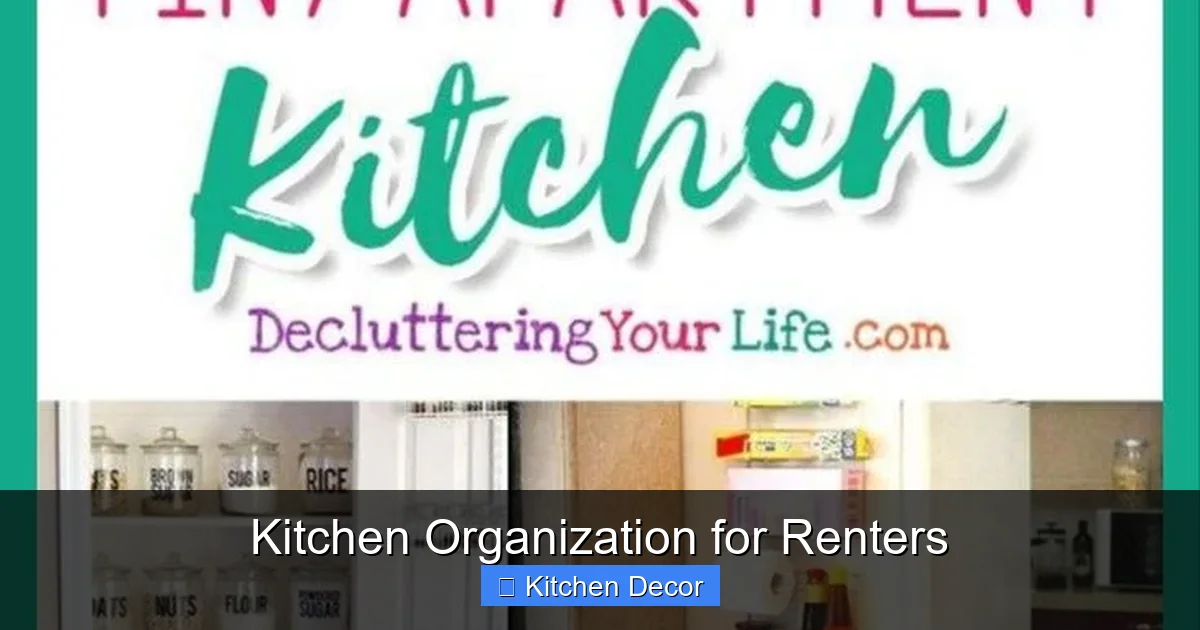
Transforming your rental kitchen into an organized, efficient space is absolutely achievable, even with landlord restrictions and limited budgets. This guide provides practical, renter-friendly strategies to declutter, maximize every inch of space, and implement temporary storage solutions. You’ll learn how to create a functional and aesthetically pleasing kitchen without drilling holes or making permanent changes, ultimately enhancing your daily life and making your rental feel more like home.
Key Takeaways
- Declutter First: Before buying any organizers, thoroughly declutter your kitchen. Get rid of unused items, duplicates, and anything that doesn’t serve a purpose to ensure you’re only organizing what you truly need.
- Embrace Renter-Friendly Solutions: Focus on temporary, non-damaging organization tools like Command hooks, adhesive shelves, tension rods, and freestanding units. Avoid anything that requires drilling or permanent alterations.
- Maximize Vertical Space: Look up! Utilize cabinet risers, stackable bins, over-the-door organizers, and vertical countertop solutions to make the most of limited horizontal space.
- Zone Your Kitchen: Group similar items together and store them where they are most frequently used. This creates an intuitive flow and makes cooking and cleaning more efficient.
- Reclaim Countertops: Clear countertops can make a small kitchen feel much larger. Store small appliances when not in use and use vertical organizers to keep essentials tidy.
- Develop Sustainable Habits: Organization isn’t a one-time project. Implement simple daily habits, like the “one-minute rule” and regular mini-declutters, to maintain your organized space effortlessly.
- Think Outside the Box for Storage: Don’t limit yourself to traditional kitchen storage. Consider using mobile carts, decorative baskets, or even a small bookshelf as a temporary pantry or appliance hub.
Introduction: Unlock Your Rental Kitchen’s Full Potential
Living in a rental property often comes with a unique set of challenges, especially when it comes to the kitchen. You might be dealing with small spaces, outdated cabinets, a lack of pantry storage, or strict landlord rules that prevent drilling holes or making permanent changes. But here’s the good news: you absolutely can achieve a beautifully organized and highly functional kitchen, even if you don’t own the space!
This comprehensive guide to kitchen organization for renters will walk you through practical, renter-friendly strategies to transform your cooking area. We’ll explore ingenious ways to maximize every inch, declutter effectively, and implement temporary storage solutions that won’t jeopardize your security deposit. Get ready to discover how to create a kitchen that not only looks great but also makes your daily life easier and more enjoyable.
By the end of this guide, you’ll have a clear roadmap to a tidy, efficient kitchen that feels perfectly tailored to your needs, all without breaking any rules or the bank. Let’s dive into making your rental kitchen the best it can be!
Step 1: The Great Kitchen Purge – Declutter Before You Organize
Before you even think about buying a single organizer, the most crucial first step in any kitchen organization for renters project is to declutter. Trying to organize items you don’t need or use is like trying to fit a square peg in a round hole – it just doesn’t work efficiently. This step is about honest assessment.
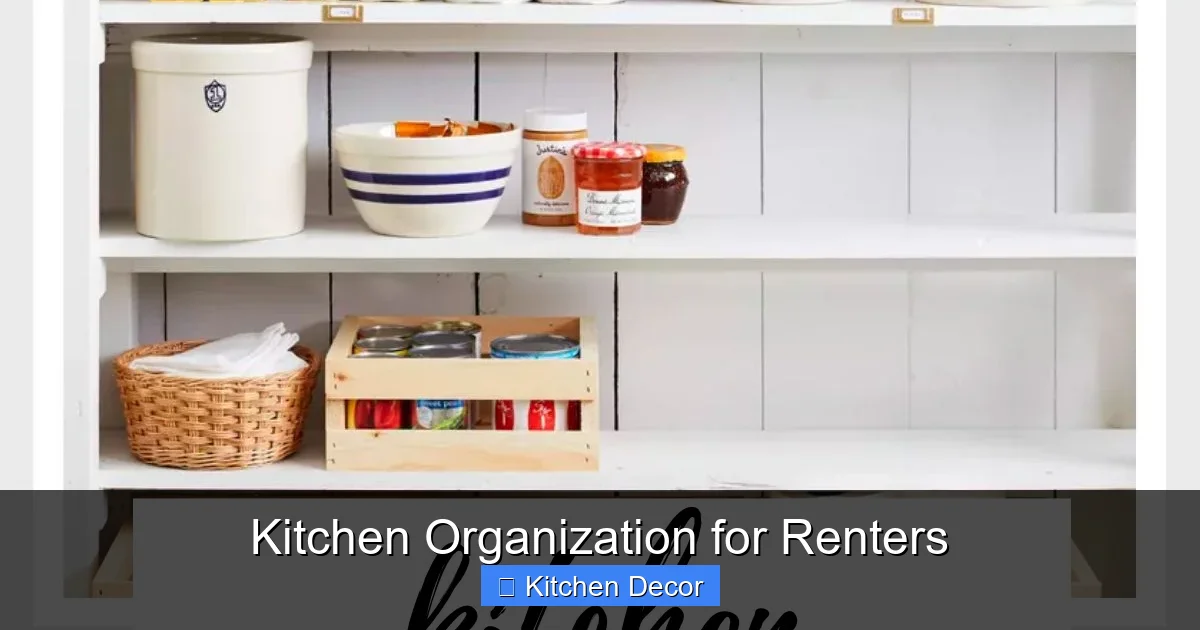
Visual guide about Kitchen Organization for Renters
Image source: ablissfulnest.com
Take Everything Out
Start by completely emptying one cabinet, drawer, or even a whole section of your kitchen. Lay everything out on your countertops, a dining table, or even on the floor. Seeing everything you own in one place can be quite eye-opening!
Sort, Keep, Donate, Toss
As you take items out, immediately sort them into distinct piles:
- Keep: Items you use regularly, love, and are in good condition.
- Donate/Sell: Items that are still useful but you no longer need, such as duplicate utensils, rarely used appliances, or extra serving dishes. Local charities or online marketplaces are great for these.
- Toss/Recycle: Broken items, expired food, worn-out sponges, or anything truly irreparable or unusable.
Be Honest About Usage
This is where the tough questions come in. Ask yourself:
- “Have I used this in the last year?” (The “one-year rule” is a great guideline for kitchen items.)
- “Do I really need three spatulas?”
- “Is this broken appliance worth repairing, or is it just taking up space?”
- “Does this item bring me joy or cause frustration?”
The goal is to only put back items that truly serve a purpose or bring you happiness. A streamlined inventory is the foundation of effective kitchen organization for renters.
Step 2: Understand Your Rental Kitchen’s Limitations and Opportunities
As a renter, you play by slightly different rules. Before you get too far into organizing, take a moment to understand what you’re working with – and what you’re working around. This will guide your choices for renter-friendly solutions.
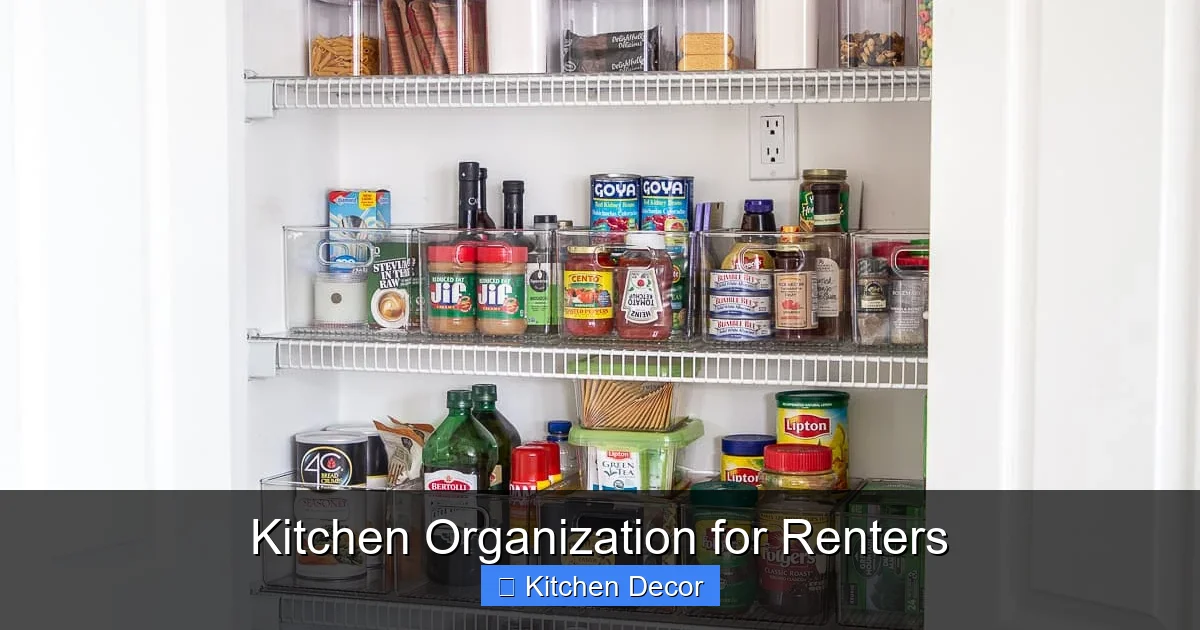
Visual guide about Kitchen Organization for Renters
Image source: designthusiasm.com
Assess Fixed Features
Look at your kitchen with a critical eye. What are the immovable objects? This includes:
- The number and size of cabinets and drawers.
- Countertop space and layout.
- Built-in appliances (oven, dishwasher, microwave).
- Wall space available.
- The condition of existing shelving.
Note any quirks, like a cabinet with a pipe running through it or an unusually deep drawer. These insights are key to smart kitchen organization for renters.
Check Your Lease Agreement
Seriously, read it! Many leases have clauses about making alterations. You’ll want to know if:
- Drilling holes in walls or cabinets is prohibited.
- Painting is allowed.
- Heavy adhesive strips are acceptable (some can damage paint upon removal).
- You’re required to return the property to its original state.
Understanding these rules will save you headaches (and your security deposit) down the line.
Identify Underutilized Areas
Even the smallest rental kitchens often have hidden potential. Look for:
- The backs of cabinet doors.
- The space above your cabinets (if tall enough to be useful).
- Narrow gaps between appliances or cabinets.
- The space under the sink.
- Walls that seem bare but could hold lightweight items with temporary solutions.
Every little nook and cranny can contribute to better kitchen organization for renters.
Step 3: Maximize Vertical Space with Renter-Friendly Solutions
When horizontal space is limited, the only way to go is up! Maximizing vertical space is a game-changer for kitchen organization for renters. These solutions don’t require any permanent fixtures.
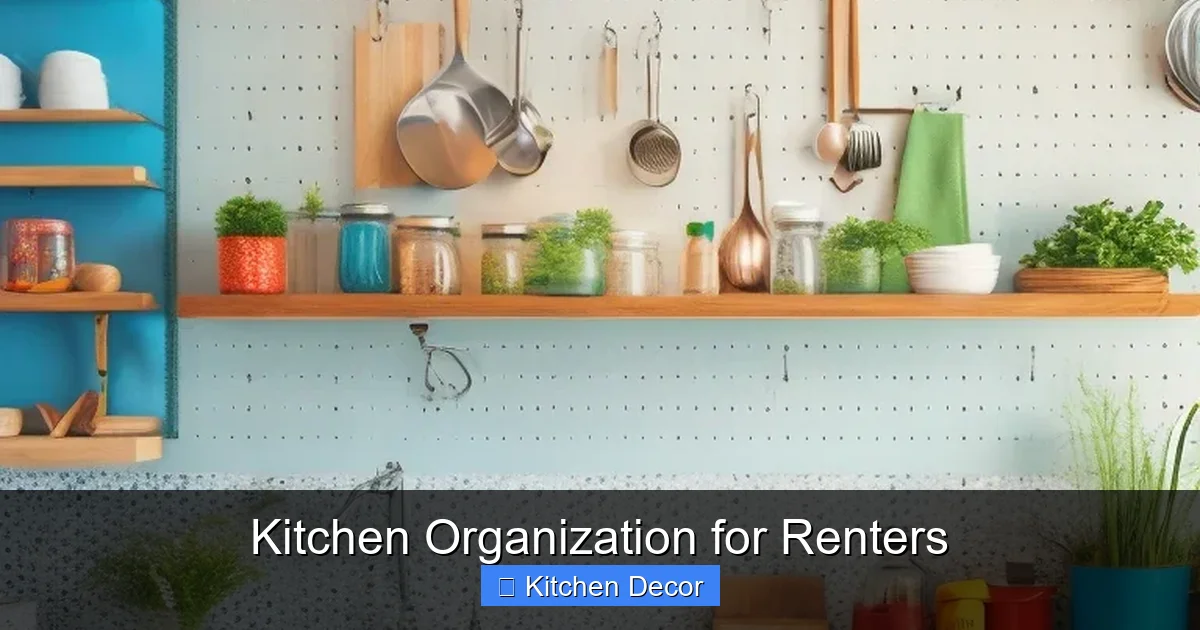
Visual guide about Kitchen Organization for Renters
Image source: prochefkitchentools.com
Cabinet Shelf Inserts and Risers
These simple wire or plastic shelves can double or even triple the usable space within your cabinets. They’re perfect for:
- Stacking plates and bowls without them toppling.
- Creating tiers for spices or canned goods.
- Organizing mugs and small dishes.
Look for sturdy, expandable options that fit your cabinet dimensions.
Over-the-Door Organizers
Don’t forget the backs of your cabinet doors or even your pantry door (if you have one!).
- Spice Racks: Slim wire racks that hook over a cabinet door can free up valuable shelf space.
- Cleaning Supplies: Over-the-cabinet-door baskets can hold sponges, brushes, and spray bottles under the sink.
- Foil/Wrap Organizers: Keep those awkward boxes tidy and accessible.
These are fantastic for keeping frequently used items handy while keeping countertops clear.
Stackable Bins and Containers
For items like snacks, dry goods, or cleaning supplies, stackable containers are ideal. Clear bins allow you to see what’s inside, making it easier to find things and preventing duplicates. They come in various materials:
- Plastic bins: Great for pantry items, cleaning supplies, or under-sink storage.
- Wire baskets: Good for produce that doesn’t need refrigeration, like onions or potatoes.
- Airtight containers: Essential for keeping dry goods fresh and bug-free.
Choose uniform containers for a cohesive and tidy look, a key aspect of effective kitchen organization for renters.
Step 4: Unlock Wall Space Without Drilling
Walls are prime real estate in a rental kitchen, but traditional shelving might be out of the question. Thankfully, there are many renter-friendly ways to utilize them.
Command Hooks and Strips
These adhesive marvels are a renter’s best friend. They come in various sizes and weight capacities. Use them for:
- Hanging dish towels and oven mitts.
- Storing lightweight cutting boards or pot holders.
- Holding measuring cups and spoons inside cabinet doors.
- Creating a temporary “coffee station” by hanging mugs.
Always check the weight limit and follow the removal instructions carefully to avoid wall damage.
Magnetic Knife Strips (Non-Permanent Options)
While most magnetic knife strips require drilling, some brands now offer options with strong adhesive backing or even magnetic strips designed to adhere to the side of a refrigerator. These keep your knives safely stored and free up drawer space.
Adhesive Caddies and Shelves
For slightly heavier items, look for caddies and small shelves designed with strong, damage-free adhesive. These are perfect for:
- Spices near your cooking zone.
- Small bottles of oil or vinegar.
- Your most-used utensils (if lightweight).
Ensure the surface is clean and dry before applying, and adhere to weight limits.
Suction Cup Solutions
If you have smooth, non-porous surfaces like tile backsplashes or the side of your refrigerator, suction cup organizers can be very useful for lighter items:
- Soap dishes: For sponges and dish soap near the sink.
- Small baskets: For scrubbers or cleaning cloths.
Remember that suction cups can lose their grip over time, so periodically re-apply them.
Step 5: Optimize Drawers and Cabinets for Efficiency
Once you’ve decluttered, it’s time to make the most of the existing storage inside your cabinets and drawers. Smart interior organization is vital for any successful kitchen organization for renters plan.
Drawer Dividers and Organizers
Stop the chaos in your drawers! Dividers keep items from sliding around and create dedicated spots for everything. Choose from:
- Expandable bamboo or plastic dividers: Great for cutlery, utensils, and gadgets.
- Small bins or trays: Perfect for grouping smaller items like wine stoppers, bag clips, or bottle openers.
- Adjustable peg boards: Excellent for organizing plates or bowls in deep drawers.
Measure your drawers precisely before purchasing to ensure a snug fit.
Under-Sink Solutions
The space under the sink is often a jumbled mess of cleaning supplies and plumbing. Tackle it with:
- Tiered pull-out drawers: Make reaching items at the back much easier.
- Small tension rods: Use them to hang spray bottles by their nozzles, freeing up the bottom of the cabinet.
- Stackable bins: Group items like sponges, dish soap refills, or garbage bags.
Remember to account for pipes when choosing organizers.
Corner Cabinet Tricks
Corner cabinets can be notoriously difficult to utilize. Consider:
- Lazy Susans (turntables): Ideal for spices, oils, or small canned goods, making everything accessible.
- Pull-out kidney-shaped shelves: While these often require installation, some standalone versions might be available if your landlord permits a bit of setup.
Deep Cabinet Management
Deep cabinets are great for storage, but items can get lost in the back. Combat this with:
- Pull-out shelves or baskets: These help you access items without rummaging.
- Vertical pot and pan organizers: Store lids and pans upright, saving space and preventing clattering.
- Matching food storage containers: Nestable and stackable sets are perfect for Tupperware, ensuring no mismatched lids.
Grouping similar items (e.g., all baking supplies, all cooking oils) also helps tremendously.
Step 6: Smart Pantry and Food Storage Solutions
Whether you have a dedicated pantry or just a few shelves, efficient food storage is critical for kitchen organization for renters. This keeps food fresh, visible, and easy to access.
Clear, Stackable Containers
Invest in airtight, clear containers for dry goods like pasta, rice, flour, sugar, and cereals. Benefits include:
- Visibility: You can see what you have and how much is left.
- Freshness: Keeps food fresher longer and deters pests.
- Space-saving: Square or rectangular containers stack more efficiently than bags or oddly shaped boxes.
Labeling is essential, especially for similar-looking items like different flours or sugars.
Shelf Labels and Zones
Divide your pantry or food storage area into zones. Labeling shelves or the front of containers helps everyone know where things belong:
- “Baking Supplies”
- “Snacks”
- “Canned Goods”
- “Breakfast Items”
This system promotes quick retrieval and makes putting groceries away a breeze.
Freestanding Pantry Alternatives
If your rental lacks a pantry, get creative:
- Narrow shelving units: A slim bookshelf or a rolling cart can serve as an excellent temporary pantry in a hallway or dining area.
- Over-the-refrigerator shelf: Utilize the space above your fridge with a sturdy, lightweight shelf.
- Decorative baskets: Store produce that doesn’t need refrigeration (onions, potatoes) or packaged snacks on an open shelf or under a console table.
These solutions prove that you don’t need a built-in pantry for effective food kitchen organization for renters.
Step 7: Reclaim Your Countertops
Cluttered countertops can make even a spacious kitchen feel cramped and chaotic. Aim to keep them as clear as possible, using vertical solutions when items must live out in the open.
Vertical Countertop Organizers
Instead of spreading items horizontally, stack them vertically:
- Spice racks: Tiered spice racks or small lazy Susans keep spices accessible without taking up much counter space.
- Knife blocks: Keep knives safe and handy.
- Utensil crocks: Group frequently used cooking utensils (spatulas, whisks) in a single attractive container.
- Fruit bowls with hooks: Store bananas on a hook above the bowl of other fruits.
Appliance Garages and Zones
Assign specific homes for your small appliances. If you use your toaster daily, it might stay on the counter. But for items used less frequently (like a blender or food processor), consider:
- Inside a cabinet: If you have the space, dedicate a cabinet for appliances.
- An appliance garage: Some kitchens have a built-in “garage” for appliances; if yours doesn’t, consider a roll-up door cabinet or simply a dedicated corner of a deep cabinet.
- Trays: Group items like coffee pot, mugs, and sugar on a decorative tray to make a neat “coffee station.”
Wall-Mounted Spice Racks (Adhesive)
As mentioned in Step 4, adhesive spice racks are a fantastic way to free up valuable countertop or cabinet space. Mount them near your stove for easy access while cooking. Just be sure to test the adhesive in an inconspicuous spot first and adhere to weight limits.
Step 8: Organize Small Appliances and Specialty Items
Small appliances and less frequently used specialty items can quickly consume precious space. Strategic storage is key for effective kitchen organization for renters.
Designated Storage Spots
Every appliance needs a “home.” Think about frequency of use:
- Daily use: Toaster, coffee maker – keep on a designated spot on the counter or in an easily accessible cabinet.
- Weekly use: Blender, air fryer, mixer – store in a lower cabinet or pantry where they are still easy to grab.
- Monthly/Seasonal use: Waffle maker, slow cooker, bread maker – store these in higher cabinets, a basement, or even a closet outside the kitchen if space is extremely limited.
Appliance Carts and Trolleys
If you lack counter space, a rolling cart can be a lifesaver. It provides an extra surface for prep work and can house small appliances. When not in use, it can be tucked away in a corner or even a nearby dining area. Look for carts with shelves or baskets for added utility.
Seasonal Item Rotation
Don’t let holiday dishes or seasonal gadgets clutter your everyday kitchen. Store these items in boxes in a less-used closet, under the bed, or in a storage unit if you have one. Rotate them into your kitchen only when needed.
Remember to store appliance manuals together in an easily accessible folder, perhaps in a kitchen drawer or binder, so you can find them when troubleshooting.
Step 9: Establish New Habits and Maintain Your Organized Space
Organization isn’t a one-time event; it’s an ongoing process. Establishing simple habits is crucial for maintaining your beautifully organized rental kitchen without constant effort.
The “One Minute Rule”
If a task takes less than a minute, do it immediately. This applies to:
- Wiping down a spill.
- Putting a dish in the dishwasher.
- Putting away an ingredient after use.
- Returning an appliance to its designated spot.
This prevents small tasks from piling up into overwhelming messes, making kitchen organization for renters much more manageable.
Regular Mini-Declutters
Schedule a quick 10-15 minute “reset” once a week or every other week. This isn’t a deep clean, but rather:
- Checking for expired food.
- Straightening up drawers and cabinets.
- Wiping down frequently used surfaces.
- Assessing if any new items need a home or old items need to go.
Everything Has a Home
This is the golden rule of organization. When every item has a specific, designated spot, putting things away becomes second nature. If a new item comes into your kitchen, immediately decide where it will live. If you can’t find a home without displacing something else, consider if you truly need it.
Involve other household members in these habits. When everyone knows the system and contributes to maintaining it, your organized rental kitchen will remain a stress-free zone.
Troubleshooting Common Renter Kitchen Challenges
Even with the best intentions, renters face specific hurdles. Here are solutions to common predicaments when tackling kitchen organization for renters.
“My Kitchen is Tiny!”
Tiny kitchens require maximal creativity. Focus intensely on vertical space, wall space (using adhesive options), and multi-functional items. Consider:
- Mini-appliances: Opt for compact versions of blenders, toasters, or coffee makers.
- Roll-away carts: A slim rolling cart can serve as extra counter space, storage, or even a mini-pantry.
- Over-the-sink cutting boards: These create extra prep space.
- Clear countertops: Store as much as possible away to give the illusion of more space.
“No Pantry Space”
If you don’t have a dedicated pantry, don’t despair! Convert other areas:
- Freestanding shelving units: A narrow bookshelf in a dining area or hallway can become your pantry.
- Closet conversion: Use a coat closet or linen closet for non-perishable food storage.
- Under-bed storage: For rarely used bulky items like large pots or seasonal canning supplies.
- Use cabinets effectively: Dedicate an entire cabinet to food, using clear containers and risers.
“My Landlord is Strict”
If your lease is very restrictive about anything adhesive or wall-mounted, focus on freestanding solutions:
- Tension rods: Can be used inside cabinets or under sinks without any damage.
- Freestanding shelves and carts: These are entirely self-supported.
- Cabinet inserts and drawer dividers: No installation required.
- Suction cups: For smooth surfaces like tile or windows, these are often acceptable.
When in doubt, always ask your landlord first or choose solutions that are 100% reversible and leave no trace.
“Limited Budget for Organizers”
You don’t need to spend a fortune to organize your kitchen. Look for affordable solutions:
- DIY options: Use shoeboxes covered in decorative paper as drawer dividers, or repurpose glass jars for dry goods.
- Dollar store finds: Many discount stores offer inexpensive bins, baskets, and basic organizers.
- Secondhand stores: Thrifting can yield great finds like sturdy baskets, serving trays, or even small shelving units.
- Start small: Prioritize organizing one problem area at a time rather than buying everything at once.
Conclusion: Enjoy Your Beautifully Organized Rental Kitchen
Congratulations! You now have a comprehensive guide to achieving amazing kitchen organization for renters. By following these steps – decluttering thoroughly, understanding your rental’s nuances, maximizing vertical and wall space with temporary solutions, optimizing your existing cabinets and drawers, and establishing smart habits – you can transform your kitchen into a highly functional, stress-free, and visually appealing space.
Remember, the goal isn’t perfection, but rather creating a kitchen that works for *you* and your lifestyle. Embrace the renter-friendly solutions, get creative, and enjoy the process. A well-organized kitchen can dramatically improve your daily routine, make cooking more enjoyable, and truly make your rental feel more like home. Go forth and organize with confidence!