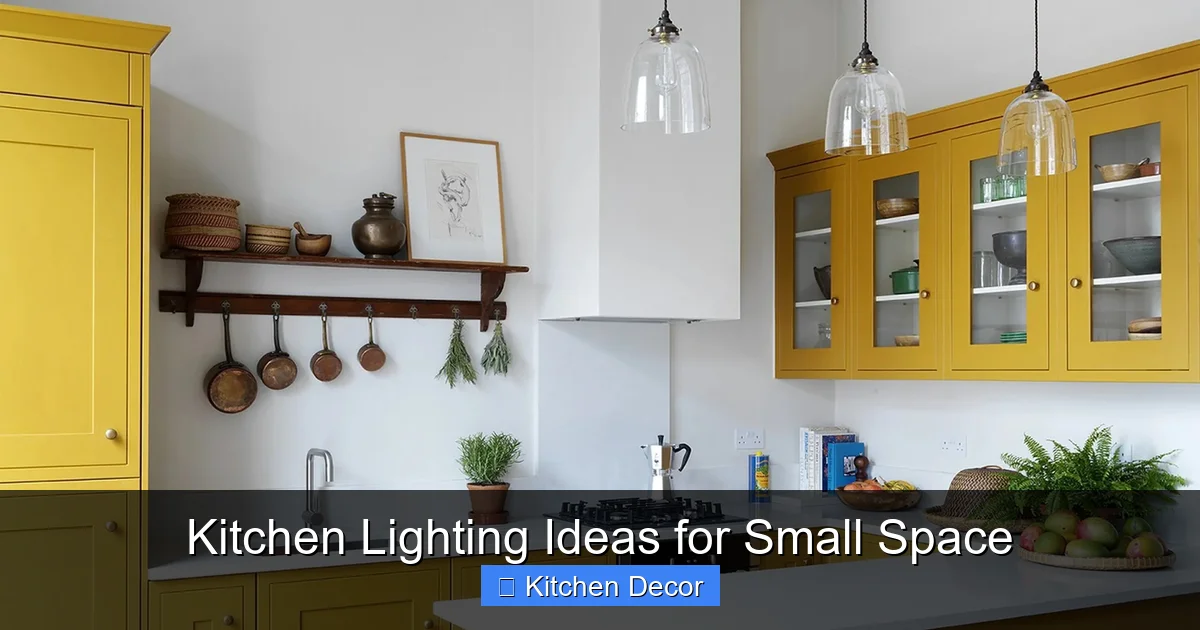
Transform your compact kitchen with smart lighting solutions. This guide offers comprehensive kitchen lighting ideas for small space, focusing on maximizing brightness, functionality, and style without clutter. Learn to layer ambient, task, and accent lighting effectively to create an inviting and efficient culinary hub, making your small kitchen feel larger and more welcoming.
Kitchen Lighting Ideas for Small Space
Welcome to the ultimate guide for illuminating your compact culinary haven! If you have a small kitchen, you know that every inch counts, and that includes how you light it. Good lighting isn’t just about brightness; it’s about creating an illusion of space, enhancing functionality, and adding character without overwhelming the room. Poor lighting can make a small kitchen feel cramped, dark, and even unsafe. But don’t worry! With the right kitchen lighting ideas for small space, you can transform your petite kitchen into a bright, inviting, and highly efficient area.
In this comprehensive guide, we’ll walk you through the essential principles of lighting design tailored specifically for compact kitchens. You’ll learn how to choose the right fixtures, layer different types of light, and implement clever tricks to make your small space feel larger and more luxurious. Get ready to banish shadows, embrace brilliance, and discover how strategic lighting can be one of the most impactful upgrades you make to your small kitchen.
Key Takeaways
- Layering is Key: Combine ambient (general), task (work-specific), and accent (decorative) lighting to create a dynamic, functional, and visually appealing small kitchen.
- Prioritize Task Lighting: Ensure ample, shadow-free illumination over your main work zones like countertops, sinks, and stovetops to enhance safety and efficiency.
- Embrace Slim Profiles: Opt for compact, low-profile fixtures like recessed lights, slim under-cabinet strips, and flush mounts to avoid visual clutter and save precious overhead space.
- Utilize Reflective Surfaces: Lighter paint colors, glossy finishes, and reflective backsplashes can bounce light around the room, making a small kitchen feel brighter and more spacious.
- Consider Dimmers and Smart Controls: Dimmable lights and smart switches offer unparalleled flexibility, allowing you to adjust brightness and mood for various activities throughout the day.
- LEDs for Efficiency and Versatility: Choose LED bulbs for their energy efficiency, long lifespan, minimal heat output, and wide range of color temperatures perfect for any small kitchen lighting idea.
- Under-Cabinet Lighting is a Must: This versatile solution provides excellent task lighting for meal prep and also contributes to overall ambient light, brightening often-dark work surfaces.
Understanding the Basics of Kitchen Lighting
Before diving into specific fixtures and placements, it’s crucial to understand the three main types of lighting that work together to create a well-lit space. For small kitchens, mastering this layering technique is paramount.
Ambient Lighting (General Illumination)
This is your kitchen’s overall light source. It’s meant to provide a comfortable level of brightness throughout the entire room, allowing you to move around safely. In a small kitchen, ambient lighting should be discreet and efficient.
Task Lighting (For Specific Work Areas)
Task lighting is focused illumination designed for specific activities like chopping vegetables, reading recipes, or washing dishes. It’s crucial for safety and efficiency, eliminating shadows that general lighting might create.
Accent Lighting (For Aesthetics)
Accent lighting highlights specific features or creates a mood. It adds a touch of drama, draws attention to artwork, or illuminates the inside of glass cabinets. For small spaces, accent lighting should be subtle but impactful.
Decorative Lighting (Style Statement)
While sometimes overlapping with accent lighting, decorative lighting refers to fixtures chosen primarily for their aesthetic appeal. These fixtures can be a focal point, adding personality and style. In a small kitchen, careful selection is key to avoid clutter.
Step 1: Assess Your Small Kitchen’s Needs
Every small kitchen is unique. Before you start buying lights, take a moment to understand your space.

Visual guide about Kitchen Lighting Ideas for Small Space
Image source: jane-athome.com
Evaluate Natural Light
Does your kitchen have windows? How much natural light does it receive throughout the day? A kitchen with ample natural light will require fewer artificial ambient light sources during the daytime.
Identify Work Zones
Where do you typically prepare food, cook, and wash up? These areas (countertops, sink, stove) are prime candidates for task lighting. Don’t forget any small dining or breakfast nooks.
Consider Ceiling Height and Layout
Low ceilings might mean you need flush-mount or recessed options to avoid head bumps or visual obstruction. An open-plan small kitchen might benefit from consistent lighting that flows into adjacent spaces.
Define Your Style
Are you going for modern, farmhouse, industrial, or minimalist? Your lighting choices should complement your overall kitchen aesthetic without overpowering the small space.
Step 2: Choose Smart Ambient Lighting Solutions
The goal for ambient lighting in a small kitchen is to provide uniform brightness without making the ceiling feel lower or the room feel cluttered.

Visual guide about Kitchen Lighting Ideas for Small Space
Image source: st.hzcdn.com
Recessed Lighting (Pot Lights)
Why it works for small spaces: Recessed lights are a small kitchen’s best friend. They are installed directly into the ceiling, taking up no visual space. This creates a clean, uncluttered look that makes the ceiling appear higher. They provide excellent general illumination.
Tips:
- Placement: Distribute them evenly throughout the ceiling. For a small kitchen, 4-6 strategically placed lights might be enough.
- Size: Opt for smaller diameter fixtures (e.g., 3-4 inches) to maintain a minimalist look.
- Dimmers: Always install recessed lights on a dimmer switch to adjust the brightness for different times of day or activities.
Flush Mount or Semi-Flush Mount Fixtures
Why it works for small spaces: If recessed lighting isn’t an option (due to budget or ceiling structure), a flush mount (sits directly against the ceiling) or a semi-flush mount (hangs a few inches down) can provide good ambient light. They offer a decorative touch without taking up too much vertical space.
Tips:
- Profile: Choose fixtures with a low profile to maximize head clearance and visual space.
- Design: Select simple designs that won’t overwhelm the room. Glass or acrylic diffusers can spread light more broadly.
- Quantity: One central fixture might suffice for a very small kitchen, but consider adding another if it’s longer.
Track Lighting (A Versatile Option)
Why it works for small spaces: Track lighting offers incredible flexibility. A single track can hold multiple adjustable heads, allowing you to direct light exactly where it’s needed for both ambient and task purposes. This is especially good for long, narrow small kitchens.
Tips:
- Directional Heads: Use some heads to bounce light off the ceiling for general ambient light, and others to direct light towards countertops as task lighting.
- Sleek Design: Choose modern, slim track systems that blend into the ceiling.
- LEDs: Opt for LED track heads for energy efficiency and a clean, bright light.
Under-Cabinet Lighting (Doubles as Task and Ambient)
Why it works for small spaces: While primarily known as task lighting, under-cabinet lighting contributes significantly to overall ambient light, especially in a small kitchen where wall cabinets often create shadows. It brightens countertops and makes the space feel larger and more inviting.
Tips: We’ll delve deeper into this in the task lighting section, but remember its dual role here.
Step 3: Master Task Lighting for Functionality
This is where you truly make your small kitchen shine in terms of usability. Shadow-free task lighting is essential for safety and efficiency.

Visual guide about Kitchen Lighting Ideas for Small Space
Image source: suite101.com
Under-Cabinet Strip Lights (LEDs are Best)
Why it works for small spaces: This is arguably the most important task lighting for any kitchen, especially a small one. It directly illuminates your countertops, where most of your prep work happens. LEDs are slim, energy-efficient, and produce very little heat.
Tips:
- Continuous Strips: Opt for continuous LED light strips or puck lights placed very close together for seamless illumination, avoiding dark spots.
- Color Temperature: Choose a color temperature that matches your other lights (usually 3000K-4000K for a warm to neutral white).
- Placement: Install them towards the front of the cabinet to illuminate the entire counter surface, not just the backsplash.
Pendant Lights (Strategic Placement)
Why it works for small spaces: While tricky in a tiny kitchen, small, strategically placed pendant lights can be excellent task lighting over a small island, peninsula, or even a compact sink area. They provide focused downlight.
Tips:
- Size Matters: Choose very small, slender pendants. Avoid large, bulky fixtures that will visually shrink the room.
- Clear or Open Shades: Pendants with clear glass or open metal shades allow light to spread more broadly and don’t feel as heavy visually.
- Height: Ensure they are hung at a height that doesn’t obstruct views or create head-bumping hazards (typically 30-36 inches above the counter).
- Quantity: For a small space, one or two small pendants are usually enough.
In-Drawer or In-Cabinet Lights
Why it works for small spaces: These are clever little additions that illuminate the insides of drawers or cabinets when opened. While not essential, they improve visibility and make finding items much easier in a small, potentially dark cabinet. They’re often battery-operated LED strips, making installation simple.
Tips:
- Motion Activated: Look for options that automatically turn on when the door or drawer opens.
- Placement: Install along the inside frame or top of the cabinet/drawer.
Step 4: Incorporate Accent and Decorative Lighting
Even in a small kitchen, accent lighting can add personality and depth. The trick is to keep it subtle and integrated.
Toe-Kick Lighting
Why it works for small spaces: Installing LED strips under your base cabinets, at the toe-kick level, creates a floating effect for your cabinetry and adds a soft, ambient glow. This makes the floor area seem larger and can be a fantastic night light. It’s a subtle way to add an upscale touch to your kitchen lighting ideas for small space.
Tips:
- Warm White: A warmer color temperature can create a cozy, inviting atmosphere.
- Dimmable: Connect it to a dimmer for full control over the mood.
Glass Cabinet Lighting
Why it works for small spaces: If you have glass-front cabinets, placing small LED puck lights or strips inside can illuminate your dishware, making them a display feature. This adds visual interest and a soft glow without cluttering the space.
Tips:
- Minimalist Fixtures: Choose very small, unobtrusive lights.
- Neat Wires: Ensure wiring is neatly hidden for a polished look.
Small Sconces or Picture Lights
Why it works for small spaces: If you have a bare wall, a small piece of art, or open shelving, a minimalist wall sconce or a picture light can add a touch of sophistication. These draw the eye upwards, creating an illusion of height.
Tips:
- Scale: Select sconces that are appropriately sized for your small walls.
- Placement: Consider placing them above a small sink or a decorative element.
Dimmable Options for Mood
Why it works for small spaces: Dimmers are invaluable. They allow you to transition from bright task lighting for cooking to a softer, more relaxed ambient glow for entertaining or late-night snacks. This versatility is key in a small kitchen that might serve multiple functions.
Tips:
- Zone Your Dimmers: Consider having separate dimmers for ambient, task, and accent lighting for maximum control.
- LED Compatible: Ensure your dimmer switches are compatible with LED bulbs.
Step 5: Embrace Lighting Technology and Smart Features
Modern lighting offers fantastic solutions that are perfect for small kitchens, making them more efficient and enjoyable.
LED Efficiency and Longevity
Why it works for small spaces: LEDs are a game-changer. They use significantly less energy, last much longer than traditional bulbs, and produce very little heat – a bonus in a small kitchen where heat can build up quickly. They also come in a wide range of brightness and color temperatures.
Tips:
- Consistency: Try to use LEDs for all your kitchen lighting to ensure a consistent look and feel.
- Lumens: Don’t just look at watts; check the lumens for actual brightness. More lumens mean more light.
Dimmers and Smart Switches
Why it works for small spaces: Beyond basic dimming, smart switches allow you to control your lights via an app, voice commands, or set schedules. Imagine turning on your kitchen lights from your bed, or having them dim automatically as the evening progresses. This adds convenience and a modern touch to your kitchen lighting ideas for small space.
Tips:
- Start Small: Begin with smart dimmers for your main ambient lighting.
- Integration: If you have other smart home devices, choose a system that integrates well.
Color Temperature: Setting the Right Mood
Why it works for small spaces: Color temperature (measured in Kelvin, K) dramatically affects the mood of a room.
- Warm White (2700K-3000K): Creates a cozy, inviting atmosphere. Great for dining areas or if your kitchen has a traditional feel.
- Neutral White (3500K-4000K): A balanced, crisp light that’s excellent for task lighting and general kitchen activities. It’s energizing without being harsh.
- Cool White/Daylight (5000K-6500K): Mimics natural daylight, very bright and stark. Can feel too industrial for some, but can make a small space feel very clean and open.
Tips:
- Mix and Match: You might use neutral white for task lighting and warmer white for ambient or accent lighting.
- Consistency is Key: Try to keep the color temperature consistent within each layer of lighting to avoid a jarring effect.
Practical Tips for Small Kitchen Lighting Success
Beyond specific fixtures, these overarching strategies will help maximize your small kitchen’s potential.
Layer Your Lighting Like a Pro
As mentioned, this is the golden rule. Don’t rely on just one overhead light. Combine ambient, task, and accent lighting to create depth, eliminate shadows, and provide flexibility. For your small kitchen lighting ideas, think of it like building an outfit: different pieces for different purposes.
Choose Slim Profiles and Minimalist Designs
Anything bulky will visually shrink your space. Opt for fixtures that blend in, are flush with surfaces, or have very slender designs. Avoid ornate or heavy chandeliers.
Reflect Light with Surfaces and Materials
Light colors (white, off-white, pale grays) on walls and cabinets will reflect light, making your small kitchen feel larger and brighter. Glossy finishes, stainless steel appliances, and mirrored backsplashes can also bounce light around effectively.
Think Vertical and Utilize Wall Space
If ceiling space is limited, consider wall-mounted sconces that direct light upwards or downwards. This draws the eye vertically, enhancing the perception of height.
Don’t Overdo It: Quality Over Quantity
In a small space, too many fixtures can look cluttered. Focus on strategic placement and the right type of light for each zone rather than trying to cram in too many lights.
Professional Installation for Safety and Aesthetics
While some DIY projects are fine, electrical work, especially in a kitchen, should often be left to the professionals. They ensure safe wiring, proper code compliance, and a clean, finished look, which is crucial for maximizing the impact of your kitchen lighting ideas for small space.
Troubleshooting Common Small Kitchen Lighting Challenges
Even with the best intentions, you might run into some common issues. Here’s how to address them.
My Kitchen is Still Too Dark!
Solution:
- Add More Task Lighting: Ensure all work surfaces have dedicated under-cabinet lighting.
- Boost Ambient Light: Consider adding more recessed lights or a brighter central flush mount.
- Check Bulb Brightness: Are your bulbs high enough in lumens? Upgrade to brighter LED options.
- Lighten Up Surfaces: Paint walls or cabinets a lighter color to reflect more light.
The Lighting Feels Glaring or Harsh.
Solution:
- Install Dimmers: This is the simplest fix. Reduce the brightness until it’s comfortable.
- Check Color Temperature: If your lights are too cool (5000K+), they might feel harsh. Try warmer bulbs (3000K-4000K).
- Add Diffusers: If fixtures have exposed bulbs, consider adding frosted glass or fabric diffusers to soften the light.
Uneven Lighting: Some Areas Are Bright, Others Are Dim.
Solution:
- Re-evaluate Placement: Your ambient lights might not be evenly distributed.
- Strengthen Task Lighting: Ensure under-cabinet lights span the entire length of your counters.
- Consider Track Lighting: Its adjustable heads can help direct light to dark corners.
My Small Kitchen Lacks Style.
Solution:
- Statement Flush Mount: Choose a flush or semi-flush mount with an interesting design.
- Small Decorative Pendants: Over a sink or small island, a single, eye-catching pendant can make a statement.
- Accent Lighting: Toe-kick lighting or in-cabinet lighting adds a sophisticated touch.
- Choose Unique Finishes: Fixtures with brushed brass, matte black, or brushed nickel can elevate the look.
Conclusion
Lighting is a powerful tool, especially in a small kitchen. By thoughtfully applying these kitchen lighting ideas for small space, you can create a culinary environment that feels much larger, brighter, and more functional than its actual footprint suggests. Remember to layer your lighting, prioritize task areas, choose slim and unobtrusive fixtures, and leverage modern LED technology. Don’t be afraid to experiment with color temperature and dimmers to set the perfect mood for every occasion.
Your small kitchen doesn’t have to feel cramped or dull. With smart lighting design, it can become a shining example of efficiency and style. So, go ahead, illuminate your space, and enjoy the beautiful, bright, and highly practical kitchen you deserve!