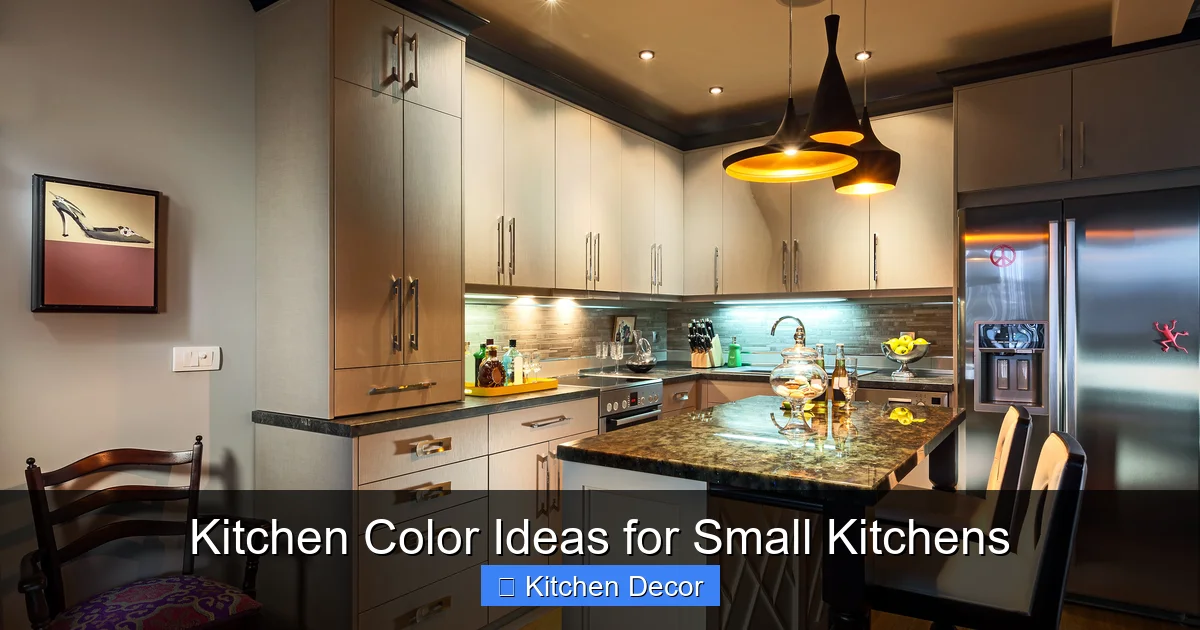
Transforming a small kitchen into a spacious, inviting haven is all about smart color choices. This guide provides comprehensive kitchen color ideas for small kitchens, focusing on light, reflective hues, and strategic accents to create an illusion of greater space. Learn how to select the perfect palette for walls, cabinets, countertops, and backsplashes to make your small kitchen feel larger, brighter, and more functional.
Kitchen Color Ideas for Small Kitchens
Welcome to the ultimate guide for transforming your compact cooking space! If you’ve ever felt like your small kitchen is more cramped closet than culinary haven, you’re not alone. Many homeowners grapple with the challenge of making a modest kitchen feel spacious, bright, and utterly inviting. The good news? Color is one of the most powerful tools you have to achieve this transformation.
Choosing the right kitchen color ideas for small kitchens can dramatically alter the perception of space, light, and mood. It’s not just about picking a pretty shade; it’s about strategic design that leverages visual psychology to make your kitchen feel larger, airier, and more functional. In this comprehensive guide, we’ll walk you through everything you need to know, from foundational principles to specific color palettes and practical application tips. By the end, you’ll be equipped with the knowledge to select the perfect colors that make your small kitchen truly shine.
Key Takeaways
- Embrace Light Colors: Light, reflective colors like white, cream, pale gray, and pastels are your best friends. They bounce light around the room, making a small kitchen feel significantly larger and more open.
- Consider Monochromatic or Limited Palettes: Sticking to a cohesive color scheme with minimal variations helps create a seamless flow, preventing the space from feeling choppy or cluttered. A two-tone approach can also work well if done strategically.
- Use Cool Tones Strategically: Cool colors such as light blues and greens tend to recede visually, which can make walls appear further away, contributing to a sense of expanded space in your small kitchen.
- Prioritize Cabinet Color: Cabinets dominate a small kitchen’s visual space. Opt for light-colored cabinets that blend with the walls or choose a subtle contrasting shade for base cabinets to ground the room without overwhelming it.
- Integrate Reflective Surfaces: Beyond paint, incorporate materials like glossy tiles, stainless steel appliances, and polished countertops. These surfaces reflect light, enhancing the bright and airy feel of your small kitchen.
- Don’t Forget Lighting: Even the best color scheme needs good lighting. Layered lighting (ambient, task, accent) brightens the entire space, making chosen colors pop and further expanding the visual footprint of your kitchen.
- Test, Test, Test: Always test paint samples on your walls. Colors can look dramatically different under your kitchen’s unique lighting conditions and next to existing elements, so seeing them in situ is crucial before committing.
Step 1: Understand the Goal – Creating the Illusion of Space
When it comes to kitchen color ideas for small kitchens, your primary objective is to make the room feel bigger than it actually is. This isn’t magic; it’s smart design. Certain colors and combinations have a remarkable ability to push walls out, lift ceilings, and flood a room with light, all without knocking down a single wall.
H3: Light Colors Are Your Best Friends
Think of light colors as space expanders. Shades like crisp white, soft cream, pale gray, and light pastels reflect light rather than absorbing it. This reflection makes a room feel brighter and more open. When light bounces around, it creates an illusion of greater depth and makes the boundaries of the room seem further away. Dark colors, conversely, tend to absorb light, making surfaces appear closer and spaces feel more enclosed.
H3: Cool Tones Can Recede
Beyond just light vs. dark, consider the temperature of your colors. Cool colors (blues, greens, purples) tend to recede visually, meaning they appear to move away from you. Warm colors (reds, oranges, yellows) tend to advance, meaning they appear to come closer. For small kitchens, strategic use of light, cool tones can be incredibly effective in making walls appear further away, thus enlarging the space.
Step 2: Embrace a Cohesive Color Palette
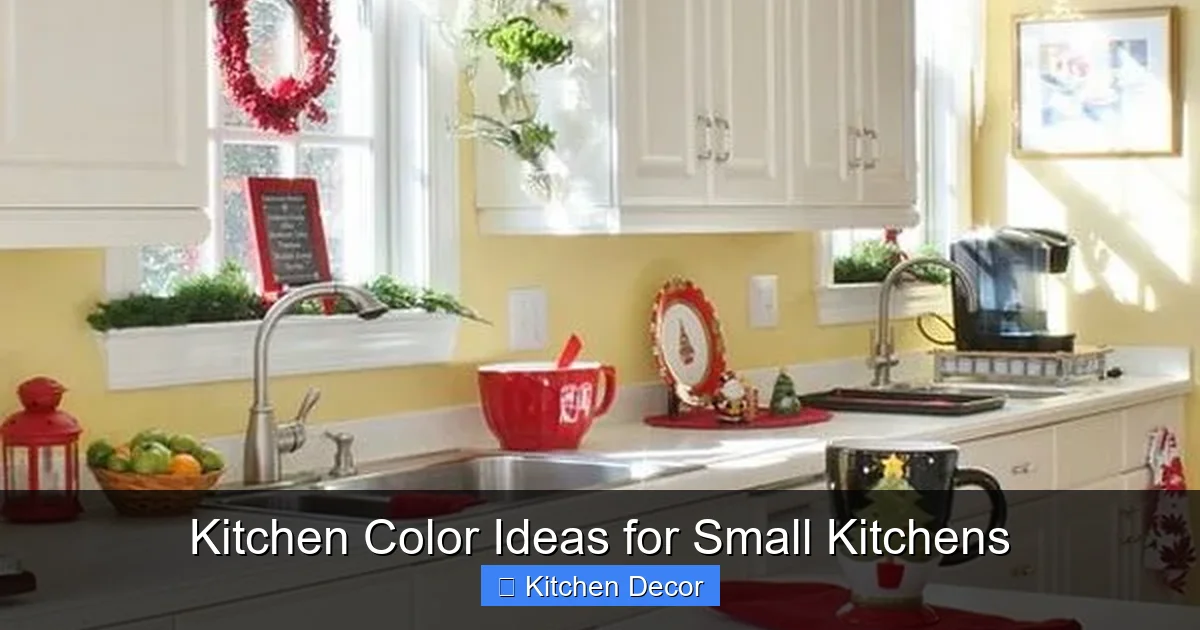
Visual guide about Kitchen Color Ideas for Small Kitchens
Image source: notedlist.com
A cluttered look, whether from too many physical items or too many competing colors, will make a small kitchen feel even smaller. A cohesive color palette is key to creating a seamless, expansive feel.
H3: The Power of Monochromatic Schemes
A monochromatic scheme uses different shades, tints, and tones of a single color. For example, various shades of light gray, from almost white to a medium slate. This approach creates a smooth visual flow, eliminating harsh breaks that can chop up a small space. It allows the eye to travel easily around the room, making it feel more expansive.
H3: Limited Color Palettes for Harmony
If a monochromatic look feels too one-note for your taste, opt for a limited palette, typically two to three main colors. The key is to ensure these colors harmonize beautifully and don’t create visual chaos. For instance, a light neutral background with one or two complementary accent colors. This strategy helps maintain a sense of order and spaciousness.
Step 3: Choose Your Primary Wall Color Wisely
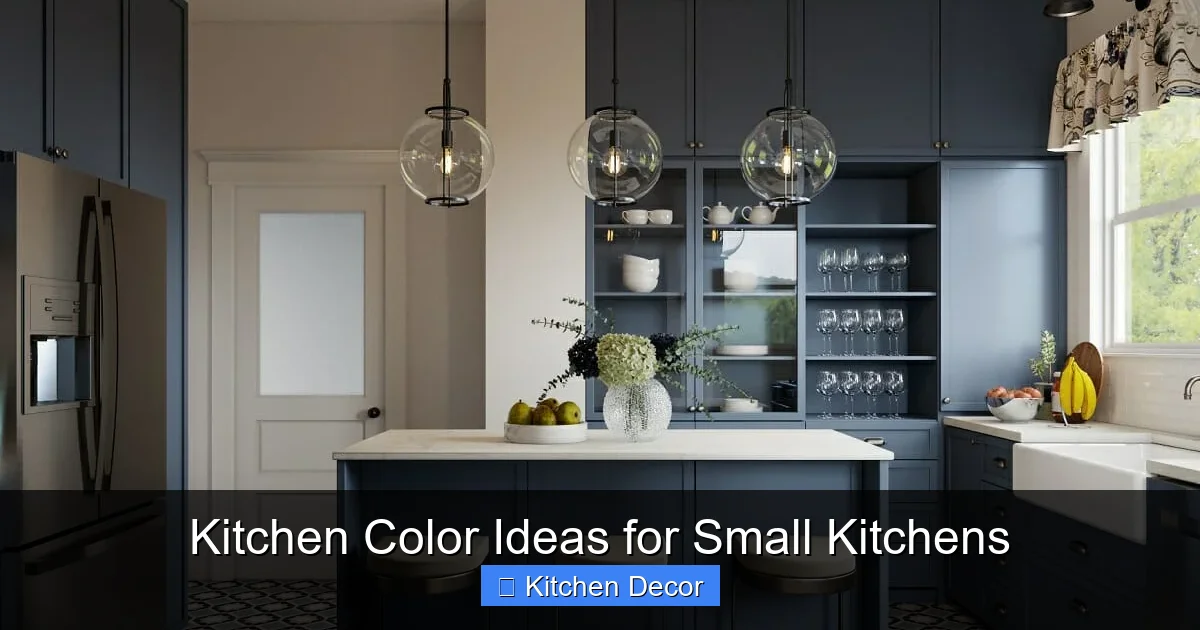
Visual guide about Kitchen Color Ideas for Small Kitchens
Image source: decorilla.com
The walls are the largest surface area in your kitchen, making their color choice paramount for small kitchens.
H3: Whites and Off-Whites for Maximum Brightness
Pure white is a timeless choice for small kitchens. It’s the ultimate light reflector, making any space feel airy and pristine. However, pure white can sometimes feel stark. Off-whites, like cream, ivory, or warm whites with subtle undertones (e.g., a hint of yellow or pink), offer softness while still maximizing brightness. Cool whites with a touch of blue or gray can feel very contemporary and crisp.
H3: Pale Grays for Sophistication
Light gray is another excellent option. It offers a sophisticated alternative to white, providing a subtle depth without sacrificing brightness. Pale grays with blue or green undertones can further enhance the feeling of space due to their cool nature. Be careful with very dark grays, as they can quickly shrink a small kitchen.
H3: Soft Pastels for a Gentle Touch
Don’t be afraid of color! Very pale pastels like mint green, sky blue, butter yellow, or blush pink can work wonders. These soft hues bring personality and warmth without overwhelming the space. They still reflect light well and can make your small kitchen feel cheerful and inviting.
Step 4: Select Cabinet Colors That Expand
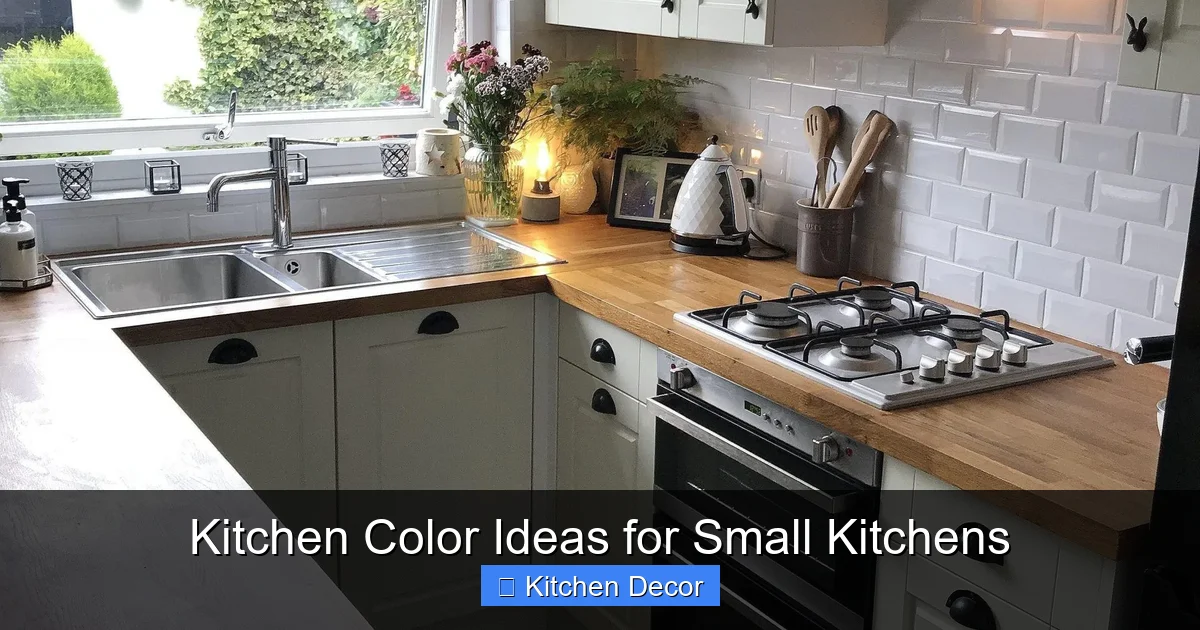
Visual guide about Kitchen Color Ideas for Small Kitchens
Image source: i.pinimg.com
Cabinets take up a significant amount of visual real estate in any kitchen, especially a small one. Their color choice is critical for opening up the space.
H3: Light-Colored Cabinets Are a Go-To
Just like walls, light-colored cabinets are generally the best choice for small kitchens. White, off-white, light gray, or even pale wood tones (like birch or light maple) help cabinets blend with the walls, creating a seamless look that expands the room. This continuity makes the kitchen feel less cluttered and more open.
H3: Consider a Two-Tone Approach (Carefully!)
A popular trend is two-tone cabinets, where upper and lower cabinets are different colors. For a small kitchen, this can work, but with caveats. Always keep the upper cabinets lighter than the lower ones, or even match them to the wall color. This draws the eye upwards, making the ceiling feel higher. Darker base cabinets can ground the space, but avoid anything too heavy. For example, light gray upper cabinets with a slightly darker charcoal gray on the bottom can add depth without feeling oppressive.
H3: Glass Fronts and Open Shelving
While not strictly a color idea, incorporating glass-front cabinet doors or open shelving for some upper cabinets can visually lighten the space. They reduce the visual bulk of solid cabinetry, allowing the eye to see through to the wall behind, further enhancing the feeling of openness. Ensure items displayed are neatly organized to avoid visual clutter.
Step 5: Choose Countertop and Backsplash Colors
These surfaces, though smaller than walls and cabinets, play a significant role in tying your kitchen’s color scheme together and contributing to the feeling of space.
H3: Light Countertops for Brightness
Opt for light-colored countertops in materials like quartz, granite, or laminate. White, light gray, or marble-effect patterns will reflect light and keep the visual flow consistent with light cabinets and walls. A dark countertop can create a strong horizontal line that can visually cut off the space.
H3: Backsplashes – Seamless or Subtle Texture
For the backsplash, consider continuity. A backsplash that matches your wall color or is a very subtle variation can make the space feel continuous. Using subway tiles in white, cream, or a light pastel color (with matching grout if possible) is a classic choice that adds texture without adding visual weight. Reflective materials like glass tiles can also amplify light. Avoid busy patterns or very dark colors that can overwhelm a small kitchen.
Step 6: Don’t Forget the Floor
The floor is another large surface area that can impact the perception of space in your small kitchen.
H3: Light-Colored Flooring
Much like walls and cabinets, lighter flooring choices can make a small kitchen feel larger and brighter. Pale wood, light-colored tiles, or even light vinyl can contribute to an airy feel. A uniform floor color throughout the kitchen and adjoining areas can also create a seamless transition, extending the perceived boundaries of the kitchen.
H3: Subtle Patterns or Solid Colors
If you choose tiles, stick to solid colors or very subtle, small patterns. Large, busy patterns can make a small floor feel even smaller and more cluttered. The goal is to avoid anything that breaks up the visual flow too much.
Step 7: Introduce Accents and Pops of Color Strategically
While the main rule for small kitchens is “keep it light and bright,” this doesn’t mean your kitchen has to be boring! Strategic accents can add personality without overwhelming the space.
H3: Small Bursts of Boldness
Use your accent colors in small doses: a vibrant stand mixer, colorful dish towels, a bright piece of artwork, or a vase of fresh flowers. These small pops of color draw the eye without visually shrinking the room. They add energy and personal style.
H3: Metallic Accents for Shine
Metallic finishes like brushed nickel, chrome, or even gold in hardware, light fixtures, or small appliances can add a touch of glamour and reflect light, further enhancing the brightness of your small kitchen.
H3: Natural Elements for Warmth
Don’t underestimate the power of natural wood accents or indoor plants. A small cutting board, a wooden stool, or a few potted herbs can add warmth, texture, and a touch of organic color without making the space feel smaller.
Step 8: The Role of Lighting in Your Kitchen Color Ideas for Small Kitchens
The best color scheme in the world won’t look its best without proper lighting. Lighting dramatically affects how colors are perceived and is crucial for making a small kitchen feel expansive.
H3: Maximize Natural Light
If you have windows, keep them uncovered or use sheer curtains to let in as much natural light as possible. Natural light is the ultimate space enhancer.
H3: Layer Your Artificial Lighting
Small kitchens benefit greatly from layered lighting:
- Ambient Lighting: Overheard fixtures (flush mounts, recessed lights) to provide general illumination.
- Task Lighting: Under-cabinet lights are essential for brightening countertops and making food prep areas functional and well-lit.
- Accent Lighting: Small spotlights or decorative pendants (if space allows) to highlight architectural features or artwork.
Well-lit corners and surfaces will make your kitchen feel larger and more inviting.
Step 9: Test Your Colors Before Committing
This step is non-negotiable! Paint colors can look completely different on a small sample chip than they do on an entire wall, and they change throughout the day with varying light conditions.
H3: Purchase Samples
Buy small sample pots of your top 2-3 color choices.
H3: Paint Swatches Directly on Your Walls
Paint large swatches (at least 2’x2′) on different walls in your kitchen. If you’re considering two-tone, paint swatches side-by-side where they would meet.
H3: Observe Throughout the Day
Live with these swatches for a few days. See how the colors look in morning light, afternoon sun, and under your artificial kitchen lighting at night. This will give you the most accurate representation of how the colors will truly appear in your small kitchen.
Step 10: Common Mistakes to Avoid with Small Kitchen Color Ideas
Even with the best intentions, it’s easy to make mistakes that can inadvertently shrink your small kitchen.
H3: Overuse of Dark Colors
While a small dark accent can work, painting entire walls or all cabinets in a dark color will make your small kitchen feel like a cave. Reserve darker hues for very limited applications.
H3: Too Many Clashing Colors or Patterns
Visual clutter is the enemy of small spaces. Avoid busy wallpaper patterns, multiple bold wall colors, or highly patterned backsplashes and floors. Keep it simple and cohesive.
H3: Ignoring Undertones
Colors aren’t always what they seem. A “gray” might have a green, blue, or even purple undertone that clashes with your existing flooring or countertops. Always check undertones by comparing samples with your fixed elements.
H3: Forgetting About Flow
If your kitchen opens directly into another room, consider how your kitchen colors transition. A jarring color change can make both spaces feel smaller. Aim for a harmonious flow.
Conclusion
Choosing the right kitchen color ideas for small kitchens is a powerful way to transform a cramped space into an open, airy, and inviting hub. By embracing light, reflective hues, employing cool tones strategically, and maintaining a cohesive palette for walls, cabinets, countertops, and flooring, you can create the illusion of ample space. Remember to layer your lighting, introduce thoughtful accents, and always, always test your colors in situ. With these tips and a little creativity, your small kitchen won’t just look bigger; it will feel like the heart of your home you’ve always dreamed of. Happy decorating!