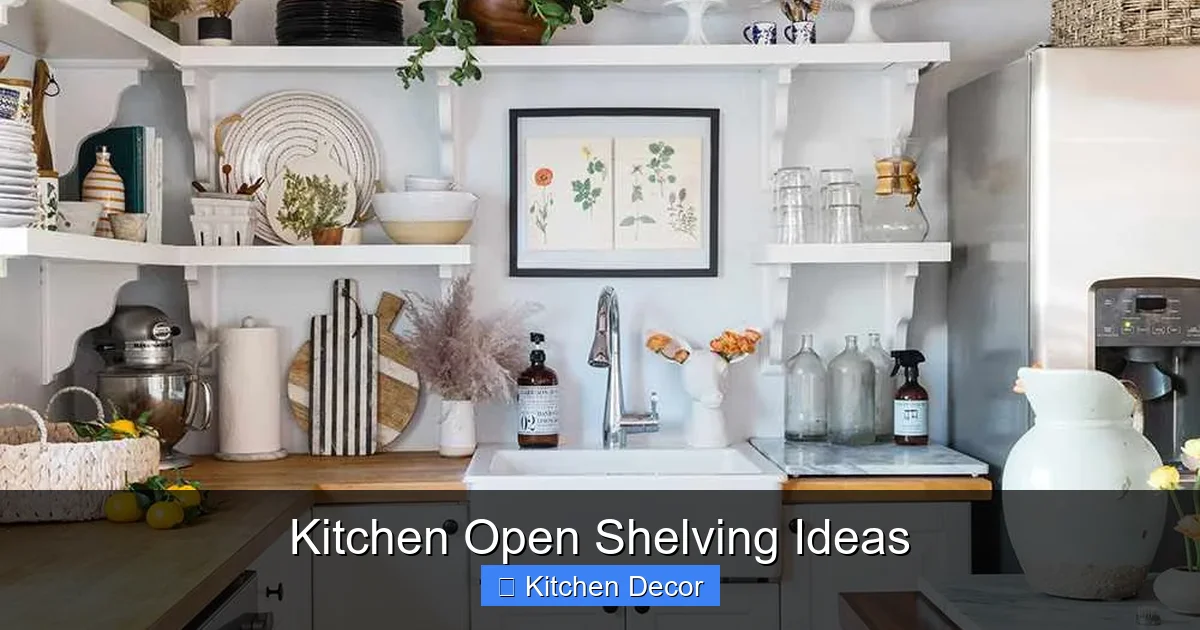
Transform your kitchen with stunning open shelving ideas that blend functionality and style. This guide provides comprehensive advice on selecting the right location, materials, and styling techniques to create a visually appealing and organized space. Discover how to incorporate these versatile shelves to showcase your favorite items and enhance your kitchen’s overall aesthetic.
Are you dreaming of a kitchen that feels more spacious, modern, and personal? Do you wish you could display your beautiful dishware, cookbooks, or unique decor items instead of hiding them behind closed cabinet doors? If so, then exploring kitchen open shelving ideas might be the perfect solution for you!
Open shelving has become a beloved trend in kitchen design, and for good reason. It offers a fantastic way to add character, lighten up a space, and make your kitchen feel more inviting and accessible. But it’s not just about aesthetics; open shelves can be incredibly practical too, keeping your most-used items within easy reach.
This comprehensive guide will walk you through everything you need to know about incorporating kitchen open shelving ideas into your home. From initial planning and choosing the right style to expert styling tips and maintenance advice, we’ll help you create a functional and beautiful kitchen that truly reflects your style. Get ready to transform your culinary space with confidence and creativity!
Key Takeaways
- Plan Thoughtfully: Before installing, assess your needs, lifestyle, and what items you truly want to display. This informs location, material, and layout decisions for your kitchen open shelving ideas.
- Prioritize Style & Material: Choose shelving materials (wood, metal, glass) and styles (floating, bracketed) that complement your existing kitchen decor and desired aesthetic. Durability and weight capacity are crucial considerations.
- Strategic Placement Matters: Think about ergonomics and visual balance when placing shelves. Common areas include above countertops, near the sink, or in corners, always considering access and potential splash zones.
- Master the Art of Styling: Balance function and aesthetics by curating items, using varying heights, textures, and colors. Incorporate decorative pieces like plants or art alongside everyday essentials for visual interest.
- Maintain Organization: Open shelves demand regular tidying and decluttering. Use bins or baskets for smaller, less aesthetic items to prevent visual clutter and keep your kitchen looking pristine.
- Consider Practicalities: Be mindful of dust accumulation and splash zones. Choose items that are easy to clean or frequently used to minimize maintenance, ensuring your kitchen open shelving ideas remain beautiful and functional.
Step 1: Assess Your Needs and Lifestyle
Before you even think about drilling holes, take a moment to consider how you use your kitchen and what you want your open shelves to achieve. This foundational step is crucial for successful kitchen open shelving ideas.
What Will You Store? Everyday Essentials or Decorative Items?
- Everyday Items: If you plan to store plates, bowls, cups, or spices, think about their frequency of use. Items used daily or weekly are perfect for open shelving because they’re always clean and accessible.
- Decorative Items: Do you have beautiful ceramics, vintage finds, cookbooks, or plants you want to showcase? Open shelves are ideal for adding personality and warmth to your kitchen.
- Mix of Both: Most people opt for a blend. Consider grouping similar items or using decorative elements to break up the functional pieces.
Consider Your Cooking Habits
Are you a gourmet chef who whips up elaborate meals daily, or do you prefer simple, quick dishes? Heavy-duty cooking might mean more splashes and steam, requiring more frequent cleaning of items on open shelves. This awareness helps in selecting the right kitchen open shelving ideas for your lifestyle.
Evaluate Your Current Storage Situation
Do you desperately need more storage, or are you just looking to add visual interest? Open shelves can free up cabinet space, but they aren’t always a direct replacement for ample closed storage, especially for less attractive items like canned goods or bulky appliances.
Step 2: Choose the Right Location for Your Open Shelves
Location is everything when it comes to effective kitchen open shelving ideas. The placement will dictate functionality, aesthetics, and ease of use.
Above Countertops
This is perhaps the most common and practical spot. Placing open shelves above your main work surfaces keeps frequently used items like mugs, plates, or spices conveniently close at hand. Ensure there’s enough clearance between the countertop and the bottom shelf for comfortable working.
Near the Sink or Stove
While convenient, be mindful of splash zones. If placing shelves very close to the sink or stove, choose materials that are easy to wipe clean, like glazed ceramics or certain woods. Only display items that are regularly used and can withstand a little spray or steam.
Under Windows
Open shelves under or across windows can be incredibly charming. They allow natural light to still flow through, keeping the kitchen bright and airy. They’re perfect for displaying plants, decorative items, or less frequently used dishware that won’t obstruct the view.
Corner Shelves
Don’t let corners go to waste! Corner open shelving ideas are excellent for maximizing storage in often-underutilized spaces. They can provide a nice visual flow and are great for displaying smaller decorative items or stacking a few bowls.
Floating vs. Bracketed
- Floating Shelves: These are shelves installed directly into the wall with no visible support, offering a sleek, minimalist look. They’re very popular for modern kitchen open shelving ideas.
- Bracketed Shelves: Supported by visible brackets, these can range from rustic metal brackets to ornate decorative ones. They offer a more traditional, industrial, or farmhouse aesthetic and often provide greater weight capacity.
Step 3: Select Your Shelving Style and Materials
The material and style of your open shelves significantly impact your kitchen’s overall look and feel. Explore various kitchen open shelving ideas to find your perfect match.
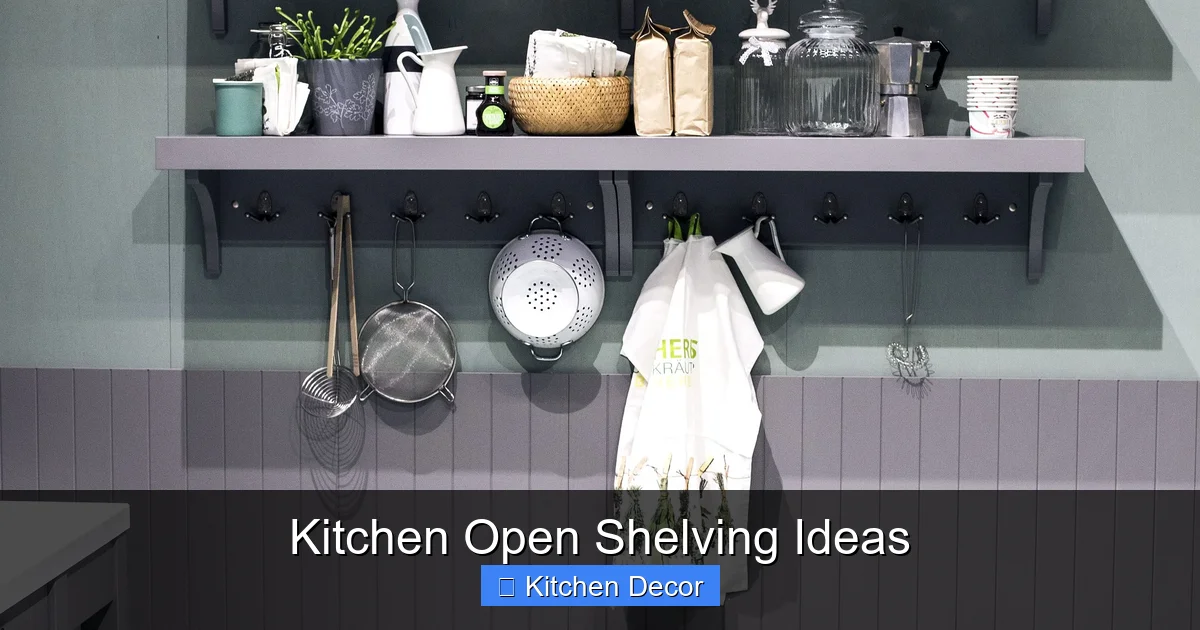
Visual guide about Kitchen Open Shelving Ideas
Image source: cdn.decoist.com
Material Matters
- Wood: Timeless and versatile. Wood shelves can be rustic, modern, or traditional depending on the finish and type of wood (e.g., reclaimed wood for farmhouse, sleek stained wood for contemporary). They add warmth and texture.
- Metal: Often combined with wood for an industrial look, or as standalone wire shelving for a commercial kitchen vibe. Metal is durable and can handle heavier loads.
- Glass: Elegant and light, glass shelves create an airy feel and are perfect for displaying delicate items or glassware. They’re great for smaller kitchens as they don’t visually take up much space.
- Laminate/Melamine: A more budget-friendly option that can mimic wood or other finishes. Ensure they are moisture-resistant for kitchen use.
- Stone/Marble: For a luxurious and high-end look, stone or marble shelves can make a significant design statement, though they are heavy and require strong support.
Style for Your Space
- Floating Shelves: Ideal for minimalist and contemporary kitchens, these give a clean, uncluttered look.
- Bracketed Shelves: From simple L-brackets to elaborate scrollwork, brackets offer a chance to add architectural detail. Perfect for farmhouse, industrial, or traditional kitchen open shelving ideas.
- Pipe Shelving: Using plumbing pipes as supports creates a distinctly industrial and edgy aesthetic, often paired with distressed wood planks.
- Built-in Shelves: If you’re undertaking a full kitchen remodel, consider custom built-in shelves that seamlessly integrate with your cabinetry for a polished look.
Finish and Color
Do you want your shelves to blend in or stand out? Match your existing cabinetry or trim for a cohesive look, or choose a contrasting color or material to make them a focal point. For instance, dark wood shelves in a white kitchen can create stunning contrast.
Step 4: Plan the Layout and Dimensions
Once you’ve decided on the location and style, it’s time to get specific about the practical dimensions of your kitchen open shelving ideas.
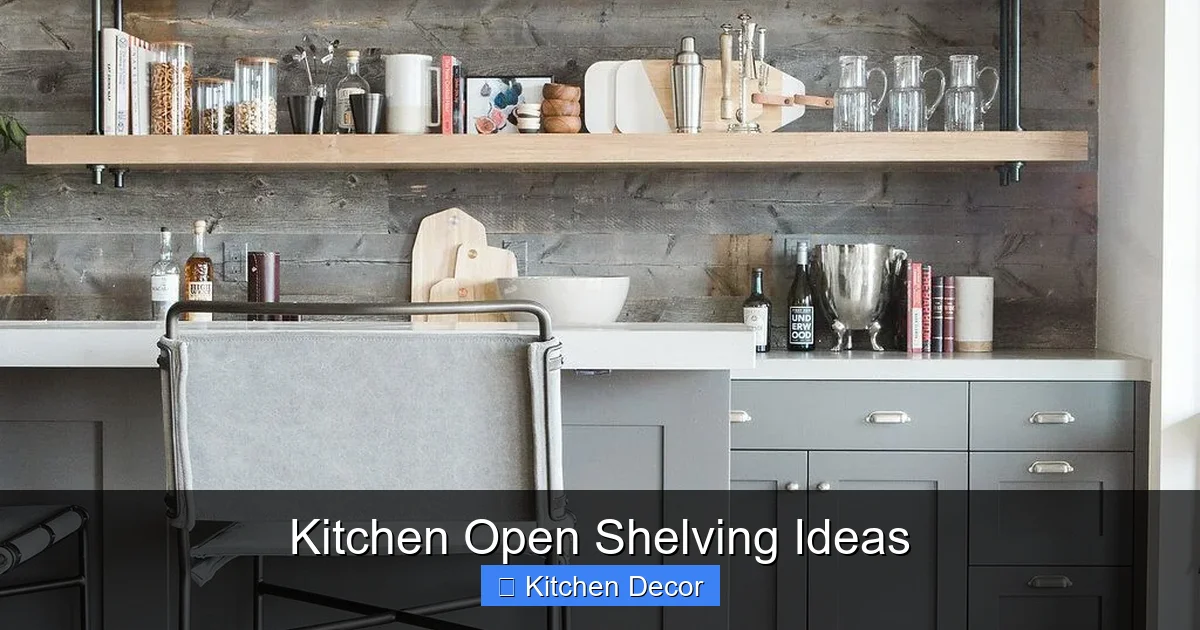
Visual guide about Kitchen Open Shelving Ideas
Image source: cdn.homedit.com
Height and Spacing
- Ergonomics: Place shelves at a height that is comfortable for you to reach and access items. Typically, the lowest shelf is about 18-24 inches above the countertop, similar to standard upper cabinets.
- Visual Balance: Don’t cram too many shelves into one space. Allow for “breathing room” between shelves (10-16 inches is common) to prevent a cluttered look and accommodate taller items.
- Consistency: Maintain consistent spacing between shelves for a neat appearance, especially if they are in a row.
Depth of Shelves
Most kitchen open shelves are 8-12 inches deep. This depth is usually sufficient for plates, bowls, and glasses without protruding too far into your workspace. Deeper shelves can hold larger items but might feel intrusive in a smaller kitchen.
Weight Capacity
This is critical. Ensure your shelves and their mounting hardware can support the weight of the items you plan to store. Plates and heavy ceramic bowls can add up quickly. Always install shelves into wall studs when possible, or use heavy-duty wall anchors.
Drawing it Out
Before any installation, draw your proposed kitchen open shelving ideas on paper or even tape off the desired dimensions on your wall with painter’s tape. This helps visualize the placement and ensures you’re happy with the layout.
Step 5: Installation Tips
While this guide focuses on ideas, a few practical installation notes are essential for solid kitchen open shelving ideas.
Gather Your Tools
You’ll likely need a stud finder, level, drill, measuring tape, and appropriate screws and anchors. Safety first – wear eye protection.
Find the Studs
Always try to secure your shelves directly into wall studs. This provides the strongest support, especially for heavy items. If studs aren’t available, use toggle bolts or heavy-duty drywall anchors designed for significant weight.
Level is Key
Nothing looks worse than crooked shelves. Use a level extensively during installation to ensure everything is perfectly straight. This attention to detail will make your kitchen open shelving ideas look professionally done.
Consider Professional Help
If you’re unsure about DIY installation, especially for heavy floating shelves or complex layouts, don’t hesitate to hire a handyman or carpenter. It’s an investment in safety and peace of mind.
Step 6: The Art of Styling Your Open Shelves
Now for the fun part! Styling is where your kitchen open shelving ideas truly come to life. This is about balancing practicality with personality.
Balance Function and Aesthetics
Don’t just put things on the shelves; arrange them with intention. Group everyday items in neat stacks and intersperse them with beautiful decorative pieces.
Grouping Items for Visual Appeal
- By Color: Grouping items of similar colors (e.g., all white ceramics, or a collection of blue glass) creates a cohesive and calming look.
- By Material: Mix materials like wood, ceramic, and metal, but arrange them so they complement each other rather than clash.
- By Type: Keep all your mugs together, then your small plates, then your bowls. This makes retrieval easy and looks organized.
Incorporate Decorative Elements
- Plants: Small potted plants, herbs, or trailing vines add life, color, and a touch of nature to your shelves.
- Art & Photos: Lean small framed prints or family photos against the back of the shelf.
- Cookbooks: Display your most attractive cookbooks, either stacked horizontally or standing upright with bookends.
- Unique Finds: Showcase pottery, vases, or sentimental objects that reflect your personal style.
Utilize Negative Space
Resist the urge to fill every inch. Negative space (empty areas) allows the eye to rest and makes the displayed items stand out more. It also prevents the shelves from looking cluttered.
Vary Heights and Textures
Arrange items at different heights. Tall vases next to a stack of smaller plates, or a short plant beside a collection of standing mugs. This creates visual interest and dynamism. Mix smooth ceramics with rough wood, or shiny metal with matte finishes.
Add Task or Accent Lighting
Under-shelf lighting can highlight your displayed items and provide useful task lighting for your countertops. Small LED strip lights or puck lights are excellent for this and elevate the look of your kitchen open shelving ideas.
Seasonal Styling
Open shelves are a fantastic way to update your kitchen decor with the seasons. Swap out certain decorative items for seasonal colors, holiday themes, or fresh flowers.
Step 7: Maintenance and Organization
Open shelving, while beautiful, does require a bit more attention than closed cabinets. Proactive maintenance ensures your kitchen open shelving ideas always look their best.
Regular Dusting
Dust is the inevitable downside of open shelving. Make dusting a part of your regular cleaning routine – perhaps once a week or every few days, depending on your home’s dust levels. Dust the shelves themselves and wipe down any items on them.
Keep Items Tidy
The beauty of open shelving lies in its neatness. Always put items back in their designated spots, ensuring stacks are straight and groups remain cohesive. A messy open shelf quickly becomes an eyesore.
Declutter Regularly
It’s easy for things to accumulate. Periodically review your shelves and remove anything that no longer serves a purpose, isn’t aesthetically pleasing, or has migrated there by accident. Embrace minimalism on your open shelves.
Utilize Baskets and Bins
For smaller, less attractive items (like spice packets, tea bags, or mismatched utensils), use attractive baskets, bins, or decorative canisters. This keeps clutter hidden while maintaining the open look, a smart trick for many kitchen open shelving ideas.
Troubleshooting Common Open Shelving Challenges
Even with the best intentions, you might run into a few hurdles with your kitchen open shelving ideas. Here are some common issues and how to tackle them.
Challenge: Excessive Dust Accumulation
- Solution 1: Frequent Cleaning: As mentioned, make dusting a regular habit.
- Solution 2: Strategic Placement: Avoid placing delicate items that are difficult to clean on shelves near high-traffic or high-dust areas.
- Solution 3: Choose Low-Maintenance Items: Display items that are used often (so they get washed regularly) or are easy to wipe clean (e.g., glazed ceramics, glass).
Challenge: The Clutter Problem
- Solution 1: Be Selective: Only put items on display that are genuinely beautiful or frequently used. If you don’t love it or use it, it doesn’t belong on an open shelf.
- Solution 2: Use Containers: Employ pretty bins, baskets, or decorative canisters to corral smaller, less attractive items.
- Solution 3: Regular Decluttering: Commit to a monthly or quarterly decluttering session where you reassess everything on your shelves.
Challenge: Visually Overwhelming Space
- Solution 1: Embrace Negative Space: Don’t feel the need to fill every gap. Leaving some breathing room makes the display more intentional and less busy.
- Solution 2: Cohesive Color Palette: Stick to a limited color palette for your displayed items. Neutrals, whites, and one or two accent colors work well.
- Solution 3: Edit, Edit, Edit: If it feels too busy, start removing items one by one until it feels right. Less is often more with kitchen open shelving ideas.
Challenge: Shelves Feeling Flimsy or Unstable
- Solution 1: Re-evaluate Installation: If you installed them yourself, double-check that they are properly secured into studs or using appropriate heavy-duty anchors.
- Solution 2: Redistribute Weight: Ensure heavier items are spread out or placed on shelves with the most robust support.
- Solution 3: Professional Assessment: If you’re concerned about safety, have a professional handyman inspect and reinforce the installation.
Conclusion
Embracing kitchen open shelving ideas is a wonderful way to inject personality, functionality, and a touch of modern style into your home. By thoughtfully planning, selecting the right materials and placement, and mastering the art of styling, you can create a kitchen that feels both open and inviting.
Remember, open shelving is a journey of creativity and curation. It might take a little experimentation to get it just right, but the payoff is a beautiful, personalized space that truly reflects who you are. So, go ahead, get inspired, and start dreaming up your perfect kitchen open shelving ideas today!