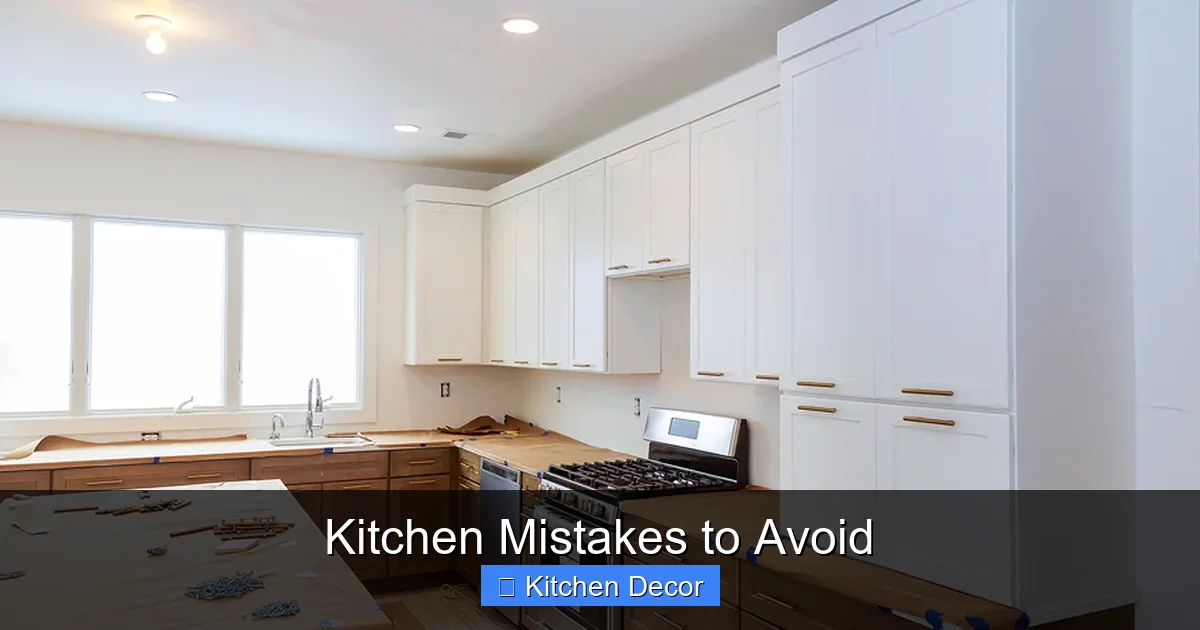
This comprehensive guide reveals how to identify and prevent common kitchen mistakes to avoid, ensuring a safer and more enjoyable cooking experience. You’ll learn essential tips on food safety, proper cooking techniques, efficient organization, and smart cleaning habits to transform your culinary journey. Say goodbye to kitchen mishaps and hello to delicious, stress-free meals by implementing these practical strategies.
Kitchen Mistakes to Avoid
Cooking at home is a wonderful way to enjoy delicious meals, save money, and get creative. However, even the most seasoned home cooks can fall victim to common kitchen blunders. These mistakes can range from minor annoyances that impact taste to serious errors that compromise food safety. But don’t worry! This guide is here to help you identify and rectify the most common kitchen mistakes to avoid. By understanding these pitfalls and learning simple preventive measures, you can transform your kitchen into a safer, more efficient, and more enjoyable space, leading to consistently better culinary results.
We will explore various aspects of kitchen life, from food safety and cooking techniques to organization and cleaning. You’ll gain practical tips and actionable advice to improve your skills, enhance your efficiency, and prevent those frustrating kitchen mishaps. Let’s dive in and make your cooking journey smoother and more successful!
Key Takeaways
- Prioritize Food Safety: Always handle and store food properly to prevent cross-contamination and foodborne illnesses, ensuring ingredients are thawed, cooked, and stored at safe temperatures.
- Master Basic Techniques: Invest time in learning fundamental knife skills, understanding ingredient preparation, and developing a palate for seasoning, as these are crucial kitchen mistakes to avoid for better cooking.
- Embrace Organization: A decluttered and well-organized kitchen improves efficiency, reduces stress, and helps you easily find what you need, making it one of the simplest kitchen mistakes to avoid.
- Maintain Tools and Appliances: Regular cleaning and proper usage of your kitchen tools and appliances extend their lifespan and ensure they perform optimally, preventing costly replacements and poor cooking results.
- Minimize Waste Intelligently: Plan meals, shop wisely, and store food correctly to reduce food waste, saving money and contributing to a more sustainable kitchen.
- Stay Safe and Vigilant: Be aware of potential hazards like fires, slippery surfaces, and sharp objects to prevent accidents, creating a safer environment for everyone in your kitchen.
1. Food Safety First: Preventing Contamination & Illness
Food safety is perhaps the most critical area where kitchen mistakes to avoid truly matter. Improper handling can lead to foodborne illnesses, which are entirely preventable. Paying close attention to how you thaw, prepare, and store food is non-negotiable.
Incorrect Thawing Methods
Thawing food on the countertop is a common and dangerous mistake. Bacteria can multiply rapidly at room temperature, especially on the outer layers of food while the inside remains frozen.
- The Mistake: Leaving frozen meat, poultry, or seafood on the kitchen counter for hours to thaw.
- Why It’s Bad: The “danger zone” for bacterial growth is between 40°F (4°C) and 140°F (60°C). Food should not be in this zone for more than two hours.
- How to Avoid It: Always thaw food safely using one of these methods:
- In the Refrigerator: This is the safest method. Plan ahead, as it can take a full day for every 5 pounds of food.
- In Cold Water: Place food in a leak-proof bag and submerge it in cold tap water, changing the water every 30 minutes. Cook immediately after thawing.
- In the Microwave: Use the defrost setting and cook the food immediately after thawing, as some areas may begin to cook.
Cross-Contamination Catastrophes
Cross-contamination occurs when bacteria from raw food spread to ready-to-eat food. It’s one of the easiest kitchen mistakes to avoid with simple practices.
- The Mistake: Using the same cutting board for raw chicken and then for chopping vegetables without washing it, or placing cooked food back on a plate that held raw meat.
- Why It’s Bad: Raw meat, poultry, seafood, and eggs can carry harmful bacteria like Salmonella and E. coli.
- How to Avoid It:
- Designate Boards: Use separate cutting boards for raw meats and produce, or thoroughly wash and sanitize boards between uses.
- Clean Thoroughly: Wash hands, utensils, and surfaces with hot, soapy water before and after handling raw foods.
- Separate Storage: Store raw meats on the bottom shelf of your refrigerator to prevent juices from dripping onto other foods.
Improper Cooking Temperatures
Undercooking food is a prime example of kitchen mistakes to avoid that can lead to serious health issues. You need to kill harmful bacteria by cooking food to a safe internal temperature.
- The Mistake: Guessing if food is cooked by its color or texture, especially with poultry or ground meat.
- Why It’s Bad: Visual cues are unreliable. Food can look cooked on the outside but still harbor bacteria on the inside.
- How to Avoid It: Invest in a food thermometer. Check internal temperatures:
- Poultry (whole or ground): 165°F (74°C)
- Ground Meats (beef, pork, lamb): 160°F (71°C)
- Fresh Beef, Pork, Veal, Lamb (steaks, roasts, chops): 145°F (63°C) with a 3-minute rest time
- Fish: 145°F (63°C)
Leaving Food Out Too Long
Leaving perishable food out at room temperature for extended periods is a significant food safety concern.
- The Mistake: Forgetting to refrigerate leftovers or prepared dishes after dinner or a party.
- Why It’s Bad: Cooked food left in the danger zone allows bacteria to multiply quickly.
- How to Avoid It: Refrigerate perishable foods within two hours (or one hour if the ambient temperature is above 90°F / 32°C). Divide large amounts of food into shallow containers to cool faster in the fridge.
2. Mastering Cooking Techniques: From Prep to Plate
Beyond safety, many kitchen mistakes to avoid relate to technique. Improving these areas will directly impact the taste and quality of your meals.
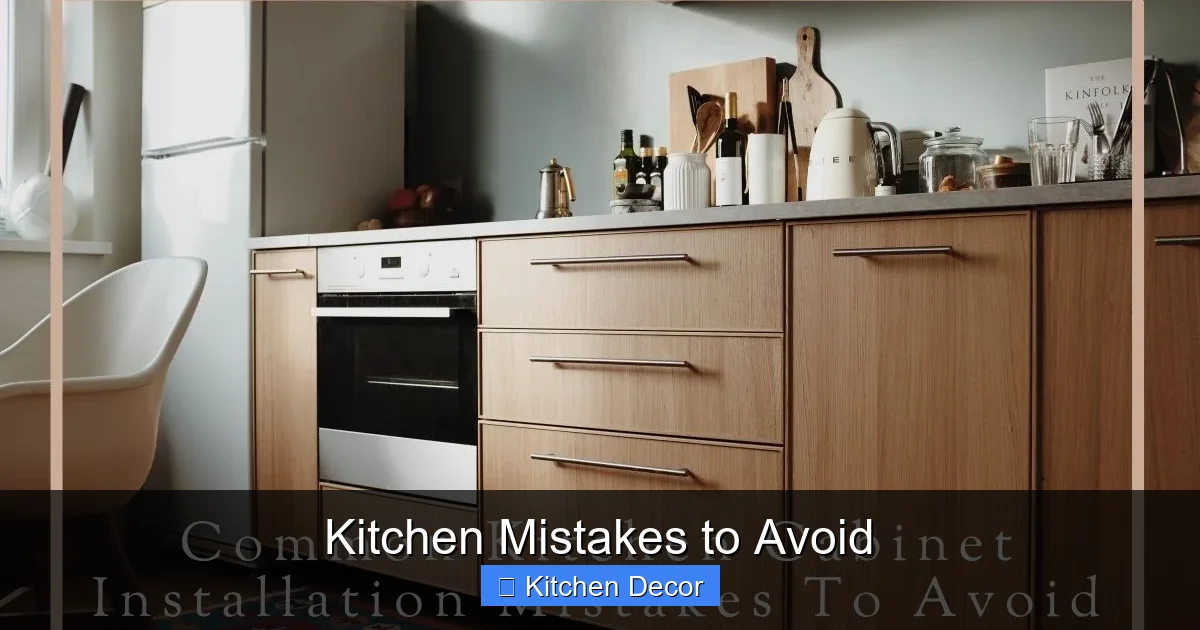
Visual guide about Kitchen Mistakes to Avoid
Image source: kitchenandvanity.ca
Poor Knife Skills
Inefficient or unsafe knife handling can lead to frustration, uneven cuts, and even injury.
- The Mistake: Using dull knives, improper grip, or rushing through chopping tasks.
- Why It’s Bad: Dull knives are more dangerous than sharp ones because they require more force, increasing the chance of slipping. Poor technique leads to inconsistent piece sizes, which cook unevenly.
- How to Avoid It:
- Keep Knives Sharp: Regularly sharpen and hone your knives. A sharp knife glides through food with less effort and more control.
- Learn Proper Grip: Hold the knife handle firmly with your dominant hand, and use the “claw” grip with your non-dominant hand to protect your fingertips.
- Practice: Start with simpler vegetables and practice basic cuts. Watch online tutorials for guidance.
Ignoring Ingredient Preparation (Mise en Place)
“Mise en place” (everything in its place) is a fundamental culinary concept that many home cooks overlook.
- The Mistake: Starting to cook without having all ingredients prepped (chopped, measured, etc.).
- Why It’s Bad: You’ll be scrambling mid-recipe, potentially burning ingredients or adding them out of sequence, leading to a frantic and less enjoyable cooking experience.
- How to Avoid It: Before you even turn on the stove, read the entire recipe. Then, chop all vegetables, measure all spices, and have everything ready to go in separate bowls or containers.
Overcrowding the Pan
This is a common error, especially when trying to speed up cooking.
- The Mistake: Piling too much food (e.g., vegetables, meat) into a single pan.
- Why It’s Bad: Instead of searing or caramelizing, the food will steam. This results in soggy, lackluster results rather than beautifully browned and flavorful dishes.
- How to Avoid It: Cook in batches. Give your ingredients space in the pan so moisture can evaporate, allowing for proper browning and crisping. It might take a little longer, but the quality difference is immense.
Incorrect Seasoning (Or Lack Thereof)
Seasoning is the soul of cooking. It’s one of the biggest kitchen mistakes to avoid for flavor.
- The Mistake: Only seasoning at the very end, or not seasoning enough throughout the cooking process.
- Why It’s Bad: Flavors build in layers. Salt and other seasonings help draw out and enhance the natural flavors of ingredients. Adding salt only at the end can make food taste one-dimensional or harsh.
- How to Avoid It:
- Season in Layers: Add a pinch of salt and pepper (or other spices) at various stages of cooking – when sautéing vegetables, seasoning meat, and again before serving.
- Taste as You Go: This is crucial! Constantly taste your food and adjust seasonings as needed. Remember, you can always add more, but you can’t easily take it away.
Not Tasting As You Go
This is related to seasoning but extends to overall flavor balance.
- The Mistake: Waiting until the dish is completely finished before tasting it.
- Why It’s Bad: By the time you taste, it might be too late to make significant adjustments, such as adding more liquid, spices, or acid.
- How to Avoid It: From the moment you start adding ingredients, take small tastes. Use a clean spoon each time. This allows you to adjust flavors, textures, and balance throughout the cooking process, ensuring a perfectly seasoned dish.
3. Smart Kitchen Organization & Efficiency
A well-organized kitchen is a joy to cook in. Avoiding organizational kitchen mistakes to avoid can save you time, stress, and money.
Visual guide about Kitchen Mistakes to Avoid
Image source: postinfographics.com
Cluttered Countertops
Countertops are prime real estate in any kitchen.
- The Mistake: Allowing unnecessary appliances, gadgets, and dirty dishes to accumulate on your countertops.
- Why It’s Bad: Clutter reduces your workspace, makes cleaning harder, and creates a sense of chaos. It also makes it harder to focus on cooking.
- How to Avoid It:
- Declutter Regularly: Only keep frequently used items on the counter. Store less-used appliances in cabinets or a pantry.
- Clean As You Go: Wipe down spills immediately and put away ingredients as you finish with them. Wash or load dishes into the dishwasher while food is cooking.
Disorganized Pantry & Fridge
A messy pantry or fridge is a breeding ground for forgotten ingredients and wasted food.
- The Mistake: Shoving groceries into any available space, leading to forgotten items and expired food.
- Why It’s Bad: You can’t see what you have, leading to duplicate purchases, wasted food, and difficulty finding ingredients when you need them.
- How to Avoid It:
- “First In, First Out” (FIFO): When putting away groceries, move older items to the front and newer items to the back.
- Use Bins & Labels: Organize similar items together in bins or on shelves. Label containers for easy identification.
- Regular Purges: Once a week, quickly scan your fridge and pantry for anything expired or nearing expiration.
Lack of Workflow Planning
An efficient kitchen minimizes unnecessary movement.
- The Mistake: Storing pots and pans far from the stove, or spices in a different area from your cooking zone.
- Why It’s Bad: Inefficient layout creates extra steps and frustration during cooking.
- How to Avoid It: Arrange your kitchen into “zones.”
- Prep Zone: Near your sink and cutting boards, with knives and small tools.
- Cooking Zone: Near the stove/oven, with pots, pans, spatulas, and frequently used spices.
- Storage Zone: Pantry and fridge for ingredients.
4. Tool & Appliance Care: Extending Lifespan & Performance
Your kitchen tools and appliances are investments. Neglecting them is one of the many avoidable kitchen mistakes to avoid that can cost you in the long run.
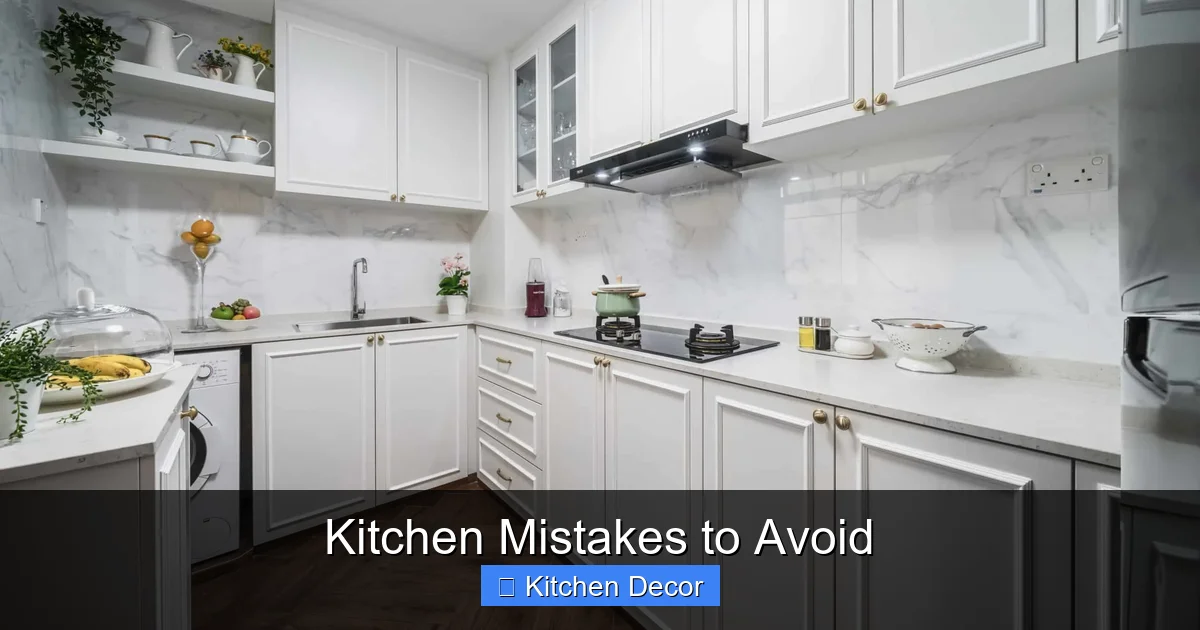
Visual guide about Kitchen Mistakes to Avoid
Image source: weiken.com
Using the Wrong Tools for the Job
Every tool has a purpose. Misusing them can damage both the tool and your food.
- The Mistake: Using a metal spatula on a non-stick pan, or using a paring knife for heavy-duty chopping.
- Why It’s Bad: Metal utensils can scratch non-stick coatings, rendering them ineffective and potentially releasing harmful chemicals. Using the wrong knife can lead to inefficient cuts or damage the blade.
- How to Avoid It:
- Understand Your Tools: Read labels and understand the intended use of each utensil.
- Invest Wisely: Build a collection of essential tools for various tasks, such as silicone spatulas for non-stick, sturdy wooden spoons, and a variety of sharp knives.
Neglecting Appliance Cleaning
From your microwave to your oven, appliances need regular attention.
- The Mistake: Letting spills dry and accumulate inside microwaves, ovens, or refrigerators.
- Why It’s Bad: Built-up grime can harbor bacteria, create odors, reduce efficiency, and even pose fire hazards (in ovens).
- How to Avoid It:
- Wipe Up Spills Immediately: Don’t let food dry and harden.
- Regular Deep Cleans: Schedule regular cleaning for your microwave (weekly), refrigerator (monthly), and oven (quarterly or as needed).
- Follow Manufacturer Instructions: Use appropriate cleaning products and methods for each appliance.
Improper Storage of Cookware
Pots and pans need careful handling when not in use.
- The Mistake: Stacking non-stick pans directly on top of each other without protection.
- Why It’s Bad: This can scratch and damage the non-stick coating, reducing the pan’s effectiveness and lifespan.
- How to Avoid It:
- Use Protectors: Place paper towels, felt protectors, or thin cloths between stacked pans.
- Hang Where Possible: If you have the space, hanging pots and pans can be an excellent storage solution.
5. Waste Not, Want Not: Reducing Food & Resource Waste
Food waste is a significant problem, both for your wallet and the environment. Avoiding these kitchen mistakes to avoid can make a big difference.
Impulse Buying & Over-Purchasing
Walking into a grocery store without a plan often leads to buying more than you need or can use.
- The Mistake: Buying ingredients on a whim or in bulk without a specific plan to use them.
- Why It’s Bad: Leads to food expiring before it can be used, creating waste and costing you money.
- How to Avoid It:
- Meal Plan: Plan your meals for the week before you shop.
- Make a List: Stick to your grocery list.
- Check Inventory First: Always check your fridge, freezer, and pantry before shopping to avoid buying duplicates.
Ignoring Expiration Dates
Expiration and “best by” dates are important, though sometimes misinterpreted.
- The Mistake: Assuming food is good indefinitely or missing dates completely.
- Why It’s Bad: Consuming expired food can be unsafe. Letting food spoil before its date leads to waste.
- How to Avoid It:
- Understand Dates: “Use by” dates relate to safety, while “best by” or “sell by” dates relate to quality.
- Regular Checks: Periodically check dates in your fridge and pantry and prioritize using items nearing their expiration.
Improper Food Storage
Storing food incorrectly dramatically reduces its shelf life.
- The Mistake: Storing fruits and vegetables improperly, or leaving opened packages exposed to air.
- Why It’s Bad: Fresh produce wilts, spoils, or ripens too quickly. Opened items become stale or develop freezer burn.
- How to Avoid It:
- Know Your Produce: Some fruits and vegetables (like bananas and tomatoes) should not be refrigerated. Others (like apples and onions) emit ethylene gas that can ripen nearby produce faster.
- Airtight Containers: Use airtight containers or resealable bags for opened packages and leftovers to maintain freshness.
- Use Your Freezer: Freeze leftovers, bread, or excess produce before it spoils.
6. General Kitchen Safety: Avoiding Accidents
The kitchen can be a hazardous place if you’re not careful. Preventing accidents is paramount, making these kitchen mistakes to avoid crucial for everyone’s well-being.
Ignoring Fire Hazards
Kitchen fires are all too common and often preventable.
- The Mistake: Leaving cooking food unattended, placing flammable items near heat sources, or having greasy stovetops.
- Why It’s Bad: Unattended cooking is the leading cause of kitchen fires. Grease fires can ignite quickly and spread.
- How to Avoid It:
- Stay Attentive: Never leave cooking food unattended, especially when frying or broiling.
- Clear the Area: Keep dishtowels, paper towels, curtains, and other flammable materials away from the stovetop and oven.
- Clean Regularly: Wipe down greasy surfaces and clean your oven regularly.
- Fire Extinguisher: Keep a functional fire extinguisher in an easily accessible spot.
Slippery Floors
Spills happen, but ignoring them is dangerous.
- The Mistake: Leaving spills on the floor, especially water or oil.
- Why It’s Bad: Wet or greasy floors are a major slip-and-fall hazard, leading to injuries.
- How to Avoid It:
- Wipe Immediately: Clean up any spills on the floor as soon as they occur.
- Use Mats: Consider anti-fatigue mats in high-traffic areas, which can also provide some slip resistance.
Incorrectly Handling Hot Items
Burns are a common kitchen injury.
- The Mistake: Using wet oven mitts, reaching over hot pots, or carrying heavy hot items without proper grip.
- Why It’s Bad: Wet oven mitts conduct heat, leading to burns. Reaching over steam or hot surfaces can cause steam burns. Dropping hot items can cause severe burns and create dangerous messes.
- How to Avoid It:
- Dry Mitts: Always use dry, thick oven mitts or pot holders.
- Lift Away: When opening lids, lift them away from your face to avoid steam burns.
- Stable Grip: Use both hands and ensure a firm grip when carrying hot pots, pans, or baking sheets.
- Turn Handles Inward: Position pot and pan handles inward on the stovetop to prevent accidentally knocking them over.
Conclusion
By diligently working to prevent these common kitchen mistakes to avoid, you’re not just improving your cooking; you’re cultivating a safer, more organized, and ultimately more enjoyable culinary environment. From mastering the nuances of food safety and refining your cooking techniques to optimizing your kitchen’s layout and caring for your tools, each small adjustment contributes to a significant positive change. Embrace these tips, practice them consistently, and watch as your confidence grows and your dishes become more delicious. Your kitchen journey is an ongoing learning process, and by actively avoiding these pitfalls, you’re well on your way to becoming a more skilled and efficient home cook. Happy cooking!