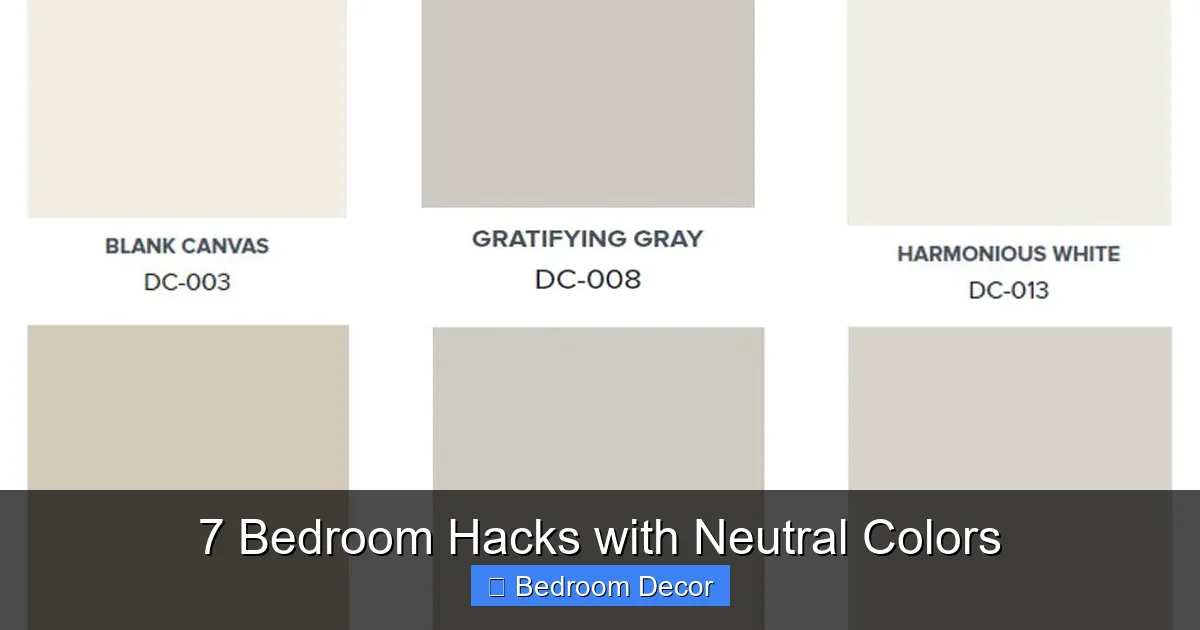
Ready to transform your bedroom into a tranquil haven? Our guide unveils 7 clever bedroom hacks with neutral colors, showing you how to create a calm, stylish, and timeless space. Learn to strategically use whites, grays, and beiges, enhancing them with texture, natural elements, and thoughtful accents to craft your perfect serene retreat.
7 Bedroom Hacks with Neutral Colors
Welcome to the ultimate guide for transforming your bedroom into a tranquil oasis! If you’ve been dreaming of a serene, stylish, and utterly calming space, you’re in the right place. Neutral colors are your secret weapon. Far from being boring, these versatile hues—think whites, creams, beiges, grays, and greiges—offer an incredible foundation for a peaceful and sophisticated bedroom. They create a backdrop that promotes relaxation, allows for flexibility in decor, and never goes out of style.
In this guide, we’ll dive deep into 7 ingenious bedroom hacks that leverage the power of neutral colors. You’ll learn how to build a serene foundation, add depth with texture, infuse warmth with natural elements, and personalize your space without overwhelming it. Whether you’re starting from scratch or looking to refresh an existing room, these practical tips and examples will help you achieve that coveted calm aesthetic. Get ready to unlock the full potential of your bedroom with the timeless beauty of neutral colors!
Key Takeaways
- Embrace a Neutral Foundation: Start with walls, large furniture, and bedding in core neutral colors like white, beige, or light gray to establish a calm and versatile base.
- Layer Textures for Depth: Prevent blandness by incorporating a variety of neutral textures – think chunky knits, smooth linens, soft faux fur, and natural weaves – to add visual interest and warmth.
- Introduce Subtle Organic Elements: Bring nature indoors with wood tones, rattan, stone, and live plants to add warmth, a touch of color, and a grounding feel to your neutral space.
- Play with Strategic Lighting: Utilize layered lighting, including ambient, task, and accent lights with warm bulbs, to enhance the mood and highlight different areas within your neutral bedroom.
- Incorporate Thoughtful Art & Mirrors: Select artwork that complements your neutral palette or offers a subtle pop of muted color, and use mirrors to expand the sense of space and reflect light.
- Prioritize Decluttering & Organization: A neutral bedroom thrives on simplicity and order; maintaining a tidy space allows the serene qualities of neutral colors to truly shine.
- Experiment with Muted Accent Colors: While staying neutral, don’t shy away from introducing very subtle, muted accent colors like sage green, dusty blue, or soft terracotta in small doses for personality.
Hack 1: Build Your Serene Foundation with Core Neutrals
The first and most crucial step in creating a truly calming bedroom is to establish a strong, serene foundation using core neutral colors. This means focusing on the largest surfaces and pieces of furniture that anchor the room. Think of it as painting a beautiful, blank canvas that’s ready for subtle enhancements.
Choose Your Dominant Neutral Palette
Start by deciding on your primary neutral color family. Do you prefer the crispness of bright whites, the warmth of creamy beiges, the modern edge of grays, or the versatile blend of greige? Each has its own unique feel and impact.
- Whites and Off-Whites: These shades create a bright, airy, and exceptionally clean feel. They reflect light beautifully, making small rooms feel larger. Consider varying shades from stark white to soft ivory for subtle dimension.
- Beiges and Creams: If you’re after warmth and coziness, beige and cream tones are perfect. They bring an inviting, earthy quality that feels comforting and grounded.
- Grays and Greiges: For a sophisticated and contemporary vibe, grays are an excellent choice. Light grays can be very soothing, while greige (a mix of gray and beige) offers wonderful versatility, blending cool and warm undertones.
Apply to Walls, Flooring, and Key Furniture
Once you’ve selected your primary neutral, apply it to the largest surfaces in your bedroom.
- Walls: Painting your walls in a chosen neutral is perhaps the biggest impact hack. It instantly sets the tone for tranquility. Opt for an eggshell or matte finish for a softer, more inviting look that hides imperfections better than a high-gloss paint. For example, a warm off-white can make even a small room feel expansive and incredibly peaceful.
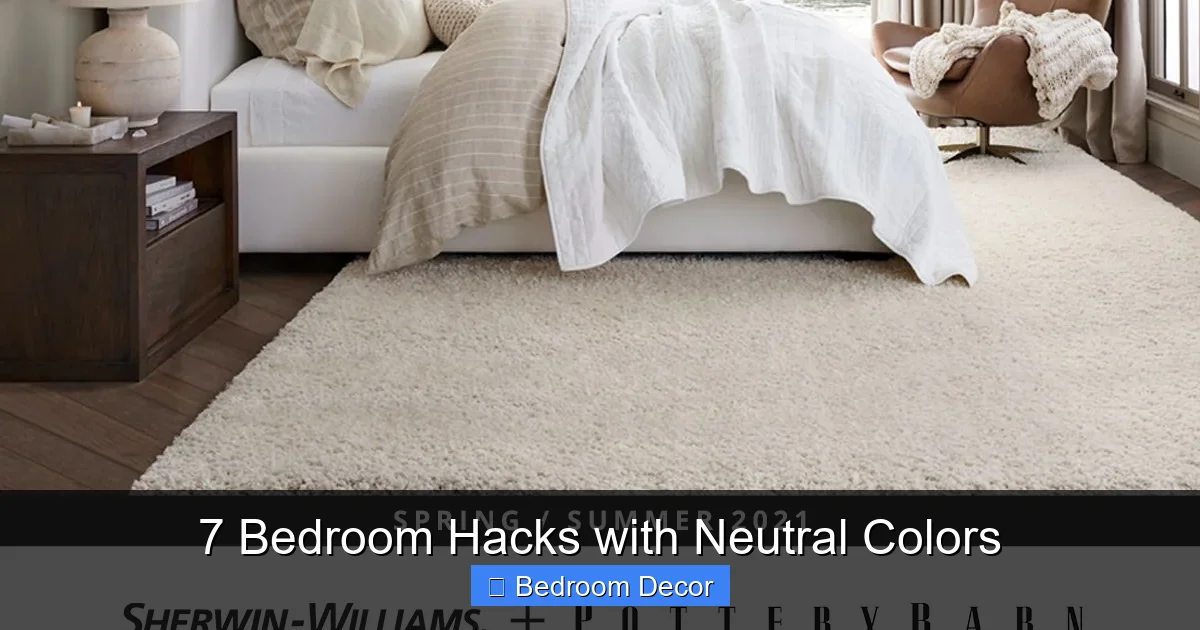
- Flooring: If you’re updating your flooring, consider neutral options like light-colored wood, a neutral-toned carpet (think light gray, beige, or cream), or even a large area rug in a natural fiber like jute or sisal. These choices provide a continuous, calming surface that doesn’t compete for attention.
- Large Furniture Pieces: Your bed frame, dresser, and nightstands are significant visual elements. Choose these in neutral colors or natural wood tones. A white upholstered bed, a light gray dresser, or a simple wooden frame will blend seamlessly into your serene foundation, allowing other elements to shine without overwhelming the space. Imagine a sleek, low-profile bed in a light gray fabric – it’s both modern and incredibly calming.
By establishing this strong neutral base, you create an environment that feels inherently peaceful and sophisticated, ready for the next layers of decor.
Hack 2: Layer Textures for Inviting Depth
One of the biggest misconceptions about neutral colors is that they lead to bland or boring spaces. This couldn’t be further from the truth, especially when you master the art of layering textures. Texture is the secret ingredient that brings neutral bedrooms to life, adding warmth, visual interest, and a luxurious, inviting feel. Without relying on bold colors, you can create a dynamic and engaging space simply by varying the tactile surfaces.
Mix and Match Different Fabric Types
Think beyond just color when selecting your bedding, throws, and curtains. Each fabric brings its own unique texture and feel.
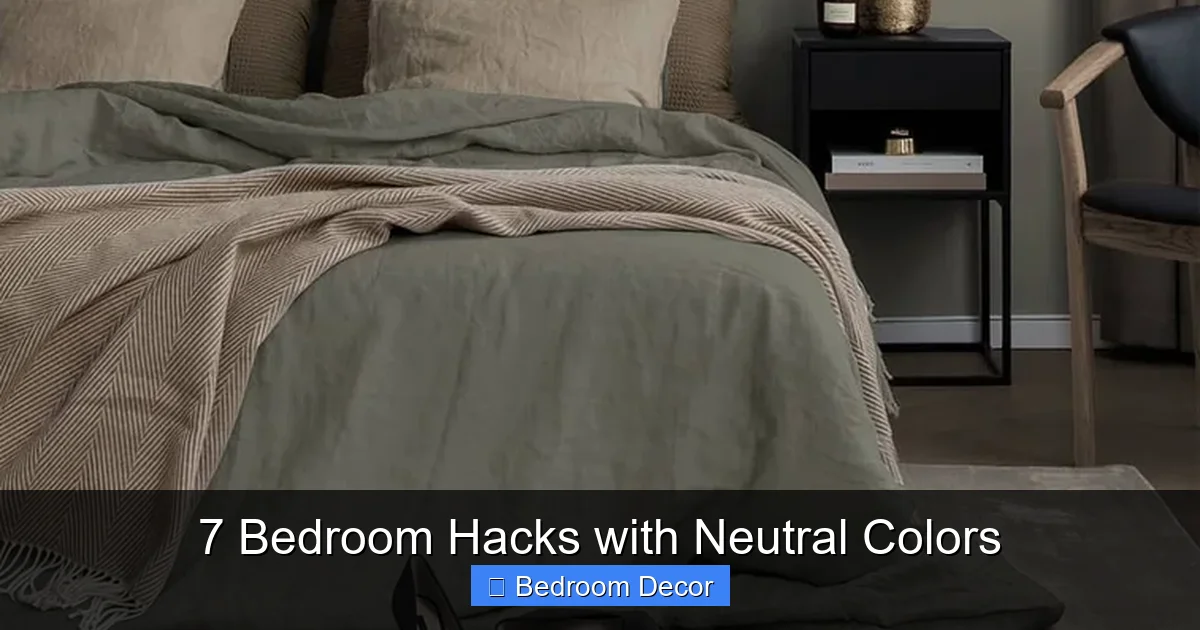
- Bedding: Start with your sheets. Crisp cotton percale offers a cool, clean feel, while linen brings a relaxed, organic texture with beautiful natural wrinkles. For duvet covers, consider a smooth sateen for a touch of luxury, or a washed cotton for softness. Layering a chunky knit throw blanket at the foot of the bed or draped over an accent chair adds instant warmth and visual weight. Imagine the contrast between smooth linen sheets, a soft cotton duvet cover, and a plush cable-knit throw in varying shades of cream and beige – it’s incredibly inviting.
- Pillows: Decorative pillows are perfect for introducing various textures. Mix velvet, faux fur, slubby linen, woven cotton, or even embroidered designs. The variety of textures will make your bed look incredibly inviting and well-styled. For example, combine a large linen sham with a smaller, plush faux fur pillow, and a lumbar pillow in a subtly patterned natural cotton.
- Curtains: Your window treatments also play a big role. Sheer linen curtains allow light to filter in softly while adding an airy texture. Heavier options like a thick cotton or a textured blend can provide more privacy and a sense of coziness.
Incorporate Other Textured Elements
Don’t stop at fabrics. Look for opportunities to bring texture into other elements of your room.
- Rugs: An area rug can dramatically change the feel of a room. Think about a sheepskin rug for ultimate softness, a jute or sisal rug for a natural, rustic feel, or a wool rug with a subtle pattern for added sophistication. A large, fluffy shag rug in a light gray or cream can ground the entire room and add immense comfort underfoot.
- Furniture Finishes: Even your furniture can contribute to texture. A raw wood nightstand, a wicker basket, or a piece with a subtly distressed finish adds character. Consider an upholstered headboard in a textured fabric like bouclé or tweed for an extra layer of softness and visual interest.
- Decor Accessories: Small decor items are fantastic for adding micro-textures. A ceramic vase with a matte finish, a woven tray on your dresser, or a metallic sculpture with a brushed surface all contribute to the rich textural tapestry of your neutral space.
By carefully layering different textures, your neutral bedroom will feel anything but bland. Instead, it will be rich, complex, and incredibly comfortable, inviting you to sink in and relax.
Hack 3: Infuse Warmth with Natural Elements
While neutral colors themselves can be calming, they truly shine when paired with the organic beauty of natural elements. Bringing nature indoors instantly adds warmth, life, and a grounding quality that perfectly complements a serene neutral palette. These elements introduce subtle variations in color, texture, and form, preventing the space from feeling sterile and making it feel more lived-in and inviting.
Integrate Wood Tones and Natural Fibers
Wood is perhaps the most powerful natural element for adding warmth. Its varied grains and tones provide a beautiful contrast to smooth painted walls.
- Furniture: Opt for furniture made from natural wood, whether it’s a solid oak dresser, a walnut nightstand, or a pine bed frame. The natural variations in wood grain add character and warmth that no painted surface can replicate. Even a simple wooden stool can serve as a charming nightstand.
- Accents: Beyond large furniture, incorporate smaller wooden accents like decorative bowls, picture frames, or even a sleek wooden lamp base. Consider a floating wooden shelf to display a few cherished items.
- Woven Elements: Materials like rattan, wicker, and jute add incredible texture and an earthy, bohemian touch. A rattan headboard, a wicker laundry basket, or a jute area rug can instantly warm up a neutral room. These natural fibers are inherently neutral in color but rich in texture, making them ideal for these hacks.
For example, a light gray room instantly feels more welcoming with a rustic oak dresser and a woven jute rug.
Bring in Greenery with Plants
Live plants are non-negotiable for a truly serene and natural bedroom. They introduce a vibrant pop of living color, improve air quality, and bring a sense of tranquility and connection to the outdoors.
- Choose Low-Maintenance Plants: Select plants that thrive in indoor conditions and don’t require constant attention, especially for the bedroom. Snake plants, ZZ plants, Pothos, and peace lilies are excellent choices.
- Strategic Placement: Place plants on nightstands, dressers, or on a tall shelf. A larger floor plant, like a Fiddle Leaf Fig or a bird of paradise, can fill an empty corner and become a beautiful focal point.
- Vary Sizes and Heights: Mix small succulents with trailing plants and larger potted specimens to create visual interest and depth. Pair them with neutral pots made from terracotta, ceramic, or woven baskets to maintain the calm aesthetic.
A crisp white room paired with a vibrant green Fiddle Leaf Fig and some smaller trailing Pothos creates a fresh, lively yet incredibly peaceful atmosphere. The greenery provides that subtle “pop” without breaking the neutral harmony.
Hack 4: Master the Art of Strategic Lighting
Lighting is more than just illumination; it’s a powerful tool for setting the mood, enhancing the aesthetics of your neutral bedroom, and highlighting the textures and elements you’ve so carefully curated. Strategic lighting can transform a flat, neutral space into a warm, inviting sanctuary. The goal is to create layers of light, allowing you to adjust the ambiance for different activities and times of day.
Layer Your Lighting Sources
Think about three main types of lighting: ambient, task, and accent. Combining these will give you complete control over your room’s atmosphere.
- Ambient Lighting: This is your general overhead light, providing overall illumination. Instead of a harsh single ceiling fixture, consider a dimmer switch for your main light or a soft-glowing semi-flush mount fixture. A large pendant light with a diffused shade can also work wonders, casting a gentle, overall glow. For a truly neutral space, opt for fixtures in brushed brass, matte black, or simple ceramic to complement the palette.
- Task Lighting: Essential for activities like reading in bed or getting ready. Bedside lamps are key here. Choose lamps with warm-toned bulbs and shades that diffuse light downwards for reading. Wall-mounted sconces can free up nightstand space and provide excellent directional light. A floor lamp next to a reading chair also serves as perfect task lighting. Look for simple, elegant designs in neutral metals or ceramics that blend seamlessly.
- Accent Lighting: This layer adds drama and highlights specific features. Think about small table lamps on a dresser, a picture light above a piece of art, or even LED strips behind a headboard for a soft, subtle glow. These small lights can draw attention to your chosen textures or natural elements. For example, a small lamp illuminating a plant in the corner can create a beautiful focal point.
Opt for Warm-Toned Bulbs
The color temperature of your light bulbs is crucial in a neutral bedroom. Avoid cool-toned or blue-white light, which can make a neutral room feel stark and uninviting.
- Choose “Soft White” or “Warm White”: Look for bulbs with a color temperature between 2700K and 3000K. These emit a cozy, yellowish glow that mimics natural candlelight and creates a truly relaxing environment.
- Dimmers are Your Friend: Install dimmer switches on all overhead lights and, if possible, on some lamps. This allows you to fine-tune the brightness to perfectly match your mood, whether you’re winding down for the night or need more light for cleaning.
By thoughtfully layering warm-toned lighting, your neutral bedroom will transform from a simple space into a comforting cocoon, inviting relaxation and peace.
Hack 5: Personalize with Art and Mirrors
A neutral bedroom doesn’t mean sacrificing personality. In fact, it provides a perfect canvas for thoughtful artwork and strategically placed mirrors to add character, expand the space, and reflect light. These elements are your opportunity to infuse a touch of personal style without disrupting the serene neutral harmony you’ve carefully cultivated.
Select Thoughtful Artwork
Artwork can be a subtle focal point or a quiet complement, depending on your preference.
- Neutral or Muted Tones: Choose pieces that feature abstract patterns, serene landscapes, or minimalist designs in colors that either match or subtly complement your neutral palette. Think soft grays, warm beiges, muted blues, or earthy greens. For example, a large abstract print with brushstrokes in varying shades of cream and light gray can add visual interest without being overwhelming.
- Texture and Form: Consider artwork that also brings texture, like a woven wall hanging, a piece of textile art, or a sculptural wall piece. These add another layer of depth, reinforcing the textural richness of your room.
- Gallery Wall with Restraint: If you love a gallery wall, keep it cohesive by using frames in consistent neutral tones (e.g., all white, all natural wood, or a mix of black and white) and select artwork that adheres to a neutral or muted color scheme.
- Size and Placement: Don’t be afraid to go big with one significant piece above your headboard or on a large wall. It creates a powerful statement without needing loud colors. For a smaller wall, a pair of complementary pieces or a triptych can work beautifully.
Strategically Place Mirrors
Mirrors are not just for checking your outfit; they are powerful tools for interior design, especially in neutral spaces. They reflect light, make rooms feel larger, and add a touch of elegance.
- Expand the Space: Place a large mirror opposite a window to bounce natural light around the room, making it feel brighter and more open. This is particularly effective in smaller bedrooms. A full-length lean-to mirror against a wall can instantly double the perceived size of the room.
- Create a Focal Point: A beautifully framed mirror can serve as a decorative element in itself. Choose a mirror with an interesting frame – perhaps a simple wooden frame, a delicate metallic one, or even a sleek, frameless design – that aligns with your overall aesthetic. Place it above a dresser or on an empty wall to draw the eye.
- Reflect Desired Views: Position your mirror to reflect something beautiful, like a plant, a piece of art, or an attractive architectural feature. Avoid placing it where it reflects clutter or an unattractive view.
By thoughtfully incorporating art and mirrors, you infuse your neutral bedroom with personality and an elevated sense of design, all while maintaining its serene and calming atmosphere.
Hack 6: Embrace a Subtle Pop of Muted Color
While the core of our “7 Bedroom Hacks with Neutral Colors” focuses on a serene, monochromatic palette, this doesn’t mean you have to completely banish all color. The trick is to introduce a “subtle pop” using muted, desaturated versions of colors. These carefully chosen hues can add personality and warmth without overwhelming the tranquility of your neutral scheme. Think of them as whispers of color rather than shouts.
Choose Earthy and Desaturated Tones
When selecting your accent colors, lean towards shades that are found in nature or have a slightly grayish or dusty quality. These colors blend harmoniously with neutrals rather than clashing.
- Soft Greens: Think sage green, olive, or eucalyptus. These natural greens are incredibly calming and pair beautifully with whites, grays, and natural wood tones. A few throw pillows in sage green or a ceramic vase in a soft mossy hue can bring a subtle, refreshing touch.
- Dusty Blues: Sky blue, periwinkle, or a muted teal can introduce a serene and sophisticated coolness. These work wonderfully with grays and creams, creating a peaceful coastal or Scandinavian vibe. Consider a light blue accent blanket or a piece of abstract art featuring these tones.
- Warm Terracottas and Rusts: For a touch of earthy warmth, explore muted terracotta, rust, or even a soft blush pink. These colors add a gentle vibrancy and pair exceptionally well with beiges, creams, and natural wood. A terracotta planter or a couple of throw pillows in a burnt orange can be surprisingly effective.
- Deep Neutrals: Sometimes, the “pop” doesn’t even have to be a color, but a darker neutral. A charcoal gray pillow, a deep brown leather accent, or a black and white photograph can provide contrast and depth without introducing overt color.
Apply Accents Sparingly and Thoughtfully
The key to this hack is restraint. A little goes a long way in a neutral space.
- Small Textiles: Accent pillows, throw blankets, or a small area rug are perfect vehicles for introducing a muted color. They are easy to change if you want a refresh. For instance, a plain cream duvet cover can be instantly enlivened by two soft green decorative pillows.
- Decorative Objects: Vases, candles, books, or small sculptures can bring in your chosen accent color. A single vase in a muted blue on a nightstand can be a charming detail.
- Subtle Art: Artwork with splashes of your chosen muted color can integrate it seamlessly into the room. This allows the color to be part of a larger composition rather than a standalone statement.
- One or Two Elements: Don’t feel the need to use your accent color everywhere. Often, one or two well-placed items are sufficient to add that gentle pop of personality and interest.
By mindfully introducing muted colors, you can prevent your neutral bedroom from feeling one-dimensional, instead creating a nuanced and deeply personal sanctuary that still radiates calm.
Hack 7: Declutter and Optimize for Serenity
The final, yet arguably most impactful, bedroom hack with neutral colors isn’t about adding anything at all – it’s about taking things away and optimizing what remains. A neutral color palette naturally promotes a sense of calm and order, but its full potential can only be realized in a space that is tidy, organized, and free from unnecessary visual noise. Decluttering and smart organization are paramount to maintaining the serene atmosphere you’re working so hard to create.
Embrace a “Less Is More” Philosophy
A cluttered room, no matter how beautifully decorated with neutral colors, will always feel less peaceful. The visual distraction of too many items, or items without a designated home, creates mental clutter.
- Purge Regularly: Make it a habit to regularly go through your belongings. Ask yourself: “Do I truly love this? Do I use it? Does it contribute to the peaceful atmosphere of my bedroom?” If the answer is no, it’s time to let it go. This applies to clothes, books, knick-knacks, and anything else that lives in your bedroom.
- Clear Surfaces: Aim for clear nightstands, dressers, and windowsills. Limit decorative items on these surfaces to a few carefully chosen pieces that bring you joy or serve a purpose, such as a beautiful lamp, a framed photo, or a single plant. The clean lines and open space will allow the neutral colors to breathe and evoke a deeper sense of calm.
Invest in Smart, Hidden Storage
Clutter often stems from a lack of adequate storage. Incorporating smart storage solutions that blend seamlessly into your neutral decor will help keep your room tidy and maintain its serene aesthetic.
- Under-Bed Storage: Utilize the space under your bed with sleek storage bins or drawers. Look for options in neutral fabrics or colors that match your bedding or floor. These are perfect for storing extra linens, seasonal clothing, or less frequently used items.
- Closed Dressers and Wardrobes: Opt for dressers and wardrobes with drawers and doors that keep contents out of sight. A large, functional closet system is invaluable. If you have an open closet, consider adding neutral-colored storage boxes or baskets to organize shelves and rods, creating a more uniform and less visually busy look.
- Baskets and Bins: Stylish baskets made from woven materials (wicker, rattan, jute) or neutral-colored fabric can be both decorative and functional. Use them to hold extra throws, magazines, or even children’s toys (if applicable). Place them neatly in corners or under console tables. For instance, a large woven basket next to your bed can be a chic spot for that extra blanket or your latest reads.
- Nightstands with Drawers: Choose nightstands that offer enclosed storage rather than open shelves. This allows you to keep essentials like chargers, hand cream, and books neatly tucked away, leaving your surface clean and inviting.
By committing to decluttering and optimizing your storage, your neutral bedroom will not only look beautiful but will *feel* incredibly peaceful and organized. This harmony between aesthetics and functionality is the ultimate hack for a truly serene retreat.
Common Challenges & Solutions
Even with the best intentions, decorating with neutral colors can sometimes present challenges. Here are a few common issues and how to overcome them:
Challenge: The Room Feels Too Cold or Sterile
If your neutral room leans heavily on whites and cool grays, it might inadvertently feel unwelcoming.
Solution: Introduce warm neutrals. Incorporate more beige, cream, greige, or natural wood tones. Add textiles like chunky knit throws, faux fur rugs, or linen curtains. Warm-toned lighting (2700K-3000K bulbs) is also crucial for cozying up the space. Even small wooden picture frames can add subtle warmth.
Visual guide about 7 Bedroom Hacks with Neutral Colors
Image source: i.pinimg.com

Visual guide about 7 Bedroom Hacks with Neutral Colors
Image source: portablepowerguides.com
Visual guide about 7 Bedroom Hacks with Neutral Colors
Image source: fabmood.com
Challenge: The Room Lacks Personality or Is “Boring”
A common fear is that neutrals will result in a bland room without character.
Solution: Layer textures generously (Hack 2), introduce natural elements (Hack 3), and use subtle muted accent colors (Hack 6). Focus on unique artwork and decor items that resonate with your personal style. Varying shades of your chosen neutral can also add depth without introducing new colors. For example, a room can be all white, but with an off-white textured rug, a cream linen duvet, and white ceramic vases.
Challenge: Everything Blends Together Too Much
Sometimes, all the neutral elements can merge, making the room feel flat.
Solution: Create contrast. This can be achieved through varying textures, as mentioned, but also by incorporating darker neutrals. For instance, in a predominantly white and light gray room, introduce a charcoal gray throw pillow or a piece of art with some dark lines. A black accent in a lamp base or a slim photo frame can provide just enough visual anchor without overwhelming the neutral scheme. Varying light and dark within the neutral palette adds dynamic interest.
Challenge: Small Room Feels Even Smaller
While light neutrals generally expand a room, certain choices can still make it feel cramped.
Solution: Stick to very light neutrals for walls and large furniture. Maximize natural light (Hack 4) and use mirrors strategically (Hack 5) to reflect light and expand the sense of space. Ensure surfaces are decluttered (Hack 7) to reduce visual bulk. Opt for furniture with slender legs or open bases rather than heavy, blocky pieces to create a sense of airiness.
Conclusion
You’ve now got the tools to transform your bedroom into the peaceful, stylish sanctuary you’ve always dreamed of, all thanks to the incredible versatility of neutral colors. By mastering these 7 bedroom hacks—from building a serene foundation and layering textures to infusing warmth with natural elements and embracing smart organization—you can create a space that not only looks beautiful but genuinely feels calm and inviting.
Remember, neutral colors are anything but boring; they are a sophisticated and timeless choice that allows your personal style, the richness of textures, and the beauty of natural light to truly shine. So go ahead, start experimenting with these hacks, and watch your bedroom evolve into your ultimate retreat. Sweet dreams await in your perfectly serene, neutral-toned haven!