
Transforming your bedroom into a sleep sanctuary doesn’t require a complete overhaul; often, small, strategic changes can make a world of difference. This guide provides 10 practical bedroom hacks designed to optimize your environment for restorative rest, from controlling light and sound to embracing comfort and calming scents. By implementing these simple, actionable tips, you can significantly improve your sleep quality and wake up feeling more refreshed and energized every day.
Do you often wake up feeling tired, even after a full night’s sleep? Or perhaps you struggle to fall asleep in the first place? You’re not alone. In our fast-paced world, achieving truly restorative sleep can feel like an uphill battle. While many factors influence our sleep, one of the most powerful—and often overlooked—is our bedroom environment.
Your bedroom should be a sanctuary, a haven designed specifically for rest and rejuvenation. Unfortunately, for many, it doubles as an office, entertainment hub, or even a storage unit. The good news is that you don’t need a complete home renovation to transform your space. Small, intentional changes can make a massive difference in your sleep quality. This comprehensive guide will walk you through 10 practical bedroom hacks to help you optimize your sleep environment, encouraging deeper, more restorative rest. Get ready to reclaim your nights and wake up feeling refreshed and ready to tackle your day!
Key Takeaways
- Optimize Your Environment: Controlling external factors like light, temperature, and sound is crucial for signaling to your body that it’s time to rest and promoting deeper sleep.
- Prioritize Comfort: Investing in a supportive mattress, comfortable pillows, and breathable bedding directly impacts your physical comfort and ability to relax into sleep.
- Declutter for Mental Calm: A tidy and organized bedroom minimizes visual distractions and promotes a sense of calm, helping to quiet a busy mind before bed.
- Embrace Sensory Cues: Utilizing calming scents like lavender and soothing color palettes can create a more serene atmosphere, gently guiding your body towards relaxation.
- Disconnect from Technology: Banning electronics from the bedroom and establishing a consistent pre-sleep routine helps reduce exposure to stimulating blue light and prepares your mind for sleep.
- Improve Air Quality: Enhancing the air in your bedroom through plants or purifiers can contribute to easier breathing and a fresher, more inviting sleep space.
- Consistency is Key: While individual hacks offer immediate benefits, integrating several changes and maintaining them consistently yields the most significant and lasting improvements in sleep quality.
1. Optimize Your Bedroom Temperature
The temperature of your bedroom plays a surprisingly significant role in your ability to fall asleep and stay asleep. Our bodies naturally experience a slight drop in core temperature as we prepare for sleep. A too-warm room can interfere with this natural process, making it harder to drift off and causing restless nights.
Aim for the Sweet Spot
Most sleep experts agree that the ideal bedroom temperature for adults is between 60 and 67 degrees Fahrenheit (15.5 to 19.4 degrees Celsius). While this might sound cool, it’s designed to align with your body’s natural sleep cycle.
Practical Tips:
- Use a Smart Thermostat: If you have one, program it to lower the temperature a couple of hours before your bedtime and raise it slightly before you wake up.
- Open a Window: If the outdoor temperature is suitable, opening a window can introduce fresh, cool air into your room.
- Invest in Breathable Bedding: Opt for natural fibers like cotton, linen, or bamboo for sheets and pajamas. These materials are excellent at wicking away moisture and regulating temperature, helping you maintain optimal comfort throughout the night. Avoid synthetic fabrics that can trap heat.
- Consider a Fan or AC: Even a small fan can help circulate air and create a cooling effect. An air conditioner is a more direct way to control the temperature during warmer months, significantly improving your sleep quality.
2. Master the Art of Darkness
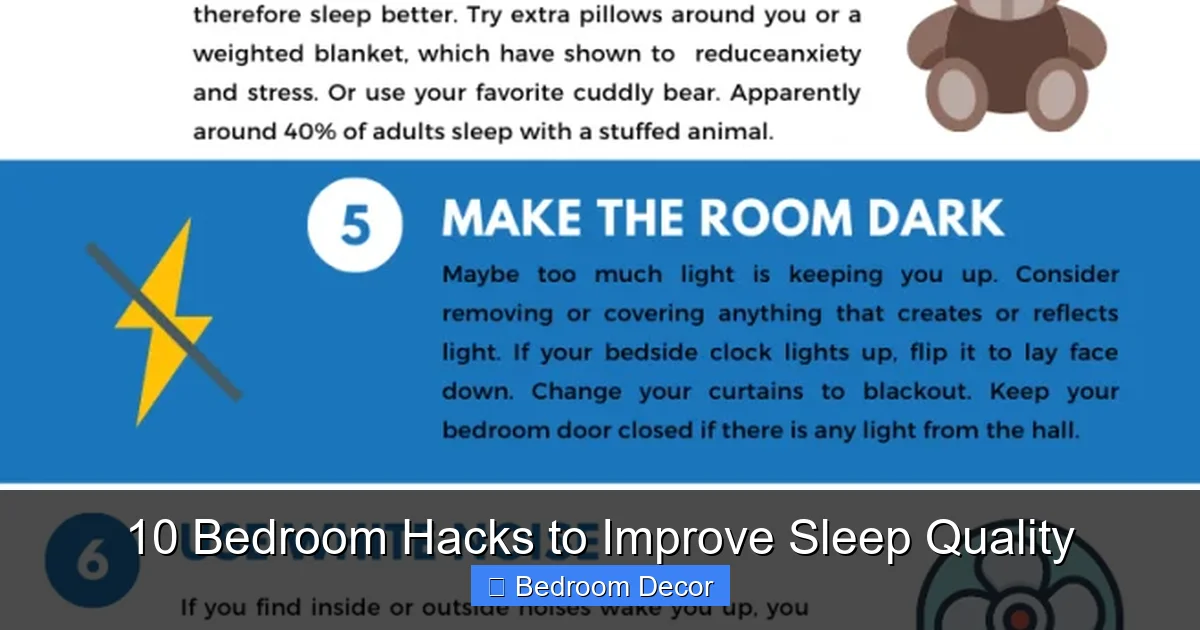
Light, especially artificial light and blue light from screens, can wreak havoc on your body’s natural sleep-wake cycle (circadian rhythm). Exposure to light before bed suppresses melatonin production, the hormone responsible for making you feel sleepy. A truly dark room signals to your brain that it’s nighttime, promoting healthy melatonin release and deeper sleep.

Visual guide about 10 Bedroom Hacks to Improve Sleep Quality
Image source: drmikesfitness.com
Block Out All Light Sources
Think about every tiny light source in your bedroom. Even the smallest indicator light on electronics can be disruptive.
Practical Tips:
- Install Blackout Curtains or Blinds: These are a game-changer. They effectively block out streetlights, car headlights, and early morning sun, ensuring your room remains pitch black.
- Cover LED Lights: Use electrical tape or small adhesive covers to block the indicator lights on power strips, phone chargers, and other electronics.
- Wear an Eye Mask: If blackout curtains aren’t an option or you share a room, a comfortable eye mask can provide an instant personal darkness solution.
- Avoid Screens Before Bed: This is a big one. Power down all electronic devices (phones, tablets, laptops, TVs) at least 60-90 minutes before bedtime. The blue light emitted by these devices is particularly disruptive to melatonin production, hindering your ability to improve sleep quality.
3. Silence the World (or Embrace Soothing Sounds)
Unexpected noises can easily pull you out of light sleep and prevent you from entering deeper, more restorative sleep stages. Whether it’s street traffic, noisy neighbors, or even a dripping faucet, sound interruptions can significantly diminish your sleep quality.
Visual guide about 10 Bedroom Hacks to Improve Sleep Quality
Image source: 7corewellness.com
Create a Sound-Controlled Environment
The goal is to create a consistent, calming soundscape that helps you relax and stay asleep.
Practical Tips:
- Use Earplugs: Simple foam earplugs can be incredibly effective at blocking out unwanted noise. Experiment with different types to find the most comfortable fit.
- Invest in a White Noise Machine: These devices produce a consistent, non-distracting sound that masks sudden noises. Options include white noise, pink noise (which is deeper), or natural sounds like rain or ocean waves.
- Soundproof Your Room: For more persistent noise issues, consider installing thicker curtains, weatherstripping around doors and windows, or even acoustic panels.
- Turn Off Noisy Appliances: Make sure any fans, humidifiers, or other appliances in your room are quiet or on a low setting that won’t disrupt your peace.
4. Declutter for a Clear Mind
Your bedroom environment reflects your mental state. A cluttered room often leads to a cluttered mind, making it harder to relax and switch off before sleep. Visual clutter can be a subtle source of stress, reminding you of tasks undone or things out of place.

Visual guide about 10 Bedroom Hacks to Improve Sleep Quality
Image source: assets-global.website-files.com
Create a Serene and Organized Space
A minimalist approach can significantly improve your sleep quality by fostering a sense of calm.
Practical Tips:
- Remove Unnecessary Items: Go through your bedroom and remove anything that doesn’t contribute to rest, romance, or relaxation. This includes work documents, exercise equipment, and excessive decorative items.
- Keep Surfaces Clear: Aim for clear bedside tables and dressers. A stack of books, stray papers, or an assortment of trinkets can create visual noise.
- Utilize Storage Solutions: Baskets, under-bed storage, and wardrobes can help keep items out of sight and out of mind. Everything should have a designated place.
- Make Your Bed Daily: This simple habit not only makes your room look tidier but also provides a small sense of accomplishment and order, setting a positive tone for your day and preparing your space for restful sleep.
5. Invest in Sleep-Friendly Comfort
Your mattress, pillows, and bedding are the foundation of your sleep experience. If they’re uncomfortable, worn out, or not suited to your needs, they can actively detract from your sleep quality, leading to aches, pains, and frequent waking.
Prioritize Support and Softness
Comfort is highly personal, but certain principles apply to everyone seeking to improve sleep quality.
Practical Tips:
- Evaluate Your Mattress: A good mattress supports your spine in a neutral position. If yours is lumpy, sagging, or more than 7-10 years old, it might be time for an upgrade. Consider your preferred sleep position (side, back, stomach) when choosing firmness.
- Choose the Right Pillow: Your pillow should support your head and neck, keeping your spine aligned. Side sleepers generally need thicker pillows, back sleepers medium, and stomach sleepers very thin or no pillow.
- Select Quality Bedding: As mentioned in temperature control, breathable fabrics like cotton, linen, or bamboo are excellent choices. Consider the thread count for softness and durability. Wash your bedding regularly to keep it fresh and allergen-free.
- Add a Mattress Topper: If a new mattress isn’t in the budget, a high-quality mattress topper can significantly improve comfort and extend the life of your existing mattress.
6. Harness the Power of Scent
Our sense of smell is powerfully linked to our emotions and memory. Certain aromas can trigger relaxation responses in the brain, helping to calm your nervous system and prepare your body for sleep. Incorporating soothing scents into your bedroom can be a delightful way to improve sleep quality.
Introduce Calming Aromas
The right scent can signal to your brain that it’s time to unwind.
Practical Tips:
- Diffuse Essential Oils: Lavender is renowned for its calming properties and is often used to promote sleep. Chamomile, bergamot, and cedarwood are also excellent choices. Use an essential oil diffuser for about 30 minutes before bed.
- Use a Scented Pillow Spray: Look for natural pillow mists infused with relaxing essential oils. A light spritz on your pillow can create a pleasant aroma as you drift off.
- Place Sachets of Dried Herbs: Small sachets filled with dried lavender, hops, or chamomile can be placed under your pillow or on your bedside table.
- Avoid Overpowering Scents: While beneficial, strong or artificial fragrances can be irritating. Opt for subtle, natural aromas.
7. Banish Electronics from the Bedroom
This hack ties into blocking light, but it deserves its own category due to the pervasive nature of technology in our lives. The temptation to scroll, watch, or work on devices right before bed is strong, but it’s a major barrier to good sleep quality.
Make Your Bedroom a Digital-Free Zone
Your bedroom should be associated solely with sleep and intimacy, not with work, social media, or entertainment.
Practical Tips:
- Charge Devices Outside the Bedroom: Designate a charging station in another room. This physically removes the temptation to check your phone one last time.
- Use an Analog Alarm Clock: Ditch your phone as an alarm. A simple, non-glowing alarm clock will keep your phone out of reach and prevent late-night checks.
- Avoid TV in the Bedroom: While a common practice, having a TV in the bedroom can delay sleep and negatively impact its quality. The stimulating content and blue light are counterproductive to relaxation.
- Read a Physical Book: Instead of e-readers or tablets, pick up a traditional paper book. It’s a much more relaxing way to wind down and prepare for sleep.
8. Design with Calming Colors
The colors in your bedroom can significantly impact your mood and, consequently, your ability to relax and sleep. Bright, vibrant, or highly stimulating colors might be great for an office or living room, but they can be counterproductive in a sleep sanctuary.
Choose Soothing Hues
Opt for colors that evoke tranquility and peace to improve sleep quality.
Practical Tips:
- Embrace Cool, Muted Tones: Shades of blue, green, and muted grey are known for their calming effects. Light blues are particularly effective at lowering heart rate and promoting relaxation.
- Consider Neutrals: Soft whites, creams, and beige tones create a serene and airy atmosphere that encourages peace and rest.
- Use Accents Sparingly: If you love a bolder color, use it as a small accent rather than as a dominant wall color. Think throw pillows or a single piece of artwork.
- Paint Your Walls: A fresh coat of paint in a soothing color can dramatically change the feel of your bedroom and make it a more inviting space for sleep.
9. Breathe Easy with Better Air Quality
The air you breathe while sleeping can affect your respiratory health and overall comfort. Stuffy, dusty, or allergen-filled air can lead to congestion, sneezing, and discomfort, disrupting your sleep quality.
Ensure Fresh, Clean Air
Improving the air quality in your bedroom is a simple yet effective hack for better rest.
Practical Tips:
- Use an Air Purifier: If you suffer from allergies or live in an area with poor air quality, an air purifier with a HEPA filter can remove dust, pollen, pet dander, and other airborne irritants.
- Incorporate Indoor Plants: Certain plants, like snake plants, peace lilies, or spider plants, are known for their air-purifying qualities. They can help remove toxins from the air and produce oxygen at night. Just ensure they are pet-friendly if you have furry friends.
- Ventilate Regularly: Even in cooler weather, try to open your windows for 10-15 minutes each day to air out the room and bring in fresh air.
- Keep it Clean: Regularly dust and vacuum your bedroom, paying attention to areas where dust tends to accumulate, like under the bed and on ceiling fan blades.
10. Establish a Pre-Sleep Sanctuary Routine
Your bedroom isn’t just a place; it’s also about the habits you practice within it. Creating a consistent bedtime routine that signals to your body that it’s time to wind down can significantly improve your sleep quality. This hack brings many of the previous points together.
Signal Your Body for Sleep
A routine helps to create a mental and physical transition from the day’s activities to restful sleep.
Practical Tips:
- Dim the Lights: About an hour before bed, dim the lights in your home, especially in your bedroom, to encourage melatonin production.
- Take a Warm Bath or Shower: The drop in body temperature after a warm bath can induce sleepiness. Add some Epsom salts or essential oils for extra relaxation.
- Read or Journal: Engage in a calming activity that doesn’t involve screens. Reading a physical book or journaling about your day can help clear your mind.
- Practice Gentle Stretching or Meditation: Light stretches or a short guided meditation can release tension and calm your nervous system, preparing you for deep sleep.
- Stick to a Schedule: Try to go to bed and wake up at roughly the same time each day, even on weekends. Consistency reinforces your circadian rhythm.
Troubleshooting Common Sleep Hurdles
Even with the best intentions, improving sleep quality can sometimes hit snags. Here are a few common issues and quick fixes:
“What if I can’t afford a new mattress?”
A new mattress is a significant investment. If it’s not in your budget right now, consider a high-quality mattress topper. These can range from memory foam to latex and can dramatically improve the comfort and support of an older mattress for a fraction of the cost. Rotating your existing mattress regularly can also help prolong its life and even out wear.
“My partner and I have different temperature preferences.”
This is a common dilemma! Try to find a compromise within the ideal 60-67°F range. If one partner prefers it cooler, they can use lighter blankets or even a personal fan on their side of the bed. The partner who prefers warmer temperatures can opt for an extra blanket or warmer pajamas. Two individual duvets can also solve many temperature and blanket-hogging disputes!
“I still wake up feeling groggy, even after making changes.”
While environmental hacks are powerful, sleep quality is also influenced by lifestyle. Review your caffeine and alcohol intake, especially in the afternoon and evening. Ensure you’re getting regular physical activity (but not too close to bedtime). If issues persist, consider consulting a healthcare professional to rule out underlying sleep disorders like sleep apnea or insomnia.
Conclusion
Achieving consistent, high-quality sleep is one of the most powerful things you can do for your physical and mental well-being. By implementing these 10 bedroom hacks, you’re not just redecorating; you’re intentionally crafting an environment that nurtures rest and optimizes your body’s natural sleep processes. From controlling light and temperature to decluttering and embracing calming scents, each small adjustment contributes to a more serene and sleep-conducive space.
Don’t feel pressured to implement all these changes at once. Start with one or two hacks that resonate most with you, observe the difference, and gradually incorporate more. Your journey to improved sleep quality is a personal one, but with these tools, you’re well-equipped to transform your bedroom into the ultimate sanctuary for restorative rest. Sweet dreams!