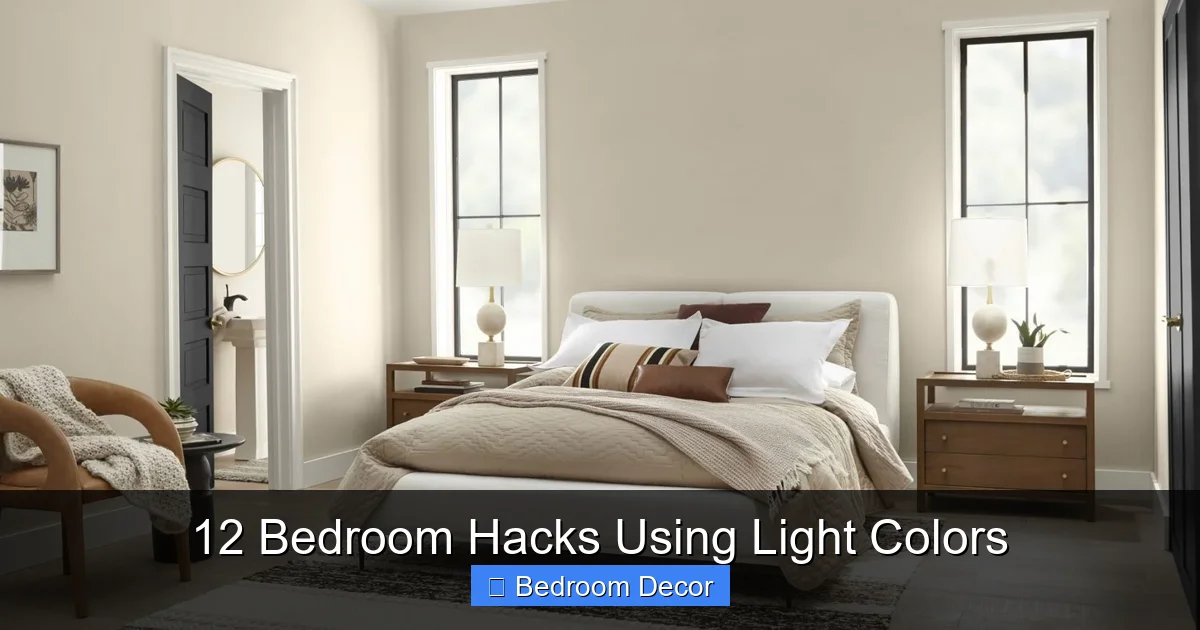
Ready to give your bedroom a fresh, airy makeover? This guide reveals 12 brilliant bedroom hacks using light colors to transform your space. You’ll learn how to leverage pale hues, strategic lighting, and smart decor choices to make your room feel bigger, brighter, and more inviting. Say goodbye to dark, cramped spaces and hello to a serene, stylish sanctuary!
Ever walked into a bedroom and felt an instant sense of calm and spaciousness? Chances are, it was thanks to the clever use of light colors. Light colors aren’t just pretty; they are design superstars, capable of transforming even the smallest, darkest rooms into bright, airy sanctuaries. If you’re dreaming of a bedroom that feels larger, more peaceful, and effortlessly stylish, you’ve come to the right place.
This comprehensive guide will walk you through 12 brilliant bedroom hacks using light colors. We’ll explore how to leverage pale hues, strategic textures, and smart decor choices to create the bedroom of your dreams. From wall paint to bedding, furniture to clever lighting, get ready to unlock the full potential of your space. Let’s make your bedroom a beacon of brightness and serenity!
Key Takeaways
- Amplify Light & Space: Light colors are powerful tools to make any bedroom feel larger and brighter, reflecting natural and artificial light and opening up the room.
- Choose Your Base Wisely: Start with light wall colors (off-whites, pale grays, soft pastels) as your canvas, but don’t shy away from subtle textural variations for added interest.
- Layer with Intention: Incorporate light colors through bedding, furniture, and textiles, building a cohesive and serene aesthetic with varying shades and textures to prevent flatness.
- Harness Reflective Elements: Utilize mirrors, glossy finishes, and sheer fabrics to maximize light reflection, enhancing the airy feel and visual spaciousness of your room.
- Strategic Lighting is Key: Complement your light color palette with warm, well-placed artificial lighting to prevent the space from feeling stark or cold, especially during darker hours.
- Declutter for Clarity: A minimalist approach to decor, combined with light colors, ensures your bedroom remains an open, calming retreat, free from visual noise and clutter.
- Bring in Natural Touches: Integrate light wood tones, natural fibers, and greenery in light pots to add warmth and organic texture without sacrificing the overall airy and bright feel.
The Power of Light: Why Pale Hues Work Wonders
Before we dive into the hacks, let’s understand why light colors are so effective in bedroom design.
Expanding Your Space
Light colors, especially whites, creams, and pale grays, reflect light rather than absorbing it. This reflection makes walls seem to recede, instantly making a room feel larger and more open. If your bedroom feels cramped, introducing more light colors can dramatically alter its perceived size.
Boosting Your Mood
There’s a reason spas and serene environments often feature light color palettes. These hues evoke feelings of calm, cleanliness, and tranquility. A bedroom full of light colors can help reduce stress and promote relaxation, creating a perfect retreat for rest and rejuvenation.
Creating Versatility
Light colors provide a neutral, versatile canvas. They allow you to easily change accent colors, textures, and decor items without needing a complete overhaul. This flexibility means your bedroom can evolve with your tastes, always staying fresh and current.
Your 12 Brilliant Bedroom Hacks Using Light Colors
Ready to transform your space? Here are 12 practical bedroom hacks using light colors to get you started.
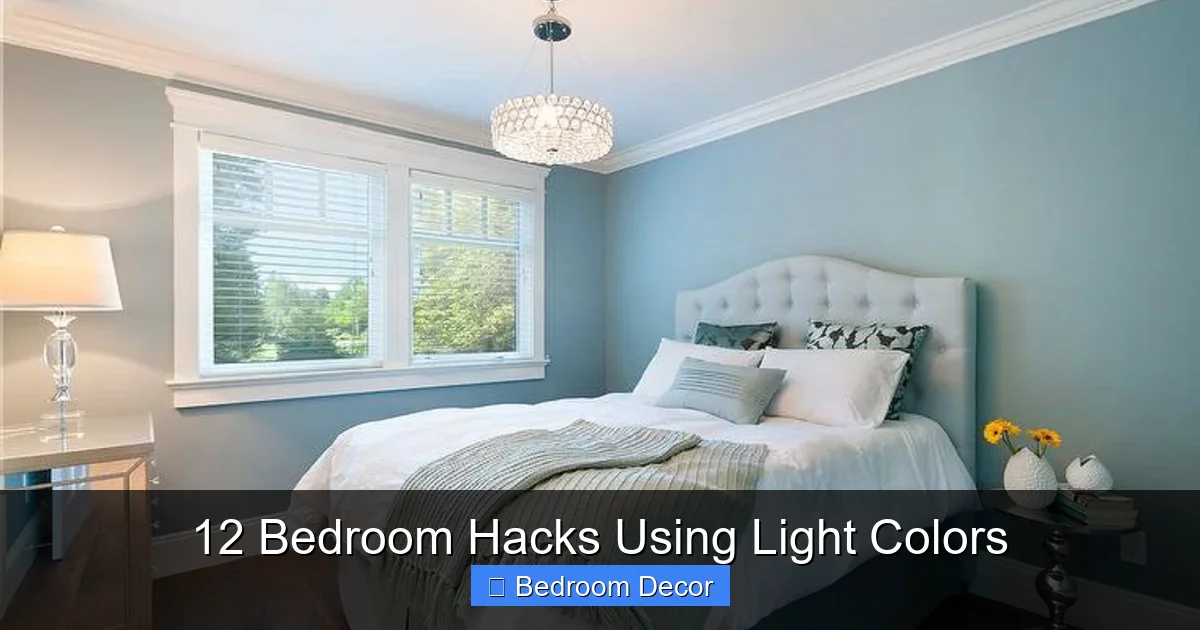
Visual guide about 12 Bedroom Hacks Using Light Colors
Image source: thespruce.com
Hack 1: Embrace Light Wall Colors
This is arguably the most impactful change you can make. Painting your walls in light colors like off-white, cream, pale gray, or soft pastel shades instantly brightens the room. These hues reflect natural light, making the space feel more open and airy. Avoid stark, pure white if you want a warmer feel; instead, choose whites with subtle undertones of yellow, gray, or beige.
Practical Tip: Test several light shades on your wall before committing. Paint swatches directly onto the wall and observe them throughout the day to see how they look in different lighting conditions. A slightly warmer off-white might feel more inviting than a cool, stark white.
Hack 2: Opt for White or Pale Bedding
Your bed is often the largest piece of furniture in the room, making its color choice crucial. Crisp white or pale-colored bedding can make a huge difference. Think about fresh white duvet covers, creamy linen sheets, or light gray blankets. This choice creates a clean, luxurious feel and helps the bed blend seamlessly into the bright aesthetic, rather than dominating it.
Practical Tip: Layer different textures of light bedding—a smooth sateen sheet, a textured cotton duvet, and a cozy knit throw in a similar pale hue. This adds depth and interest without introducing dark colors or clutter.
Hack 3: Install Sheer or Light-Colored Curtains
Heavy, dark curtains can block natural light and make a room feel smaller and more enclosed. Swap them for sheer, semi-sheer, or light-colored curtains. Opt for white, ivory, or very pale pastels. These fabrics allow sunlight to filter through, diffusing it beautifully and maintaining the bright, airy feel. They also add a softness that heavy drapes often lack.
Practical Tip: Hang your curtains high and wide. Mount the curtain rod several inches above the window frame and extend it beyond the frame on either side. This makes the window appear larger and the ceiling taller, enhancing the spaciousness created by the light colors.
Hack 4: Choose Light-Toned Furniture
While dark wood furniture can be beautiful, it can absorb light and make a room feel heavier. For a truly light and airy bedroom, consider furniture in pale wood finishes (like birch, ash, or whitewashed oak), white painted pieces, or furniture made from light materials like rattan or wicker. A white dresser, a pale gray upholstered headboard, or a natural wood bedside table can make a significant impact.
Practical Tip: If replacing all your furniture isn’t an option, consider painting existing wooden pieces white or a light gray. This budget-friendly hack can completely transform their look and contribute to your light color scheme.
Hack 5: Incorporate Reflective Surfaces
Mirrors are a designer’s secret weapon for making a room feel larger and brighter. A large mirror strategically placed can reflect both natural and artificial light, amplifying its effect and creating the illusion of more space. Glossy finishes on furniture or decor items can also bounce light around the room, enhancing the airy feel.
Practical Tip: Place a large floor-length mirror opposite a window to maximize natural light reflection. If that’s not possible, hang a mirror on the wall adjacent to a window. Even small decorative mirrors can contribute to this effect.
Hack 6: Illuminate Strategically with Warm Lighting
Even with abundant natural light, a bedroom needs good artificial lighting. Choose warm-toned LED bulbs (around 2700K-3000K) for a cozy, inviting glow that complements light color palettes. Incorporate various light sources: overhead lighting, bedside lamps, and perhaps a floor lamp. Using lamps with light-colored shades (white, cream, linen) ensures they don’t visually weigh down the room.
Practical Tip: Install dimmer switches for your overhead lights. This allows you to adjust the ambiance, providing bright light when needed and a soft, relaxing glow for winding down in the evening. This balance is key to making light colors feel inviting, not stark.
Hack 7: Go for Light Flooring or Area Rugs
The floor is a significant surface area in any room, and its color choice impacts the overall feel. If you have dark hardwood floors, consider using large area rugs in light colors like cream, pale gray, or off-white. For those undertaking renovations, light-colored flooring such as pale wood laminates, whitewashed planks, or even light-colored carpets can dramatically open up the room.
Practical Tip: Choose a rug that covers most of the floor, leaving a border of your existing flooring visible. This grounds the room, adds warmth and texture, and contributes to the expansive feel created by the light colors.
Hack 8: Adopt a Minimalist Decor Approach
Clutter can make any room feel smaller and more chaotic, regardless of its color scheme. When working with light colors, a minimalist approach truly shines. Keep decor items to a minimum, choosing a few thoughtful pieces that complement your serene palette. Focus on clean lines and functional items. Less visual noise means more focus on the spaciousness and tranquility of the light hues.
Practical Tip: Regularly declutter your bedroom. Invest in smart storage solutions like under-bed drawers or closed-door cabinets to keep items out of sight. A tidy room enhances the open, airy feeling that light colors provide.
Hack 9: Utilize Monochromatic Light Palettes
A monochromatic scheme involves using various shades, tints, and tones of a single color. For a light bedroom, this means choosing one light color – perhaps a pale blue, soft green, or a warm beige – and layering different intensities of that color throughout the room. This creates a cohesive, sophisticated look that feels rich in texture and depth, without being overwhelming. It’s a fantastic way to add subtle interest while sticking to your light color goal.
Practical Tip: Mix textures within your monochromatic scheme. For example, if you choose pale gray, use a smooth gray sateen pillow, a chunky gray knit throw, and a gray textured rug. The varying textures will prevent the single color from looking flat.
Hack 10: Add Subtle Light-Colored Textures
To prevent a light-colored room from feeling sterile or flat, introduce plenty of texture. Think about a chunky knit throw, a woven rug, linen curtains, or a faux fur pillow – all in light colors. These textures add visual interest and warmth without sacrificing the bright and airy feel. They give the eye something interesting to land on, creating a cozy and inviting atmosphere.
Practical Tip: Look for natural fibers like cotton, linen, wool, and jute in their natural, undyed, or lightly dyed states. These materials naturally offer subtle textures and beautiful light tones that enhance a serene bedroom environment.
Hack 11: Introduce Light-Toned Art and Accessories
Even your decorative accents can contribute to the overall bright and airy feel. Instead of bold, heavy artwork, opt for pieces with light backgrounds, subtle colors, or abstract designs. Choose accessories like vases, candles, and decorative bowls in white, cream, clear glass, or pale metallics. These items blend seamlessly into the light color scheme, adding style without visual clutter.
Practical Tip: Frame your artwork in light wood or white frames. This detail helps the art feel lighter and more integrated into the room’s design, rather than standing out too harshly against your pale walls.
Hack 12: Bring in Natural Elements in Light Hues
Nature offers incredible beauty, and incorporating it into your bedroom can enhance the calm, serene vibe. Think about light wood accents (like a small stool or a decorative tray), woven baskets for storage, or potted plants in white or light ceramic planters. These elements bring an organic touch and subtle texture while maintaining the overall light and fresh aesthetic.
Practical Tip: Choose low-maintenance indoor plants like snake plants, ZZ plants, or Pothos. Their vibrant green leaves provide a beautiful, natural contrast against your light color palette, adding life without overwhelming the peaceful atmosphere.
Troubleshooting Your Light Color Scheme
While light colors are fantastic, sometimes challenges arise. Here’s how to tackle them.
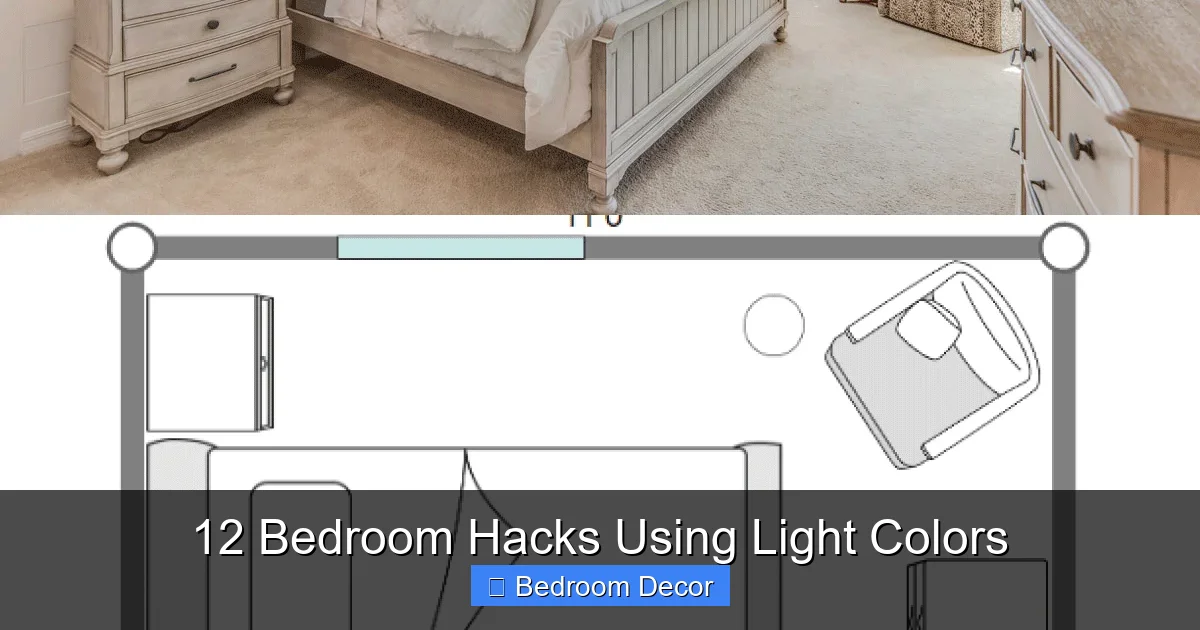
Visual guide about 12 Bedroom Hacks Using Light Colors
Image source: homedecorbliss.com
Avoiding a Sterile Look
A common concern is that too many light colors can make a room feel cold or clinical. The key is to introduce warmth through texture, varying shades, and lighting. Use creamy whites instead of stark ones, layer different fabrics, and bring in natural wood tones. Warm-toned artificial lighting is also crucial for creating an inviting glow.
Dealing with Small Stains
Light colors, especially white, can show dirt and stains more easily. This is where practicality comes in. For bedding, choose machine-washable fabrics. For furniture, consider slipcovers that can be removed and cleaned. For rugs, look for washable options or choose lighter patterns that can help mask minor imperfections.
Maximizing Natural Light in Dark Rooms
If your bedroom lacks natural light, light colors become even more important. Beyond painting walls and choosing light decor, consider adding more mirrors to amplify what little light you have. Avoid blocking windows with furniture. Using strategic artificial lighting, as discussed, is also paramount to brightening up inherently darker spaces.
Conclusion: Your Brighter, More Serene Bedroom Awaits
Transforming your bedroom with light colors is more than just a design trend; it’s a deliberate choice to create a space that promotes peace, rest, and well-being. By implementing these 12 bedroom hacks using light colors, you can turn any room into a tranquil haven. From the walls to the smallest accessories, every light-colored choice contributes to an environment that feels expansive, fresh, and deeply calming.
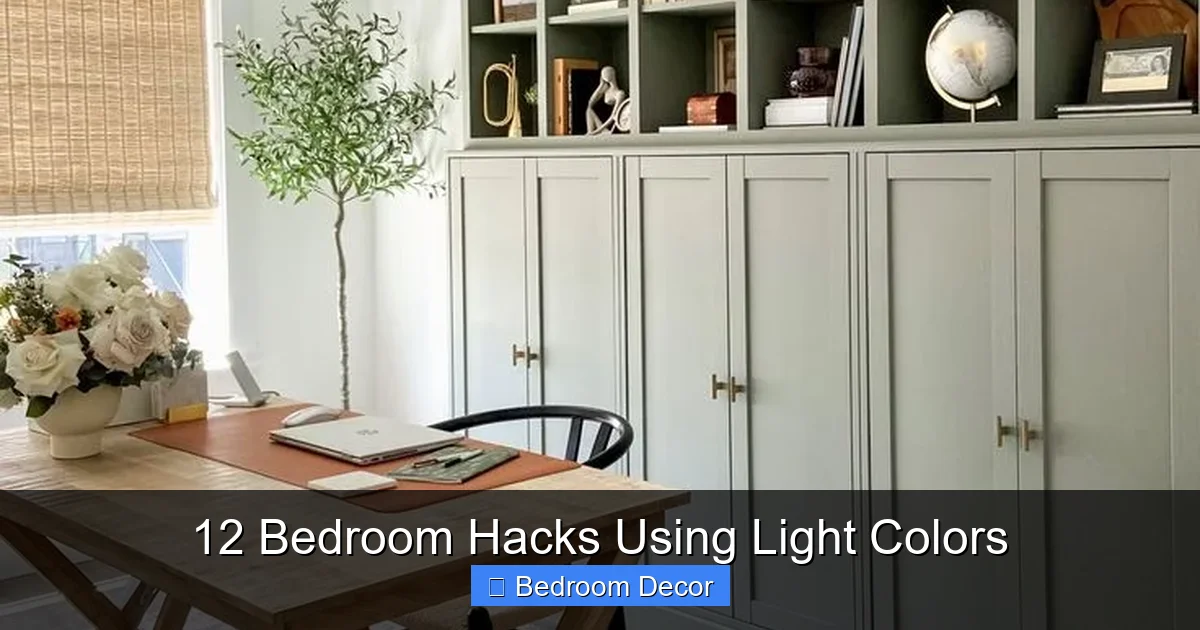
Visual guide about 12 Bedroom Hacks Using Light Colors
Image source: i.pinimg.com
Embrace the power of pale hues, experiment with textures, and watch as your bedroom transforms into the bright, serene sanctuary you’ve always dreamed of. Sweet dreams in your beautifully light-filled space!