
Unlock the secret to a tranquil and stylish bedroom with soft color palettes. This guide unveils 7 brilliant bedroom hacks designed to transform your personal space into a serene sanctuary. Learn how to expertly blend soothing hues with practical design tips to create an inviting and restful retreat you’ll adore, fostering peace and promoting better sleep.
7 Bedroom Hacks with Soft Color Palettes
Welcome to your ultimate guide for transforming your bedroom into a peaceful haven! Your bedroom should be more than just a place to sleep; it should be a sanctuary, a retreat where you can unwind, recharge, and truly relax. The secret to achieving this serene ambiance often lies in the power of soft color palettes.
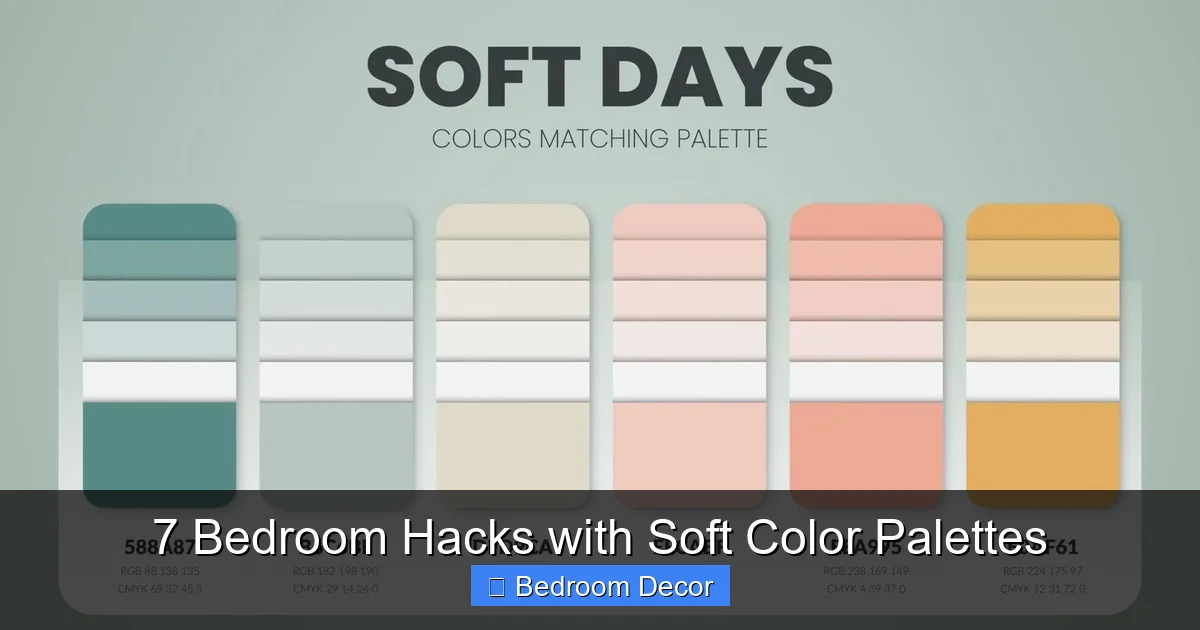
Why soft colors? They evoke a sense of calm, promote relaxation, and can even improve your sleep quality. Think muted blues, gentle greens, warm grays, creamy whites, subtle blush, and calming lavenders. These hues are soothing to the eye and create an atmosphere of tranquility. If you’re looking to infuse your personal space with peace and understated elegance, you’ve come to the right place.
In this comprehensive how-to guide, we’ll explore 7 brilliant bedroom hacks designed to help you integrate soft color palettes seamlessly into your decor. We’ll cover everything from foundational elements like wall colors to the finishing touches of accessories and lighting. Get ready to discover practical tips, inspiring examples, and actionable steps to create the bedroom of your dreams – a soft, inviting, and utterly serene escape.
Let’s dive in and unlock the potential of your bedroom with these delightful soft color palettes!
Key Takeaways
- Embrace Serenity: Soft color palettes are paramount for cultivating a calm, relaxing, and inviting bedroom atmosphere, which significantly contributes to improved sleep and overall well-being.
- Layer Textures Thoughtfully: Integrate a variety of soft textures like linen, wool, and cotton in muted tones. This approach adds rich depth and warmth to your space without making it feel overwhelming or cluttered.
- Strategic Lighting Matters: Utilize warm, ambient lighting, preferably with dimmers, to enhance the delicate softness of your chosen colors. This creates a gentle, inviting glow that promotes relaxation.
- Integrate Natural Elements: Incorporate natural materials such as plants, light wood tones, and organic fibers. These elements beautifully complement soft palettes, bringing a refreshing sense of organic tranquility indoors.
- Ensure Balance & Harmony: Maintain a careful balance in your color distribution and furniture placement. Allow each soft hue to subtly contribute to a cohesive, harmonious, and visually soothing design.
- Personalize with Purpose: While adhering to a soft color scheme, introduce personal touches through thoughtfully selected art or decorative items. Choose pieces that resonate with you but still uphold the serene aesthetic.
- Start Small, Build Up: There’s no need to overhaul your entire bedroom at once. Begin with smaller, impactful changes like new bedding or key accessories and gradually build your soft color oasis over time.
Hack 1: The Foundation of Calm – Wall Colors
The walls are the largest canvas in your bedroom. Choosing the right soft color for them sets the entire tone for your space. This is one of the most impactful bedroom hacks you can implement.
1.1 Choosing Your Signature Soft Shade
Start by thinking about the mood you want to create. Do you crave the tranquility of the ocean? Consider a muted seafoam green or a dusty sky blue. For warmth and coziness, opt for a creamy off-white, a soft beige, or a hint of blush pink. If you prefer a modern, grounding feel, a warm gray or a greige (gray-beige mix) can be perfect.
- Muted Blues and Greens: These colors are naturally calming. They evoke nature, serenity, and promote relaxation, making them ideal for a sleep space. Look for shades with a slightly desaturated quality.
- Warm Grays and Greiges: These offer a sophisticated neutral backdrop. They’re incredibly versatile and pair well with almost any other soft accent color. They add depth without being stark.
- Creamy Whites and Off-Whites: Far from boring, these shades create an airy, clean feel while adding subtle warmth that pure white lacks. They act as a beautiful blank canvas.
- Subtle Blush and Lavender: For a touch of gentle romance or a dreamy vibe, very soft blush or a pale lavender can be incredibly soothing and comforting.
1.2 Testing Swatches and Observing Light
Never commit to a color without testing it first! Paint large swatches directly on your walls or use peel-and-stick samples. Observe how the colors look throughout the day, as natural and artificial light will dramatically change their appearance. A color that looks perfect in the morning might seem too cool or too dark in the evening. This careful observation is crucial for selecting the ideal soft color palette.
1.3 Impact on Light and Space
Soft, lighter colors tend to make a room feel more open and brighter, which is a fantastic hack for smaller bedrooms. If your room lacks natural light, a soft, warm off-white can bounce light around, making the space feel more expansive and inviting.
Hack 2: Layered Luxury – Bedding & Textiles
Visual guide about 7 Bedroom Hacks with Soft Color Palettes
Image source: i.pinimg.com
Your bed is the focal point of your bedroom. Layering soft, luxurious textiles in complementary soft color palettes is a game-changer for comfort and aesthetics. This is one of the most tactile and inviting bedroom hacks.
2.1 The Power of Natural Fibers
When it comes to bedding, prioritize natural, breathable fabrics. Think linen, organic cotton, bamboo, or even a soft Tencel blend. These materials feel wonderful against your skin and have a beautiful, relaxed drape that instantly elevates the look of your bed.
- Linen: Known for its casual elegance and slight texture, linen softens with every wash and feels incredible. Available in a vast range of soft, muted tones.
- Cotton Percale/Sateen: Percale offers a crisp, cool feel, while sateen is smoother and slightly lustrous. Both come in beautiful soft colors.
- Bamboo: Luxuriously soft, silky, and naturally thermoregulating, bamboo sheets are perfect for a comfortable night’s sleep.
2.2 Mixing and Matching Soft Hues and Textures
The key to creating a truly inviting bed is layering. Don’t be afraid to mix different soft colors and textures within your chosen palette.
- Start with Sheets: Choose a foundational soft color for your sheets – perhaps a creamy white or a very pale gray.
- Duvet/Comforter: Select a duvet cover in a slightly different, but still soft, complementary color. For example, if your sheets are cream, try a sage green or dusty blue duvet.
- Throws: Add a chunky knit throw, a soft wool blanket, or a faux fur throw draped artfully across the foot of the bed. This adds incredible texture and a pop of another soft hue.
- Pillows, Pillows, Pillows: Layer sleeping pillows with decorative throw pillows. Mix shapes, sizes, and textures. A few square pillows in a solid soft color, a rectangular lumbar pillow with a subtle pattern, and perhaps a round velvet cushion can add depth and interest.
This approach creates a sumptuous, hotel-like feel that beckons you to sink in. It’s a wonderful example of practical bedroom hacks for visual comfort.
Hack 3: Furniture That Whispers Serenity

Visual guide about 7 Bedroom Hacks with Soft Color Palettes
Image source: i.pinimg.com
The furniture in your bedroom should complement your soft color palette, not compete with it. Heavy, dark furniture can weigh down a serene space. Instead, opt for pieces that contribute to the light and airy feel.
3.1 Embracing Light Wood Tones
Choose bed frames, nightstands, and dressers made from light-colored woods. Think birch, maple, ash, or even bleached oak. These woods have a natural warmth and brightness that harmonize beautifully with soft color palettes. They prevent the room from feeling cold or sterile.
- Minimalist Designs: Look for furniture with clean lines and simple designs. This contributes to a sense of calm and prevents visual clutter.
- Floating Nightstands: These can make a small room feel larger and more open, while keeping your soft aesthetic consistent.
3.2 Upholstered Pieces in Gentle Fabrics
If you’re considering an upholstered headboard, bench, or accent chair, select fabrics in soft, muted tones.
- Linen Blends: Offer a relaxed, natural look.
- Boucle or Textured Fabrics: Add depth and coziness without introducing bold patterns.
- Soft Velvets: A luxurious touch in shades like dusty rose, muted olive, or pale slate can be incredibly elegant.
These carefully chosen pieces become extensions of your soft color palette, making them essential bedroom hacks.
Hack 4: Curating Comfort – Rugs & Window Treatments

Visual guide about 7 Bedroom Hacks with Soft Color Palettes
Image source: cdn.shopify.com
Don’t overlook the impact of your floors and windows! They play a crucial role in enhancing your soft color palette and overall comfort.
4.1 The Softness Underfoot – Rugs
A well-chosen rug can anchor your space, add warmth, and introduce another layer of soft color and texture.
- Plush & Inviting: Opt for a plush wool, cotton, or synthetic rug that feels soft underfoot.
- Soft Patterns: If you want a pattern, choose one that is subtle and tone-on-tone, such as a gentle abstract design or a faded traditional motif in your soft color palette.
- Size Matters: Ensure the rug is large enough to extend under your bed and nightstands, creating a cohesive visual anchor.
A soft rug can connect all the elements of your bedroom, making it feel complete and cozy.
4.2 Framing Your View – Window Treatments
Window treatments offer privacy and light control, but also an opportunity to soften the room’s edges.
- Sheer Curtains: Allow natural light to filter gently into the room, creating a soft, ethereal glow. Layer them with blackout blinds for privacy and sleep.
- Linen Drapes: In a soft white, cream, or light gray, linen drapes provide a relaxed, natural texture and a touch of understated elegance.
- Roman Blinds: Can be a great option for a clean look, choosing a soft, solid fabric.
Avoid heavy, ornate drapes that can overwhelm a soft color palette. The goal is light and airy.
Hack 5: Illuminating Softness – Lighting Strategies
Lighting is arguably one of the most important bedroom hacks for mood setting. The right lighting can make your soft color palette truly sing. You want to create a warm, inviting glow that complements the serene atmosphere.
5.1 Warm White Bulbs are Key
Avoid cool, harsh fluorescent lights. Instead, opt for LED bulbs with a “warm white” or “soft white” temperature (around 2700K-3000K). These emit a yellow-ish, cozy light that enhances the warmth and softness of your chosen colors.
5.2 Dimmers for Ultimate Control
Install dimmers on all your light fixtures. This allows you to adjust the intensity of light throughout the day and evening. A bright light for reading during the day, a soft glow for winding down at night – dimmers offer unparalleled flexibility in creating different moods.
5.3 Multiple Light Sources
Layering different types of lighting prevents a room from feeling flat and provides functional versatility.
- Ambient Lighting: A ceiling fixture (if desired, but often secondary) or a floor lamp that provides overall soft illumination.
- Task Lighting: Nightstand lamps with soft, diffused light are perfect for reading. Choose lamps with soft-colored bases (ceramic, light wood) or fabric shades that filter light beautifully.
- Accent Lighting: Consider sconces above the bed or small fairy lights for a touch of magical ambiance.
The interplay of these light sources will make your soft color palette feel incredibly rich and inviting.
Hack 6: Accessorize with Intention – Art, Decor & Greenery
Accessories are the finishing touches that personalize your space and reinforce your soft color palette. When adding decorative items, think “less is more” and “intentional beauty.” These thoughtful bedroom hacks bring life to your serene space.
6.1 Art That Soothes
Choose artwork that complements your soft color palette.
- Abstract Pieces: With gentle washes of color – muted blues, greens, blushes, or grays – can add visual interest without overwhelming.
- Nature-Inspired Prints: Landscapes, botanical illustrations, or minimalist photography in soft tones are perfect for a calming effect.
- Floating Frames: Simple, light-colored frames (like natural wood or white) will keep the focus on the art itself and integrate seamlessly.
Avoid overly busy or vibrant pieces that might disrupt the peaceful atmosphere.
6.2 Curated Decorative Objects
Select a few meaningful or beautifully crafted objects that enhance the soft aesthetic.
- Ceramics: Hand-thrown pottery in matte finishes or soft glazes adds an organic touch.
- Wooden Items: A simple wooden bowl, a carved sculpture, or a stack of soft-colored books can add warmth.
- Scented Candles: In soft, neutral holders, not only add a gentle glow but also contribute to the overall sensory experience with calming scents.
Remember to keep surfaces relatively clear to maintain a sense of calm and spaciousness.
6.3 Bringing in Greenery
Plants are one of the simplest yet most effective bedroom hacks for bringing life and freshness into your soft-colored space.
- Low-Maintenance Plants: Snake plants, ZZ plants, Pothos, or peace lilies are excellent choices for the bedroom. They improve air quality and add a pop of natural green.
- Soft-Toned Planters: Place them in ceramic pots in white, cream, light gray, or a soft terracotta to blend seamlessly with your palette.
The natural vibrancy of plants creates a beautiful contrast and depth against soft color palettes.
Hack 7: The Power of Subtlety – Cohesive Styling & Decluttering
Even with the perfect soft color palette and beautiful items, a cluttered room can ruin the serenity. The final hack is all about intentional styling and maintaining visual calm.
7.1 Embrace Thoughtful Decluttering
A soft, serene bedroom thrives on openness. Regularly decluttering is crucial. Remove anything that doesn’t contribute to relaxation or beauty. Keep nightstands clear, with only essential items like a lamp, a book, and a small plant.
7.2 Smart Storage Solutions
Integrate storage that blends into your soft color palette.
- Woven Baskets: In natural fibers for blankets or laundry.
- Closed Cabinets: Bedside tables or dressers with drawers hide items, keeping surfaces clean.
- Under-Bed Storage: Utilize under-bed space with soft-colored fabric bins.
The less visual “noise” there is, the more peaceful your soft color palette will feel.
7.3 Creating Visual Flow
Ensure there’s a sense of balance and flow in the room. Arrange furniture so that it feels inviting and easy to navigate. Allow your eye to glide smoothly from one element to the next, appreciating the soft hues and textures. Avoid cramming too many items into one area. Each piece should have room to breathe, contributing to the overall sense of calm that soft color palettes provide.
Troubleshooting Common Soft Color Palette Challenges
Even with the best intentions, sometimes decorating with soft color palettes can present minor hurdles. Here are a few common issues and how to address them:
“My soft color palette feels too bland or boring.”
- Introduce Texture: This is your secret weapon! Add more varied textures – a chunky knit throw, a ribbed duvet, a velvet pillow, a woven rug. Texture adds depth and interest without changing the color.
- Subtle Patterns: Bring in very subtle, tone-on-tone patterns through pillows, a blanket, or a piece of art. The pattern should be barely there, not bold.
- Vary Your Lighting: Experiment with different light sources to create shadows and highlights that add dimension to your soft colors.
- A Gentle Contrast: If truly bland, try introducing one very slightly darker or lighter shade from your existing palette as an accent, like a deep olive green pillow against a sage wall.
“My soft-colored bedroom feels sterile or cold.”
- Incorporate Warm Undertones: Ensure your chosen soft colors have warm undertones (e.g., a warm gray instead of a cool one, a creamy white instead of a stark white).
- Add Natural Wood: Introduce more light, natural wood elements through furniture, picture frames, or decorative objects. Wood instantly brings warmth.
- Boost Soft Textiles: Add more plush rugs, throws, and heavier drapes. The softness of the fabric will make the room feel cozier.
- Warm Lighting: Double-check that your light bulbs are “warm white” (2700K-3000K). Cooler lights can make any room feel sterile.
“The soft colors I chose look different in my room than I expected.”
- Natural Light is Key: The amount and direction of natural light in your room dramatically affect how colors appear. North-facing rooms tend to have cooler light, while south-facing rooms have warmer light.
- Artificial Light: As mentioned, the type of light bulb (warm vs. cool) can drastically alter a color’s appearance.
- Surrounding Colors: Existing furniture, flooring, or even outdoor views can reflect light and influence how your wall color looks.
- Re-Evaluate Swatches: If a color isn’t working, consider trying shades with different undertones (e.g., if a blue looks too cool, try one with a green or gray undertone). Don’t be afraid to repaint if necessary – it’s just paint!
Conclusion
Creating a serene bedroom with soft color palettes is one of the most rewarding home decor projects you can undertake. By implementing these 7 bedroom hacks, you’re not just redecorating; you’re cultivating a space that actively promotes relaxation, peace, and well-being.
From the foundational choice of your wall colors to the luxurious layering of textiles, the careful selection of furniture, and the thoughtful placement of lighting and accessories, every element plays a crucial role. Remember to embrace natural materials, declutter with intention, and always prioritize comfort and calm.
These bedroom hacks are designed to be adaptable and inspiring. Don’t be afraid to experiment, trust your instincts, and personalize your space to truly reflect your desire for tranquility. Your bedroom should be your ultimate retreat, and with the power of soft color palettes, you now have all the tools to make that dream a beautiful reality.
Go forth and create your soft, serene sanctuary – you deserve it!