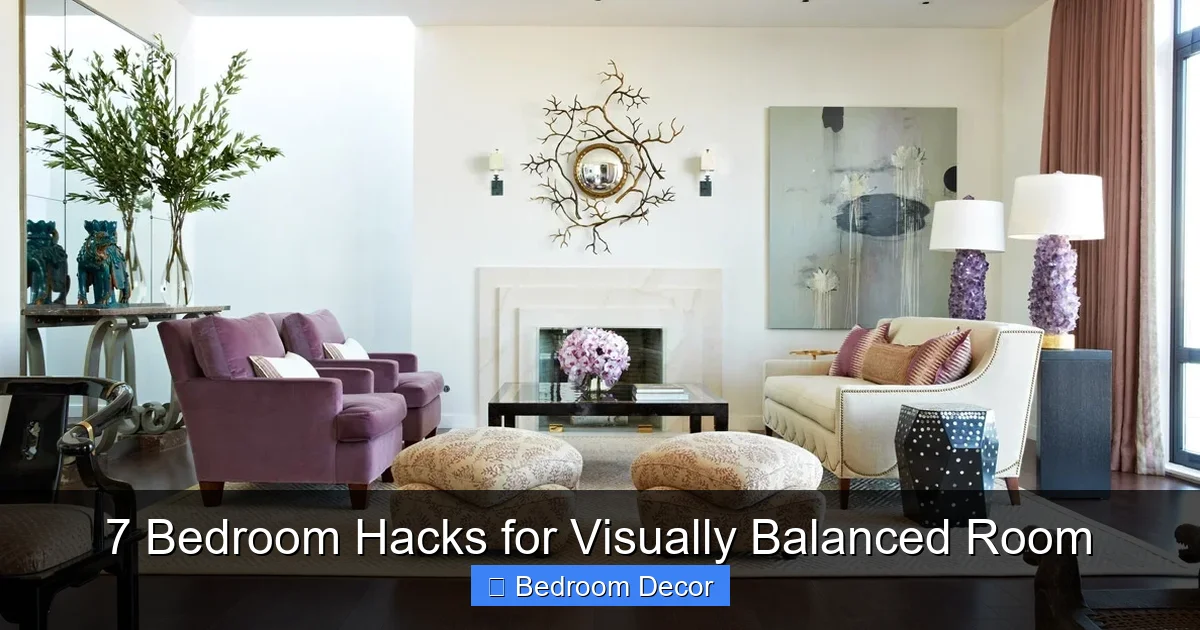
Achieving a visually balanced room is key to creating a calm, inviting bedroom sanctuary. This guide reveals seven essential bedroom hacks, from mastering symmetry and asymmetry to harmonizing with color and strategic furniture placement. Learn how to layer lighting, incorporate textures, thoughtfully place decor, and leverage smart storage to eliminate visual clutter. Apply these simple yet powerful tips to transform your space into a cohesive and tranquil haven that feels perfectly right.
7 Bedroom Hacks for Visually Balanced Room
Your bedroom should be your personal sanctuary. It’s the place where you unwind, recharge, and start your day. But if your room feels “off” or “cluttered” even when it’s clean, you might be struggling with visual balance. A visually balanced room feels calm, cohesive, and inviting. It’s where every element seems to have its rightful place, contributing to an overall sense of harmony.
Achieving this balance isn’t about rigid rules; it’s about understanding how different elements interact within your space. It’s about creating a pleasing aesthetic that feels natural and serene. In this comprehensive guide, we’ll dive into seven practical bedroom hacks that will help you transform your space. You’ll learn how to arrange furniture, choose colors, utilize lighting, and place decor like a pro. Get ready to turn your bedroom into the perfectly serene and visually balanced retreat you deserve!
Key Takeaways
- Master Visual Balance: Understand how to use both symmetrical and asymmetrical arrangements to create a dynamic yet harmonious feel in your bedroom, avoiding a stagnant or lopsided look.
- Harmonize with Color: Apply the 60-30-10 rule for a balanced color palette, ensuring a cohesive and calming atmosphere that supports a visually balanced room.
- Layer Your Lighting: Combine ambient, task, and accent lighting strategically to add depth, warmth, and proper illumination, enhancing the overall balance and functionality of your space.
- Strategize Furniture Placement: Arrange furniture based on focal points, scale, and room flow, ensuring each piece contributes to the overall visual balance and comfort.
- Incorporate Varied Textures: Mix different textures through bedding, rugs, and decor to add visual interest and warmth without overwhelming the senses, creating a rich, balanced feel.
- Place Decor Thoughtfully: Group art and decorative items with purpose, paying attention to scale and negative space to prevent clutter and reinforce the room’s visual equilibrium.
- Declutter and Store Smartly: Minimize visual noise by using clever storage solutions and keeping surfaces clear, which is fundamental for maintaining a truly visually balanced bedroom.
Hack 1: Master the Art of Symmetry and Asymmetry
When you think of a visually balanced room, your mind might jump straight to perfect symmetry. While symmetry is a powerful tool for creating order and calm, asymmetry also plays a crucial role in preventing a space from feeling too stiff or predictable. The key is knowing when and how to use each.
Understanding Symmetrical Balance
Symmetrical balance is the easiest way to achieve a sense of order. It involves mirroring elements on either side of a central axis, often your bed. Think identical bedside tables, matching lamps, and pillows arranged in pairs. This approach creates a very formal, peaceful, and visually balanced room. It’s often favored in traditional or minimalist designs because it’s inherently calming and straightforward.
- Tip: Start by making your bed the focal point. Place identical nightstands on either side, each topped with a matching lamp. This instantly creates a strong foundation for a visually balanced bedroom.
- Example: Two square decorative pillows on one side of the bed, mirrored by two identical square pillows on the other. A tall dresser on one wall balanced by a similar height bookcase on the opposite wall.
Embracing Asymmetrical Balance
Asymmetrical balance is more dynamic and interesting, yet still visually balanced. Instead of mirroring exact objects, you balance objects of different sizes, shapes, or visual weights. For instance, a tall, narrow floor lamp on one side of the bed might be balanced by a wider, shorter chest of drawers on the other, topped with a smaller table lamp. The visual weight is distributed evenly, even though the items aren’t identical.
- Tip: To achieve asymmetrical balance, consider the “visual weight” of objects. A large, dark piece of furniture has more visual weight than a small, light-colored one. Balance a large item with several smaller items grouped together.
- Example: A large, abstract piece of art above a dresser on one wall can be balanced by a gallery wall of smaller frames on an adjacent wall. A comfy armchair in one corner might be balanced by a tall plant and a narrow shelf unit in the opposite corner.
By skillfully blending both symmetry for foundational elements and asymmetry for added interest, you can create a truly dynamic and visually balanced room that feels both orderly and alive.
Hack 2: Harmonize with a Thoughtful Color Palette
Color is one of the most powerful tools for establishing a visually balanced room. The right color palette can evoke tranquility, energy, or coziness, profoundly impacting how your bedroom feels. A chaotic color scheme, however, can quickly make a space feel unsettling and unbalanced.
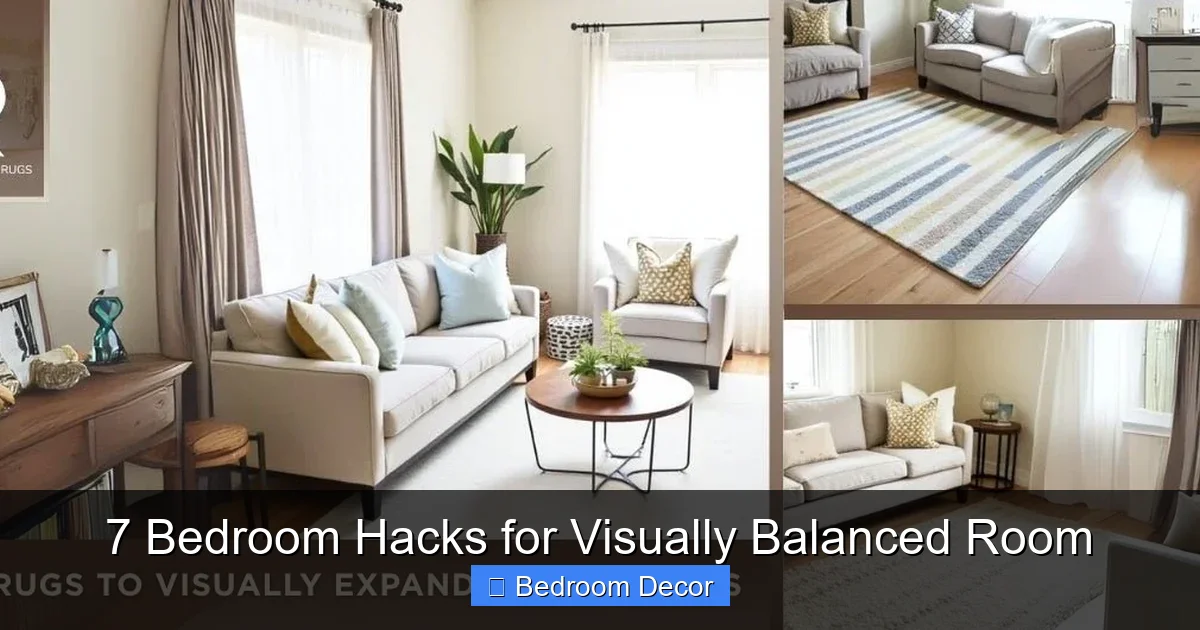
Visual guide about 7 Bedroom Hacks for Visually Balanced Room
Image source: rencollection.com
Applying the 60-30-10 Rule
A classic interior design principle, the 60-30-10 rule, is your secret weapon for a visually balanced room. It suggests using three colors in these proportions:
- 60% Dominant Color: This is your main color, often found on your walls or large furniture pieces like the bed frame or a large rug. It sets the overall mood.
- 30% Secondary Color: This color complements your dominant shade and is used for elements like curtains, an accent wall, smaller furniture, or bedding. It adds depth and interest.
- 10% Accent Color: This is your pop of personality. Use it sparingly for decorative pillows, throws, artwork, or small accessories. It draws the eye and adds vibrancy.
Sticking to this rule prevents any single color from overpowering the others, ensuring a cohesive and visually balanced bedroom.
Choosing Your Colors Wisely
For a bedroom, cool and neutral tones often promote relaxation, contributing to a calm and visually balanced room. Consider blues, greens, soft grays, and warm whites as your dominant or secondary colors. However, warm tones like blush pink or soft terracotta can also create a cozy, balanced feel when used thoughtfully.
- Tip: When selecting your palette, consider your existing furniture and flooring. Look for inspiration in nature or images that evoke feelings of peace.
- Example: Walls painted a soft gray (60%), bedding and curtains in a muted navy blue (30%), with throw pillows and a piece of art featuring mustard yellow (10%) as the accent. This creates a sophisticated and visually balanced bedroom.
Remember, a harmonious color palette is fundamental to a visually balanced room. It creates a seamless backdrop for all other elements to shine.
Hack 3: Layer Lighting for Depth and Warmth
Lighting is often overlooked, but it’s crucial for creating a visually balanced room. A single overhead light can leave your room feeling flat and uninviting. Layered lighting, on the other hand, adds depth, warmth, and functionality, enhancing the overall balance and mood.
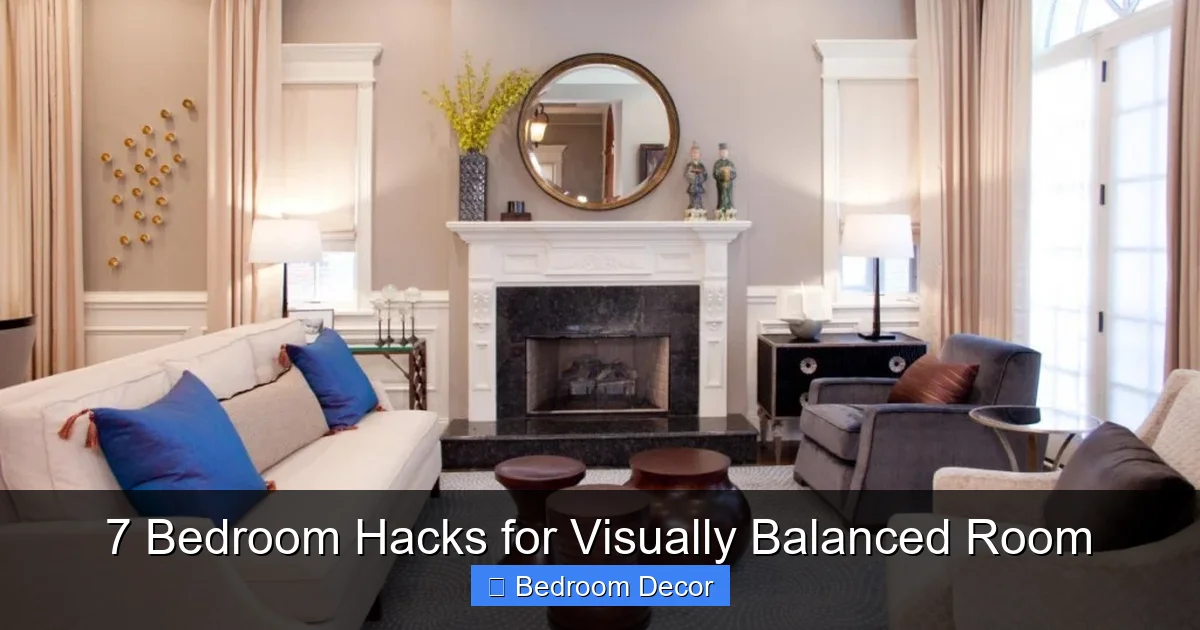
Visual guide about 7 Bedroom Hacks for Visually Balanced Room
Image source: livinator.com
The Three Layers of Light
Think of lighting in three distinct layers to create a truly visually balanced bedroom:
- Ambient Lighting (General Illumination): This is your primary light source, typically overhead. It provides overall illumination for the room.
- Tip: Opt for a dimmer switch on your overhead fixture. This allows you to control the intensity and adjust the mood, making your room feel more versatile and visually balanced at different times of day.
- Task Lighting (Functional Illumination): This lighting is focused on specific activities. In a bedroom, this often means bedside lamps for reading or a desk lamp for working.
- Tip: Choose task lamps that complement your room’s style and provide adequate light without harsh glare. The right task lighting contributes to the room’s functionality and visual balance.
- Accent Lighting (Highlighting Features): This layer adds visual interest and highlights specific architectural features or decor. Picture wall sconces, picture lights, or small uplights.
- Tip: Use accent lighting to draw attention to artwork, shelves, or a textured wall. This creates focal points and adds a cozy glow, making the room feel more intentional and visually balanced.
Strategizing Light Placement
The placement of your light sources is just as important as the types of lights you choose. Ensure there’s light at different heights – overhead, at eye level (table lamps), and lower (floor lamps or under-bed lighting). This variation prevents dark corners and creates a well-lit, visually balanced room.
- Example: A central pendant light (ambient), two matching bedside lamps (task), and a floor lamp in a reading nook (task/accent) work together to illuminate the room beautifully and create a dynamic, visually balanced space.
By thoughtfully layering your lighting, you not only improve functionality but also create an atmosphere that feels warm, inviting, and perfectly balanced.
Hack 4: Strategic Furniture Arrangement and Scale
How you arrange your furniture fundamentally dictates the flow and feel of your bedroom. Incorrect placement or mismatched scale can quickly throw off the visual balance, making a room feel cramped, empty, or simply “off.”
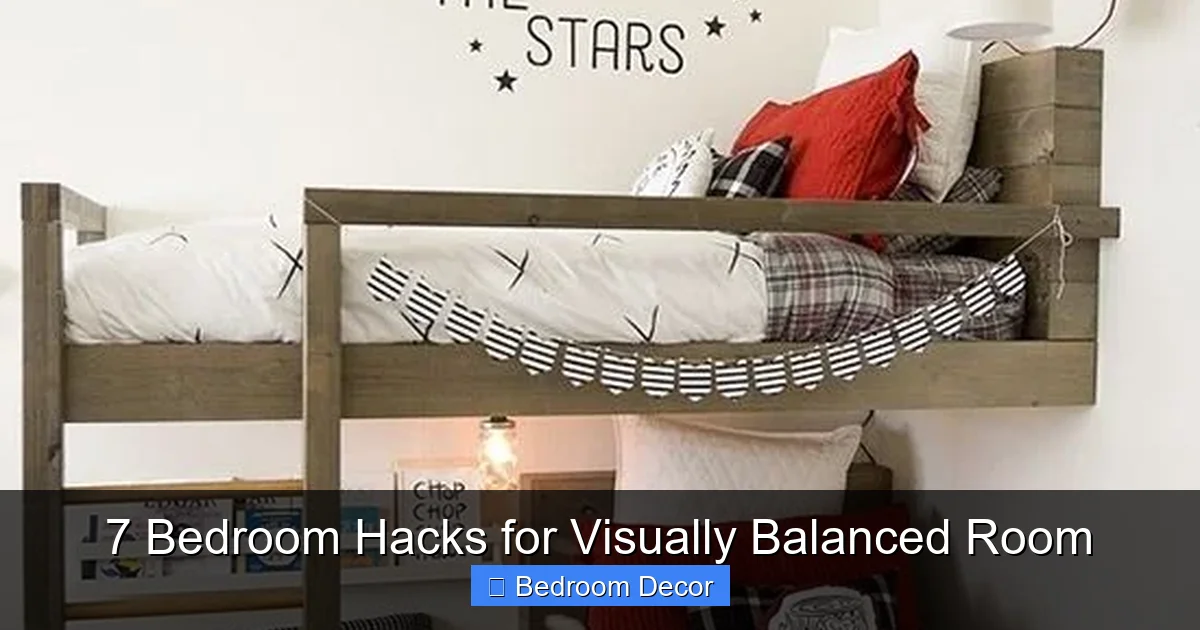
Visual guide about 7 Bedroom Hacks for Visually Balanced Room
Image source: i.pinimg.com
Anchor with a Focal Point
Every well-designed room has a focal point, and in a bedroom, it’s almost always the bed. Arrange your bed first, ideally against the longest wall, or the wall that allows for the most natural flow. Once the bed is in place, position other furniture around it in a way that supports its prominence without competing with it. This forms the cornerstone of a visually balanced room.
- Tip: Ensure your bed is the first thing your eye goes to when you enter the room. This makes the space feel grounded and helps create a strong sense of visual balance.
Respect Room Scale
Scale refers to the size of furniture in relation to the room and to other pieces of furniture. A tiny nightstand next to a massive bed looks disproportionate and creates an unbalanced feel. Similarly, oversized furniture in a small room will make it feel cramped, while too many small pieces in a large room can make it feel cluttered and sparse at the same time.
- For Small Rooms: Opt for multi-functional furniture (e.g., a storage ottoman, a bed with built-in drawers) and pieces with slender legs or open bases to create a sense of airiness. Choose fewer, well-proportioned items.
- For Large Rooms: Don’t push all furniture against the walls. “Float” larger pieces like armchairs or benches away from the wall to create intimate zones and prevent the room from feeling empty. Use larger rugs to define areas, all contributing to a more visually balanced room.
Consider Traffic Flow
Ensure there’s enough space to comfortably walk around all furniture pieces. Aim for at least 2-3 feet of clearance around the bed and main pathways. This isn’t just about functionality; clear pathways contribute significantly to the visual balance, making the room feel open and easy to navigate.
- Example: In a medium-sized bedroom, place the bed centrally on the main wall. Flank it with nightstands proportional to the bed’s size. A dresser could go on an adjacent wall, ensuring there’s ample space between it and the bed for easy movement. If space allows, a small armchair in a corner creates a cozy nook without obstructing flow, maintaining a beautiful visually balanced room.
By carefully planning your furniture arrangement and scale, you lay the foundation for a truly functional and visually balanced room.
Hack 5: Incorporating Textural Variety
Texture adds warmth, depth, and character to a room, preventing it from looking flat or sterile. A visually balanced room benefits greatly from a thoughtful mix of textures, creating a rich sensory experience without overwhelming the eye.
Mix Soft with Hard
The easiest way to introduce textural variety is to contrast soft elements with hard ones. Think about the interplay between plush textiles and sturdy furniture materials. This contrast is key to a dynamic and visually balanced bedroom.
- Soft Textures: Introduce softness through bedding (cotton, linen, silk), throw blankets (chunky knits, faux fur), rugs (wool, jute), and curtains. These elements invite touch and create a cozy atmosphere.
- Hard Textures: Consider wooden furniture, metal accents (lamps, bed frames), ceramic planters, or glass decor. These provide structure and visual weight.
Layer Textures Strategically
Don’t just add random textures; layer them with purpose. Start with larger textile pieces and build up. For example, a large area rug anchors the room, then add a textured duvet cover, followed by throw pillows with varying materials (velvet, knit, embroidered cotton). This layering creates depth and makes the room feel more complete and visually balanced.
- Tip: Play with different sheens. A matte linen duvet paired with a silky throw and a glossy ceramic vase adds subtle, sophisticated visual interest.
- Avoid Overdoing It: While variety is good, too many competing textures can create clutter. Stick to a few dominant textures and use others as accents. The goal is a visually balanced room, not a textile museum.
By carefully selecting and layering textures, you can add warmth, interest, and a refined sense of visual balance to your bedroom, making it feel inviting and rich.
Hack 6: Thoughtful Art and Decor Placement
Art and decorative accessories are the finishing touches that personalize your space and can significantly contribute to a visually balanced room. However, haphazard placement can quickly lead to visual clutter rather than charm.
The Art of Grouping and Scale
Resist the urge to scatter small decor items throughout the room. Instead, group similar items or items that share a common theme. This creates a cohesive “moment” that acts as a single, stronger visual element. When displaying art, consider the “rule of thirds” – imagine your wall divided into a 3×3 grid and place your main focal points along the lines or at their intersections.
- Wall Art: Ensure artwork is proportionate to the wall space it occupies and the furniture beneath it. A tiny piece on a vast wall will look lost, while an oversized piece can overwhelm. Generally, art should be about 2/3 the width of the furniture it hangs above. Hang art at eye level (center of the piece roughly 57-60 inches from the floor) for comfortable viewing, contributing to a visually balanced room.
- Gallery Walls: If creating a gallery wall, lay out your arrangement on the floor first. Vary frame sizes and orientations, but maintain a consistent spacing between them for a cohesive, visually balanced look.
Utilize Negative Space
Negative space (the empty areas around your decor) is just as important as the objects themselves. It allows the eye to rest and prevents a room from feeling crowded. Don’t feel the need to fill every corner or surface. Embrace simplicity for a serene and visually balanced room.
- Mirrors: Strategically placed mirrors can enhance visual balance by reflecting light and making a room feel larger. Place one opposite a window to maximize natural light, or on a wall to visually expand the space.
- Decor Density: Think about density. If you have a busy patterned duvet, perhaps opt for simpler, fewer items on your nightstands. If your walls are bare, a striking piece of art can provide that needed visual anchor, creating a more visually balanced bedroom.
Thoughtful placement of art and decor transforms your bedroom from merely decorated to truly designed, fostering a profound sense of visual balance.
Hack 7: The Power of Decluttering and Smart Storage
Perhaps the most immediate and impactful hack for a visually balanced room is effective decluttering and smart storage. Clutter is the enemy of visual balance; it creates visual noise, makes a space feel chaotic, and prevents you from truly relaxing.
Eliminate Visual Noise
Start by removing everything that doesn’t belong in your bedroom or doesn’t serve a purpose. Be ruthless! This includes stacks of books you’ve already read, clothes that don’t fit, or old magazines. Clear surfaces are crucial for a calm and visually balanced room. The less “stuff” your eyes have to process, the more serene your space will feel.
- Tip: Adopt the “one in, one out” rule. If you buy a new decorative item, get rid of an old one. This prevents clutter from accumulating over time.
Embrace Smart Storage Solutions
Once you’ve decluttered, identify what needs to be stored and invest in solutions that keep items out of sight, yet easily accessible. Good storage is often “invisible” storage.
- Under-Bed Storage: Use drawers or bins under your bed for extra linens, seasonal clothing, or shoes. This frees up closet space and keeps items hidden.
- Bedside Tables with Drawers: Instead of open shelves, opt for nightstands with drawers to stash remotes, books, and personal items. This keeps your bedside looking neat and tidy, contributing to a visually balanced room.
- Closed Wardrobes and Dressers: Choose furniture with doors and drawers over open shelving if you struggle with keeping things organized. This minimizes visual clutter significantly.
- Decorative Baskets and Bins: For items you need frequently (like extra throws or magazines), use attractive baskets or bins. They contain clutter in a stylish way.
- Wall-Mounted Shelves: If you display decorative items, use floating shelves to keep them off dressers and nightstands, creating more open surface area. Arrange items sparsely and thoughtfully to maintain a visually balanced look.
A well-organized and decluttered room instantly feels lighter, larger, and infinitely more peaceful. It’s the ultimate hack for achieving a truly visually balanced room, allowing all your other design efforts to shine.
Conclusion
Creating a visually balanced room in your bedroom is a journey of thoughtful choices, not a sprint to perfection. By applying these seven hacks – from mastering symmetry and asymmetry to layering lighting, arranging furniture strategically, playing with textures, placing decor with purpose, and embracing decluttering – you’re well on your way to a space that feels utterly serene and perfectly in tune. Each decision, no matter how small, contributes to the overall harmony. Take your time, experiment, and most importantly, enjoy the process of transforming your bedroom into the beautiful, balanced sanctuary you’ve always dreamed of.