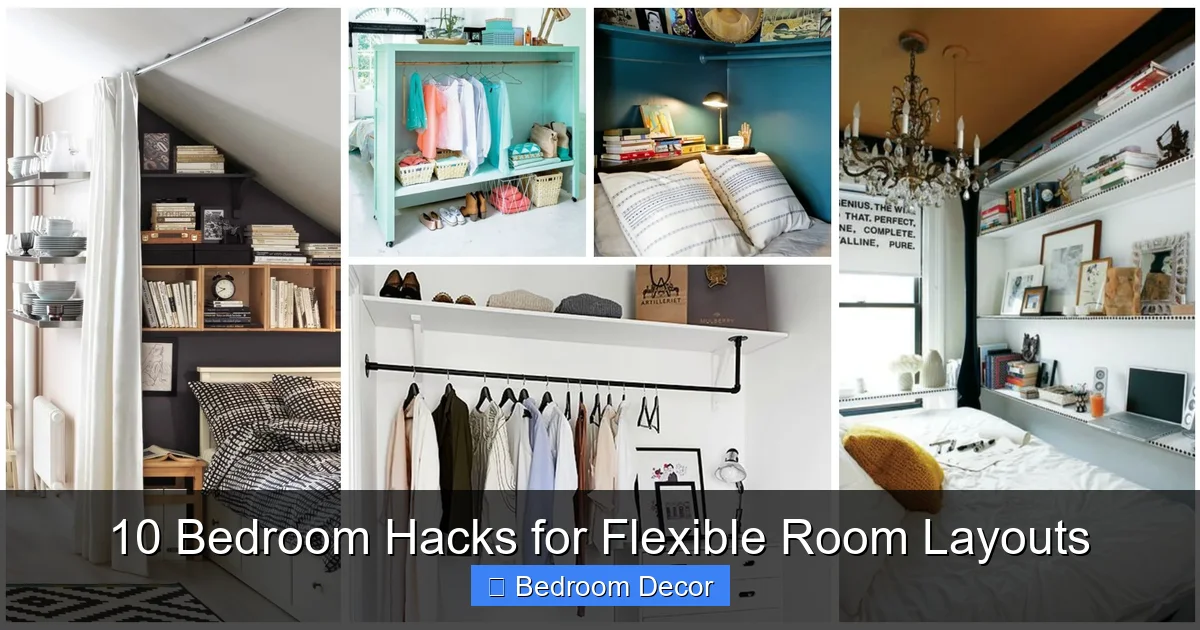
Transform your bedroom into a versatile oasis with our 10 smart bedroom hacks for flexible room layouts. Learn how to utilize multi-functional furniture, movable dividers, and clever storage solutions to adapt your space on demand. These tips will help you create a room that works for sleeping, working, and relaxing, maximizing both style and functionality effortlessly.
10 Bedroom Hacks for Flexible Room Layouts
Have you ever wished your bedroom could transform to meet your changing needs throughout the day, week, or even year? Perhaps you need a cozy reading nook in the morning, a productive home office by afternoon, and a serene sleeping sanctuary at night. Or maybe your living situation changes, and you need your space to adapt quickly. If this sounds familiar, you’re in the right place!
Creating a truly versatile bedroom is all about smart design choices and strategic planning. It means thinking beyond fixed layouts and embracing adaptability. In this comprehensive guide, we’re going to dive into 10 clever bedroom hacks that will empower you to design flexible room layouts. You’ll learn how to maximize every inch of your space, make it work harder for you, and ensure it always feels fresh and functional. Say goodbye to rigid, static rooms and hello to a dynamic, responsive living area! Let’s get started on transforming your bedroom into a flexible haven.
Key Takeaways
- Embrace Multi-Functional Furniture: Invest in pieces that serve more than one purpose to save space and enhance versatility.
- Utilize Modular and Movable Elements: Choose furniture with casters or modular designs for easy rearrangement and adaptability.
- Define Zones without Walls: Use rugs, lighting, and strategic furniture placement to create distinct areas within your bedroom.
- Maximize Vertical Space: Leverage walls and tall furniture to free up floor space and add valuable storage.
- Implement Smart, Concealed Storage: Keep clutter out of sight to maintain a clean, spacious, and flexible environment.
- Employ Movable Room Dividers: Use screens or curtains to create temporary privacy or delineate separate functions.
- Harness the Power of Mirrors: Strategically placed mirrors can visually expand your room, making it feel more open and adaptable.
Hack 1: Embrace Multi-Functional Furniture
One of the most powerful bedroom hacks for flexible room layouts is to incorporate furniture that serves more than one purpose. Why have a simple bed when it can also be a storage unit? Why have a plain ottoman when it can hold blankets *and* act as extra seating? Multi-functional pieces are champions of space-saving and versatility, making your room effortlessly adaptable.
Choose Pieces with Hidden Talents
Think about furniture that can do double — or even triple — duty. A sofa bed, for instance, is perfect for a guest room or a studio apartment, instantly converting a living space into a sleeping area. An ottoman with a removable lid can store extra linens or remote controls, while also serving as a footrest or an impromptu coffee table.
Practical Examples for Your Bedroom
- Storage Beds: These come with built-in drawers underneath or lift-up platforms, eliminating the need for bulky dressers and keeping your floor space clear.
- Desk/Vanity Combos: A small desk can easily double as a vanity table. Just add a mirror and some organized makeup storage that can be tucked away when it’s time to work.
- Ottomans and Benches: Opt for ones with internal storage. They provide extra seating, a surface for books, and a hiding spot for clutter.
- Daybeds: A daybed can function as a sofa during the day, perfect for lounging or entertaining, and transition into a comfortable bed at night.
By thoughtfully selecting multi-functional items, you’ll find your bedroom layouts become far more flexible and efficient.
Hack 2: Go Modular and Adaptable
Visual guide about 10 Bedroom Hacks for Flexible Room Layouts
Image source: i.pinimg.com
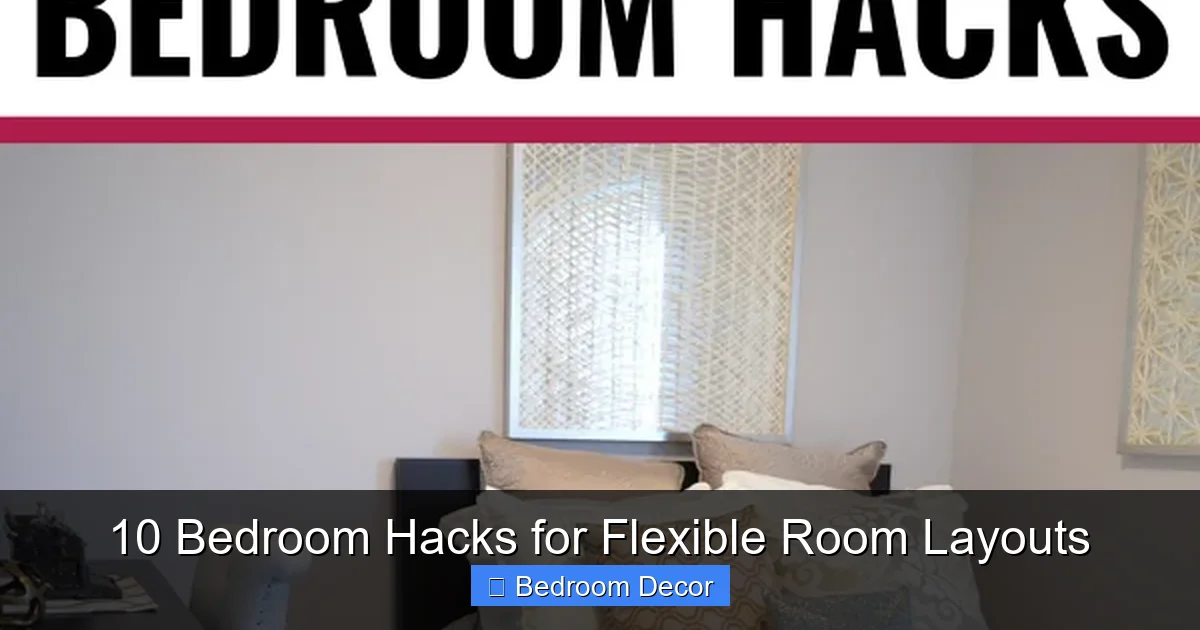
Modular furniture is designed to be easily reconfigured, moved, or expanded, making it a dream come true for flexible room layouts. These pieces allow you to change the shape, size, or function of your furniture arrangement on a whim, responding to different activities or simply a desire for a fresh look.
Build Your Layout Piece by Piece
Modular designs offer unparalleled flexibility. Instead of one large, unmovable item, you get several smaller components that can be combined in various ways. This means you can create a layout that perfectly fits your current needs, then easily dismantle and rearrange it when those needs change.
Smart Choices for Modular Flexibility
- Sectional Sofas: In a larger bedroom used as a suite, a sectional can be broken down into individual chairs or rearranged to create different seating zones.
- Cube Storage Systems: Units like IKEA’s Kallax or similar cube shelves can be stacked, placed side-by-side, or even used as room dividers. You can add drawers, doors, or baskets to customize them further.
- Nestable Tables: A set of tables that fit inside each other can be pulled out for extra surfaces when needed and tucked away neatly to save space.
- Interlocking Shelving: These systems can be expanded or contracted, allowing you to build storage that adapts to your wall space and storage requirements.
Modular furniture truly empowers you to be the architect of your own flexible bedroom, constantly evolving with your lifestyle.
Hack 3: Utilize Movable Room Dividers
Visual guide about 10 Bedroom Hacks for Flexible Room Layouts
Image source: i.pinimg.com
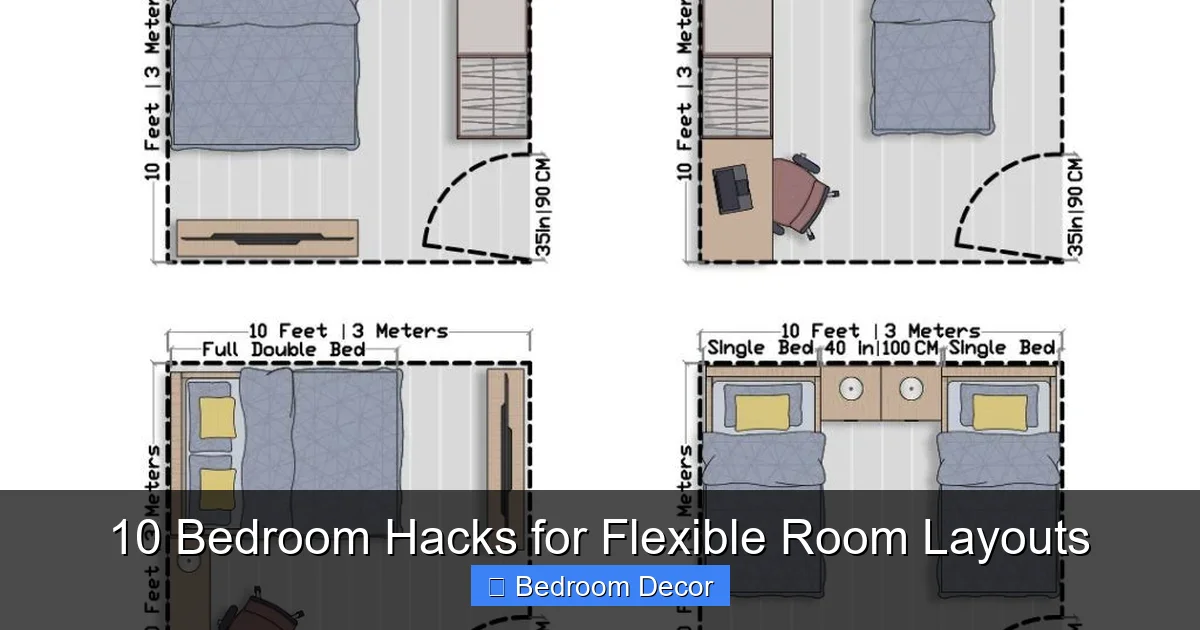
Sometimes you need to create distinct areas within your bedroom without the permanence of a wall. Movable room dividers are an excellent solution for flexible room layouts, allowing you to define zones for sleeping, working, or relaxation, and then open up the space again when desired. They’re fantastic bedroom hacks for instant transformation.
Create Instant Privacy or Definition
Room dividers come in many forms, offering various levels of privacy and aesthetic appeal. They can be lightweight and easy to shift, giving you control over your room’s flow and function.
Types of Flexible Room Dividers
- Folding Screens: Traditional folding screens are decorative and can be easily moved to section off a sleeping area, a dressing zone, or a small home office.
- Curtains or Drapes: Installing a ceiling-mounted track allows you to draw curtains across a section of your room, creating a soft, temporary wall. Sheer curtains can offer a sense of separation without blocking light entirely.
- Mobile Bookshelves: A tall, sturdy bookshelf on casters can serve as an effective room divider. It not only creates a barrier but also provides valuable storage or display space.
- Large Plants on Wheels: For a softer, more natural divide, cluster large potted plants on wheeled bases. They bring greenery into the room while subtly delineating areas.
These dividers are perfect for studio apartments or shared bedrooms, providing necessary separation without permanent construction.
Hack 4: Leverage Wall-Mounted Solutions
Visual guide about 10 Bedroom Hacks for Flexible Room Layouts
Image source: xomyhome.com
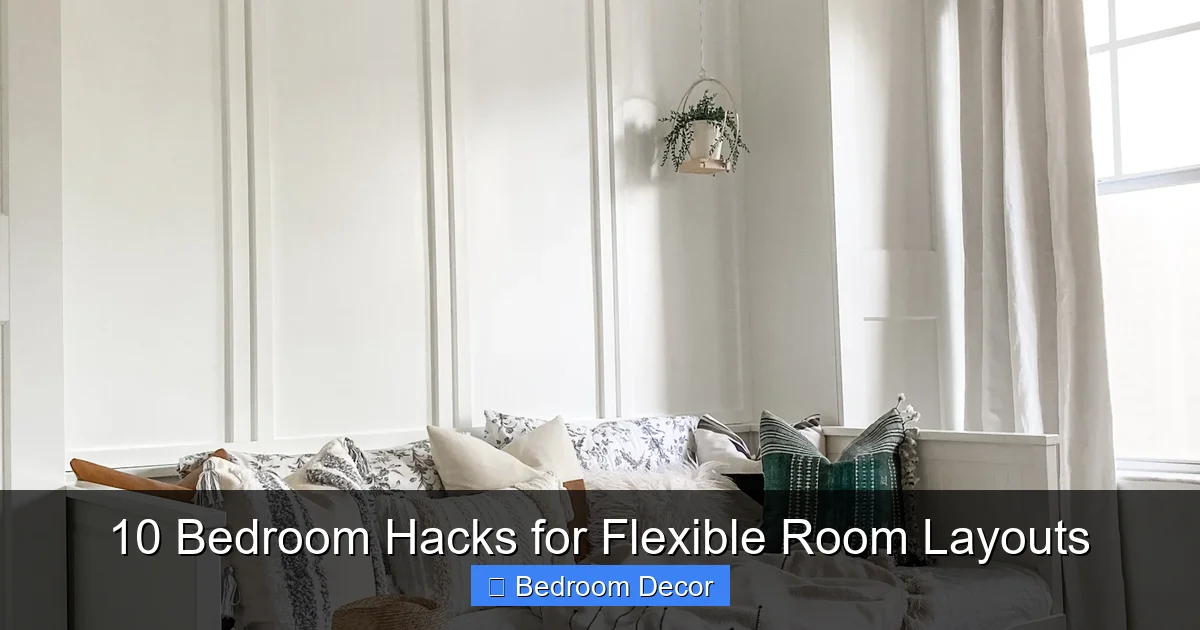
When floor space is at a premium, the only way to go is up! Wall-mounted furniture and storage are brilliant bedroom hacks for flexible room layouts because they free up your valuable floor area, making the room feel larger and more open. This allows for greater flexibility in arranging other furniture.
Get Things Off the Floor
By utilizing your vertical space, you create an airy environment where you can move around more freely. Wall-mounted items reduce clutter and offer a sleek, modern look.
Smart Wall-Mounted Ideas
- Floating Shelves: These are perfect for displaying decor, books, or essential bedside items without needing a bulky nightstand.
- Wall-Mounted Desks: A fold-down or floating desk can provide a workspace when you need it and disappear when you don’t.
- Murphy Beds: The ultimate space-saver, a Murphy bed folds up into a cabinet or wall unit, completely freeing up the floor space for other activities during the day.
- Pegboards: A versatile pegboard can store tools, accessories, or even act as a decorative display, keeping items organized and off surfaces.
- Wall-Mounted Nightstands: Small, floating nightstands maintain a minimalist look and keep the floor clear beneath the bed.
These solutions are excellent for creating more spacious and flexible room layouts, especially in smaller bedrooms.
Hack 5: Add Casters to Key Pieces
Imagine rearranging your entire bedroom layout in minutes, without breaking a sweat. Adding casters (wheels) to your furniture makes this dream a reality! This is one of the simplest yet most effective bedroom hacks for achieving true flexibility.
Unlock Instant Mobility
Furniture on wheels can be easily rolled into new positions, allowing you to adapt your room for different activities or simply for a quick refresh. This ease of movement encourages experimentation with your flexible room layouts.
Which Furniture Pieces to Mobilize
- Desks: A desk on casters can be moved from a corner to the center of the room for a project, or tucked away when not in use.
- Nightstands: Mobile nightstands can be shifted closer to the bed or rolled to another part of the room if you’re reconfiguring.
- Storage Carts: Utility carts are fantastic for holding art supplies, tech gadgets, or beauty products, and can be easily wheeled out when needed and stored discreetly otherwise.
- Small Seating: A floor cushion or a small armchair on wheels can be moved around to create different seating arrangements.
When choosing casters, opt for locking ones to ensure your furniture stays put once you’ve found its perfect spot. This simple addition can transform how you interact with your flexible bedroom.
Hack 6: Define Zones with Rugs and Lighting
You don’t need walls to create distinct areas within your bedroom. Clever use of rugs and lighting can visually “zone” your space, making it feel more organized and functional. These bedroom hacks are all about creating flexible room layouts through smart visual cues.
Create Visual Boundaries and Moods
Rugs and lighting work together to delineate areas and set the mood for different activities. They’re non-permanent, easily changeable elements that add incredible flexibility.
How to Zone Your Bedroom
- Strategic Rug Placement:
- Place a large rug partially under your bed to define the sleeping area.
- Use a smaller, contrasting rug under a reading chair or a desk to mark a separate activity zone.
- Different textures or patterns can also help distinguish areas visually.
- Layered Lighting:
- Ambient Lighting: Overhead lights or general lamps for overall illumination.
- Task Lighting: A desk lamp for work, a reading lamp next to your bed or chair. This focuses light on specific areas for specific activities.
- Accent Lighting: Dimmers, fairy lights, or decorative lamps to create a cozy atmosphere in a particular corner.
By combining rugs and lighting, you can create dynamic and flexible room layouts that cater to various functions, from focused work to relaxing downtime.
Hack 7: Maximize Vertical Space Smartly
Just like with wall-mounted solutions, maximizing your vertical space is an absolute game-changer for flexible room layouts, especially in smaller bedrooms. It’s all about looking up and using the often-neglected areas between your furniture and the ceiling.
Think Upwards, Not Outwards
When you utilize vertical space, you inherently free up valuable floor area, allowing your room to feel more open and providing more flexibility for moving around or rearranging furniture. This is a core concept behind effective bedroom hacks for spaciousness.
Vertical Space-Saving Hacks
- Tall, Slim Bookshelves: Instead of wide, sprawling units, opt for narrow, tall bookshelves that draw the eye upward and provide ample storage without taking up much floor real estate.
- Loft Beds or Bunk Beds: If ceiling height allows, a loft bed creates an entirely new “room” underneath, perfect for a desk, a lounge area, or extra storage. Bunk beds are ideal for shared rooms, freeing up floor space for play or study.
- Over-the-Door Organizers: These are fantastic for shoes, accessories, or even light clothing, keeping items out of sight and off surfaces.
- Wall-to-Ceiling Storage: Consider custom or modular shelving units that extend all the way to the ceiling, providing maximum storage capacity.
By thinking vertically, you unlock a wealth of potential for storage and functionality, contributing significantly to more flexible room layouts.
Hack 8: Invest in Foldable and Nestable Items
When you need furniture only occasionally, or wish you had extra surfaces that could disappear, foldable and nestable items are your answer. These smart bedroom hacks are brilliant for maintaining flexible room layouts, allowing you to pull out pieces when needed and tuck them away when not.
Furniture on Demand
The beauty of foldable and nestable items lies in their ability to provide functionality without permanent occupation of your space. This means you can temporarily expand your room’s capabilities without committing to a fixed arrangement.
Great Examples for a Flexible Bedroom
- Folding Chairs: Perfect for when you have guests or need extra seating for a project, then fold flat to store in a closet.
- Nestable Side Tables: A set of two or three tables that fit neatly within each other. You can use one as a nightstand and pull out others for drinks or snacks when lounging.
- Drop-Leaf Desks or Tables: These have hinged sections that can be folded down when not in use, drastically reducing their footprint.
- Folding Screens (again!): While also a divider, their foldable nature means they can be tucked away when an open-plan feel is desired.
Integrating foldable and nestable pieces ensures your bedroom remains adaptable and clutter-free, ready to transform for any occasion.
Hack 9: Implement Smart, Concealed Storage
Clutter is the enemy of flexible room layouts. When your space is visually messy, it feels smaller, less adaptable, and more chaotic. Smart, concealed storage is one of the most effective bedroom hacks for maintaining a serene and functional environment, allowing your flexible layout to truly shine.
Hide Away the Everyday Chaos
Concealed storage doesn’t just put things away; it makes them disappear, creating a clean canvas that feels expansive and calm. This allows the various “zones” you’ve created to stand out without distraction.
Key Concealed Storage Solutions
- Under-Bed Storage Drawers: Whether built-in or on wheels, these are ideal for seasonal clothing, extra bedding, or shoes, utilizing otherwise wasted space.
- Storage Benches and Ottomans: As mentioned in multi-functional furniture, these are excellent for storing items like blankets, books, or games while providing extra seating.
- Built-In Wardrobes or Closets: Maximize these with clever organizers, shelves, and hanging systems to store as much as possible behind closed doors.
- Decorative Storage Boxes: For items you need handy but don’t want on display, attractive boxes or baskets can be used on shelves or under tables.
- Cabinets with Doors: Instead of open shelving, closed cabinets hide items, contributing to a clean, uncluttered aesthetic.
By strategically tucking things away, you free up both physical and visual space, making your bedroom feel much larger and more conducive to flexible living.
Hack 10: Strategic Use of Mirrors
While not a physical “hack” in the sense of moving furniture, the strategic use of mirrors is a powerful psychological hack for flexible room layouts. Mirrors have an incredible ability to make a room feel larger, brighter, and more open, which in turn enhances the perception of flexibility and space.
Expand Your Room Visually
Mirrors reflect light and the existing decor, effectively doubling the apparent size of your room. This visual expansion makes even a small bedroom feel more generous and adaptable.
How to Use Mirrors Effectively
- Large Leaning Mirror: A full-length mirror leaning against a wall creates a dramatic impact, instantly making the room feel taller and wider. Place it strategically to reflect an interesting part of your room or a window view.
- Mirror Gallery Wall: Grouping several smaller mirrors of different shapes and sizes can add a decorative element while still contributing to the feeling of spaciousness.
- Mirrored Furniture Accents: A mirrored nightstand, dresser, or cabinet can add a touch of glamour and reflect light, subtly contributing to the room’s open feel.
- Opposite a Window: Placing a mirror directly opposite a window will bounce natural light deeper into the room, making it brighter and more expansive.
Mirrors are an inexpensive yet highly effective way to create an illusion of more space, enhancing the feeling of flexible room layouts and making your bedroom feel like a breath of fresh air.
Adapting Your Flexible Bedroom Layouts
Implementing these bedroom hacks is just the beginning! The true beauty of flexible room layouts lies in their adaptability. Here’s how to make these hacks work for various situations:
For Small Bedrooms
Focus heavily on vertical space (Hack 4 & 7) and multi-functional furniture (Hack 1). Wall-mounted solutions and concealed storage (Hack 9) are your best friends. Use mirrors (Hack 10) generously to create the illusion of more space. Movable casters (Hack 5) allow you to shift furniture out of the way for different activities, making a small room live larger.
For Renter-Friendly Solutions
Prioritize non-permanent hacks. Movable room dividers (Hack 3), furniture on casters (Hack 5), and defining zones with rugs and lighting (Hack 6) are perfect as they don’t require any structural changes. Opt for freestanding modular storage (Hack 2) over built-ins.
For Ever-Changing Needs
If your lifestyle often shifts (e.g., you work from home sometimes, host guests often), combine several hacks. A daybed (Hack 1) that turns into a guest bed, paired with a modular shelving unit (Hack 2) that reconfigures for work or play, and a movable room divider (Hack 3) to create a temporary office, offers ultimate flexibility. Regularly reassess your space and don’t be afraid to rearrange!
Conclusion
Creating flexible room layouts in your bedroom is about empowering yourself to live better in your space. By implementing these 10 bedroom hacks, you’re not just decorating; you’re designing a dynamic environment that truly adapts to your life. From embracing multi-functional furniture and modular designs to utilizing clever storage, movable dividers, and the magic of mirrors, each hack offers a practical step towards a more versatile and enjoyable bedroom.
Remember, your bedroom is more than just a place to sleep—it’s your personal sanctuary, your workspace, your retreat. Make it work for you, not against you. Start with one or two hacks that resonate most with your needs, and watch how quickly your room transforms. Embrace the power of flexibility, and create a bedroom that is as unique and adaptable as you are!