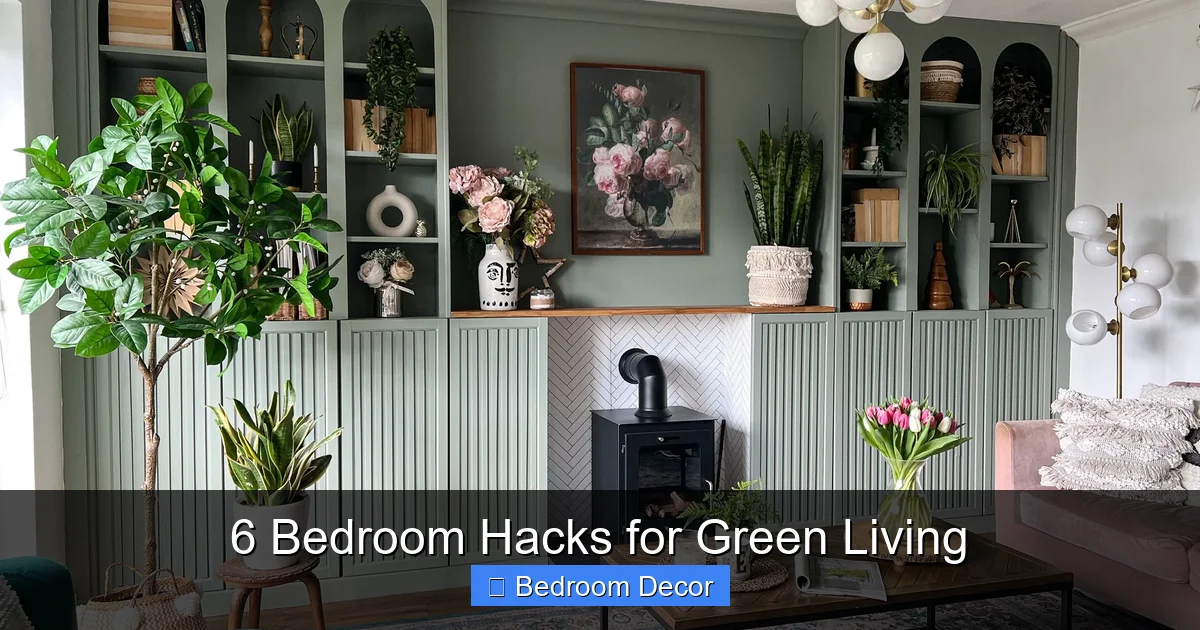
Ready to make your personal space more eco-conscious? Our guide shares 6 simple yet impactful bedroom hacks for green living. From choosing sustainable bedding and energy-efficient lighting to embracing eco-friendly furniture and air-purifying plants, you’ll learn how to transform your bedroom into a healthier, more sustainable haven. Start your journey towards a greener home today!
6 Bedroom Hacks for Green Living
Welcome to your ultimate guide for transforming your bedroom into an eco-friendly sanctuary! As we spend a significant portion of our lives in our bedrooms, it’s the perfect place to start making sustainable choices. Embracing green living in your personal space isn’t just about protecting the planet; it’s also about creating a healthier, more peaceful environment for yourself.
In this comprehensive guide, we’ll walk you through six practical and impactful bedroom hacks that will help you achieve a more sustainable lifestyle. We’ll cover everything from choosing the right bedding to smart energy solutions and eco-conscious decor. Each hack comes with step-by-step advice, practical tips, and examples to make your transition to a greener bedroom as smooth and enjoyable as possible. Get ready to breathe new life into your space while doing good for the Earth!
Key Takeaways
- Embrace Sustainable Bedding: Opt for materials like organic cotton, linen, Tencel, or bamboo to reduce your environmental footprint and ensure a chemical-free sleep environment.
- Optimize Lighting for Energy Efficiency: Switch to LED bulbs and maximize natural light to significantly lower energy consumption, contributing to a more sustainable home.
- Choose Eco-Friendly Furniture Wisely: Prioritize second-hand items, sustainably sourced wood with certifications (FSC), or furniture made from recycled materials, ensuring non-toxic finishes.
- Integrate Air-Purifying Plants: Introduce houseplants like Snake Plants, Pothos, or Spider Plants to naturally filter indoor air, improving air quality and boosting your well-being.
- Reduce, Reuse, and Upcycle Decor: Adopt a minimalist approach, repurpose existing items, or get creative with DIY projects to decorate sustainably and minimize waste.
- Implement Smart Temperature Control: Utilize programmable thermostats, improve insulation, and practice natural ventilation to maintain comfortable temperatures while conserving energy.
Hack 1: Embrace Sustainable Bedding Choices
Your bed is the focal point of your bedroom, and the materials you sleep on can have a significant environmental impact. Conventional bedding often involves synthetic fibers, harsh dyes, and chemical treatments. Switching to sustainable bedding is a fantastic first step towards green living in your bedroom.
Why Sustainable Bedding Matters
Choosing eco-friendly bedding means selecting materials that are grown, harvested, and processed with minimal environmental harm. This often translates to fewer pesticides, less water consumption, and more ethical labor practices. Plus, these materials are usually healthier for you, free from irritating chemicals.
How to Choose Your Sustainable Bedding
Here’s how to pick the best options for your green living goals:
a. Opt for Organic Cotton
Organic cotton is grown without synthetic pesticides or fertilizers, which protects soil health and prevents water contamination. Look for certifications like GOTS (Global Organic Textile Standard) to ensure traceability and ethical production from field to finished product. Organic cotton is soft, breathable, and durable, making it a luxurious and responsible choice for sheets, duvet covers, and pillowcases.
- Tip: Consider the thread count. While a higher thread count often implies softness, anything above 400 is often for marketing. Focus on the material’s quality and feel instead.
b. Explore Linen Bedding
Linen is made from flax plants, which require very little water and pesticides to grow. It’s incredibly durable, softens with age, and has natural temperature-regulating properties, keeping you cool in summer and warm in winter. Linen is also hypoallergenic and highly absorbent, making it excellent for sensitive skin.
- Tip: Linen often has a slightly wrinkled, relaxed look. Embrace it! It’s part of its natural charm and saves you from ironing.
c. Discover Tencel (Lyocell) and Bamboo
These are semi-synthetic fibers derived from wood pulp, but their production processes are remarkably eco-friendly. Tencel, made from eucalyptus, uses a closed-loop system where 99% of the solvents are recovered and reused. Bamboo is fast-growing and requires minimal water, and its fabric is incredibly soft, breathable, and often naturally antibacterial.
- Tip: When choosing bamboo, look for “bamboo lyocell” or “Tencel bamboo” to ensure it’s processed sustainably, as some rayon-from-bamboo processes can be chemical-intensive.
d. Choose Sustainable Fillings
For duvets and pillows, look for fillings like recycled PET fiber (made from plastic bottles), organic wool, or kapok (a natural, silk-like fiber). These alternatives are better than synthetic polyester fills that can shed microplastics and are derived from fossil fuels.
Hack 2: Optimize Lighting for Energy Efficiency
Lighting can consume a significant portion of your household’s energy. Making smart choices about your bedroom lighting is a crucial step for green living, helping you save on electricity bills and reduce your carbon footprint.
Why Energy-Efficient Lighting Matters
Reducing electricity consumption helps conserve natural resources, lowers greenhouse gas emissions from power plants, and lessens the strain on our planet. It’s a simple change with a big impact on your overall green living strategy.
How to Implement Energy-Efficient Lighting
a. Switch to LED Bulbs
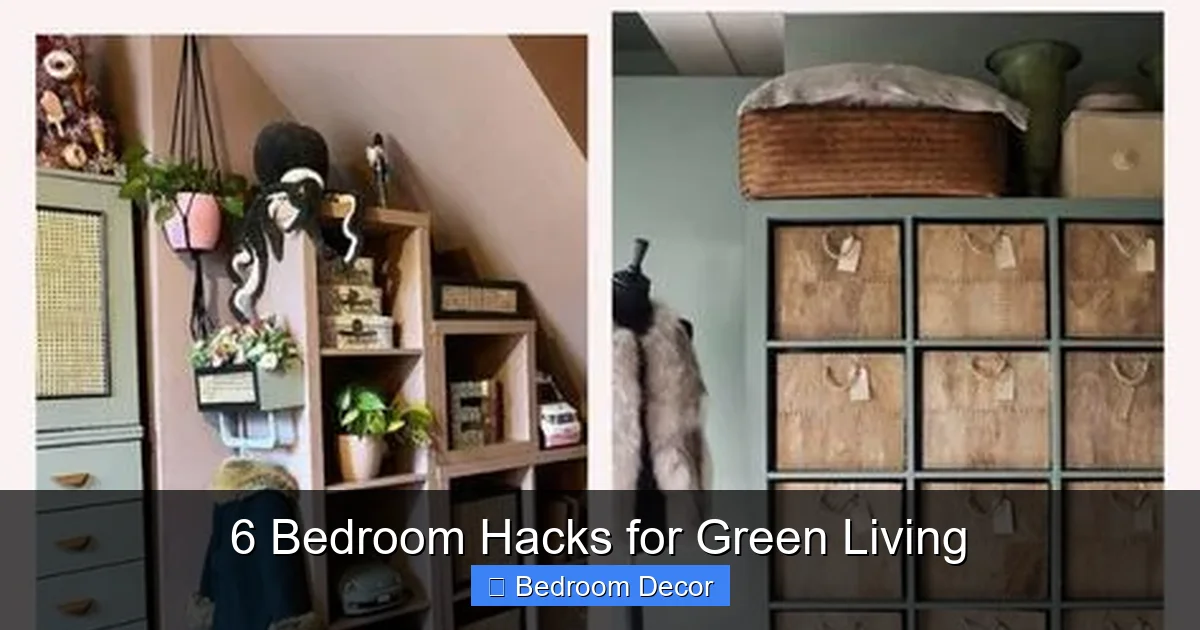
LED (Light Emitting Diode) bulbs are the gold standard for energy efficiency. They use up to 90% less energy than traditional incandescent bulbs and last up to 25 times longer. While their upfront cost might be slightly higher, they pay for themselves many times over in energy savings and reduced replacement frequency.
Visual guide about 6 Bedroom Hacks for Green Living
Image source: i.pinimg.com
- Tip: Look for LEDs with a “warm white” or “soft white” color temperature (around 2700K-3000K) for a cozy, inviting bedroom ambiance, or “daylight” (5000K-6500K) if you need brighter task lighting.
b. Maximize Natural Light
During the day, rely on sunlight as much as possible. Keep curtains and blinds open to let natural light flood your room. This reduces the need for artificial lighting and can even boost your mood and productivity. Arrange your furniture to take advantage of window light, especially for reading nooks or desks.
- Tip: Use lighter wall colors and reflective surfaces (like mirrors) to help bounce natural light around the room, making it feel brighter and larger.
c. Utilize Smart Plugs and Dimmers
Install smart plugs for your lamps so you can control them from your phone or set schedules. This ensures lights aren’t left on unnecessarily. Dimmers allow you to adjust the brightness of your lights, saving energy when full illumination isn’t needed and extending the life of your bulbs.
d. Consider Task Lighting
Instead of relying on one bright overhead light, use task lighting (e.g., bedside lamps, desk lamps) for specific activities. This allows you to illuminate only the area you need, saving energy compared to lighting the entire room.
Hack 3: Choose Eco-Friendly Furniture
Furnishing your bedroom sustainably can significantly reduce your environmental impact. From material sourcing to manufacturing processes, every choice makes a difference in your pursuit of green living.
Why Eco-Friendly Furniture Matters
Traditional furniture manufacturing can involve clear-cutting forests, using toxic glues and finishes, and contributing to landfill waste. Eco-friendly furniture focuses on sustainable materials, non-toxic production, and durability, reducing both ecological harm and exposure to harmful chemicals in your home.
How to Select Sustainable Furniture
a. Go Second-Hand or Vintage
One of the most sustainable options is to buy used furniture. This reduces demand for new production, keeps items out of landfills, and often offers unique, character-filled pieces. Check out thrift stores, antique shops, online marketplaces, and yard sales.

Visual guide about 6 Bedroom Hacks for Green Living
Image source: craftsyhacks.com
- Tip: Don’t be afraid to refinish or reupholster a piece. A little DIY can transform an old dresser or armchair into a custom, modern item that perfectly fits your aesthetic.
b. Prioritize Sustainably Sourced Wood
If buying new wood furniture, look for certifications like the FSC (Forest Stewardship Council). This ensures the wood comes from responsibly managed forests that protect biodiversity and local communities. Also, consider reclaimed wood, which is timber salvaged from old buildings or structures, giving it a new life.
- Tip: Bamboo is also a fantastic sustainable wood alternative for furniture due to its rapid growth and minimal resource requirements.
c. Choose Non-Toxic Finishes and Materials
Many conventional furniture pieces are treated with VOCs (Volatile Organic Compounds) found in paints, varnishes, and glues. These can off-gas harmful chemicals into your home for years. Look for furniture labeled with “low-VOC” or “zero-VOC” finishes. For upholstered items, choose natural fabrics like organic cotton, linen, or hemp, and look for natural latex foam instead of synthetic polyurethane foam.
- Tip: Ask manufacturers about their production processes and materials if information isn’t readily available. Transparency is a good sign.
d. Invest in Quality, Built to Last
A truly sustainable piece of furniture is one that lasts for decades. Avoid cheaply made, disposable furniture that will quickly end up in a landfill. Invest in well-constructed pieces that can withstand time and trends, even if it means saving up a bit longer.
Hack 4: Introduce Air-Purifying Plants
Bringing nature indoors is one of the simplest and most beautiful ways to enhance green living in your bedroom. Certain houseplants are excellent at filtering common indoor air pollutants, making your breathing space cleaner and healthier.
Why Air-Purifying Plants Matter
Indoor air can be more polluted than outdoor air, thanks to off-gassing from furniture, cleaning products, and electronics. Plants naturally absorb carbon dioxide and release oxygen, but some also filter out toxins like formaldehyde, benzene, and trichloroethylene, improving your overall air quality.
How to Incorporate Air-Purifying Plants
a. Select Top Air-Purifying Species
Based on NASA’s clean air study and other research, some plants are particularly effective. Great choices for the bedroom include:

Visual guide about 6 Bedroom Hacks for Green Living
Image source: i5.walmartimages.com
- Snake Plant (Sansevieria trifasciata): Releases oxygen at night, perfect for bedrooms. Very low maintenance.
- Pothos (Epipremnum aureum): Excellent for filtering formaldehyde, benzene, and carbon monoxide. Easy to grow and tolerant of various conditions.
- Spider Plant (Chlorophytum comosum): Effective against formaldehyde, xylene, and carbon monoxide. Produces “spiderettes” that can be propagated.
- Peace Lily (Spathiphyllum): Filters ammonia, benzene, formaldehyde, and trichloroethylene. Requires more consistent watering and humidity.
- Aloe Vera (Aloe barbadensis miller): Clears formaldehyde and benzene. Also has medicinal uses for burns and skin irritations.
b. Place Plants Strategically
For maximum benefit, aim for at least two medium-sized plants per 100 square feet of space. Place them where they receive adequate light (indirect sunlight is usually best for most houseplants) and won’t be easily knocked over. Bedside tables, dressers, or hanging planters are ideal spots.
- Tip: Ensure your plant pots have drainage holes to prevent root rot, and use a good quality potting mix.
c. Care for Your Plants Properly
While plants are natural air purifiers, they need care to thrive. Water them according to their specific needs (overwatering is a common mistake!), provide appropriate light, and occasionally wipe dust off their leaves so they can photosynthesize effectively.
Hack 5: Reduce, Reuse, and Upcycle Decor
Decorating your bedroom doesn’t have to mean buying all new items. Adopting a mindset of reduction, reuse, and upcycling is a cornerstone of green living and can lead to a uniquely styled and sustainable space.
Why Sustainable Decor Matters
The production of new decorative items often consumes resources, generates waste, and involves shipping, all contributing to a carbon footprint. By reusing and repurposing, you lessen demand for new goods and keep items out of landfills, promoting a circular economy.
How to Decorate Sustainably
a. Embrace Minimalism
Start by decluttering. A simpler, less cluttered bedroom requires fewer decorative items. This not only makes your space feel more serene but also highlights the pieces you truly love. Less stuff means less consumption and less potential waste.
- Tip: Practice the “one in, one out” rule. When you bring something new into your bedroom, consider donating or repurposing something old.
b. Shop Second-Hand for Decor
Thrift stores, flea markets, antique shops, and online marketplaces are treasure troves for unique and affordable decor. You can find vintage vases, unique artwork, old frames, or interesting knick-knacks that add character without the environmental cost of new production.
- Tip: Look beyond the item’s current state. A tarnished mirror frame might look stunning with a coat of eco-friendly paint, or an old scarf could become a beautiful wall hanging.
c. Get Creative with Upcycling and DIY
Upcycling involves transforming old or unused items into something new and functional. For example:
- Turn old glass bottles or jars into flower vases or storage containers.
- Repurpose an old ladder as a decorative blanket holder.
- Use fabric scraps to make cushion covers or wall art.
- Paint an old piece of furniture a new color to give it a fresh look.
DIY projects also allow you to create custom pieces that perfectly fit your style and needs, often using sustainable materials or items you already have.
- Tip: Pinterest and YouTube are fantastic resources for upcycling and DIY ideas. You’ll be amazed at what you can create!
d. Choose Natural and Sustainable Materials
If you do buy new decor, look for items made from natural, renewable, or recycled materials such as wood, bamboo, cork, organic cotton, wool, or recycled glass/metal. Support artisans and small businesses that prioritize ethical production and sustainable practices.
Hack 6: Implement Smart Temperature Control
Controlling your bedroom’s temperature efficiently is one of the most impactful ways to practice green living and reduce your home’s energy consumption. This means keeping warm in winter and cool in summer without excessive heating or air conditioning.
Why Smart Temperature Control Matters
Heating and cooling systems are major energy hogs. By optimizing your bedroom’s temperature control, you significantly reduce your carbon footprint, lower your energy bills, and create a more comfortable sleep environment.
How to Achieve Smart Temperature Control
a. Use a Programmable or Smart Thermostat
Set your thermostat to automatically adjust temperatures when you’re asleep or away. For instance, you can set it to a slightly cooler temperature (e.g., 65-68°F or 18-20°C) at night in winter and a few degrees warmer during the day. In summer, set it higher when you’re out and cooler when you return. Smart thermostats learn your habits and can be controlled remotely, offering even greater efficiency.
- Tip: Even a small adjustment of a few degrees can lead to significant energy savings over time.
b. Improve Insulation and Seal Leaks
Drafty windows and doors allow heated or cooled air to escape, wasting energy. Check for gaps around window frames and under doors. Use weatherstripping or caulk to seal small leaks. Install heavy, insulated curtains or blinds to provide an extra layer of insulation, keeping heat in during winter and blocking sun’s heat in summer.
- Tip: Draft stoppers or “door snakes” can be easily placed at the bottom of doors to prevent drafts.
c. Practice Natural Ventilation
Whenever possible, use natural airflow to regulate temperature. In cooler months, open windows for a short period on sunny days to refresh the air. In warmer months, open windows on opposite sides of the room or house in the early morning or late evening when the air is cooler to create a cross-breeze. Close windows and blinds during the hottest parts of the day to keep heat out.
- Tip: A ceiling fan can make a room feel significantly cooler without lowering the thermostat dramatically. Ensure it rotates counter-clockwise in summer to create a downdraft and clockwise in winter to circulate warm air.
d. Dress for the Season and Bedding
Before cranking up the heat or AC, consider adjusting your clothing or bedding. Use lighter sheets and pajamas in summer, and layer blankets or wear warmer sleepwear in winter. This simple change can greatly reduce your reliance on artificial heating and cooling, perfectly aligning with green living principles.
Troubleshooting Your Green Bedroom Transition
Making sustainable changes can sometimes feel overwhelming, but remember, every small step counts!
- Budget Constraints? Don’t feel pressured to buy everything new and eco-friendly at once. Focus on one hack at a time, prioritize second-hand options, and embrace DIY. Green living is often about saving money in the long run!
- Overwhelmed by Choices? Start with the easiest change for you, like switching to LED bulbs or adding a plant. Once you see the positive impact, you’ll feel more motivated to tackle the next hack.
- Limited Access to Eco-Friendly Products? Many online retailers specialize in sustainable goods. Also, look locally for small businesses or artisans who often use natural materials.
- Getting Family/Roommates Onboard? Share the benefits! Explain how these changes save money, improve health, and create a more comfortable living space. Lead by example.
Conclusion
Congratulations on taking the initiative to transform your bedroom into a beacon of green living! By implementing these six practical hacks – choosing sustainable bedding, optimizing lighting, selecting eco-friendly furniture, introducing air-purifying plants, embracing mindful decor, and smart temperature control – you’re not just creating a beautiful space. You’re fostering a healthier environment for yourself, reducing your ecological footprint, and contributing to a more sustainable future for everyone.
Remember, green living is a journey, not a destination. Start small, be consistent, and celebrate every step you take towards a more eco-conscious lifestyle. Your bedroom, once a simple sleeping space, will become a testament to mindful choices and a sanctuary for both you and the planet. Enjoy your greener, cleaner, and more serene bedroom!