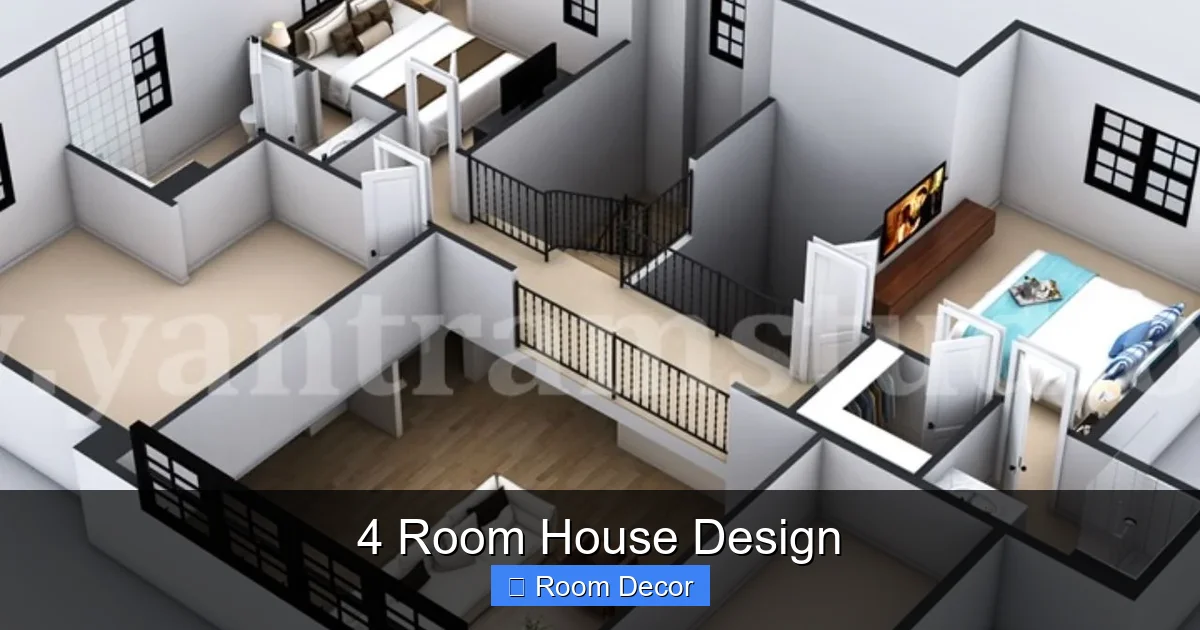
Discover the art of designing a functional and stylish 4-room house. This guide covers everything from understanding the benefits of a 4-room layout to implementing practical design strategies and decorating tips. Learn how to maximize space, create distinct zones, and infuse personality into each area for a home that’s both beautiful and livable.
Designing a 4-room house is an exciting opportunity to create a home that perfectly suits your needs and lifestyle. Whether you’re a growing family, a couple with specific hobbies, or an individual who values dedicated spaces, a 4-room house design offers a fantastic balance of comfort and functionality. In this comprehensive guide, we’ll walk you through the process of planning, designing, and decorating your ideal 4-room home. You’ll learn how to make the most of your space, create distinct zones, and inject your personal style into every corner. Let’s get started on building your dream 4-room house!
Key Takeaways
- Understand the Versatility: A 4-room house offers flexibility for families, couples, or individuals, allowing for dedicated spaces for living, sleeping, working, and hobbies.
- Prioritize Flow and Functionality: Effective 4-room house design focuses on logical room placement and seamless transitions to enhance daily life and movement.
- Maximize Every Square Foot: Smart storage solutions, multi-functional furniture, and vertical space utilization are crucial for optimizing the layout of a 4-room home.
- Define Zones Clearly: Use furniture arrangement, lighting, and decor to create distinct purposes for each of the four rooms, even in an open-plan concept.
- Infuse Personal Style: Personalize your 4-room house design with thoughtful color palettes, textures, and decorative elements that reflect your taste and lifestyle.
- Consider Future Needs: Design with adaptability in mind, ensuring your 4-room house can evolve with changing family dynamics or lifestyle requirements.
Understanding the 4-Room House Concept
A 4-room house typically refers to a dwelling with four distinct functional areas. While the exact configuration can vary, it commonly includes:
* A living or lounge area
* A dining area (often combined with living or kitchen)
* A kitchen
* One or more bedrooms
* A bathroom
The beauty of a 4-room house design lies in its adaptability. It’s not about rigid definitions but about creating four core spaces that serve your unique household. This could mean:
* A living room, a master bedroom, a child’s bedroom, and a home office.
* A living area, a combined kitchen/dining space, a master bedroom, and a guest room.
* An open-plan living/dining/kitchen area, a master bedroom, a second bedroom, and a dedicated hobby room or media room.
The key is to think about how you live and what spaces you *need*.
Step 1: Define Your Needs and Lifestyle
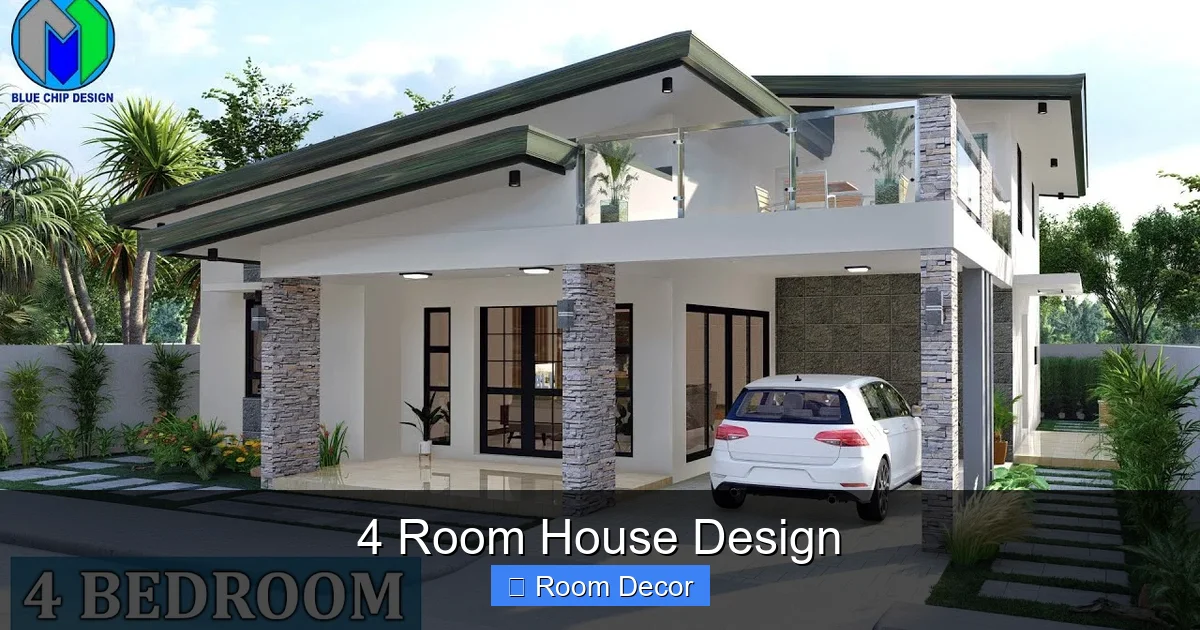
Visual guide about 4 Room House Design
Image source: i.ytimg.com
Before you even think about floor plans, take time to really understand what you need from your 4-room house.
H3: Assess Your Household Size and Structure
* Are you a single person, a couple, or a family with children?
* Do you frequently host guests?
* Do you have elderly family members living with you?
* Do you have pets that require dedicated space?
H3: Identify Your Daily Routines and Activities
* How much time do you spend in the living room?
* Do you work from home? If so, you’ll need a functional office space.
* What are your hobbies? Do you need space for crafting, a home gym, or a music room?
* How important is a separate dining area for you?
H3: Consider Your Storage Needs
* How much personal belongings do you have?
* Do you have specific storage requirements (e.g., sports equipment, seasonal items)?
By answering these questions, you’ll start to build a clear picture of how each of your four rooms should function. This is the foundation of a successful 4-room house design.
Step 2: Explore Layout Options
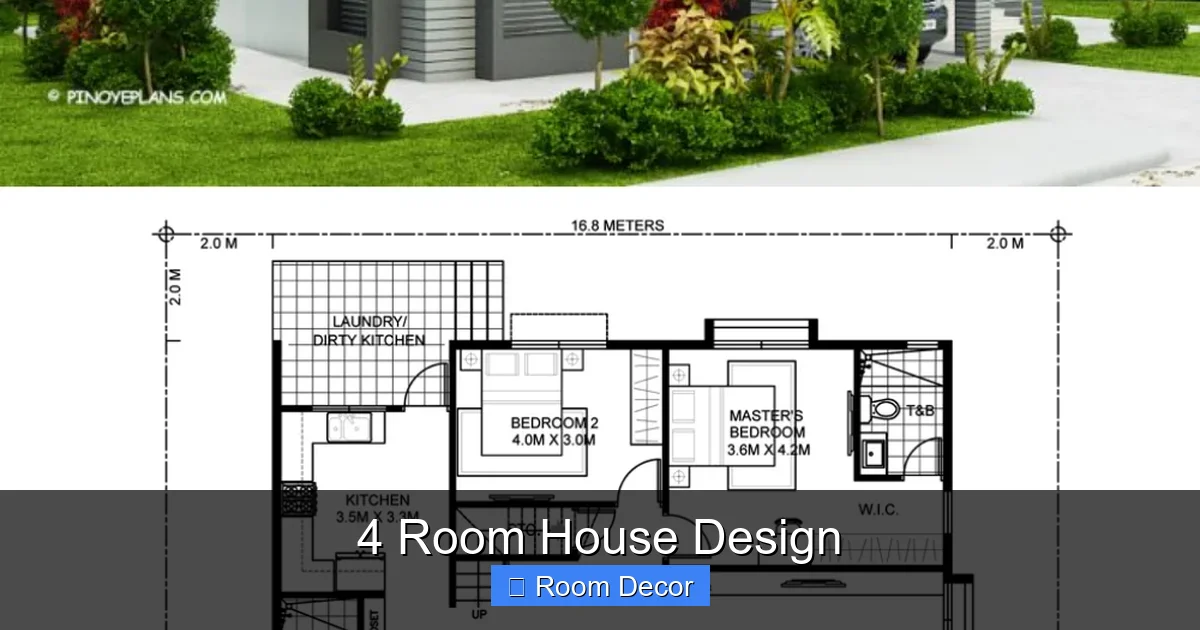
Visual guide about 4 Room House Design
Image source: i.pinimg.com
With your needs defined, it’s time to think about how to arrange your four rooms. There are several common layouts for a 4-room house, and understanding them will help you choose the best fit.
H3: The Classic Four-Room Layout
This traditional setup usually involves four distinct, separate rooms. Think of a living room, a dining room, a kitchen, and a bedroom/office. This layout offers maximum privacy but can sometimes feel compartmentalized.
* Example: A central hallway connects a living room on one side, a dining room on the other, leading to a kitchen at the rear, with bedrooms and a bathroom further down.
H3: Open-Plan Living with Dedicated Private Spaces
This is a popular modern approach. It often combines the living, dining, and kitchen areas into one large, flowing space, leaving the remaining rooms for bedrooms and a study or hobby room. This maximizes natural light and a sense of spaciousness.
* Example: A large open area encompasses the living room, dining table, and kitchen. Two separate bedrooms and a bathroom branch off from this main space.
H3: Flexible and Multi-Functional Room Designs
This approach is all about making each room work harder. For instance, your “dining room” might also serve as a home office during the day, or your living room could incorporate a discreet workspace.
* Example: A living room with a fold-away desk, a combined kitchen/dining area, a master bedroom, and a second bedroom that can double as a guest room or hobby space.
H3: Considering the Flow
Regardless of the specific layout, pay attention to the flow between rooms.
* **Entryway:** How do you enter the house? Is there a clear path to the main living areas?
* **Kitchen to Dining:** Is it easy to serve food from the kitchen to the dining area?
* **Bedroom Access:** Are bedrooms easily accessible without passing through other private spaces?
* **Bathroom Location:** Is the bathroom conveniently located for all occupants?
Step 3: Designing Each Room for Purpose
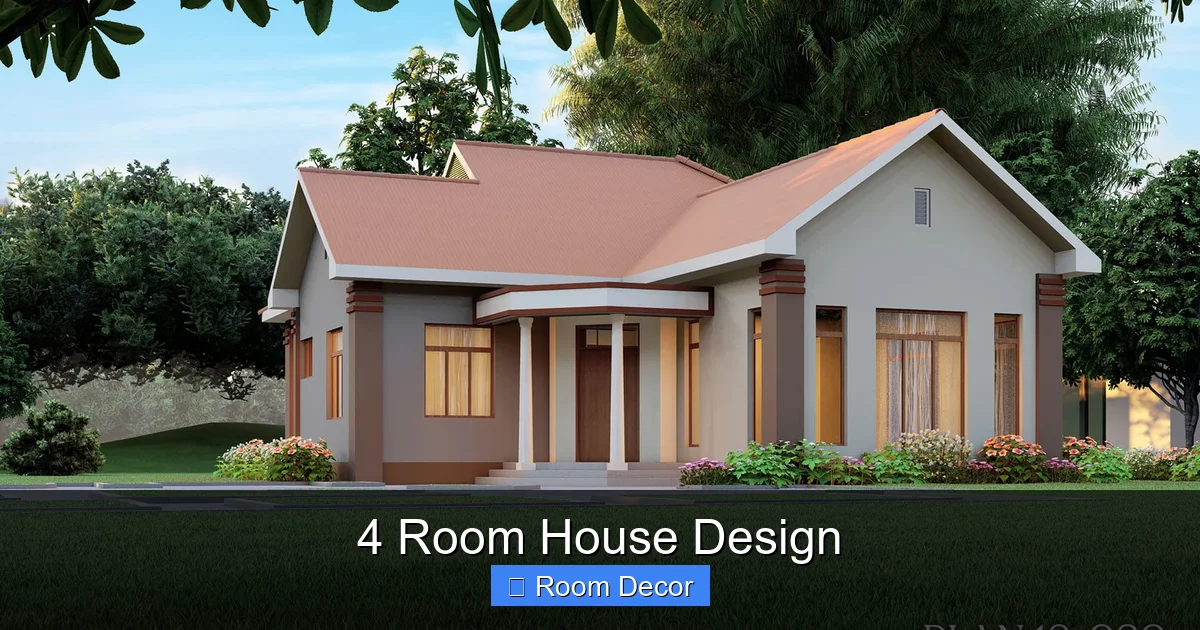
Visual guide about 4 Room House Design
Image source: afrohouseplans.com
Now, let’s dive into designing each of your four key spaces. Remember, these are suggestions, and you can adapt them to your specific needs.
H3: Room 1: The Living/Lounge Area
This is often the heart of the home, where you relax, entertain, and spend quality time.
* Functionality: Comfortable seating, adequate lighting, and space for entertainment systems are key.
* Decor Tips:
* Choose a neutral color palette for the walls to create a calming atmosphere, then add pops of color with cushions, throws, and artwork.
* Layer lighting: include ambient (overhead), task (reading lamps), and accent (decorative) lighting.
* Consider a focal point like a fireplace, a large piece of art, or a statement rug.
* Multi-functional furniture like ottomans with storage can be very useful.
* Example: A sofa, a couple of armchairs, a coffee table, and a TV unit. Add a bookshelf for decor and storage.
H3: Room 2: The Dining Area (or Combined Space)
This room is dedicated to meals and social gatherings around food. If you don’t have a dedicated dining room, consider how to integrate dining into your living or kitchen space.
* Functionality: A table and chairs are essential. Consider the size based on how often you entertain.
* Decor Tips:
* A statement pendant light above the dining table can elevate the space.
* A sideboard or buffet can provide storage for tableware and serving dishes.
* Consider a bench seat on one side of the table to maximize seating in smaller spaces.
* Use placemats and table runners to add texture and color.
* Example: A rectangular or round dining table with comfortable chairs. If space is tight, a breakfast bar in the kitchen can double as a dining area.
H3: Room 3: The Kitchen
The kitchen is where culinary magic happens. Efficient design here is crucial.
* **Functionality:** Ample counter space, good storage, and efficient workflow (the kitchen triangle: sink, stove, refrigerator) are paramount.
* Decor Tips:
* Choose durable and easy-to-clean materials for countertops and backsplashes.
* Smart storage solutions like pull-out drawers, corner cabinet organizers, and vertical dividers can make a big difference.
* Good lighting is essential – under-cabinet lighting can provide task illumination.
* Personalize with open shelving for displaying cookbooks or decorative items.
* Example: Well-organized cabinets, a functional island or peninsula, a comfortable workspace, and quality appliances.
H3: Room 4: The Bedroom(s) and/or Private Space
This room is your sanctuary. It needs to be a place of rest and rejuvenation. If you have two or more bedrooms, think about their specific purposes.
* Functionality: A comfortable bed, adequate storage (wardrobe, drawers), and soft lighting.
* Decor Tips:
* Use calming colors like blues, greens, or muted earth tones.
* Invest in quality bedding and blackout curtains for better sleep.
* Add personal touches like photos, plants, or a comfortable reading chair.
* Consider bedside tables with storage for essentials.
* Example: A master bedroom with a king-sized bed, a large wardrobe, and a dressing area. A second bedroom could be a child’s room, a guest room, or a dedicated home office.
Step 4: Maximizing Space and Storage in a 4-Room House
Living in a 4-room house often means making every inch count. Smart design and storage are your best friends.
H3: Smart Furniture Choices
* Multi-functional Furniture: Opt for sofa beds, ottomans with storage, extendable dining tables, and nesting tables.
* Vertical Space: Utilize wall-mounted shelves, tall bookcases, and floating cabinets to draw the eye upwards and free up floor space.
* Compact Designs: Choose furniture that is proportionate to the room size. Avoid oversized pieces that can make a room feel cramped.
H3: Clever Storage Solutions
* **Built-in Storage:** If possible, incorporate built-in wardrobes, shelving units, or window seats with storage.
* **Under-bed Storage:** Use drawers or storage boxes under your bed.
* **Organizers:** Drawer dividers, shelf organizers, and wall-mounted organizers can keep clutter at bay in kitchens, bathrooms, and closets.
* **Pegboards:** Excellent for kitchens, home offices, or hobby rooms to hang tools, utensils, or craft supplies.
H3: Illusion of Space
* **Mirrors:** Strategically placed mirrors can reflect light and make rooms appear larger and brighter.
* **Light Colors:** Using light and neutral colors on walls and ceilings can create a sense of openness.
* **Consistent Flooring:** Using the same flooring throughout connected areas can create a seamless flow and make the space feel more expansive.
* **Declutter Regularly:** The most effective way to make a small space feel larger is to keep it tidy and clutter-free.
Step 5: Personalizing Your 4-Room House Design
Once the functional aspects are in place, it’s time to make your 4-room house truly yours.
H3: Color Palettes and Textures
* **Choose a Cohesive Palette:** Select a color scheme that flows throughout the house, creating a sense of unity. You can vary shades and accents between rooms.
* **Incorporate Textures:** Mix different textures like soft fabrics, smooth wood, rough stone, and shiny metals to add depth and interest to your decor.
* **Accent Walls:** Use a bold color or patterned wallpaper on one wall to create a focal point.
H3: Lighting as Decor
* **Statement Fixtures:** A striking chandelier in the dining room or a unique floor lamp in the living room can act as a decorative element.
* **Task Lighting:** Ensure each functional area has appropriate lighting.
* **Ambiance:** Dimmers and softer lighting options can create a cozy and inviting atmosphere in bedrooms and living areas.
H3: Artwork and Decorative Accents
* **Personalize with Art:** Display artwork that you love. It can be paintings, prints, photographs, or even your own creations.
* **Plants:** Indoor plants add life, color, and a touch of nature to any room.
* **Personal Items:** Showcase cherished mementos, souvenirs, or collections that tell your story.
Troubleshooting Common 4-Room House Design Challenges
Even with careful planning, you might encounter some common issues.
H3: Feeling Cramped or Claustrophobic
* **Solution:** Focus on illusion of space techniques: mirrors, light colors, and decluttering. Ensure furniture is appropriately sized for the room. Consider multi-functional furniture to reduce the number of pieces needed.
H3: Lack of Natural Light
* **Solution:** Maximize natural light by keeping windows unobstructed. Use sheer curtains instead of heavy drapes. Add more artificial lighting, especially task lighting where needed. Consider lighter paint colors for walls and ceilings.
H3: Poor Flow and Awkward Transitions
* **Solution:** Rearrange furniture to create clearer pathways. Use rugs to define zones and guide movement. Consider subtle architectural changes if feasible, like widening doorways or removing unnecessary walls if you’re renovating.
H3: Insufficient Storage
* **Solution:** Conduct a thorough inventory of your belongings and identify areas where storage is lacking. Implement vertical storage solutions, under-bed storage, and organizers for drawers and cabinets. Declutter ruthlessly.
Conclusion
Designing a 4-room house is about creating a personalized, functional, and beautiful living space. By understanding your needs, exploring layout options, designing each room with purpose, and employing smart space-saving techniques, you can transform a modest dwelling into your dream home. Remember to infuse your personal style and adapt these ideas to fit your unique lifestyle. With thoughtful planning and creative execution, your 4-room house design will be a source of comfort, joy, and efficiency for years to come.