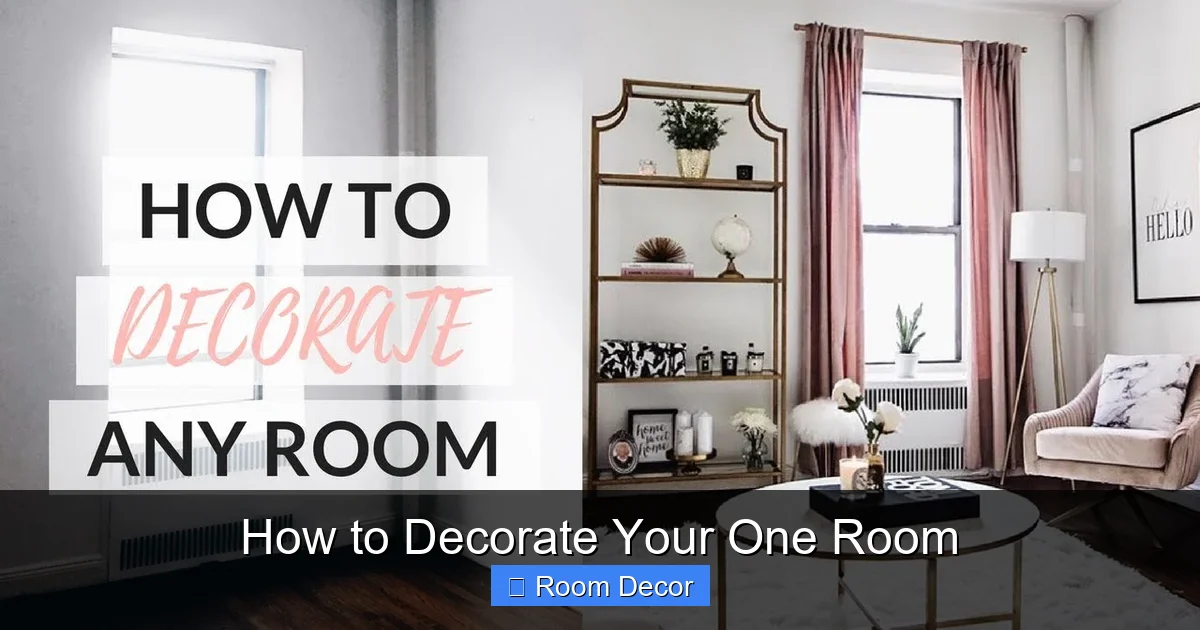
Decorating a one-room space can be a rewarding challenge. This guide provides a step-by-step approach to transform your single living area into a stylish and functional home. Learn how to define zones, choose the right furniture, and add personal touches to create a cohesive and inviting one-room apartment. With smart strategies, you can make your small space feel expansive and reflect your unique personality.
Are you living in a studio apartment or a converted space with just one main room to call your own? Decorating a one-room dwelling presents unique challenges. You need your space to function as a living area, a bedroom, and possibly even a home office, all without feeling cramped or chaotic. The good news is that with a little creativity and smart planning, you can transform your single living area into a stylish, comfortable, and highly functional sanctuary. This guide will walk you through everything you need to know to decorate your one room effectively, maximizing both its aesthetic appeal and its practical use.
We’ll cover how to define different zones within your space, choose furniture that works hard for you, master the art of color and light, and add those personal touches that make it truly yours. Get ready to make the most of every square foot!
Key Takeaways
- Define Zones Clearly: Mentally or physically divide your one room into distinct areas for living, sleeping, and working to improve functionality and organization.
- Prioritize Multi-Functional Furniture: Invest in pieces that serve multiple purposes, like sofa beds, storage ottomans, and nesting tables, to maximize space efficiency.
- Embrace Vertical Space: Utilize walls for storage and decor with shelves, wall-mounted units, and tall furniture to draw the eye upward and free up floor space.
- Strategic Lighting is Key: Layer different types of lighting (ambient, task, accent) to create mood, enhance functionality, and make the room feel larger and more inviting.
- Color Palette for Cohesion: Stick to a limited and harmonious color scheme to create a sense of unity and prevent the space from feeling cluttered or overwhelming.
- Personalize with Decor: Add your personality through artwork, plants, and curated accessories to make your one room feel like a true home.
- Declutter Regularly: Consistent decluttering is crucial in a one-room space to maintain a sense of order and prevent the room from feeling cramped.
Step 1: Understand Your Space and Needs
Before you even think about paint colors or throw pillows, take a moment to really assess your one room. What are its dimensions? What are the existing features like windows, doors, and any built-in elements? More importantly, how do you intend to *use* this space?
Assess Your Lifestyle
Think about your daily routine. Do you work from home? Do you entertain often? Do you need a dedicated dining area? Do you prefer a minimalist aesthetic or a cozy, lived-in feel? Understanding your needs will help you make informed decisions about furniture placement and the types of accessories you’ll need. For instance, if you work from home, you’ll need a comfortable and functional workspace. If you love hosting friends, you’ll need seating and perhaps a clever way to blend dining and lounging.
Measure Everything
This is a crucial step often overlooked. Measure the length and width of your room. Note the placement of windows and doors, and measure their dimensions. Also, measure any existing furniture you plan to keep. This information will be invaluable when you start planning your layout and shopping for new pieces. Having accurate measurements prevents costly mistakes like buying furniture that’s too large for the space.
Step 2: Define Your Zones
Visual guide about How to Decorate Your One Room
Image source: ourhomemadeeasy.com
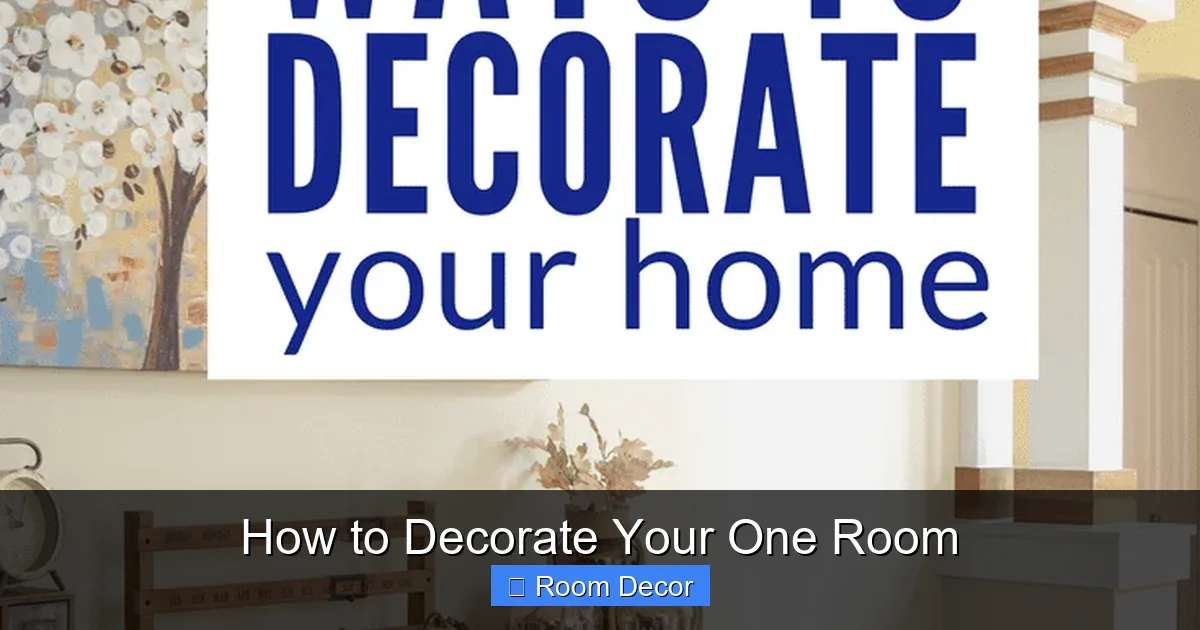
One of the biggest challenges in a one-room space is the lack of distinct areas. The key to making a one-room dwelling feel intentional and organized is to create zones for different activities. You can do this visually or physically.
Visual Zoning
This involves using decor to signal different areas.
- Rugs: Placing a rug in a specific area can define it. A rug under your sofa and coffee table creates a living area, while another rug by your bed marks your sleeping zone.
- Furniture Placement: Arrange furniture to naturally create boundaries. For example, placing the back of a sofa can act as a divider between the living area and a dining nook.
- Lighting: Different types of lighting can highlight specific zones. A floor lamp behind a reading chair creates a cozy reading nook, while a pendant light above a small table defines a dining area.
- Color: While you want a cohesive color palette, you can subtly use color variations or accent colors in different zones to differentiate them. For example, accent pillows on the sofa in a different shade than those on a lounge chair can help.
Physical Zoning
This involves using actual dividers to create separate spaces.
- Screens or Room Dividers: These are excellent for creating visual separation without blocking light. Folding screens offer flexibility, allowing you to change the layout as needed.
- Bookshelves or Open Shelving Units: A tall bookshelf can act as a fantastic room divider. It provides storage and display space while allowing light to pass through, preventing the room from feeling closed off.
- Curtains: Hanging floor-to-ceiling curtains can section off areas, particularly useful for creating a more private sleeping area. This is a cost-effective and versatile solution.
- Furniture as Dividers: As mentioned, the back of a sofa, a console table, or even a strategically placed plant can act as a subtle physical divider.
Example: In a studio apartment, you might have a living zone with a sofa, coffee table, and rug. Adjacent to that, you could place a small dining table and chairs, perhaps separated by a low bookshelf. Your sleeping area could be in a corner, perhaps partially screened off or defined by a larger rug.
Step 3: Choose Smart, Multi-Functional Furniture
Visual guide about How to Decorate Your One Room
Image source: cdn.decorilla.com
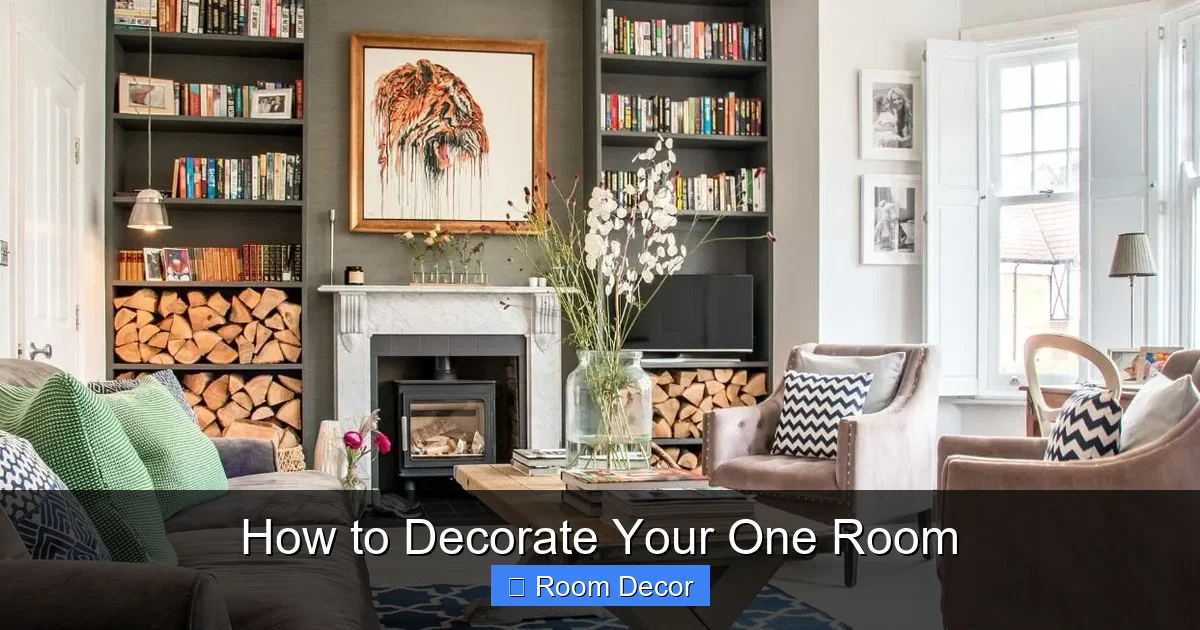
In a one-room space, every piece of furniture needs to earn its keep. Opt for items that serve multiple purposes to maximize your living area.
Sofa Beds and Daybeds
These are staples for a reason. A comfortable sofa during the day can easily transform into a bed at night, eliminating the need for a separate bed frame in most cases. Daybeds offer a similar benefit, often looking more like a sofa and easily accommodating a mattress for sleeping.
Storage Ottomans and Benches
These are incredibly versatile. They can serve as a footrest, extra seating, a coffee table (with a tray on top), and, most importantly, provide hidden storage for blankets, pillows, magazines, or anything else you want to tuck away.
Nesting Tables
Nesting tables are a lifesaver for small spaces. You can stack them neatly when not in use, and pull them out individually as needed for extra surface area for drinks, snacks, or decorative items.
Fold-Down Tables and Desks
If you need a workspace or a dining surface, consider a table that folds down from the wall. This frees up floor space when not in use and can be deployed only when needed.
Vertical Storage Solutions
Think upwards! Tall, slim bookshelves, wall-mounted shelves, and modular storage units can provide ample storage without taking up much floor space. Use them to store books, display decor, and even house your television.
Tip: When selecting furniture, consider its scale. Avoid oversized pieces that will overwhelm the room. Opt for furniture with clean lines and a lighter visual weight. Furniture with legs that are raised off the floor can also make a space feel more open and airy.
Step 4: Master the Art of Color and Light
Visual guide about How to Decorate Your One Room
Image source: bysophialee.com
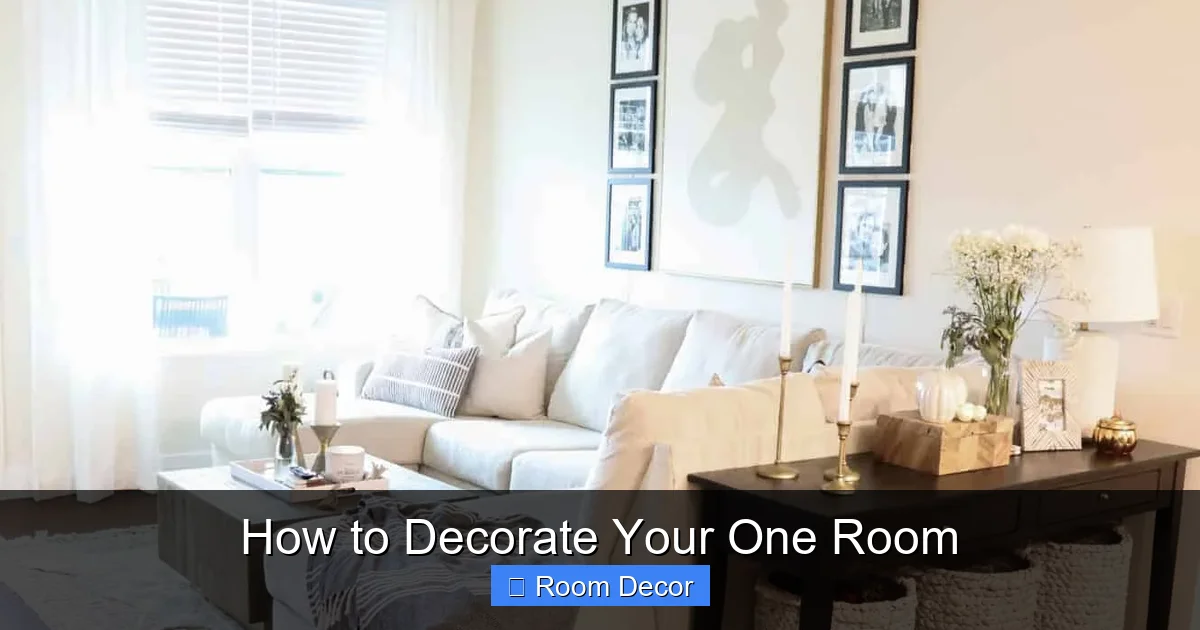
Color and light are your most powerful tools for making a small space feel larger, brighter, and more inviting.
Color Palette Strategies
- Keep it Light and Bright: Lighter colors tend to reflect light, making a space feel more open and expansive. Think whites, creams, soft grays, pastels, and light blues. These colors create a serene backdrop.
- Monochromatic or Limited Palettes: Sticking to a limited color scheme, perhaps with variations of one or two main colors, creates a sense of unity and prevents the room from feeling visually cluttered. This is known as a monochromatic or analogous color scheme.
- Accent Colors for Personality: While a light base is ideal, don’t be afraid to introduce accent colors through decor like pillows, throws, artwork, or a single accent wall. This adds personality and visual interest without overwhelming the space.
- Consider the Undertones: Pay attention to the undertones of your chosen colors. Cool undertones can make a space feel larger and more serene, while warm undertones can create a cozier feel.
Strategic Lighting
Good lighting is crucial for both functionality and ambiance in a one-room dwelling. Aim for layered lighting.
- Ambient Lighting: This is the general illumination of the room. A ceiling fixture or a few strategically placed floor lamps can provide this. Opt for dimmer switches to control the mood.
- Task Lighting: This is for specific activities. Think a desk lamp for your workspace, a reading lamp next to your favorite chair, or small lights over your kitchen counter (if applicable).
- Accent Lighting: Use this to highlight artwork, plants, or architectural features. Small spotlights or picture lights can add depth and sophistication.
Tip: Maximize natural light by keeping window treatments simple and light-colored. Avoid heavy, dark drapes. Mirrors are also your best friend; strategically placed mirrors can reflect light and create the illusion of more space.
Step 5: Maximize Vertical Space
When you’re short on floor space, look up! Utilizing your walls effectively is key to keeping a one-room dwelling organized and uncluttered.
Wall-Mounted Shelving
This is a classic for a reason. Floating shelves, modular shelf systems, and even simple bracket shelves can provide storage and display space without taking up any floor area. Use them for books, decorative items, plants, or even to house small appliances if they are in a kitchen area.
Tall, Slim Furniture
Opt for tall, narrow bookcases or storage units instead of wide, bulky ones. This draws the eye upward, making the room feel taller and more spacious.
Pegboards and Wall Organizers
These are excellent for keeping smaller items organized, especially in areas like a home office or a small entryway. You can hang tools, office supplies, keys, or even small decorative items.
Hanging Plants
Plants bring life to any space, and hanging them is a great way to save surface area. Place them on high shelves or use hanging planters to add greenery at different levels.
Example: Instead of a large entertainment center, consider wall-mounting your TV and using floating shelves above and below it for media components and decor.
Step 6: Add Personal Touches and Decor
Once the functional elements are in place, it’s time to make your one room feel like *your* home. This is where personality shines through.
Artwork and Photos
Hang artwork that you love. A large statement piece can anchor a wall, while a gallery wall of smaller pieces can add visual interest and tell a story. Frame personal photos to add a sentimental touch.
Textiles
Throw pillows, blankets, and rugs add warmth, texture, and color. Choose items that complement your color scheme and add comfort. Consider textured fabrics for a cozy feel.
Plants
Plants not only add life and color but also improve air quality. Choose plants that suit your light conditions and care capabilities. They can soften hard edges and add a natural element to your decor.
Mirrors
As mentioned earlier, mirrors are functional and decorative. They bounce light around the room and create the illusion of depth. Choose frames that complement your style.
Curated Accessories
Display items that have meaning to you. This could be souvenirs from travels, handmade crafts, or collections of books. Be selective; too many small trinkets can lead to clutter.
Tip: When choosing decorative items, think about how they contribute to the overall feel of the room. Aim for a balance between aesthetics and functionality.
Step 7: Declutter and Organize Regularly
In a one-room dwelling, clutter can quickly make the space feel overwhelming and cramped. Consistent decluttering and smart organization are essential for maintaining a sense of calm and order.
The “One In, One Out” Rule
For every new item you bring into your home, try to remove one similar item. This helps prevent accumulation.
Designate Homes for Everything
Ensure every item has a designated storage spot. This makes it easier to put things away and prevents them from ending up in piles. Use drawer organizers, baskets, and bins to keep things tidy.
Regular Purges
Schedule regular times to go through your belongings and get rid of anything you no longer need, use, or love. This could be monthly, quarterly, or seasonally.
Embrace Hidden Storage
Utilize storage solutions that keep clutter out of sight, such as furniture with built-in drawers or cabinets, under-bed storage bins, and decorative boxes.
Troubleshooting Tip: If your room consistently feels cluttered, take a step back and assess your storage solutions. Are they sufficient? Are you using them effectively? Sometimes, the issue isn’t too much stuff, but not enough organized storage.
Conclusion
Decorating a one-room space is an exercise in creativity, resourcefulness, and smart design. By thoughtfully defining zones, investing in multi-functional furniture, mastering color and light, utilizing vertical space, and adding your personal touch, you can transform a single room into a comfortable, stylish, and highly livable home. Remember that consistency in organization and a willingness to declutter regularly are key to maintaining the harmony and functionality of your small space. Enjoy the process of making your one room uniquely yours!