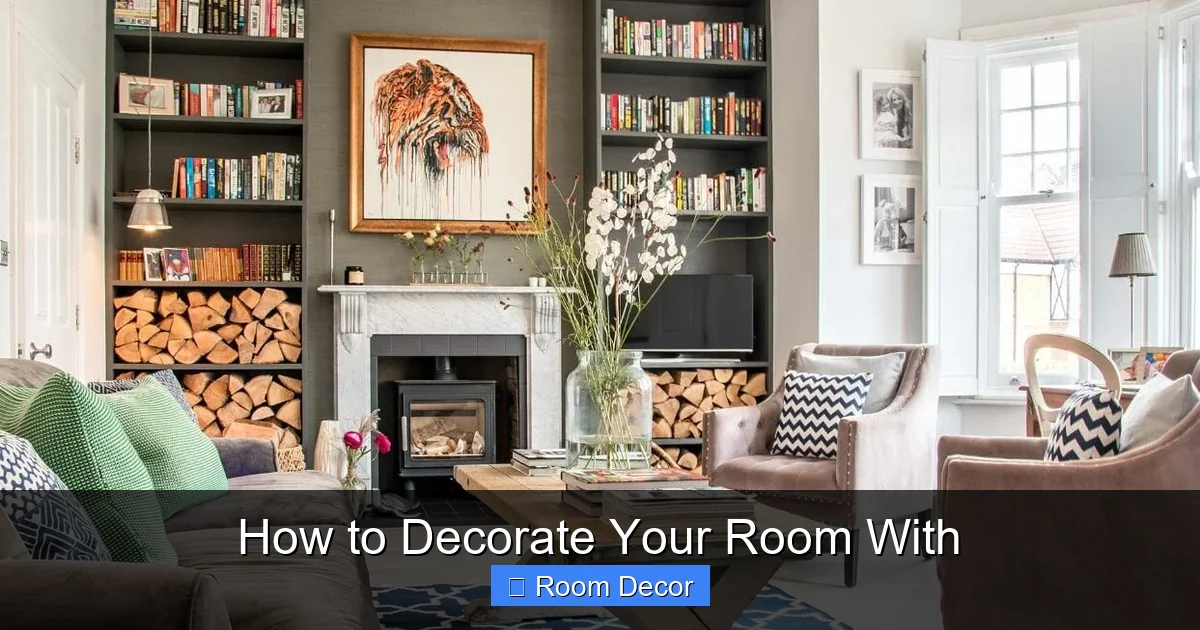
Ready to give your room a fresh new look? This comprehensive guide will show you how to decorate your room, from understanding your style to implementing impactful changes. We’ll cover everything from choosing a color palette and furniture arrangement to adding personal touches and maximizing your budget. Get ready to create a space that truly reflects you!
How to Decorate Your Room
Feeling a little blah about your surroundings? Does your room feel more like a space than a sanctuary? You’ve come to the right place! This guide is all about helping you learn how to decorate your room in a way that’s personal, stylish, and fun. Whether you’re starting from scratch or just looking for a refresh, we’ll walk you through every step. We’ll explore how to define your unique style, plan your space effectively, choose colors that sing, and add those special touches that make a room truly yours. Get ready to create a space you’ll love spending time in!
Key Takeaways
- Define Your Style: Understanding your personal aesthetic is the crucial first step to a cohesive and enjoyable room design.
- Plan Your Layout: Strategic furniture placement maximizes space and functionality, making your room feel larger and more inviting.
- Master Color: A well-chosen color palette sets the mood and ties your decor together seamlessly.
- Layer Textures: Mixing different materials adds depth, warmth, and visual interest to your space.
- Personalize with Accents: Artwork, photos, and decorative objects inject your personality and tell your story.
- Embrace Lighting: The right lighting can dramatically alter the ambiance and functionality of your room.
- Budget-Friendly Finds: Decorating doesn’t have to break the bank; explore smart shopping and DIY solutions.
Step 1: Discover Your Decorating Style
Before you buy a single pillow or paint a wall, the most important step is understanding your personal style. What makes you feel comfortable and inspired? What colors do you gravitate towards? What kind of atmosphere do you want to create? Thinking about these questions will guide all your future decisions.
H3: Reflect on Your Preferences
Take a moment to think about rooms you’ve seen that you loved – in magazines, on social media, or even in friends’ homes. What did you like about them? Was it the color scheme, the furniture, the overall vibe? Jot down keywords that describe these spaces.
H3: Explore Common Decorating Styles
There are many decorating styles, and often your taste will be a blend of a few. Here are some popular ones to consider:
- Modern: Clean lines, minimalist, often neutral colors with pops of bold accents.
- Bohemian (Boho): Eclectic, free-spirited, with lots of patterns, textures, and natural elements.
- Scandinavian: Bright, airy, functional, with a focus on simplicity, natural wood, and light colors.
- Farmhouse: Cozy, rustic, with vintage touches, natural materials, and a warm, inviting feel.
- Industrial: Edgy, with exposed brick, metal accents, and raw, unfinished elements.
- Traditional: Classic, elegant, with refined furniture, rich colors, and symmetrical arrangements.
Don’t feel limited to these. Your style is yours! It could be a mix, like “Boho-Modern” or “Cozy Farmhouse.”
H3: Create a Mood Board
This is a visual representation of your style. You can create a physical one with magazine clippings and fabric swatches, or a digital one using Pinterest, Canva, or other online tools. This will be your go-to reference to ensure your decorating choices stay cohesive.
Step 2: Plan Your Room’s Layout
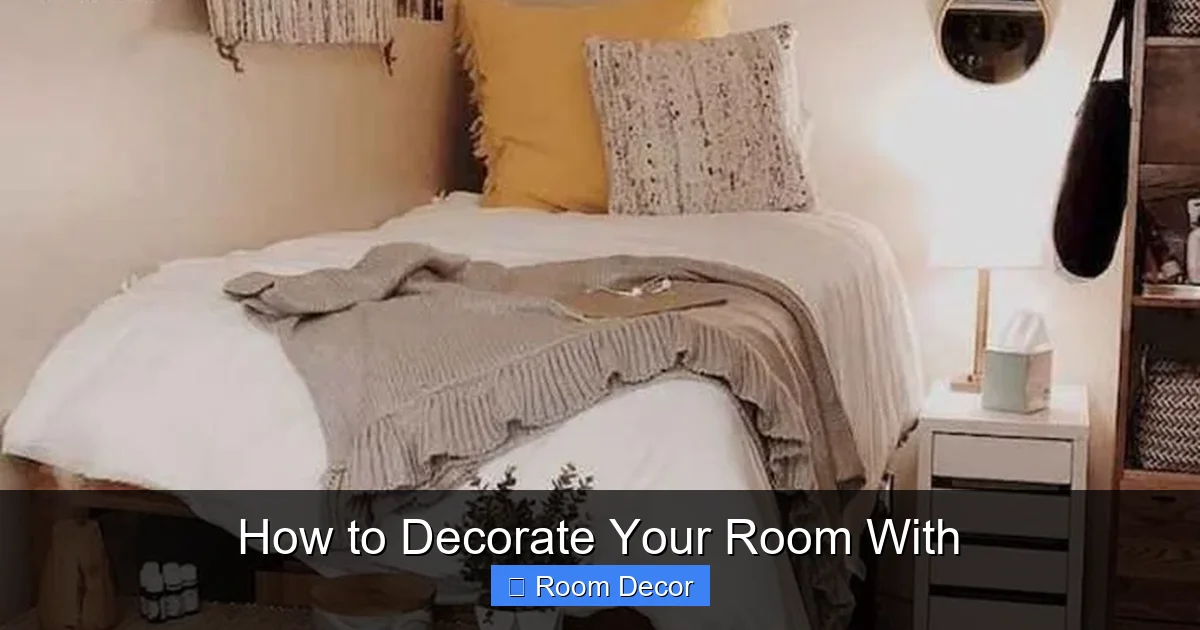
Visual guide about How to Decorate Your Room With
Image source: i.pinimg.com
A well-planned layout makes a room feel functional and spacious. Think about how you use your room and arrange your furniture accordingly.
H3: Measure Your Space
Before you move any furniture, measure your room. Note the dimensions of walls, windows, and doors. Also, measure your existing furniture or any new pieces you plan to buy. This prevents costly mistakes and ensures everything will fit.
H3: Consider Traffic Flow
How do people naturally move through the room? Ensure there are clear pathways between furniture. Avoid blocking doorways or creating tight squeezes. A good rule of thumb is to have at least 2-3 feet of clear space for major walkways.
H3: Define Zones
Even in a small room, you can create different zones for different activities. For example, you might have a sleeping zone, a reading nook, and a workspace. Arrange furniture to subtly define these areas. A rug can be a great way to visually separate a living area from a dining area.
H3: Furniture Placement Tips
- Anchor your room: Start with your largest furniture piece, like a sofa or bed, and arrange other items around it.
- Create conversation areas: In living spaces, arrange seating so people can easily talk to each other without shouting.
- Utilize vertical space: Shelving units and wall-mounted items can add storage and display space without taking up floor area.
- Don’t push everything against the walls: Pulling furniture slightly away from the walls can make a room feel larger and more inviting.
Step 3: Choose Your Color Palette
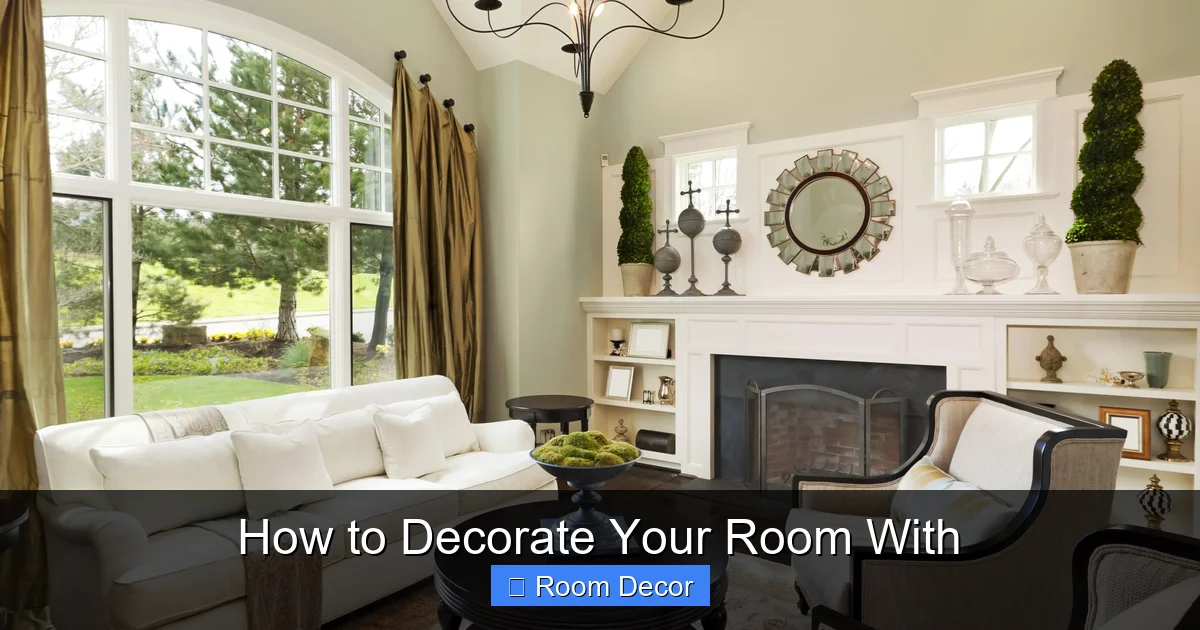
Visual guide about How to Decorate Your Room With
Image source: thespruce.com
Color has a powerful impact on mood and atmosphere. Selecting the right colors is key to creating the look and feel you desire.
H3: Understand Color Theory Basics
The color wheel can help you choose harmonious color combinations:
- Complementary Colors: Opposite each other on the wheel (e.g., blue and orange). They create high contrast and visual energy.
- Analogous Colors: Next to each other on the wheel (e.g., blue, blue-green, green). They create a calm and harmonious feel.
- Monochromatic Colors: Different shades and tints of a single color. This creates a sophisticated and serene look.
H3: Select a Dominant Color
This is the main color that will cover the largest area, usually your walls. Think about the mood you want to create.
- Blues and Greens: Calming, serene, good for bedrooms and spaces where you want to relax.
- Yellows and Oranges: Cheerful, energetic, good for living areas or rooms where you want to feel uplifted.
- Reds: Passionate, stimulating, often used as accent colors.
- Neutrals (Whites, Grays, Beiges): Versatile, create a clean and timeless backdrop, easy to layer other colors onto.
H3: Add Secondary and Accent Colors
Once you have your dominant color, choose one or two secondary colors and a few accent colors. Secondary colors can be used for larger furniture pieces or rugs. Accent colors are for smaller items like pillows, artwork, and accessories. Aim for a balance – too many colors can be overwhelming. A good starting point is the 60-30-10 rule: 60% dominant color, 30% secondary color, and 10% accent color.
H3: Test Your Colors
Always paint large swatches of your chosen colors on different walls in your room and observe them at different times of day. Natural light and artificial light can significantly alter how a color appears.
Step 4: Select Your Furniture
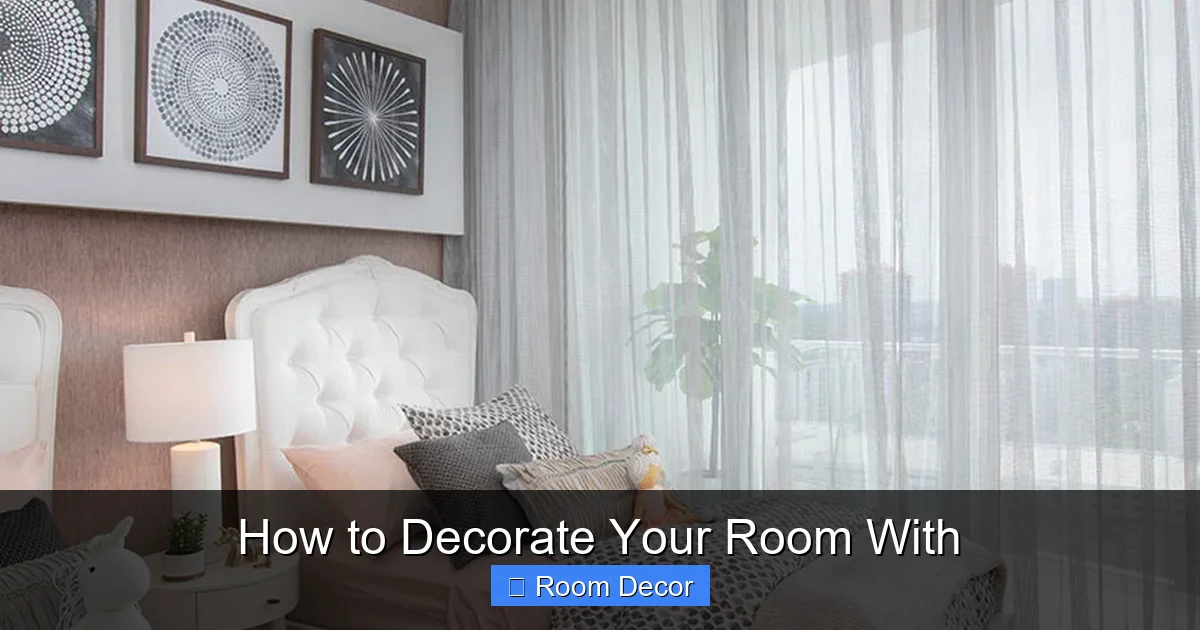
Visual guide about How to Decorate Your Room With
Image source: dkorinteriors.com
Furniture is the backbone of your room. Choose pieces that are both stylish and functional, and that fit your scale and budget.
H3: Prioritize Key Pieces
What are the essential furniture items for your room? A bed and dresser for a bedroom, a sofa and coffee table for a living room. Invest in quality for these core pieces if your budget allows.
H3: Consider Scale and Proportion
Make sure your furniture fits the size of your room. Oversized furniture can make a small room feel cramped, while tiny pieces can get lost in a large space. Measure everything twice!
H3: Mix and Match
Don’t feel like you have to buy everything from the same collection. Mixing and matching furniture can add character and a more curated feel. Consider combining an upholstered sofa with a wooden coffee table or a vintage armchair with a modern side table.
H3: Smart Shopping Strategies
- Thrift Stores and Flea Markets: Great for unique finds and often budget-friendly.
- Online Marketplaces: Facebook Marketplace, Craigslist, etc., can offer great deals on pre-owned furniture.
- Sales and Discounts: Keep an eye out for seasonal sales at furniture retailers.
- DIY and Upcycling: Breathing new life into old furniture can be incredibly rewarding and cost-effective.
Step 5: Layer in Textures and Patterns
Texture adds depth and warmth, preventing a room from feeling flat. Patterns inject personality and visual interest.
H3: Introduce Different Materials
Think about various materials you can incorporate:
- Soft Textiles: Plush rugs, velvet pillows, chunky knit throws, linen curtains.
- Natural Materials: Wood furniture, rattan baskets, jute rugs, ceramic vases.
- Metallic Accents: Brass, gold, silver, or black metal in lamps, frames, or decorative objects.
- Glass and Acrylic: Can add a touch of modern elegance.
H3: Use Patterns Wisely
Patterns can be used on rugs, pillows, throws, curtains, and even artwork.
- Start Small: If you’re new to patterns, begin with smaller, more subtle prints on accessories like throw pillows.
- Mix Patterns: Don’t be afraid to mix different patterns, but try to stick to a similar color palette for cohesion. A good rule of thumb is to mix one large-scale pattern with a smaller, more intricate one.
- Balance: If you have a very busy patterned rug, keep your other elements more solid and neutral to avoid overwhelming the space.
Step 6: Add Lighting for Ambiance
Lighting is often overlooked but is crucial for setting the mood and making a room functional. Aim for layered lighting.
H3: Ambient Lighting
This is the general, overall illumination of the room. This usually comes from ceiling fixtures or recessed lighting.
H3: Task Lighting
This is focused light for specific activities, such as reading or working. Think floor lamps next to a reading chair, desk lamps, or under-cabinet lighting in a kitchen.
H3: Accent Lighting
This is used to highlight specific features like artwork or architectural details. Picture spotlights or small lamps placed strategically.
H3: Consider the Light Source
Natural light is your best friend. Maximize it by keeping windows clear. For artificial light, choose bulbs with the right color temperature (warm white is generally best for living spaces and bedrooms). Dimmers are excellent for controlling the intensity of light and changing the mood.
Step 7: Personalize with Accessories and Artwork
This is where your room truly comes to life and reflects your personality.
H3: Display Personal Photos
Frame your favorite memories – family, friends, travel. Mix different frame styles and sizes for an eclectic look, or use matching frames for a more polished feel.
H3: Choose Artwork That Resonates
Select pieces that you love, regardless of trends. This could be paintings, prints, photographs, or even tapestries. Consider the size and color of the artwork in relation to your room. A large statement piece can be a focal point, while a gallery wall of smaller pieces adds visual interest.
H3: Incorporate Decorative Objects
These are the finishing touches that add character. Think vases, sculptures, candles, plants, books, and collections. Group items in odd numbers (e.g., three vases of varying heights) for a more visually appealing arrangement.
H3: Bring in Greenery
Plants instantly add life, color, and a sense of calm to any room. Choose plants that suit the light conditions in your space.
Step 8: Don’t Forget the Details
The small things can make a big difference.
H3: Curtains and Window Treatments
These add softness, privacy, and can control light. Choose fabrics and styles that complement your overall decor.
H3: Rugs
Rugs define spaces, add warmth, and absorb sound. Choose a size that fits your furniture arrangement – ideally, the front legs of your main furniture pieces should sit on the rug.
H3: Pillows and Throws
These are an easy and affordable way to add color, pattern, and texture. Mix and match different sizes and textures for a cozy feel.
Troubleshooting Common Decorating Challenges
Even with the best plans, you might run into a few hiccups.
H3: Room Feels Too Small
- Use mirrors: They reflect light and create the illusion of more space.
- Light colors: Lighter paint colors on walls and ceilings can make a room feel airier.
- Vertical lines: Tall, narrow furniture or vertical stripes can draw the eye upward.
- Declutter: Less clutter means more perceived space.
H3: Room Feels Too Bland
- Add pops of color: Through pillows, artwork, or decorative objects.
- Introduce textures: Mix different materials like faux fur, wood, and metal.
- Incorporate patterns: On rugs, throws, or curtains.
- Add greenery: Plants bring life and vibrancy.
H3: Decor Doesn’t Feel Cohesive
- Revisit your mood board: Ensure your choices align with your initial vision.
- Simplify: Sometimes, less is more. Remove items that don’t fit your style.
- Tie elements together: Use a consistent color palette or recurring motif throughout the room.
Conclusion
Decorating your room is a journey, not a destination. By following these steps – from defining your style and planning your layout to carefully selecting colors, furniture, and those all-important personal touches – you can transform your space into a haven that reflects your personality and enhances your well-being. Remember to have fun with the process, experiment, and most importantly, create a room that you truly love. Happy decorating!