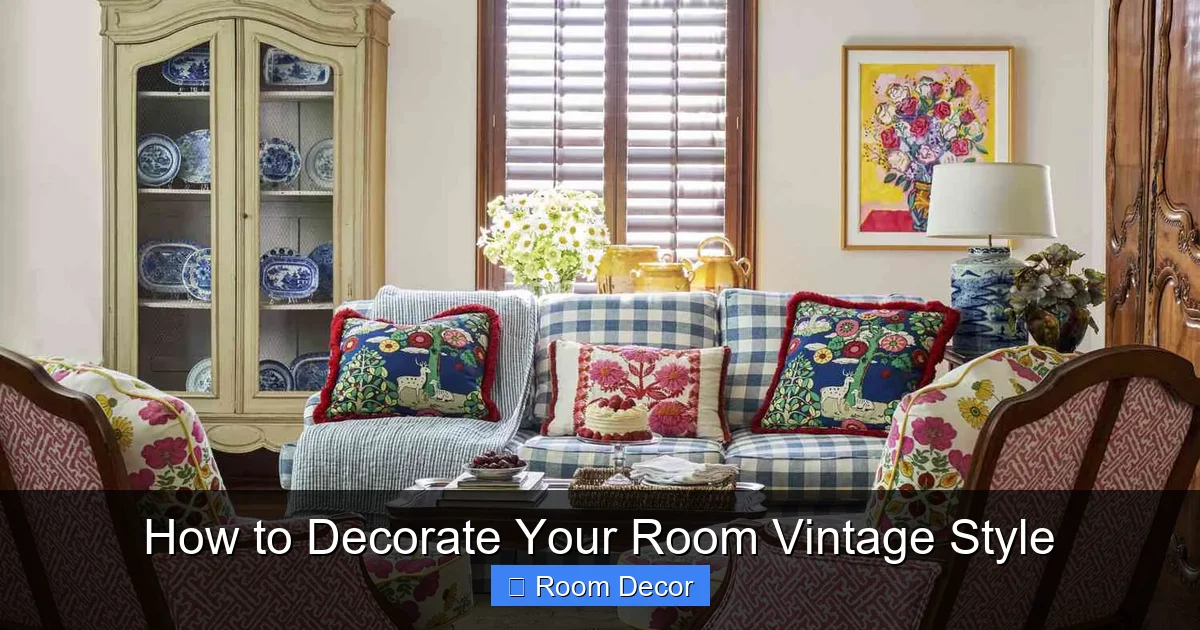
Unlock the secrets to achieving a timeless, charming vintage room aesthetic. This guide will walk you through every step, from finding authentic pieces to layering textures and colors. Learn to infuse your space with personality and stories from bygone eras, creating a truly unique and inviting haven. Get ready to embrace the beauty of the past in your modern sanctuary.
How to Decorate Your Room Vintage Style
Dreaming of a room that whispers tales of bygone eras? A space that feels cozy, character-filled, and uniquely yours? Decorating in a vintage style is all about capturing the charm, elegance, and nostalgia of the past. It’s not just about collecting old things; it’s about creating a curated collection that tells a story and brings a timeless aesthetic to your home. This comprehensive guide will walk you through everything you need to know to transform your room into a vintage sanctuary.
Key Takeaways
- Embrace an Era: Decide on a specific vintage era (e.g., Art Deco, Mid-Century Modern, Victorian) to guide your decor choices and create a cohesive look.
- Scout for Treasures: Regularly visit thrift stores, antique shops, flea markets, and online marketplaces to unearth unique and affordable vintage finds.
- Color Palette is Key: Opt for a muted or sophisticated color palette that reflects your chosen vintage era, using accent colors strategically.
- Texture Tells a Story: Layer different textures like velvet, lace, distressed wood, and aged metals to add depth and warmth to your vintage room.
- Personalize with Accents: Incorporate vintage-inspired accessories like old books, framed photographs, unique lighting, and nostalgic artwork to tell a story.
- Don’t Fear Imperfection: Embrace the patina and minor wear of vintage items; they add character and authenticity to your decorated room.
- Mixing Old and New: Seamlessly blend vintage pieces with modern elements for a balanced, livable, and stylish vintage-inspired room.
Understanding Vintage Style
Before we dive into the nitty-gritty, let’s get a handle on what “vintage style” truly means. Generally, vintage refers to items that are at least 20 years old but less than 100 years old. However, in the realm of interior design, “vintage style” often encompasses a broader aesthetic that evokes a sense of nostalgia and charm from various decades, without being strictly limited to specific age criteria.
The beauty of vintage decor lies in its individuality. Unlike mass-produced modern items, vintage pieces often have a history, a unique patina, and a craftsmanship that’s hard to find today. It’s about celebrating imperfections, embracing unique silhouettes, and creating a warm, inviting atmosphere.
Step 1: Choose Your Vintage Era
While you can certainly mix elements from different decades, focusing on a particular vintage era can help create a more cohesive and intentional look. This makes the decorating process much easier and ensures your room feels harmonious rather than cluttered.
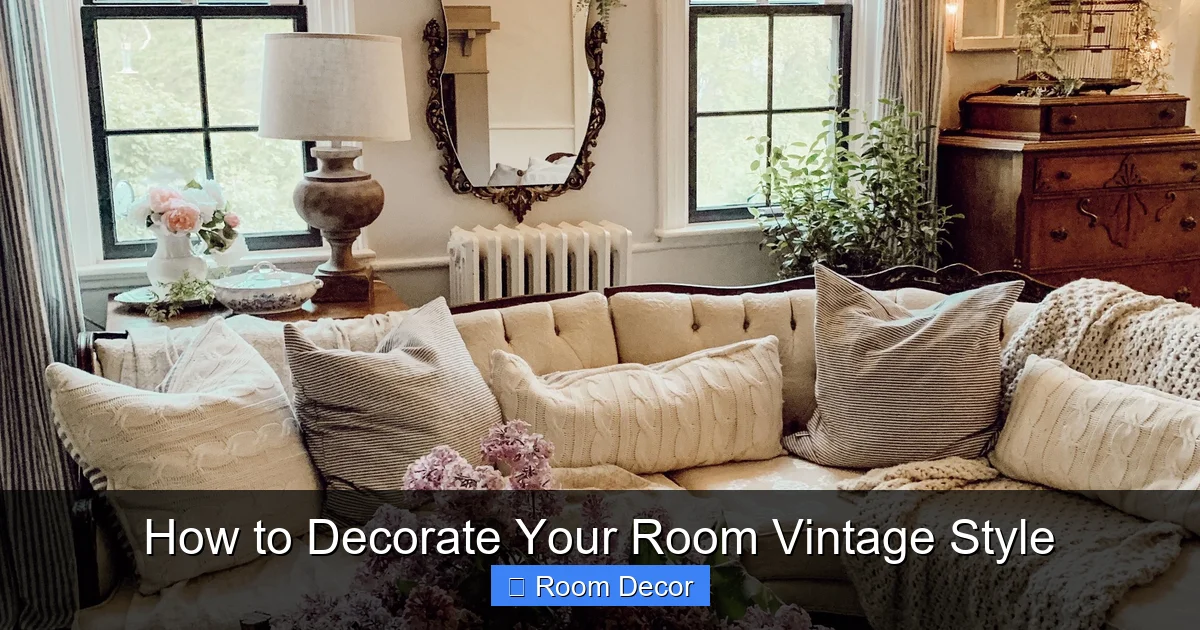
Visual guide about How to Decorate Your Room Vintage Style
Image source: i.pinimg.com
Popular Vintage Eras to Consider:
- Victorian (1837-1901): Think ornate details, dark wood, rich fabrics like velvet and brocade, lace, chandeliers, and a sense of opulence.
- Art Nouveau (1890-1910): Characterized by organic, flowing lines, floral motifs, stained glass, and decorative arts.
- Art Deco (1920s-1930s): Sleek lines, geometric patterns, bold colors, metallic accents (gold, chrome), lacquered finishes, and glamorous furniture.
- Mid-Century Modern (1945-1965): Clean lines, organic shapes, functional design, wood tones, pops of color (mustard yellow, teal), and iconic furniture pieces.
- Retro (1950s-1970s): Often associated with bright colors, playful patterns, atomic motifs, and a more casual, fun vibe.
Tip:
Don’t feel pressured to stick rigidly to one era. You might love the furniture from Mid-Century Modern but prefer the color palettes and textiles of the 1970s. The goal is to find inspiration and create a look that resonates with you.
Step 2: Master the Color Palette
The colors you choose will set the mood for your vintage room. Muted, earthy tones often lend themselves well to a classic vintage feel, but don’t shy away from bolder, era-specific palettes.
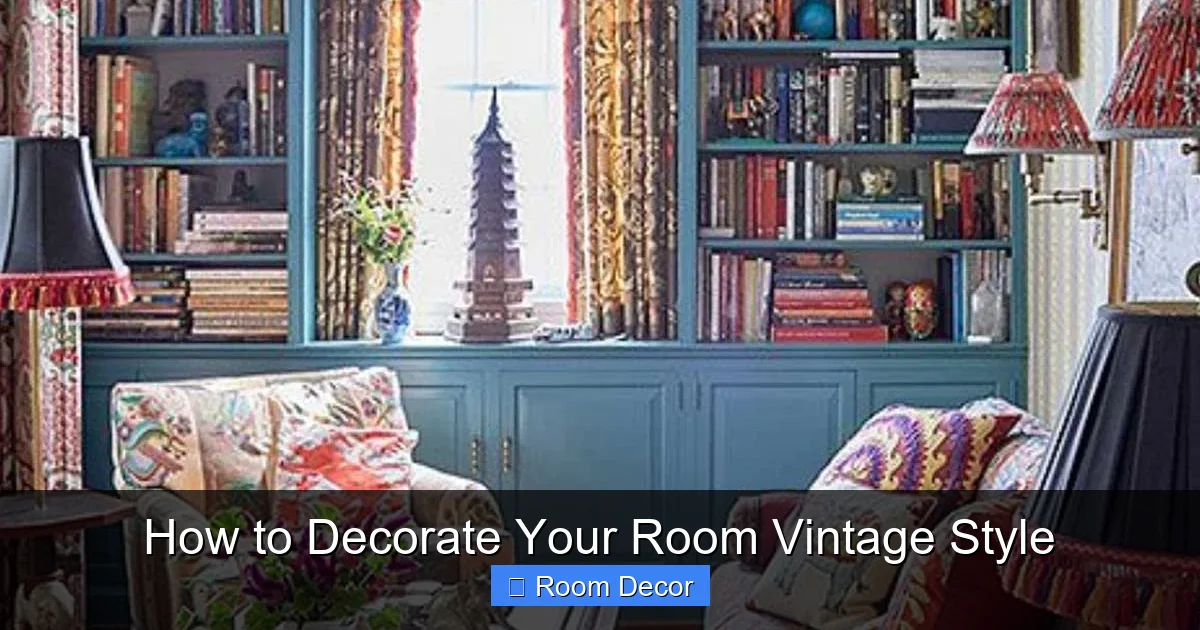
Visual guide about How to Decorate Your Room Vintage Style
Image source: designbx.com
Classic Vintage Palettes:
- Soft Neutrals: Cream, beige, ivory, and muted grays provide a timeless and elegant backdrop.
- Dusty Pastels: Think of faded rose, mint green, dusty blue, and pale yellow for a softer, romantic vintage feel.
- Deep & Rich Tones: Emerald green, deep burgundy, navy blue, and warm browns can create a sense of luxury and depth, especially for Victorian or Art Deco styles.
- Earthy & Natural: Olive green, terracotta, ochre, and mustard yellow bring a grounded, natural feel, often seen in Mid-Century Modern or Bohemian vintage looks.
Accent Colors:
Once you have your base palette, consider accent colors that complement your chosen era. Metallics like brass, gold, or silver can add a touch of glamour, while pops of brighter colors can provide playful contrast.
Step 3: Hunt for Vintage Treasures
This is where the real fun begins! Finding authentic vintage pieces is a treasure hunt, and the thrill of discovering a unique item is part of the charm.
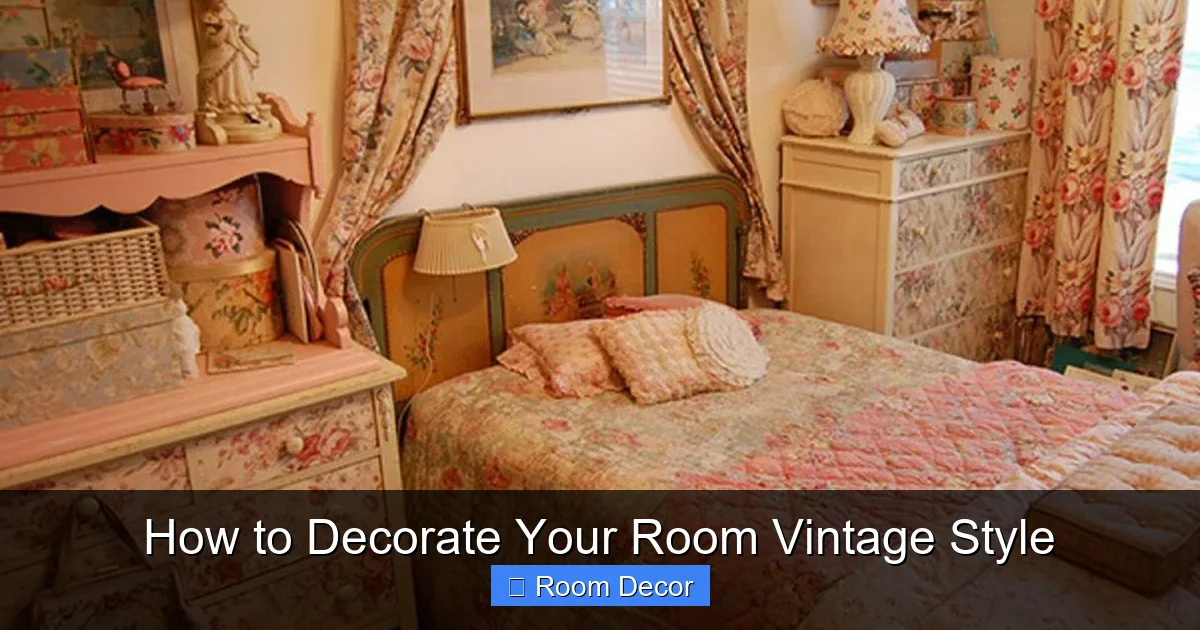
Visual guide about How to Decorate Your Room Vintage Style
Image source: fthmb.tqn.com
Where to Find Vintage Decor:
- Thrift Stores & Charity Shops: Your go-to for affordable finds. Be prepared to dig, as items are often not organized by style or era.
- Antique Shops: Offer more curated selections, but prices will generally be higher.
- Flea Markets & Swap Meets: Great for unique finds and often offer opportunities for friendly negotiation.
- Estate Sales: Can be a goldmine for furniture, decor, and collectibles from a specific household.
- Online Marketplaces: Websites like eBay, Etsy (look for vintage sections), Facebook Marketplace, and specialized antique sites offer a vast array of options from the comfort of your home.
- Vintage-Focused Boutiques: These shops specialize in curated vintage items and can offer a more polished selection.
What to Look For:
- Furniture: Think armchairs with character, unique side tables, vintage dressers, or ornate mirrors.
- Lighting: Chandeliers, retro lamps, or industrial-style fixtures can instantly add vintage flair.
- Textiles: Vintage rugs, curtains, throws, and cushions in interesting patterns and fabrics.
- Decor Accents: Old books, antique cameras, vintage suitcases, globes, ornate picture frames, ceramics, and glassware.
- Wall Art: Vintage prints, old photographs, or paintings that match your chosen era.
Tip:
Always inspect items for damage, such as significant scratches, stains, or structural issues. However, don’t be afraid of minor wear and tear – a little patina adds to the vintage charm!
Step 4: Layer Textures for Depth and Warmth
Vintage style thrives on texture. Mixing different materials adds visual interest and creates a cozy, inviting atmosphere.
Key Textures to Incorporate:
- Rich Fabrics: Velvet, brocade, silk, and damask for upholstery, curtains, and cushions.
- Natural Materials: Distressed wood, wicker, rattan, and bamboo for furniture and decorative accents.
- Aged Metals: Brass, copper, iron, and wrought iron for lighting, hardware, and decorative objects.
- Delicate Details: Lace, embroidery, and fringe for cushions, throws, and table runners.
- Worn Leather: An antique leather armchair or ottoman can add a touch of sophistication and history.
How to Layer:
Don’t be afraid to combine these textures. A velvet armchair can sit on a distressed wooden floor, adorned with a chunky knit throw and a silk cushion. Layering these elements creates a tactile and visually rich environment that feels lived-in and authentic.
Step 5: Curate Your Accessories
Accessories are the finishing touches that truly bring your vintage room to life. They are the details that tell a story and personalize your space.
Essential Vintage Accessories:
- Books: Stack old hardcover books on tables or shelves. Choose titles with beautiful bindings.
- Photographs: Display framed vintage photographs, postcards, or sepia-toned prints.
- Mirrors: Ornate, gilded, or antique-style mirrors can make a room feel larger and add a touch of glamour.
- Lamps: Vintage table lamps or floor lamps with unique shades are both functional and decorative.
- Plants: Incorporate plants in vintage ceramic pots or terracotta planters for a touch of life and color.
- Clocks: A vintage mantel clock or wall clock can be a charming focal point.
- Collectibles: Display your personal collections – antique teacups, figurines, or vintage travel souvenirs.
Tip:
Group items in odd numbers (e.g., three books, five vases) for a more aesthetically pleasing arrangement.
Step 6: The Art of Distressed and Patina
One of the hallmarks of vintage decor is its aged appearance. Don’t shy away from items that show their history!
Embrace Imperfection:
A scratch on a wooden table, a faded patch on a fabric, or a slightly tarnished metal finish are not flaws; they are character. These imperfections tell a story of the item’s past life and add authenticity to your room.
DIY Distressing (Optional):
If you find a piece that’s too perfect or want to give a newer item a vintage feel, you can use simple DIY techniques:
- Sanding: Lightly sand painted or stained wood to create a worn look.
- Waxing: Apply a dark wax over a painted surface to highlight details and create an aged patina.
- Chalk Paint: This type of paint often creates a matte, aged finish that’s perfect for vintage furniture.
Step 7: Mix Old with New Thoughtfully
Your vintage room doesn’t have to be a museum exhibit. Blending vintage pieces with modern elements makes the space more livable, functional, and current.
Creating Balance:
- Modern Comforts: Use a comfortable, modern mattress on a vintage bed frame.
- Functional Electronics: Hide modern electronics like TVs or speakers behind vintage screens or within antique cabinets.
- Contemporary Art: Juxtapose a vintage sofa with a piece of modern abstract art.
- Minimalist Foundations: Use modern, neutral paint colors as a backdrop for your vintage furniture and decor.
The Goal:
The aim is to create a space that feels collected over time, not staged. The modern elements should complement, not compete with, your vintage finds.
Troubleshooting: Common Vintage Decor Challenges
My room feels too cluttered.
Solution: This is common with vintage styles. Be ruthless with editing. Less is often more. Focus on a few statement pieces rather than many small items. Ensure there’s breathing room around your furniture.
I can’t find anything I like.
Solution: Patience is key! Vintage hunting takes time. Broaden your search to different locations or online platforms. Consider looking for pieces that can be upcycled or refinished to better suit your style.
My vintage finds don’t match.
Solution: Focus on a unifying color palette or a consistent material (like wood tones or metal finishes) to tie disparate pieces together. Sometimes a unifying element, like all pieces being a similar shade of wood or a shared accent color, can make even very different items feel cohesive.
It looks like a jumble sale, not a stylish room.
Solution: This often comes down to balance and scale. Ensure your furniture is appropriately sized for your room. Group similar items together for impact. A good rule of thumb is to have a mix of larger statement pieces and smaller, curated accents.
Conclusion
Decorating your room in a vintage style is a rewarding journey that allows you to infuse your space with personality, history, and charm. By choosing an era, curating your color palette, hunting for unique treasures, layering textures, and adding those personal touches, you can create a room that feels both timeless and deeply personal. Remember to embrace the imperfections, mix old with new thoughtfully, and most importantly, have fun with the process! Your vintage haven awaits.