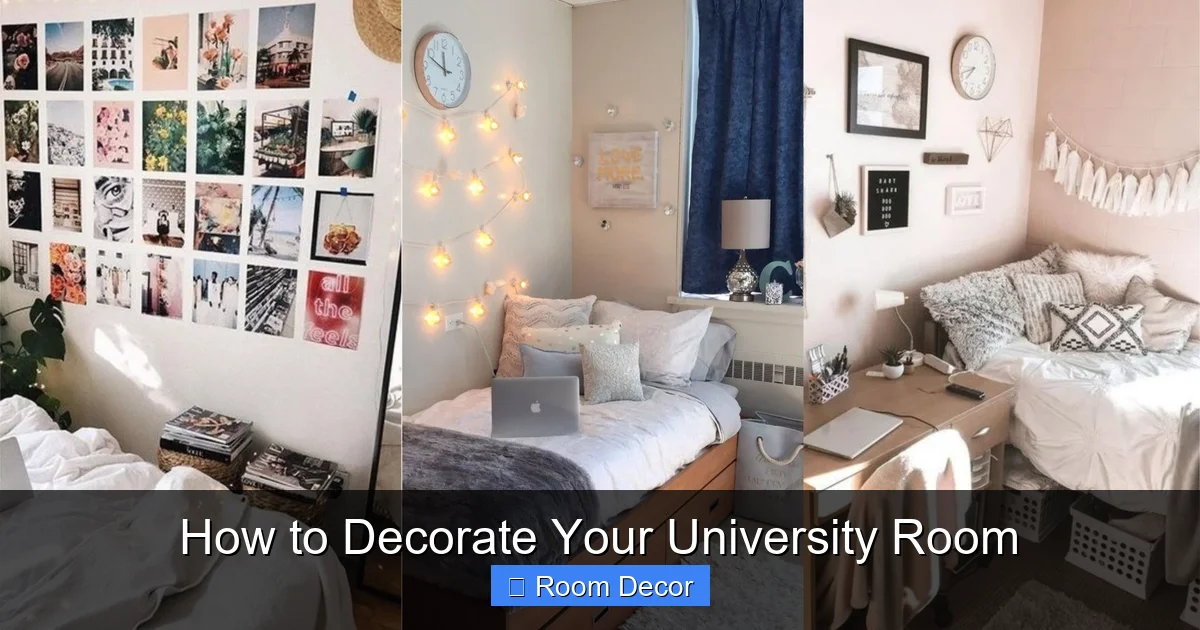
Decorating your university room doesn’t have to be expensive or overwhelming. This guide provides a comprehensive, step-by-step approach to making your space your own. Learn how to maximize functionality, inject personality, and create a comfortable atmosphere that supports your academic and social life. With smart planning and creative ideas, you can transform a bland dorm into a true home away from home.
How to Decorate Your University Room
Moving into a university room can be an exciting, yet daunting, experience. Suddenly, you’re faced with a blank canvas, often a small space, that needs to become your sanctuary, study zone, and social hub. But where do you even begin? This comprehensive guide will walk you through the entire process of decorating your university room, from the initial planning stages to the final touches. We’ll cover everything you need to know to create a space that is both functional and reflects your unique personality, all while keeping your budget in mind.
- Define Your Style: Before buying anything, figure out the aesthetic you want to achieve, whether it’s minimalist, bohemian, or something else entirely.
- Prioritize Functionality: University rooms are often small. Focus on furniture and decor that serves multiple purposes and maximizes storage.
- Embrace Lighting: Good lighting can dramatically change the mood of a room. Layer ambient, task, and accent lighting for a warm and inviting space.
- Personalize with Art and Photos: Make your room feel like *yours* by displaying personal artwork, photographs, and cherished mementos.
- DIY and Budget-Friendly Options: Get creative with DIY projects and utilize affordable stores to decorate without breaking the bank.
- Maximize Wall Space: Utilize vertical space with shelves, tapestries, and hanging organizers to keep your room clutter-free.
- Comfort is Key: Invest in cozy textiles like rugs, blankets, and plush pillows to create a relaxing sanctuary for studying and unwinding.
Step 1: The Foundation – Planning and Preparation
Before you buy a single poster or pillow, take the time to plan. This crucial first step will save you time, money, and frustration later on.
Assess Your Space and Restrictions
University rooms, especially dorm rooms, often come with limitations. Before you get inspired by Pinterest boards, do your homework:
- Check the Rules: Most universities have specific rules about what you can and cannot do. This often includes restrictions on painting, drilling holes in walls, or using certain types of lighting (like halogen bulbs). Get a copy of the housing agreement or check the university’s website for a list of prohibited items.
- Measure Everything: Bring a tape measure with you or find the room dimensions online. Measure the existing furniture (bed, desk, wardrobe), window sizes, and wall space. This information is vital for choosing furniture and decor that will actually fit.
- Identify Existing Features: Note the color of the walls, flooring, and any built-in furniture. This will help you choose colors and decor that complement or contrast with the existing elements.
Define Your Style and Needs
What kind of atmosphere do you want to create? Think about how you’ll use the space.
- Brainstorm Your Aesthetic: Are you drawn to minimalist and clean lines, or do you prefer a more bohemian, cozy vibe? Do you love bright colors or muted tones? Look for inspiration online (Pinterest, Instagram), in magazines, or even in your favorite cafes or shops. Save images of rooms you love to create a mood board.
- Consider Functionality: Your room is more than just a place to sleep. You’ll be studying, socializing, and relaxing here. Think about what you need:
- Study Space: Do you need extra desk space, good lighting, or organizational tools?
- Relaxation Area: Do you want a comfy chair, floor pillows, or a cozy corner?
- Storage Solutions: Most dorms are short on space. How can you maximize storage for clothes, books, and personal items?
Set a Budget
University life can be expensive. Determine how much you can realistically spend on decorating.
- Prioritize Purchases: Decide which items are essential (like bedding and basic storage) and which are more of a luxury (like decorative lamps or wall art).
- Look for Sales and Discounts: Many stores offer student discounts or have regular sales, especially around back-to-school season.
- Consider Secondhand: Thrift stores and online marketplaces can be great for finding unique and affordable pieces.
Step 2: Furnishing and Layout – Maximizing Space and Comfort
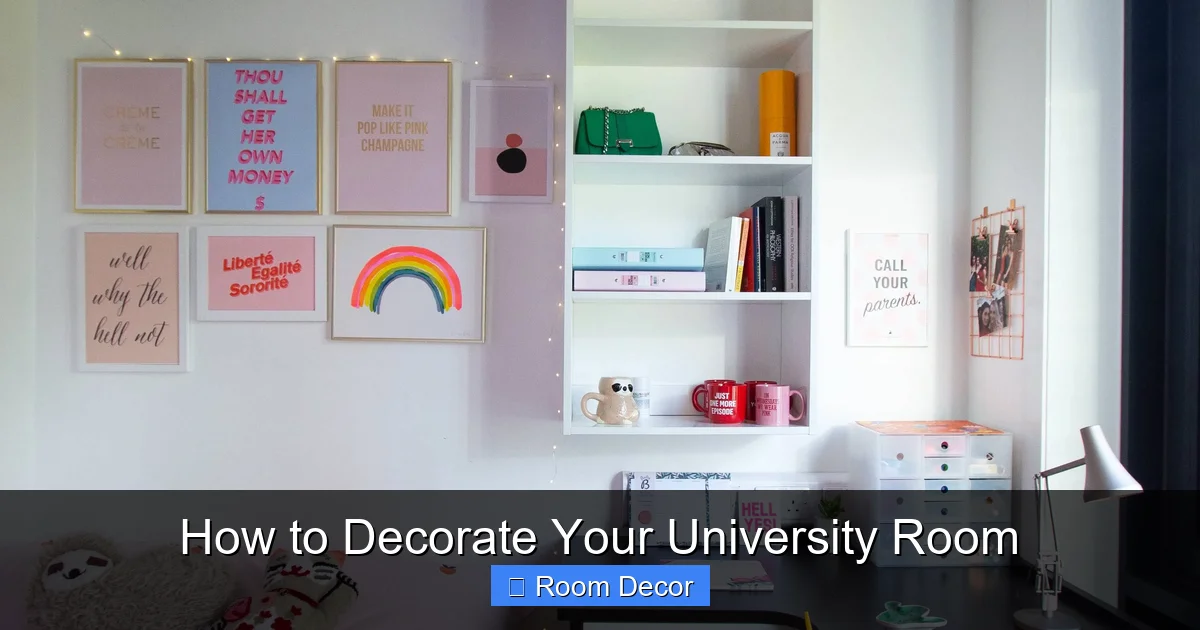
Visual guide about How to Decorate Your University Room
Image source: littlebigbell.com
The furniture in your university room often dictates the overall feel and functionality. Making smart choices here is key.
The Bed – Your Haven
Your bed is likely the largest piece of furniture in your room. Make it a comfortable and stylish centerpiece.
- Invest in Quality Bedding: Good sheets, a comfortable duvet, and supportive pillows are essential for good sleep, which is crucial for academic success. Choose colors and patterns that fit your style.
- Bedding Accessories: Add a throw blanket for extra warmth and texture, and decorative pillows to make your bed look inviting and more like a sofa during the day.
- Elevate Your Bed: If your bed frame allows, consider bed risers. These add extra storage space underneath for bins, shoes, or seasonal clothing.
Desk Space – Your Productivity Hub
Your desk is where you’ll tackle assignments and study. Make it functional and inspiring.
- Desk Organizers: Keep your workspace tidy with pen holders, file organizers, and trays.
- Good Lighting: A desk lamp is a must for late-night study sessions. Opt for an adjustable LED lamp that provides bright, focused light.
- Personalize Your Desk: Add a small plant, a motivational quote, or a framed photo to make your desk area more pleasant.
Storage Solutions – Combating Clutter
Effective storage is non-negotiable in a small university room. Think vertically and creatively.
- Under-Bed Storage: Utilize under-bed bins or drawers (if you don’t have risers). Look for bins with lids to keep dust out.
- Wall Shelving: Floating shelves are a fantastic way to add storage without taking up floor space. Use them for books, decorative items, or even plants.
- Over-the-Door Organizers: These are perfect for shoes, toiletries, or small accessories.
- Wardrobe Inserts: Maximize your closet space with hanging shelves, drawer units, or extra rods.
- Storage Ottomans or Benches: These pieces offer seating and hidden storage, perfect for shoes or extra blankets.
Seating – Beyond the Bed
If space allows, consider adding extra seating for yourself or for when friends visit.
- Beanbag Chairs: These are comfortable, flexible, and add a relaxed vibe.
- Floor Pillows: A cluster of large floor pillows can create a casual seating area.
- Compact Armchair: If you have the space, a small, stylish armchair can transform a corner into a cozy reading nook.
Step 3: Walls and Windows – Bringing Your Room to Life
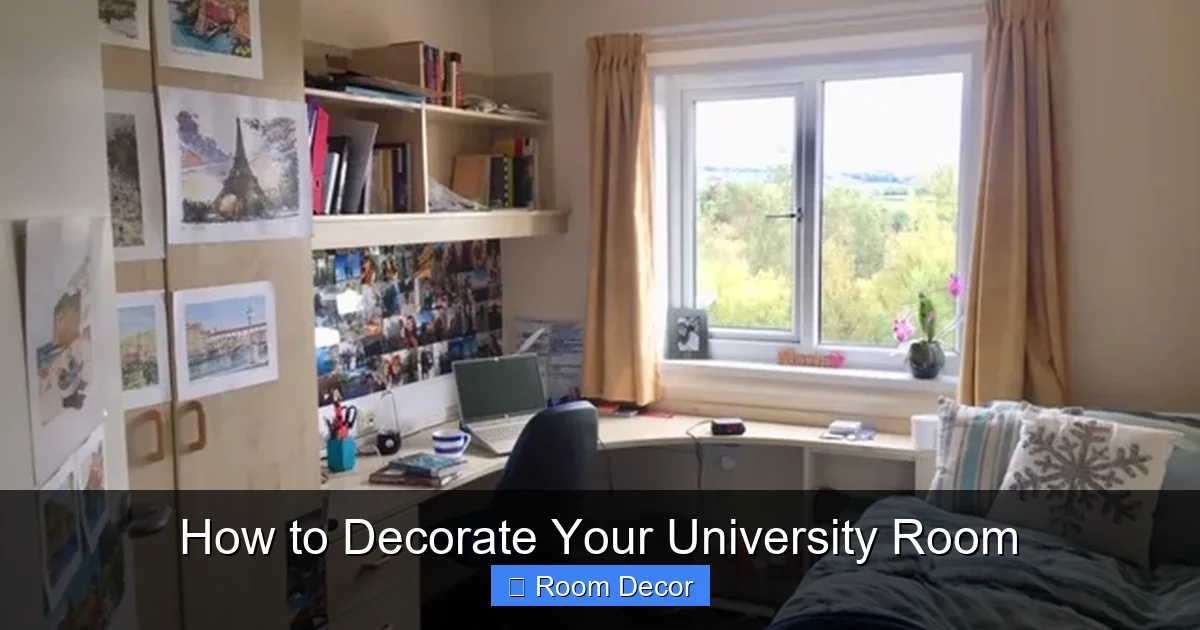
Visual guide about How to Decorate Your University Room
Image source: lancaster.ac.uk
The walls and windows are prime real estate for expressing your style and adding personality.
Wall Decor – Making a Statement
Walls can easily be transformed without permanent changes.
- Posters and Prints: Choose art that speaks to you, whether it’s band posters, movie art, or abstract prints. Use removable adhesive strips (like Command strips) to hang them without damaging the walls.
- Tapestries: A tapestry can cover a large portion of a wall, adding color, texture, and a bohemian feel. They are lightweight and easy to hang with small nails or adhesive hooks.
- Photos: String fairy lights and clip photos of friends, family, and memories onto them. This creates a warm and personal display.
- Mirrors: Mirrors can make a small room feel larger and brighter by reflecting light. Opt for decorative mirrors that add to your style.
- DIY Wall Art: Get creative! You can paint canvases, create collages, or frame interesting fabric swatches.
Window Treatments – Controlling Light and Adding Style
Windows are important for natural light, but also offer an opportunity for decor.
- Curtains: Even if the room has blinds, adding curtains can soften the look and add color or pattern. Choose light-filtering or blackout curtains depending on your preference. Again, use Command hooks or tension rods to hang them without damage.
- Fairy Lights: Drape fairy lights around your window frame for a magical and cozy ambiance, especially in the evening.
- Window Clings: If you want to add privacy or a decorative touch without hanging anything, consider decorative window clings.
Step 4: Lighting – Setting the Mood
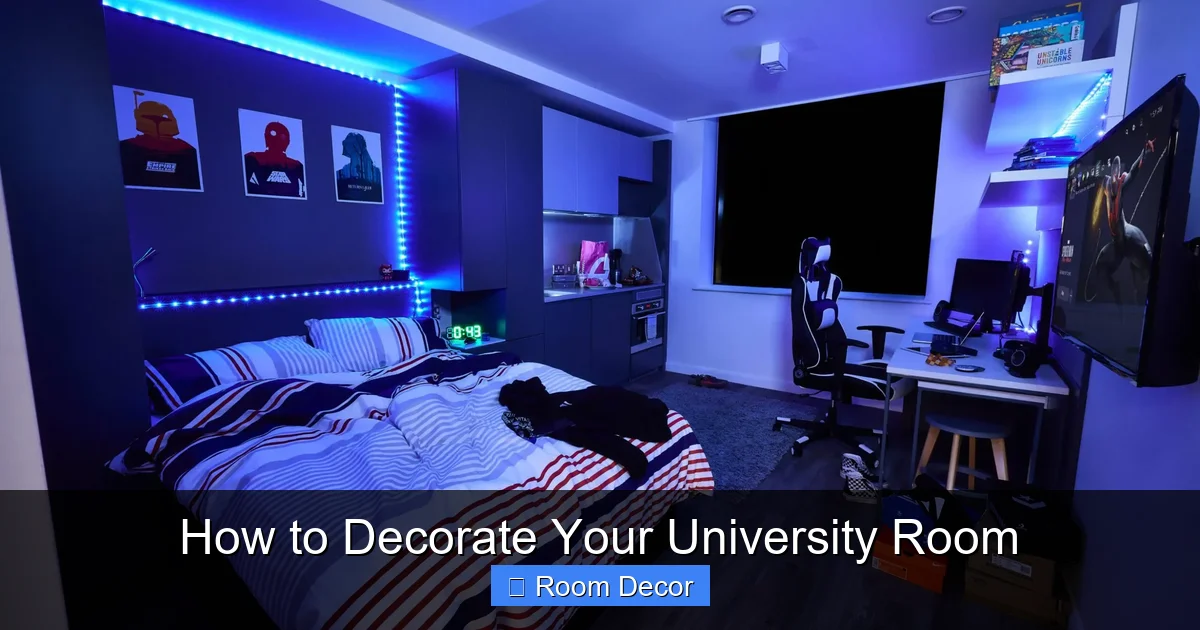
Visual guide about How to Decorate Your University Room
Image source: vitastudent.com
Lighting can make or break the atmosphere of your room. Don’t rely solely on the overhead fluorescent light!
Layer Your Lighting
The best rooms have a combination of different light sources.
- Ambient Lighting: This is the general illumination of the room. Your overhead light might serve this purpose, but consider adding a floor lamp or a larger table lamp for a softer, more inviting glow.
- Task Lighting: This is focused light for specific activities, like reading or studying. Your desk lamp falls into this category.
- Accent Lighting: This is decorative lighting that highlights certain features or creates a mood. Think fairy lights, string lights, or small accent lamps on shelves.
Types of Lamps to Consider
- Desk Lamp: Essential for studying.
- Floor Lamp: Great for illuminating a corner or a reading nook.
- Table Lamps: Place them on bedside tables or dressers for soft, warm light.
- Fairy Lights/String Lights: These add a whimsical and cozy touch. Use them around mirrors, headboards, or draped across walls.
**Tip:** Opt for LED bulbs, as they are energy-efficient and come in various color temperatures (warm white is generally more inviting than cool white).
Step 5: Textiles and Accents – Adding Warmth and Personality
These are the finishing touches that truly make a room feel like home.
Rugs – Comfort Underfoot
A rug can define a space, add warmth, and absorb sound.
- Size Matters: Measure the area you want to cover. A small rug can anchor a seating area, or a larger rug can make the entire room feel cozier.
- Material and Texture: Consider comfort and ease of cleaning. Shag rugs are plush but can be harder to clean, while flat-weave rugs are easier to maintain.
- Color and Pattern: Choose a rug that complements your existing decor or acts as a statement piece.
Pillows and Throws – Ultimate Coziness
These are the easiest way to add color, texture, and comfort.
- Mix and Match: Don’t be afraid to combine different sizes, shapes, and textures of pillows.
- Strategic Placement: Pile them on your bed, on your desk chair, or create a floor seating area.
- Throws: A soft throw blanket draped over your bed or a chair instantly makes the space feel more inviting.
Plants – Bringing Life Indoors
Plants can purify the air, add color, and create a sense of tranquility.
- Easy-Care Options: If you’re new to plants, opt for low-maintenance varieties like snake plants, pothos, or ZZ plants.
- Placement: Place them on windowsills, shelves, or hang them from the ceiling (if permitted and safe).
- Decorative Pots: Choose pots that match your style to further enhance your decor.
Personal Touches – Your Story
This is where your personality truly shines.
- Photos: As mentioned before, photos of loved ones, pets, or memorable trips are a must.
- Souvenirs: Display items from travels or significant events.
- Hobbies: If you play an instrument, display it. If you love to read, let your books be part of the decor.
- Scents: A pleasant room spray or a subtle diffuser can make your room feel more inviting. Be mindful of scent sensitivities and university policies on diffusers.
Step 6: The Final Touches – Bringing It All Together
Once you have your main pieces in place, it’s time to refine and perfect your space.
Rearrange and Refine
Don’t be afraid to move things around. Live in the space for a few days and see what works and what doesn’t.
- Flow: Ensure there’s enough space to move around comfortably.
- Functionality: Is everything you need easily accessible?
- Aesthetics: Does the room feel balanced and visually appealing?
Clean and Organize
A beautifully decorated room can still feel chaotic if it’s messy.
- Regular Tidying: Make it a habit to put things away regularly.
- Declutter: Periodically go through your belongings and get rid of anything you no longer need or use.
Troubleshooting Common University Room Decor Challenges
* Limited Budget: Focus on DIY, secondhand finds, and smart sales shopping. Prioritize essentials.
* Small Space: Utilize vertical space, opt for multi-functional furniture, and use mirrors to create an illusion of space. Keep decor minimal and purposeful.
* University Restrictions: Stick to removable decor and adhesive solutions. Get creative with what you *can* do.
* Lack of Natural Light: Use light-colored decor, mirrors, and plenty of artificial lighting to brighten the space.
* Sharing a Room: Communicate with your roommate about styles and preferences. Compromise is key! Consider dividing the room with distinct zones or using shared color palettes.
Conclusion
Decorating your university room is a fantastic opportunity to express yourself and create a space that supports your well-being and academic success. By planning carefully, prioritizing functionality, and adding personal touches, you can transform a basic room into a personalized haven. Remember that it’s your space, so fill it with things that make you happy and inspire you. Enjoy the process, and make your university room your favorite place to be!