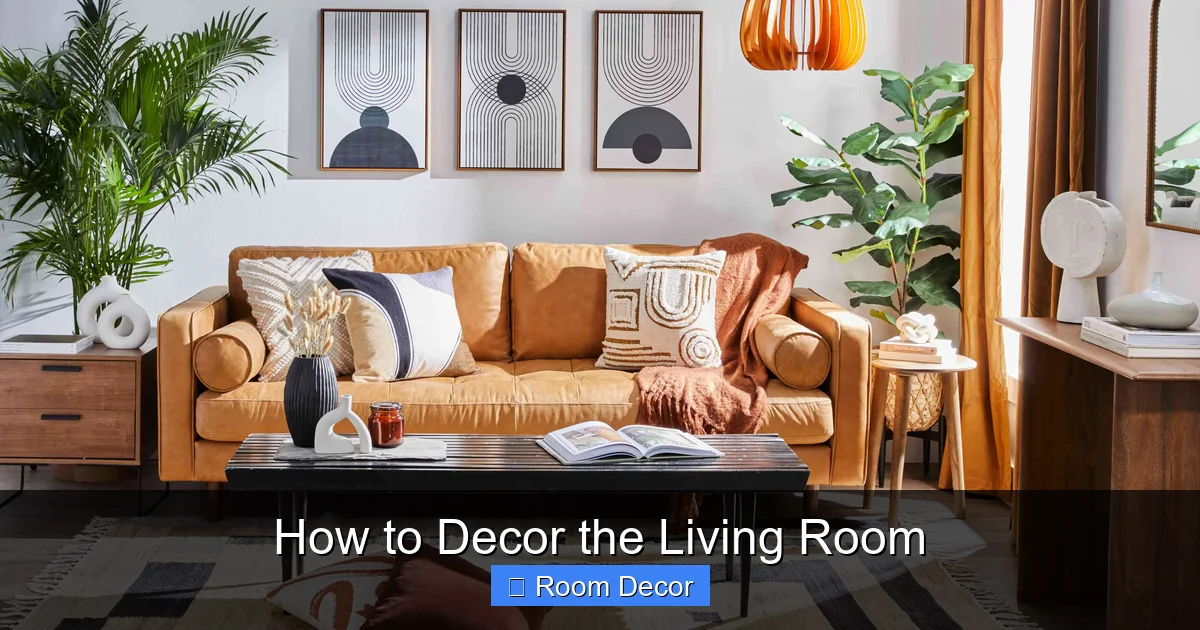
Transform your living room into a welcoming oasis with this detailed guide. We’ll walk you through every step, from defining your personal style to selecting the perfect furniture, mastering lighting, and adding those finishing touches. Discover how to create a space that’s both beautiful and functional, reflecting your unique personality and making your living room the heart of your home.
How to Decor the Living Room
Your living room is more than just a room; it’s the heart of your home. It’s where you relax after a long day, entertain guests, and make lasting memories with your loved ones. That’s why decorating it should be a fun and rewarding process! This comprehensive guide will walk you through everything you need to know to create a living room that is both stylish and comfortable, a true reflection of your personal taste.
We’ll cover how to define your design style, choose the right furniture and layout, master the art of lighting, and add those all-important finishing touches that bring a room to life. Get ready to transform your living space into a haven you’ll love spending time in.
Key Takeaways
- Define Your Style First: Before buying anything, understand your aesthetic (e.g., modern, bohemian, traditional) to ensure a cohesive and intentional design.
- Layout is Crucial: Plan the arrangement of your furniture for optimal flow, conversation areas, and functionality.
- Invest in Key Pieces: Prioritize quality and comfort for your sofa and main seating, as these will be the foundation of your room.
- Layer Your Lighting: Combine ambient, task, and accent lighting to create mood, enhance functionality, and add visual interest.
- Accessorize Thoughtfully: Use rugs, curtains, art, and decorative items to add personality, texture, and color.
- Don’t Forget Greenery: Plants bring life, color, and improved air quality to any living room.
Step 1: Discover Your Living Room Style
Before you even think about paint colors or furniture arrangements, the most important first step is to understand your personal style. What look and feel do you want for your living room? This foundational step will guide every subsequent decision, ensuring your decor is cohesive and intentional.
Explore Different Design Aesthetics
There are many popular interior design styles, and you might find you love elements from several. Don’t be afraid to mix and match! Here are a few to consider:
- Modern: Characterized by clean lines, minimalist design, and neutral color palettes. Think sleek furniture and uncluttered spaces.
- Traditional: Features classic furniture shapes, rich colors, and ornate details. It often has a sense of formality and timeless elegance.
- Bohemian (Boho): Embraces a relaxed, eclectic vibe with a mix of patterns, textures, and vibrant colors. It’s all about personal expression and comfort.
- Mid-Century Modern: Popular in the mid-20th century, this style combines organic shapes with clean lines, often using wood and bold colors.
- Farmhouse: Offers a cozy, rustic charm with natural materials like wood and stone, comfortable furnishings, and a warm, inviting atmosphere.
- Scandinavian: Focuses on simplicity, functionality, and a light, airy feel. Neutrals, natural wood, and pops of color are common.
Gather Inspiration
Where can you find inspiration?
- Pinterest and Instagram: These visual platforms are goldmines for interior design ideas. Create boards or save posts that catch your eye.
- Magazines: Interior design magazines offer curated looks and professional advice.
- Online Blogs: Many design bloggers share their own projects and tips.
- Friends’ Homes: Take note of what you like in the homes of people you know.
When you’re gathering inspiration, pay attention to what draws you in. Is it the color scheme? The furniture shapes? The textures? The overall mood? Identifying these recurring themes will help you pinpoint your preferred style.
Step 2: Plan Your Living Room Layout
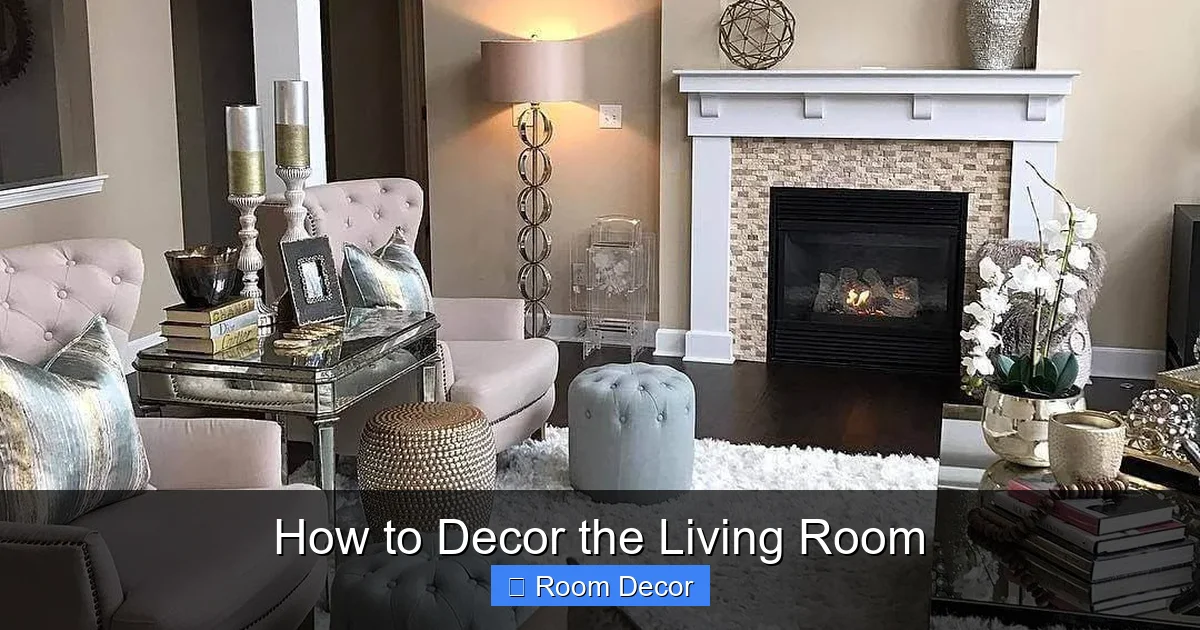
Visual guide about How to Decor the Living Room
Image source: homebnc.com
A well-planned layout is essential for both aesthetics and functionality. It ensures the room flows well, makes sense for how you use the space, and creates comfortable areas for conversation and relaxation.
Measure Your Space
This is non-negotiable! You need to know the exact dimensions of your living room, including window and door placements, and any architectural features like fireplaces. Measure all potential furniture pieces you’re considering as well.
Consider Furniture Placement
Think about the primary purpose of your living room.
- Conversation Area: Arrange seating (sofa, armchairs) so they face each other or in a way that encourages conversation. Avoid placing all furniture against the walls.
- Focal Point: Identify a focal point in your room, such as a fireplace, a large window with a view, or a television. Arrange furniture around this focal point.
- Traffic Flow: Ensure there are clear pathways to move around the room easily. Don’t block doorways or create tight squeezes.
- Scale and Proportion: Make sure your furniture is appropriately sized for your room. An oversized sofa can make a small room feel cramped, while a tiny piece can get lost in a large space.
Use a Floor Plan Tool
There are many free online tools and apps that allow you to create a 2D or 3D floor plan of your living room. You can then drag and drop virtual furniture to experiment with different layouts before you move a single piece. This can save you a lot of time and effort.
Step 3: Choose Your Key Furniture Pieces
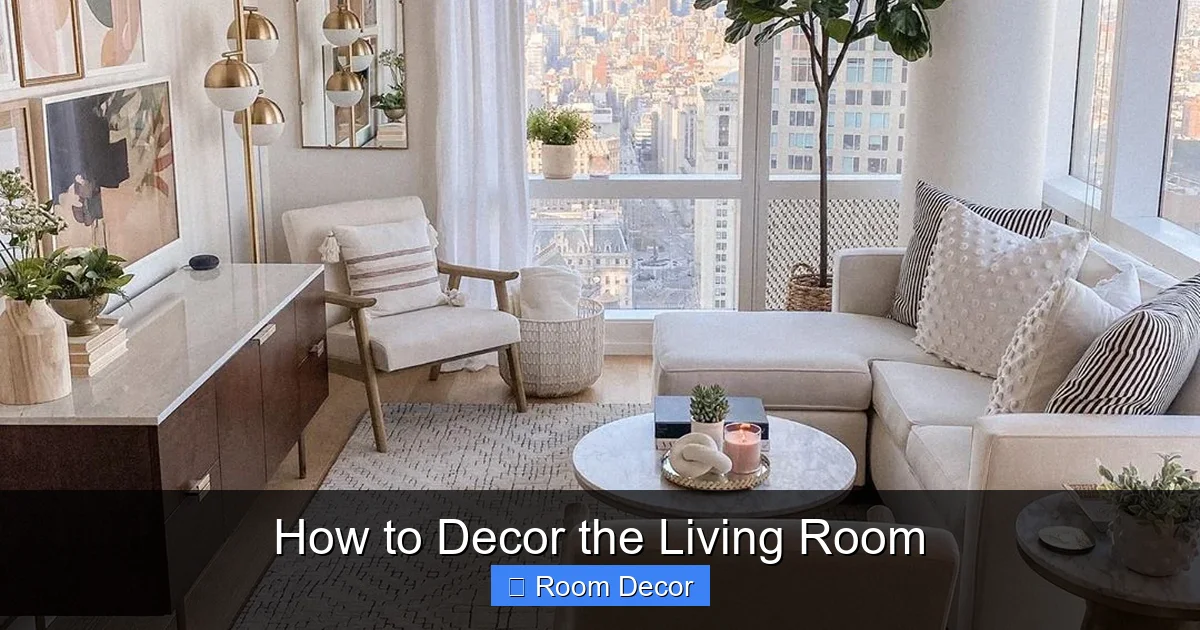
Visual guide about How to Decor the Living Room
Image source: media.theeverygirl.com
Your sofa is likely the largest and most important piece of furniture in your living room. It sets the tone and dictates much of the room’s comfort and style.
The Sofa: The Star of the Show
When choosing a sofa, consider:
- Size: Measure your space and your doorways to ensure it will fit. Consider a sectional if you have a large room and need ample seating, or a loveseat and accent chairs for smaller spaces.
- Style: Does it align with your chosen design aesthetic? A clean-lined modern sofa will look out of place in a traditionally decorated room, and vice versa.
- Comfort: Sit on it! Is it comfortable for you? Consider the depth of the seat, the firmness of the cushions, and the back support.
- Material: Upholstery options range from durable and easy-to-clean fabrics like microfiber and performance polyester to luxurious options like velvet and leather. Consider your lifestyle and whether you have pets or children.
- Color: Neutrals like grey, beige, and cream are versatile and timeless. You can add pops of color with throw pillows and blankets. If you want a statement piece, a bold-colored sofa can be a great option.
Complementary Seating
Add accent chairs or an armchair to complete your seating arrangement. These can introduce different textures, colors, or styles that complement your sofa.
Coffee and Side Tables
These are functional pieces that also contribute to the overall look.
- Function: Do you need storage? A coffee table with drawers can be very useful.
- Material: Wood, glass, metal, and stone are all popular choices.
- Shape: Round tables can soften a room and are great for traffic flow. Rectangular tables often fit better in front of sofas.
Step 4: Select Your Color Palette
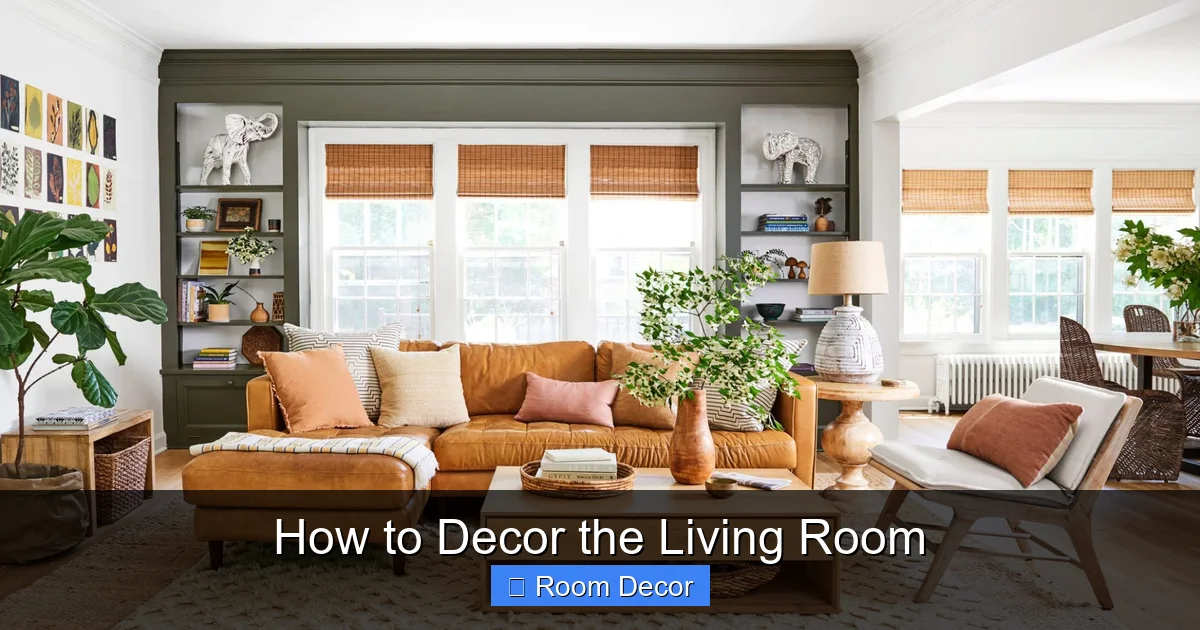
Visual guide about How to Decor the Living Room
Image source: bhg.com
Color has a powerful impact on the mood and atmosphere of a room. Choose a palette that reflects your desired style and feeling.
Start with a Base Color
This is usually the color of your walls. Neutral colors (whites, greys, beiges) are popular for a reason: they provide a versatile backdrop that allows other elements to shine.
Add a Primary Color
This is a color you love and want to see more of. It could be a bolder hue or a deeper shade that adds personality.
Incorporate Accent Colors
These are colors used in smaller doses through accessories like pillows, throws, art, and decorative objects. They add visual interest and can tie the whole palette together.
Consider the 60-30-10 Rule
A popular decorating guideline suggests using 60% of your dominant color (often your walls), 30% of your secondary color (often furniture and larger textiles), and 10% of your accent color.
Test Your Colors
Always paint swatches on your wall and observe them at different times of day and under different lighting conditions before committing to a full paint job.
Step 5: Master the Art of Lighting
Lighting is often an overlooked element, but it’s crucial for creating ambiance, highlighting features, and making your living room functional. Layering different types of lighting is key.
Ambient Lighting: The Base Layer
This provides general illumination for the entire room.
- Ceiling Fixtures: Chandeliers, flush mounts, and track lighting can provide overall light.
- Recessed Lighting: Can offer discreet, even illumination.
Task Lighting: For Specific Activities
This type of lighting is for activities like reading, crafting, or working.
- Floor Lamps: Positioned next to a sofa or armchair for reading.
- Table Lamps: Placed on side tables for general light or reading.
- Desk Lamps: If you have a workspace in your living room.
Accent Lighting: To Highlight and Emphasize
This lighting draws attention to specific features.
- Picture Lights: To illuminate artwork.
- Uplights: Placed at the base of plants or architectural features.
- Wall Sconces: Can highlight artwork or add a decorative touch.
Dimmer Switches
Install dimmer switches on as many lights as possible. This allows you to adjust the brightness and mood of the room throughout the day and evening.
Natural Light
Maximize natural light by keeping windows clear and using sheer or light-colored curtains.
Step 6: Layer in Textiles and Textures
Textiles add warmth, comfort, and visual interest to your living room. Layering different textures makes the space feel more inviting and lived-in.
Rugs: The Foundation of a Zone
A rug can define a seating area, add color and pattern, and make the room feel cozier.
- Size Matters: A rug that is too small can make the room feel disjointed. Ideally, the front legs of your sofa and chairs should sit on the rug.
- Material: Wool, jute, sisal, and synthetic fibers all offer different looks and feels.
- Pattern and Color: Choose a rug that complements your color palette and style.
Curtains and Drapes
These add softness, color, and can control light and privacy.
- Length: Floor-to-ceiling drapes can make windows appear taller and add a sense of luxury.
- Fabric: Lightweight linen, sheer cotton, or heavier velvet can all create different effects.
Throw Pillows and Blankets
These are the easiest way to add pops of color, pattern, and texture. Mix and match different sizes, shapes, and fabrics for an eclectic and inviting look.
Step 7: Add Decorative Accessories and Art
This is where you truly inject your personality into the space. Accessories and art are the finishing touches that make your living room unique.
Artwork: Walls That Speak
Art can be a statement piece or a subtle addition.
- Scale: Consider the size of your walls and furniture when choosing art. A large piece can dominate a wall, while a gallery wall of smaller pieces can fill a larger space.
- Subject Matter: Choose art that you love and that resonates with you. It can be paintings, prints, photographs, or even wall sculptures.
- Placement: Hang art at eye level. The center of the artwork should be about 57-60 inches from the floor.
Mirrors: To Enhance Light and Space
Mirrors can make a room feel larger and brighter by reflecting light.
- Placement: Hang a mirror opposite a window to maximize light reflection, or above a fireplace or console table.
Decorative Objects
Vases, sculptures, candles, books, and trays can add personality and visual interest.
- Groupings: Cluster items in odd numbers (e.g., 3 or 5) for a more pleasing arrangement.
- Balance: Don’t overcrowd surfaces. Leave some empty space.
Plants: Bring the Outdoors In
Plants add life, color, and can improve air quality.
- Variety: Mix different sizes and types of plants.
- Placement: Place larger plants in corners or next to furniture, and smaller plants on tables or shelves.
Troubleshooting Common Decorating Challenges
Even with the best intentions, you might encounter a few hurdles. Here are some common issues and how to solve them.
My Living Room Feels Too Dark
* **Solution:** Maximize natural light. Use lighter paint colors, sheer curtains, and strategically placed mirrors. Add more lamps, especially floor lamps and table lamps, and ensure they are turned on.
My Living Room Feels Cluttered
* **Solution:** Declutter regularly. Use decorative baskets and boxes for storage. Ensure your furniture is proportionate to the room size. Consider removing unnecessary items.
My Living Room Lacks Personality
* **Solution:** Inject more of your personal style. Add artwork that you love, unique decorative objects, and accent colors through pillows and throws. Consider a statement rug or a bold piece of furniture.
My Seating Arrangement Feels Awkward
* **Solution:** Re-evaluate your layout. Try moving furniture away from the walls. Ensure there’s a clear focal point and that seating encourages conversation. Use a rug to visually anchor the seating area.
Conclusion
Decorating your living room is a journey, not a destination. It’s about creating a space that you love and that serves your needs. By following these steps – from defining your style and planning your layout to selecting furniture, mastering lighting, and adding those personal touches – you can create a living room that is both beautiful and functional. Remember to have fun with the process, trust your instincts, and don’t be afraid to experiment. Your living room is your canvas, so paint it with your personality and create a space where you and your loved ones will make cherished memories for years to come.