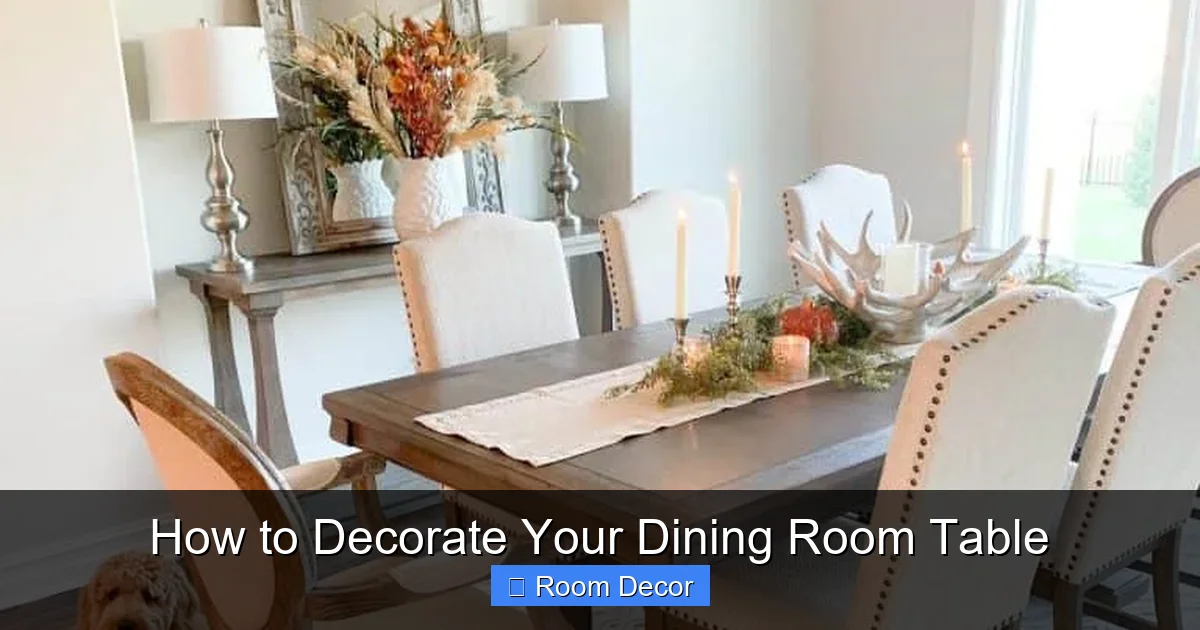
Transform your dining room into a welcoming haven with our expert guide on how to decorate your dining room table. From selecting the perfect centerpiece to layering textures and incorporating seasonal flair, we’ll walk you through every step to create a visually stunning and inviting dining experience. Master the art of table decorating and impress your guests with a beautifully styled table that’s both functional and fashionable.
Are you looking to transform your dining room from ordinary to extraordinary? The dining room table is often the heart of this space, and a well-decorated table can set the mood for everything from casual family meals to elegant dinner parties. Learning how to decorate your dining room table is a rewarding skill that can elevate your home’s ambiance and impress your guests. This comprehensive guide will walk you through everything you need to know, from selecting the perfect centerpiece to layering textures and incorporating seasonal touches. Get ready to create a dining experience that is as beautiful as it is functional!
Key Takeaways
- Start with a Clean Slate: Always begin by clearing your dining table completely to assess its dimensions and create a fresh base for your design.
- Choose a Focal Point: Select a primary centerpiece that anchors your design, whether it’s a floral arrangement, a decorative bowl, or a candle display.
- Layering is Key: Build visual interest and depth by layering elements like placemats, chargers, tablecloths, and runners.
- Consider Scale and Proportion: Ensure your decorations are appropriately sized for your table and the room, avoiding items that are too large or too small.
- Incorporate Texture and Color: Mix and match different textures and colors to create a rich and engaging tablescape that appeals to the senses.
- Seasonal Touches: Adapt your table decor to reflect the current season or upcoming holidays for a fresh and relevant look throughout the year.
- Functionality Matters: Remember that your dining table also needs to be functional for dining; ensure your decorations don’t obstruct conversation or serving.
Understanding the Basics of Dining Table Decor
Before diving into specific decor ideas, it’s important to grasp some fundamental principles. Decorating your dining room table isn’t just about aesthetics; it’s about creating a harmonious and inviting atmosphere. Think about the purpose of your dining table. Is it primarily for everyday family meals, or do you host frequent dinner parties? Your answer will influence the complexity and style of your decorations.
Assessing Your Space
The size and shape of your dining table are crucial considerations. A long, rectangular table might accommodate a runner and multiple smaller decor items, while a round table often benefits from a singular, statement centerpiece. The overall style of your dining room should also guide your choices. If your room is modern and minimalist, overly ornate decorations might feel out of place. Conversely, a more traditional space can handle richer, more elaborate arrangements.
Considering Functionality
It’s easy to get carried away with beautiful decor, but remember that your dining table needs to be functional. Decorations should not obstruct conversation between guests. They should also allow enough space for serving dishes and, of course, plates and cutlery. Aim for a balance between visual appeal and practicality.
Step 1: Start with a Clean Slate
Visual guide about How to Decorate Your Dining Room Table
Image source: clv.h-cdn.co
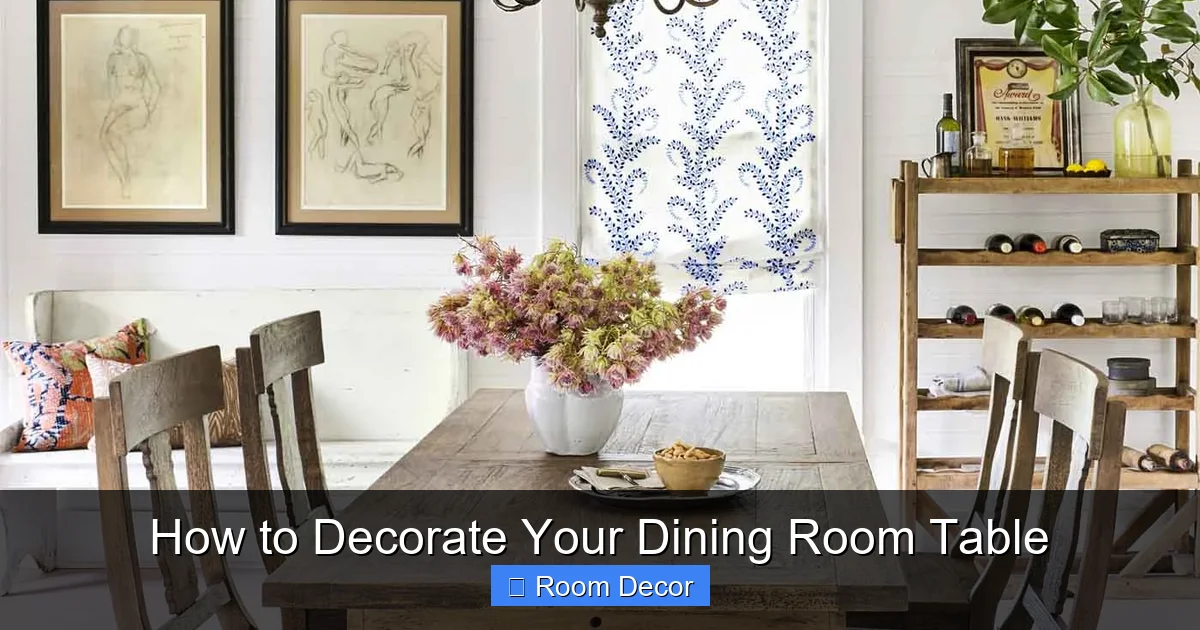
This might seem obvious, but it’s the most important first step. Before you even think about decorations, clear your dining table completely. Remove everything – placemats, coasters, any existing decor, and even crumbs. This gives you a blank canvas and allows you to properly assess the table’s size, shape, and any inherent features you might want to highlight.
Cleaning Your Table
Once cleared, give your dining table a good wipe down. A clean surface makes all the difference. If your table has a beautiful wood grain or a unique finish, this is a good time to appreciate it before you start covering it up with decor.
Step 2: Choose Your Foundation
Visual guide about How to Decorate Your Dining Room Table
Image source: instaloverz.com
This layer provides the base for your table’s decor. You have a few options here, and the choice often depends on your desired style and the formality of the occasion.
Tablecloths
Tablecloths offer a complete transformation. They can introduce color, pattern, and texture to your dining room. For formal occasions, consider a crisp white or ivory linen tablecloth. For more casual settings, a patterned or a richly colored fabric can add personality. Always ensure your tablecloth is clean and ironed for a polished look.
Table Runners
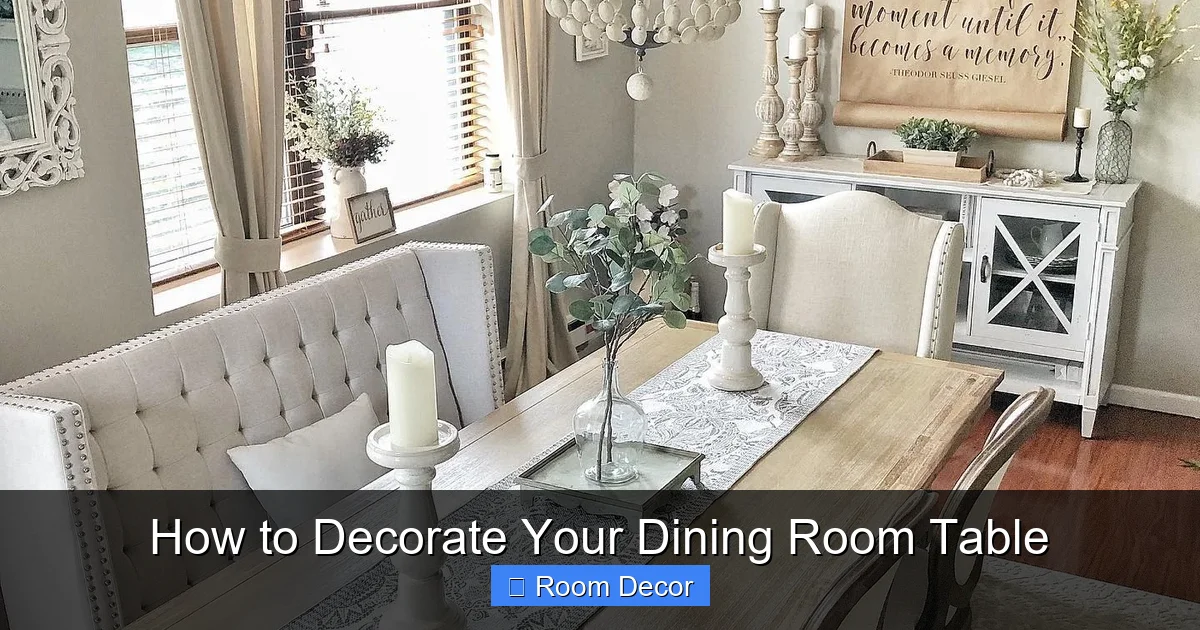
A table runner is a narrower piece of fabric that runs down the center of the table, often lengthwise. It’s a great way to add a touch of elegance without covering the entire table, allowing the table’s material to show through. Runners are particularly effective on rectangular tables. You can layer a runner over a bare table or even over a tablecloth for added visual interest.
Placemats
Placemats define individual dining spaces. They come in a vast array of materials, from woven natural fibers and cork to fabric and vinyl. Placemats add texture and color and help protect your table surface. They can be used on their own, layered over a tablecloth, or layered over a runner.
Step 3: Select Your Centerpiece
Visual guide about How to Decorate Your Dining Room Table
Image source: nextluxury.com
The centerpiece is the star of your dining room table decor. It’s the focal point that draws the eye and sets the overall tone.
Floral Arrangements
Fresh flowers are a classic and elegant choice. The type of flowers, their color, and the vase can dramatically alter the feel. For a formal dinner, consider tall, dramatic arrangements. For a casual brunch, a smaller bouquet of wildflowers or herbs might be more appropriate. Silk flowers are a great low-maintenance alternative.
Candles
Candles add warmth and ambiance. You can use a single large pillar candle, a collection of varying heights, or elegant taper candles in holders. Be mindful of scent, especially if you’re serving food. Strong, perfumed candles can interfere with the aroma of your meal. Opt for unscented or subtly scented candles for dining.
Decorative Bowls and Trays
A beautiful bowl or tray can be filled with a variety of items. Think seasonal fruits, decorative orbs, pinecones, or even small potted plants. A tray is excellent for corralling smaller items and creating a cohesive display.
Sculptural Elements
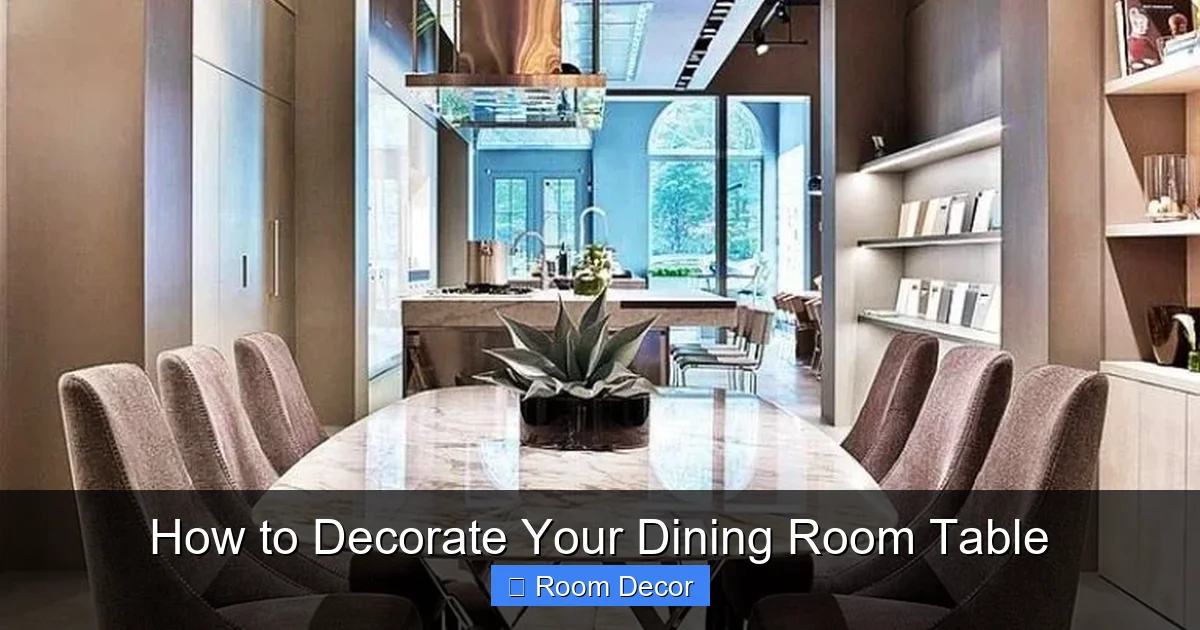
For a modern or artistic touch, consider a sculptural piece. This could be anything from a unique ceramic form to a piece of driftwood.
What to Avoid in a Centerpiece
- Anything too tall: It should not obstruct views across the table.
- Anything too wide: It should not take up excessive space needed for serving.
- Anything that sheds: Avoid decorations that might leave a mess on the table or in food.
Step 4: Layering for Depth and Interest
Layering is the secret to a truly sophisticated table setting. It adds dimension, texture, and a sense of completeness.
Layering Placemats and Chargers
A charger is a decorative base plate that sits underneath the dinner plate. It’s typically larger than a dinner plate and adds a formal touch. You can layer a charger over a placemat, or a placemat over a charger, depending on the materials and your desired look. For example, a woven charger topped with a linen placemat creates a beautiful textural contrast.
Adding Napkins and Rings
Cloth napkins instantly elevate a meal. Fold them neatly or roll them and secure them with a napkin ring. Napkin rings can be simple metal bands, decorative stones, or even small branches for a rustic feel.
Incorporating Smaller Decorative Accents
Once your main elements are in place, you can add smaller decorative accents around your centerpiece or at individual place settings. These could be small vases, decorative stones, scattered greenery, or even a few well-placed seasonal items.
Step 5: Color and Texture Play
The interplay of color and texture is what makes a table visually appealing and inviting.
Color Palette
Consider the existing colors in your dining room. You can either complement them or introduce a contrasting palette. For a cohesive look, repeat colors from your room in your table decor. For a bolder statement, introduce a pop of unexpected color.
Mixing Textures
Don’t be afraid to mix materials. Combine the smoothness of glass with the roughness of wood, the softness of fabric with the coolness of metal. This creates a rich sensory experience. For example, a ceramic vase filled with greenery on a rustic wooden table runner, surrounded by metallic chargers, offers a delightful mix of textures.
Step 6: Incorporating Seasonal Touches
Decorating your dining room table to reflect the seasons or upcoming holidays is a fantastic way to keep your home feeling fresh and festive.
Spring
Think pastels, fresh greens, and floral motifs. Small potted plants, pastel-colored napkins, and delicate floral centerpieces work beautifully. Consider incorporating faux or real branches with buds.
Summer
Embrace bright colors, natural elements, and a light, airy feel. Think sunflowers, citrus fruits, nautical themes, or vibrant tropical flowers. Use light fabrics like linen or cotton.
Autumn
Rich, warm colors like deep reds, oranges, browns, and yellows are perfect. Use elements like pumpkins, gourds, fall leaves (real or faux), pinecones, and warm-toned candles. Textured fabrics like burlap or tweed are also fitting.
Winter
Opt for rich jewel tones, metallics, or a classic white and silver theme. Think evergreen branches, frosted accents, pinecones, cranberries, and elegant candles. For holidays, incorporate festive baubles or ornaments.
Holidays
Tailor your decor to specific holidays. For Christmas, think red, green, gold, and silver with elements like poinsettias, miniature trees, or festive figurines. For Easter, pastels, eggs, and bunnies are ideal.
Step 7: Practical Tips for Beautiful Table Decor
Beyond the core steps, a few practical tips can help you achieve stunning results.
Consider the Lighting
The lighting in your dining room significantly impacts how your decor looks. Dim lighting can create an intimate atmosphere, while bright light showcases details. If you have a chandelier, consider how it interacts with your centerpiece.
Don’t Forget the Details
Small details can make a big difference. Consider individual place settings with coordinating napkins, cutlery, and glassware. Even a small sprig of herb at each place setting can add a thoughtful touch.
Think About the Occasion
A casual weeknight dinner requires a different approach than a formal holiday feast. Adjust the formality, the number of elements, and the overall style to suit the event.
Experiment and Have Fun!
The most important tip is to experiment. Don’t be afraid to try different combinations of items. What looks good to you is what matters most. Table decorating is a creative process, so have fun with it!
Troubleshooting Common Table Decor Dilemmas
Sometimes, even with the best intentions, things don’t quite come together. Here are a few common issues and how to solve them.
My centerpiece looks too small/large for the table.
* Too Small: If your centerpiece feels lost, try adding more elements to it, like a few smaller surrounding decorative items, or group several smaller items together to create a larger visual mass. You can also elevate a smaller centerpiece by placing it on a decorative tray or a riser.
* Too Large: If your centerpiece is overwhelming the table, consider reducing the number of elements or opting for a slimmer, taller design. Ensure it doesn’t protrude too far into the usable space.
The colors aren’t working together.
* **Too Many Colors:** Try to stick to a limited color palette, perhaps 2-3 main colors and one accent color.
* **Clashing Colors:** Look at a color wheel for guidance on complementary or analogous colors. Sometimes, simply removing one element with a jarring color can fix the issue.
The textures feel flat.
* **Solution:** Actively seek out contrasting textures. If everything is smooth, add something rough like a woven placemat or a piece of wood. If everything is matte, add something shiny like a metallic candle holder.
My table looks cluttered.
* **Solution:** Declutter! Remove any unnecessary decorative items. Focus on a few key pieces that have a strong impact. Ensure there’s enough negative space (empty areas) on the table.
Conclusion
Decorating your dining room table is a wonderful way to express your personal style and create a warm, inviting atmosphere for your home. By starting with a clean slate, choosing a foundation, selecting a captivating centerpiece, and layering with intention, you can craft a table setting that is both beautiful and functional. Remember to play with color, texture, and seasonal elements to keep your decor fresh and exciting throughout the year. Most importantly, have fun with the process and enjoy the art of creating a welcoming space for meals and memories. Your dining room table is more than just furniture; it’s a canvas for your creativity.