Ready to transform your living space? This comprehensive guide will walk you through every step of decorating your room. We’ll cover essential planning, choosing a style and color palette, selecting furniture, and adding those perfect finishing touches. Follow our practical advice and discover how to create a room you’ll love.
Are you staring at a blank canvas or a room that feels a little… meh? You’re not alone! Decorating a room can feel overwhelming, but it doesn’t have to be. This guide is here to break down the process into simple, manageable steps. We’ll take you from that initial spark of inspiration to a beautifully decorated space you’ll be proud to call your own. Get ready to learn how to start decorating your room with confidence and ease!
We’ll cover everything you need to know, including:
* Understanding your needs and personal style.
* Creating a vision for your room.
* Choosing the perfect colors.
* Selecting and arranging furniture.
* Adding the final touches that make a room special.
Let’s dive in and make your decorating dreams a reality!
Key Takeaways
- Define your purpose and style: Before buying anything, understand how you’ll use the room and what aesthetic you’re aiming for.
- Create a mood board: Visualizing your ideas with a mood board is crucial for cohesive room decorating.
- Master color theory: Choosing the right color scheme sets the mood and ties your decor together.
- Plan your furniture layout: Smart furniture placement maximizes space and functionality.
- Layer your lighting: Combining ambient, task, and accent lighting creates a warm and inviting atmosphere.
- Accessorize with intention: Decorative items add personality and polish to your room.
- Don’t be afraid to experiment: Decorating is a personal journey; try new things and adjust as needed.
Step 1: Define Your Room’s Purpose and Your Personal Style
Before you even think about paint colors or furniture, take a moment to understand what you need from this room and what you love. This foundational step is key to successful room decorating.
H3: What’s the Room For?
Think about how you’ll actually use the space. Is it a cozy bedroom for sleeping and relaxing? A vibrant living room for entertaining guests? A productive home office? Or perhaps a multi-functional space that serves several purposes?
* Example: If it’s a bedroom, comfort and tranquility are paramount. If it’s a living room, you’ll need seating that accommodates guests and perhaps a focal point like a TV or fireplace.
H3: Discover Your Aesthetic
What kind of vibe do you want your room to have? Don’t worry if you don’t know the official design term. Think about what you like. Do you prefer clean lines and minimalist design, or are you drawn to cozy textures and vintage finds?
* Tip: Browse magazines, Pinterest, Instagram, or even real-life spaces you admire. Save images of rooms that catch your eye. What do they have in common? Is it the color palette, the furniture shapes, the accessories?
Common styles include:
* Modern: Sleek, simple, often with neutral colors and geometric shapes.
* Bohemian (Boho): Eclectic, free-spirited, with lots of patterns, colors, and textures.
* Farmhouse: Cozy, rustic, with natural materials like wood and simple, comfortable furniture.
* Scandinavian: Minimalist, functional, light and airy, with pale colors and natural wood.
* Traditional: Classic, elegant, with rich colors and ornate details.
Knowing your purpose and style will guide every other decision you make.
Step 2: Create a Mood Board or Vision Board
Visual guide about How to Start Decorating Room
Image source: blesserhouse.com
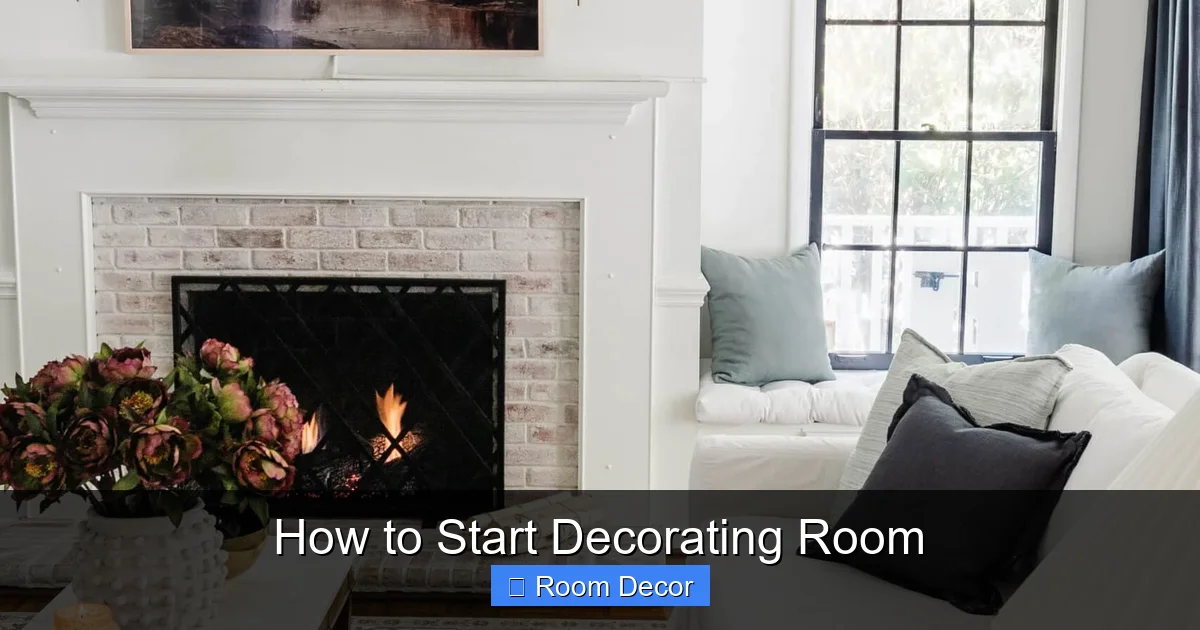
Once you have a general idea of your room’s purpose and style, it’s time to bring your ideas together visually. A mood board is your secret weapon for cohesive room decorating.
H3: What is a Mood Board?
A mood board is a collection of images, color swatches, fabric samples, and even words that represent the overall look and feel you want for your room. It helps you see how different elements will work together.
H3: How to Make One
You can create a mood board digitally using tools like Pinterest, Canva, or even just a simple slideshow. Or, you can go old-school and make a physical board.
* Digital Mood Board:
* Start a new board on Pinterest and pin images of rooms, furniture, colors, textures, and accessories that you love.
* Use Canva to create a collage of images and text.
* Physical Mood Board:
* Get a large piece of poster board or corkboard.
* Cut out pictures from magazines, print images from online, grab paint chips, fabric scraps, and anything else that inspires you.
* Arrange and glue or pin everything onto your board.
H3: What to Include
Your mood board should ideally include:
* **Inspirational Room Images:** Pictures of rooms that capture your desired style.
* **Color Palette:** Swatches of your main colors, accent colors, and neutrals.
* **Furniture Styles:** Images of furniture pieces you’re considering.
* **Material and Texture Samples:** Pictures or actual samples of wood finishes, fabrics (like velvet, linen, or wool), metals, etc.
* **Key Accessories:** Ideas for lighting, rugs, artwork, or decorative objects.
Looking at your mood board regularly will help you stay focused and ensure your decorating choices align with your initial vision.
Step 3: Choose Your Color Palette
Visual guide about How to Start Decorating Room
Image source: greenwithdecor.com
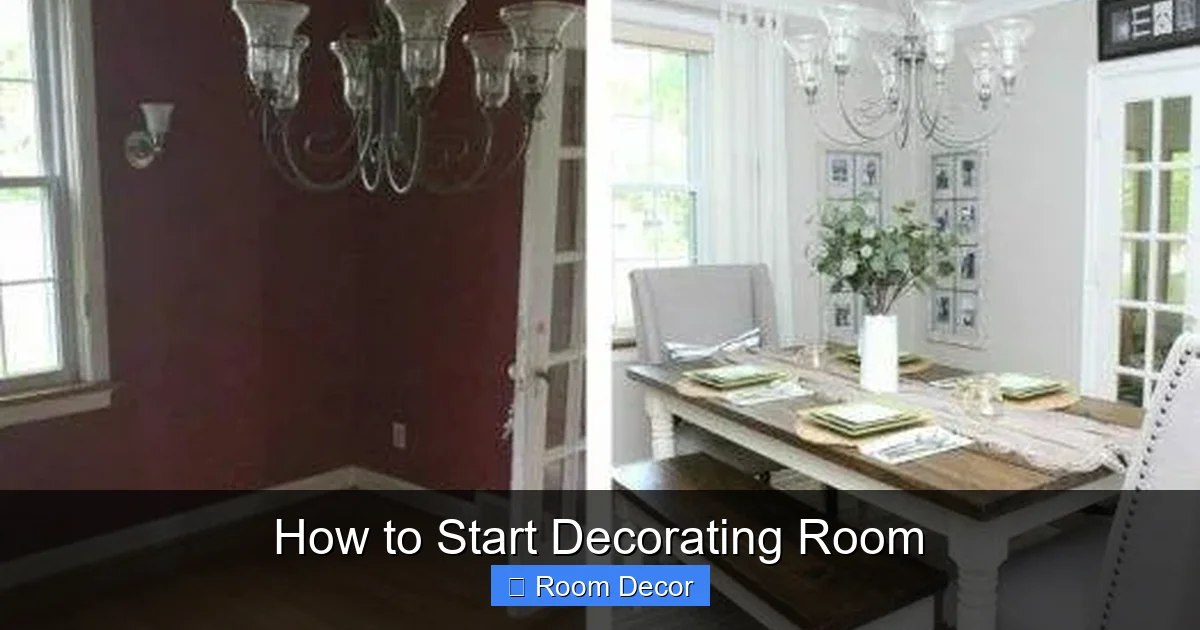
Color is one of the most powerful tools in room decorating. It sets the mood, influences how a space feels, and can make a room appear larger or cozier.
H3: Understanding Color Theory Basics
* Primary Colors: Red, yellow, blue (cannot be made by mixing other colors).
* Secondary Colors: Green, orange, purple (made by mixing two primary colors).
* **Tertiary Colors:** Made by mixing a primary and a secondary color.
* Complementary Colors: Colors opposite each other on the color wheel (e.g., blue and orange). They create high contrast and can be very energetic.
* Analogous Colors: Colors next to each other on the color wheel (e.g., blue, blue-green, green). They create a harmonious and calming effect.
* Monochromatic: Using variations of a single color.
H3: Selecting Your Main Colors
For most rooms, a good starting point is a three-color palette:
1. Dominant Color: This will be the main color, often used on walls or large furniture pieces.
2. Secondary Color: This color complements the dominant color and is used for accents and other significant elements.
3. Accent Color: A bolder or brighter color used sparingly in small doses to add pops of interest.
* Tip: Think about the mood you want to create.
* **Calm and Serene:** Blues, greens, soft grays, and muted earth tones.
* **Energizing and Vibrant:** Oranges, reds, yellows, or bold blues and greens.
* **Sophisticated and Cozy:** Deep jewel tones like emerald, sapphire, or amethyst, paired with neutrals.
H3: The 60-30-10 Rule
A helpful guideline for applying your color palette is the 60-30-10 rule:
* **60% Dominant Color:** Walls, large rugs, sofas.
* **30% Secondary Color:** Curtains, accent chairs, smaller furniture pieces.
* **10% Accent Color:** Throw pillows, artwork, decorative objects, lamps.
This rule ensures a balanced and pleasing color distribution. Don’t forget to include neutrals like white, beige, gray, or black to give your eyes a place to rest and to prevent the space from feeling too overwhelming.
Step 4: Plan Your Furniture Layout
Furniture is the backbone of any room. The right pieces, arranged effectively, can transform a space from awkward to inviting.
H3: Measure, Measure, Measure!
This is crucial! Before you buy any furniture, measure your room dimensions precisely. Also, measure doorways, stairwells, and hallways to ensure furniture can actually get into the room!
H3: Consider Traffic Flow
Think about how people will move through the room. You need clear pathways between furniture pieces and to doors. Avoid placing furniture in a way that blocks natural walkways.
* **Example:** In a living room, ensure there’s enough space between the sofa and coffee table for easy access. In a bedroom, leave ample space around the bed for walking and making it.
H3: Identify Focal Points
What do you want people to notice first when they enter the room? This could be a fireplace, a large window with a view, a piece of artwork, or even a statement furniture piece. Arrange other furniture to complement this focal point.
* **Tip:** If you don’t have a natural focal point, create one! A large piece of art, a bold accent wall, or a striking lamp can serve this purpose.
H3: Furniture Arrangement Ideas
* **Living Room:** Create conversation areas. Arrange sofas and chairs so people can easily talk to each other without shouting. A common layout is to place the sofa opposite or perpendicular to the fireplace or TV, with accent chairs flanking it.
* Bedroom: The bed is usually the focal point. Place it against the most prominent wall. Ensure there’s enough space on either side for nightstands and easy access.
* Dining Room: The dining table and chairs are central. Ensure there’s enough space around the table to pull out chairs comfortably (about 3 feet is recommended).
H3: Use Painter’s Tape or Online Tools
Before committing to expensive furniture, use painter’s tape on your floor to outline the dimensions of potential pieces. This gives you a realistic sense of scale and how furniture will fit. Alternatively, use free online room planner tools or apps to experiment with different layouts digitally.
Step 5: Layer Your Lighting
Good lighting can make or break a room. It affects the mood, functionality, and overall ambiance. Don’t rely on a single overhead light; aim for layered lighting.
H3: Types of Lighting
There are three main types of lighting:
1. Ambient Lighting: This is the general, overall illumination of a room. Think ceiling lights, chandeliers, or large floor lamps.
2. Task Lighting: This provides focused light for specific activities, such as reading, cooking, or working. Examples include desk lamps, pendant lights over a kitchen island, or reading lamps next to a sofa.
3. Accent Lighting: This highlights specific features or objects, like artwork, architectural details, or plants. Think spotlighting or picture lights.
H3: Strategizing Your Lighting
* **Assess Natural Light:** How much natural light does your room get? Maximize it with sheer curtains or by keeping windows uncluttered.
* **Plan for Each Zone:** Consider what activities happen in different parts of the room and plan lighting accordingly.
* **Dimmer Switches are Your Friends:** Install dimmer switches wherever possible. They allow you to adjust the intensity of light and change the mood from bright and functional to soft and cozy.
* **Consider the Bulb:** The color temperature of your bulbs matters. Warm white bulbs (around 2700K) create a cozy atmosphere, while cool white bulbs (4000K+) are more energizing and better for task lighting.
* Tip: Aim to have at least three light sources in most rooms to create depth and warmth.
Step 6: Select and Layer Textiles
Textiles are where you add softness, texture, and personality to your room. They include rugs, curtains, throw pillows, blankets, and upholstery.
H3: Rugs: The Foundation
A rug can define a space, add warmth, and introduce color and pattern.
* **Size Matters:** Ensure your rug is appropriately sized for the room. In a living room, it should be large enough for the front legs of your main furniture pieces (sofa, chairs) to rest on it. In a dining room, it should extend at least 24-30 inches beyond the table on all sides so chairs can be pulled out without falling off.
* **Material and Texture:** Consider durability and comfort. Wool is durable and soft, jute adds a natural texture, and synthetic fibers can be very budget-friendly and stain-resistant.
H3: Curtains: Dressing Your Windows
Curtains add color, pattern, privacy, and insulation.
* **Hang Them High and Wide:** For a more luxurious and spacious feel, hang curtain rods several inches above the window frame and extend them beyond the sides of the window. This makes windows appear larger.
* **Choose Fabric Wisely:** Sheer curtains let in light, while heavier fabrics offer more privacy and insulation. Consider the room’s purpose and your needs.
H3: Throw Pillows and Blankets: The Cozy Factor
These are the easiest and most affordable way to add color, pattern, and texture.
* **Mix and Match:** Don’t be afraid to combine different sizes, textures, and patterns for your throw pillows. Stick to your color palette for cohesion.
* **Layer for Comfort:** A soft throw blanket draped over a sofa or chair adds instant coziness and visual appeal.
Step 7: Accessorize with Intention
Accessories are the finishing touches that truly make a room feel like yours. They add personality, tell a story, and tie everything together.
H3: Artwork and Wall Decor
* **Gallery Walls:** A collection of smaller pieces can create a dynamic display.
* **Statement Pieces:** One large piece of art can become a focal point.
* **Mirrors:** They reflect light and can make a room feel larger and brighter.
* **Shelving:** Display books, photos, plants, and decorative objects.
H3: Decorative Objects
* **Vases:** Can be filled with flowers or displayed on their own.
* **Candles:** Add ambiance and fragrance.
* **Sculptures or Figurines:** Personal touches that reflect your interests.
* **Trays:** Useful for organizing smaller items on coffee tables or dressers.
H3: Plants: Bringing Life In
Greenery adds a touch of nature, improves air quality, and brings vibrancy to any space. Choose plants that suit the light conditions in your room.
H3: The Rule of Threes
When arranging decorative items, grouping them in odd numbers, especially threes, is often more visually appealing. Arrange three objects at varying heights and depths for an attractive vignette.
* **Tip:** Don’t over-accessorize. Too many items can make a room feel cluttered. Choose pieces you love and that have meaning to you.
Troubleshooting Common Decorating Challenges
* **My room feels too small:** Use lighter colors on walls and furniture, mirrors to reflect light, and ensure furniture is scaled appropriately. Avoid bulky furniture.
* **My room feels cold and uninviting:** Add warm textiles like plush rugs, throw blankets, and velvet pillows. Incorporate warm lighting (yellow-toned bulbs) and wood accents.
* **I’m not sure if my colors work together:** Refer back to your mood board. If in doubt, stick to a more neutral palette with pops of color from accessories.
* **My furniture feels awkward:** Re-evaluate your layout. Sometimes a small adjustment can make a big difference in traffic flow and conversation areas.
Conclusion
Decorating your room is a journey, not a race. By following these steps – from defining your purpose and style, creating a mood board, choosing colors, planning furniture, layering lighting, and adding textiles and accessories – you can confidently transform any space. Remember to trust your instincts, have fun with the process, and don’t be afraid to experiment. Your home should be a reflection of you, so make it a place you absolutely love spending time in. Happy decorating!