
Feeling cramped in your small room? This guide provides actionable strategies to make your compact space feel larger, more organized, and incredibly stylish. Learn how to maximize light, choose the right furniture, and use clever storage solutions to create a room that feels expansive and inviting, proving that small can be mighty and beautiful.
Welcome, fellow dwellers of cozy corners and compact sanctuaries! Are you ready to unlock the potential of your small room? It’s easy to feel overwhelmed when your living space is on the smaller side. You might think you’re stuck with a cramped, uninspiring area. But I’m here to tell you that’s not true! With a little creativity and some smart decorating tricks, you can transform even the tiniest room into a stylish, functional, and inviting haven.
In this comprehensive guide, we’ll dive deep into the art of small room decorating. You’ll learn how to make your space feel bigger, brighter, and more organized than you ever thought possible. We’ll cover everything from choosing the right paint colors and furniture to mastering the magic of mirrors and clever storage. Get ready to embrace your small room and make it your favorite place to be!
- Embrace Light & Bright Colors: Lighter paint colors and strategic lighting can visually expand a small room, making it feel airy and open.
- Maximize Vertical Space: Utilize walls for storage and decor with shelves, tall bookcases, and hanging plants to draw the eye upward and free up floor space.
- Choose Multi-functional Furniture: Invest in pieces like sofa beds, ottomans with storage, and nesting tables that serve multiple purposes to save space.
- Declutter Ruthlessly: A tidy room instantly feels larger. Implement smart storage solutions and regularly purge items you don’t need or use.
- Create Zones with Furniture & Rugs: Visually divide your room into distinct areas for sleeping, working, or relaxing to add depth and purpose.
- Use Mirrors Strategically: Mirrors reflect light and create an illusion of depth, making a small room appear significantly more spacious.
1. Understand Your Space: The Foundation of Small Room Decor
Before you even think about buying a new cushion or paint color, take a moment to really look at your room. What are its challenges? What are its strengths? Understanding your space is the crucial first step.
Assess the Layout
Walk around your room. Where are the windows? Where are the doors? What’s the natural light situation? Identify the fixed elements like radiators or built-in shelving. Understanding how you naturally move through the space will help you plan your furniture placement effectively.
Identify Your Needs
What is the primary function of this room? Is it a bedroom, a living area, a home office, or a combination? List out the activities you perform there. This will help you prioritize furniture and storage needs and ensure the space serves its purpose efficiently.
Measure Everything
This is non-negotiable for small rooms! Grab a tape measure and meticulously measure the dimensions of your room, including the height. Also, measure any existing furniture you plan to keep. Knowing exact measurements will prevent costly mistakes and ensure everything fits perfectly.
2. Lighten Up: The Power of Color and Light
Light is your best friend when decorating a small room. The more light you have, and the lighter your color palette, the more expansive your room will feel.
Choose Light and Airy Paint Colors
Think whites, creams, soft grays, pastels, and pale blues or greens. These colors reflect light, making walls appear to recede and the room feel larger and more open. Avoid dark, heavy colors that can absorb light and make the space feel smaller.

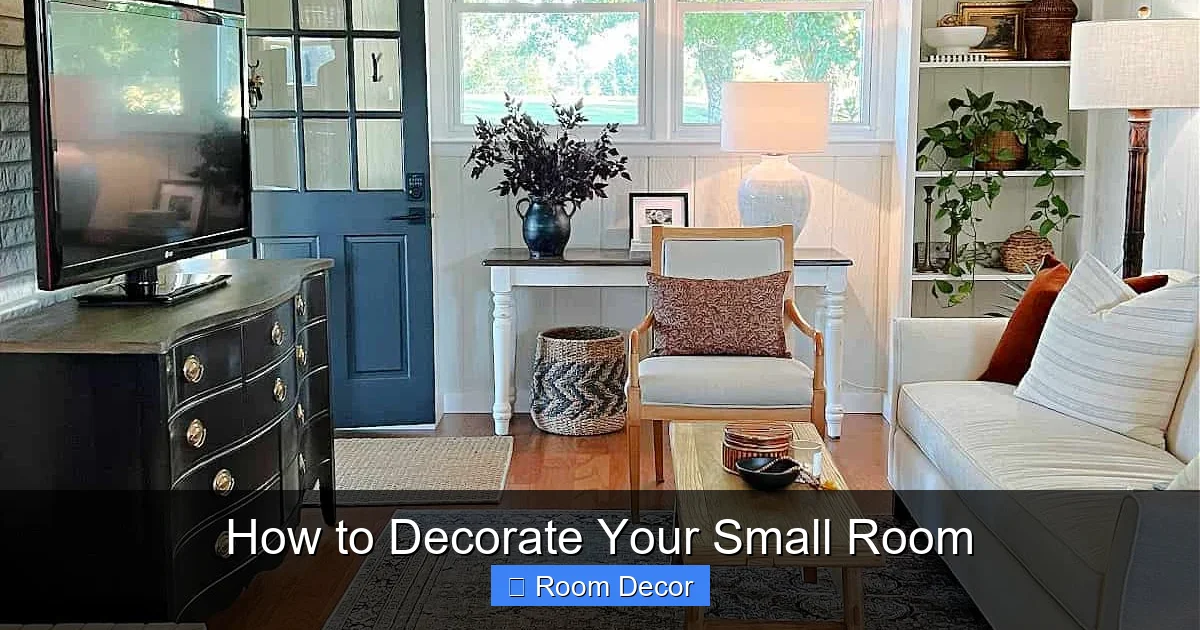
Visual guide about How to Decorate Your Small Room
Image source: homebnc.com
Pro Tip: Consider painting the ceiling a lighter shade than the walls, or even a bright white, to create a sense of height and airiness.
Maximize Natural Light
Keep window treatments minimal and light. Opt for sheer curtains, blinds, or shutters that allow maximum natural light to enter. Avoid heavy drapes that can block light and make the room feel closed off.
Strategic Artificial Lighting
Don’t rely on a single overhead light. Layer your lighting to create ambiance and eliminate dark corners. Use a combination of:
- Ambient lighting: General illumination from ceiling fixtures or floor lamps.
- Task lighting: Focused light for specific activities like reading (e.g., a bedside lamp or desk lamp).
- Accent lighting: To highlight artwork or architectural features.
Wall sconces and floor lamps are excellent choices as they don’t take up precious surface space on tables or shelves.
3. Furniture Finesse: Smart Choices for Small Spaces
The furniture you choose can make or break a small room. It’s all about selecting pieces that are appropriately sized, multi-functional, and visually light.
Scale is Key
Resist the urge to fill a small room with oversized, bulky furniture. Opt for pieces that are proportionate to the room’s size. Look for furniture with slender legs that allows light to pass underneath, creating a sense of openness.

Visual guide about How to Decorate Your Small Room
Image source: cdn.apartmenttherapy.info
Embrace Multi-functional Furniture
This is where small room decorating truly shines. Invest in pieces that can serve more than one purpose:
- Sofa beds/Daybeds: Perfect for guest rooms or studios that double as living areas.
- Ottomans with storage: Provide extra seating, a footrest, and hidden storage for blankets, books, or remotes.
- Nesting tables: Offer flexible surface area when needed and can be tucked away to save space.
- Desks with built-in shelving: Combine your workspace with storage solutions.
Think Vertically with Furniture
Tall, narrow furniture can draw the eye upward and make the room feel taller. Consider a tall bookshelf, a narrow wardrobe, or even floating shelves to maximize wall space without encroaching on the floor.
Leggy Furniture for an Airy Feel
Furniture with visible legs – sofas, chairs, tables – creates a sense of airiness. It allows light and air to flow underneath, making the room feel less cluttered and more open. Avoid pieces that sit directly on the floor.
Floating Furniture
Wall-mounted shelves, desks, or even bedside tables can free up valuable floor space and create a minimalist, uncluttered look. They give the illusion of more room by keeping the floor clear.
4. Storage Solutions: Conquer the Clutter
Clutter is the enemy of a small room. Effective storage is not just about hiding things away; it’s about creating a streamlined and organized environment that makes your room feel larger.
Go Vertical with Storage
As mentioned, walls are prime real estate in a small room. Install floating shelves, wall-mounted cabinets, or tall, narrow bookcases. Utilize the space above doorways or windows for decorative storage.
Visual guide about How to Decorate Your Small Room
Image source: chatfieldcourt.com
Under-Bed Storage
Invest in a bed frame with built-in drawers or use under-bed storage containers. This is a fantastic place to store seasonal clothing, extra linens, or shoes.
Hidden Storage Solutions
Opt for furniture that offers discreet storage, like a storage ottoman, a coffee table with drawers, or a bed with a lift-up mattress. Baskets and decorative boxes can also conceal clutter on open shelves.
Behind-the-Door Storage
Over-the-door organizers are perfect for shoes, toiletries, cleaning supplies, or even accessories. They’re an easy and inexpensive way to add significant storage without taking up any floor space.
Declutter Regularly
The best storage solution is often to have less stuff. Make it a habit to regularly declutter and donate items you no longer need or use. A minimalist approach will make any room feel more spacious.
5. The Magic of Mirrors: Creating Illusions of Space
Mirrors are a small room’s secret weapon. They are incredibly effective at reflecting light and creating the illusion of depth, making your room feel twice as big.
Strategic Placement
The most effective way to use mirrors is to place them opposite a window. This will reflect the natural light and the view outside, essentially doubling the light and sense of space in the room.
Large Statement Mirrors
Don’t be afraid to go big with a mirror. A large floor mirror or a generously sized wall mirror can have a dramatic impact, making the room feel more expansive.
Mirrored Furniture
While it can be a bolder choice, mirrored furniture pieces, like a small dresser or side table, can add a touch of glamour and help bounce light around the room.
Gallery Wall of Mirrors
A collection of smaller mirrors arranged together can also create a visually interesting focal point and distribute light throughout the space.
6. Decorating for Depth: Tricks to Make Your Room Feel Bigger
Beyond color and furniture, several decorating techniques can add perceived depth and spaciousness to your room.
Create Zones with Rugs and Furniture
Even in a small room, you can define different areas for living, sleeping, or working. Use rugs to delineate these zones. For example, a rug under your bed anchors your sleeping area, while another in a corner can define a reading nook.
Use Vertical Lines
Vertical stripes on wallpaper, tall curtains hung from ceiling to floor, or vertical paneling can draw the eye upward, making the ceiling appear higher and the room feel more spacious.
Keep Decor Minimal and Intentional
Too much clutter, even decorative items, can make a small room feel overwhelming. Choose a few impactful pieces of art or decor rather than many small trinkets. Each item should have a purpose or bring you joy.
Floating Shelves for Display
Instead of bulky bookcases, opt for floating shelves to display your favorite books, plants, and decorative items. This keeps the floor clear and creates a lighter feel.
Consider Transparent or Lucite Furniture
Pieces made of glass or clear acrylic can be almost invisible, making them ideal for small spaces. They don’t visually block the room, contributing to an open and airy feel.
7. Window Treatments: Let the Light In
What you do with your windows can significantly impact how spacious your room feels.
Lightweight and Airy Fabrics
Choose sheer curtains, linen blinds, or light-colored Roman shades. These allow natural light to filter in while still providing a touch of privacy.
Hang Curtains High and Wide
To make your windows appear larger and your ceilings higher, hang your curtain rod several inches above the window frame, extending it beyond the frame on each side. This creates an illusion of greater height and width.
Avoid Heavy, Dark Drapes
These absorb light and can make a small room feel dim and closed off. If you need blackout capabilities, consider layering sheer curtains with a functional blackout blind behind them.
Troubleshooting Common Small Room Decorating Challenges
You might encounter a few hiccups along the way. Here are some common issues and how to tackle them:
My room still feels dark even with light colors.
Solution: Assess your lighting. Are there enough light sources? Are bulbs bright enough? Consider adding more lamps, perhaps a floor lamp or a table lamp in a dim corner. Ensure there are no large furniture pieces blocking natural light sources.
I have too much stuff and nowhere to put it.
Solution: It’s time for a serious decluttering session. Then, focus on maximizing every inch of storage. Look for multi-functional furniture and utilize wall space with shelves and organizers. Baskets and bins are your best friends for corralling smaller items.
My furniture looks too big for the room.
Solution: If you can, consider swapping out oversized pieces for more appropriately scaled ones. If not, try to create visual breathing room around them. Use mirrors to reflect light and make the space feel larger. Furniture with legs that shows the floor beneath will also help.
I want to have guests but my room is too small.
Solution: Invest in a good quality sofa bed or a comfortable futon. Utilize ottomans with storage for extra seating and blankets. A foldable table can be a lifesaver for dining or working.
Conclusion: Embrace Your Small Space!
Decorating a small room isn’t about compromise; it’s about smart, intentional choices. By understanding your space, leveraging light, selecting multi-functional furniture, mastering storage, and using clever visual tricks, you can transform any compact area into a beautiful, functional, and comfortable retreat.
Remember, a small room can be incredibly charming and cozy. It’s an opportunity to be creative and make every inch count. So, go forth and decorate with confidence! You’ve got this. Your small room is waiting to be discovered as your personal sanctuary.