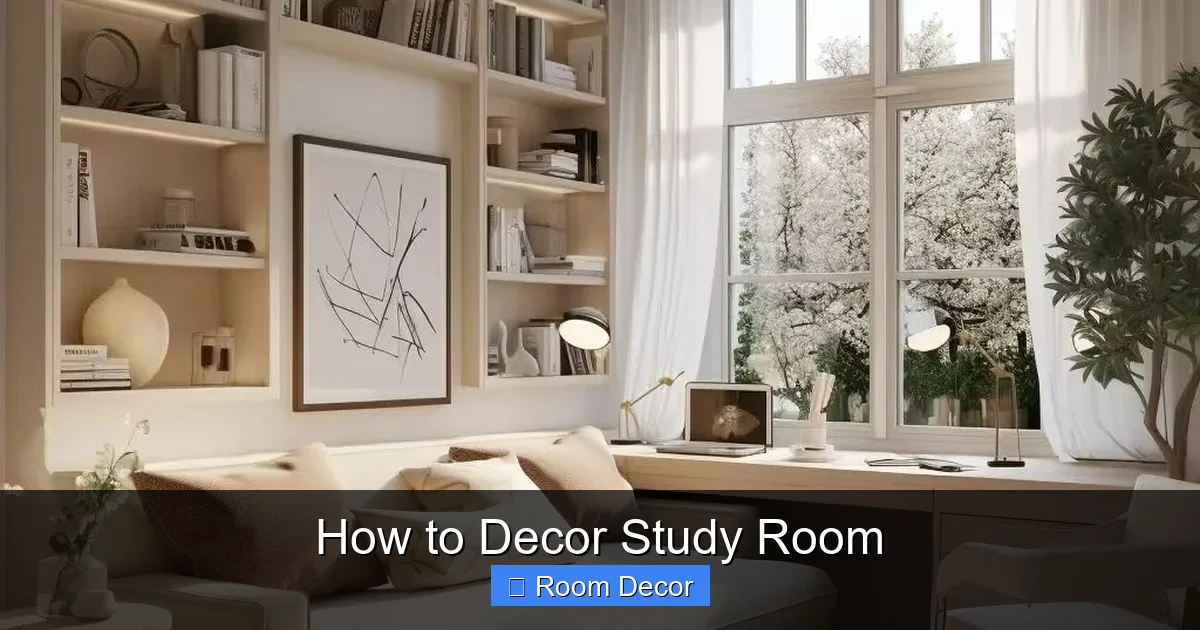
This guide provides a comprehensive approach to decor your study room, transforming it into a space that fosters focus and inspiration. Learn to optimize layout, choose the right furniture, and inject personality with thoughtful decor elements. From foundational setup to finishing touches, discover how to create a functional and aesthetically pleasing study environment that supports your academic and professional goals.
Are you tired of a cluttered, uninspiring study room that drains your motivation? Do you dream of a space that sparks your intellect and makes studying a pleasure, not a chore? If so, you’ve come to the right place. Decorating your study room is more than just aesthetics; it’s about creating an environment that supports your focus, enhances your productivity, and fosters your well-being.
This comprehensive guide will walk you through every step of how to decor your study room, from planning the perfect layout to adding those final, inspiring touches. We’ll cover everything from choosing the right furniture and lighting to selecting colors and incorporating personal elements that make your space truly your own. Get ready to transform your study area into a haven for learning and achievement.
Key Takeaways
- Define Your Purpose: Understand the primary function of your study room to guide all decor decisions, whether it’s for intense focus, creative brainstorming, or relaxed reading.
- Optimize Layout and Flow: Arrange furniture strategically to maximize natural light, minimize distractions, and create an ergonomic workspace for comfort and efficiency.
- Invest in Ergonomic Furniture: Select a comfortable desk and chair that promote good posture and support long study sessions, preventing physical strain.
- Strategic Lighting is Key: Layer lighting with ambient, task, and accent options to create a well-lit and inviting atmosphere that reduces eye strain and enhances mood.
- Color Psychology Matters: Utilize color palettes that promote focus, creativity, or calm, choosing hues that positively impact your mental state during study.
- Personalize with Meaningful Decor: Incorporate elements that inspire and motivate you, such as art, plants, or personal mementos, making the space uniquely yours.
- Declutter and Organize Ruthlessly: Maintain a tidy space with effective storage solutions to minimize distractions and keep your focus sharp.
1. Understand Your Study Room’s Purpose
Before you even think about paint colors or furniture styles, take a moment to define what you’ll primarily be using your study room for. This is the most crucial first step in how to decor your study room effectively. Is it a place for intense academic work, creative writing, online classes, or a blend of everything? Your purpose will dictate the functionality and style of the room.
H3: Primary Activities
Think about the specific tasks you’ll perform. Do you need a large surface for spreading out books and papers? Do you require a quiet zone for deep concentration? Or is it more of a brainstorming hub where inspiration can strike?
H3: Target User
Are you decorating for yourself, a child, or a teenager? The needs and preferences of the user will heavily influence design choices. A child’s study room might prioritize bright colors and fun storage, while an adult’s might lean towards a more sophisticated and calming palette.
H3: Desired Atmosphere
What kind of mood do you want to cultivate? Some people thrive in energetic, vibrant spaces, while others need a serene, minimalist environment to focus. Your desired atmosphere will guide your choices in color, lighting, and decor.
2. Plan Your Layout and Flow
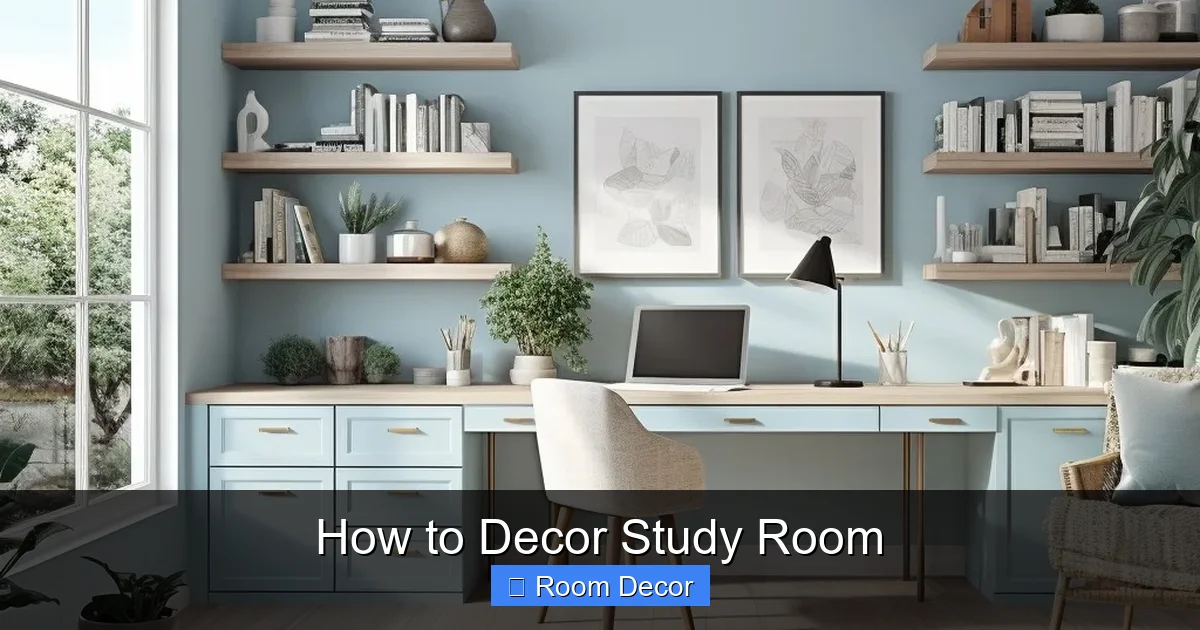
Visual guide about How to Decor Study Room
Image source: cms.interiorcompany.com
A well-planned layout is the backbone of a functional study room. It ensures that your space is not only beautiful but also practical and efficient. Good flow means you can move around easily and access what you need without feeling cramped or distracted.
H3: Assess Your Space
Measure your room carefully. Note the location of windows, doors, electrical outlets, and any architectural features. This information is vital for placing furniture strategically.
H3: Position Your Desk
The desk is the heart of your study room. Ideally, position it to take advantage of natural light without glare on your screen. Facing a window can be inspiring, but if you’re easily distracted by the view, consider placing your desk facing a wall. Ensure you have enough space behind your chair to move freely.
* Tip: Avoid placing your desk directly facing the door if possible, as this can feel confrontational and less secure.
* Example: If you have a small room, a corner desk can maximize usable space. For larger rooms, a floating desk in the center can create a commanding focal point.
H3: Create Zones
Even in a small room, you can create distinct zones for different activities. A reading nook with a comfortable armchair, a dedicated area for computer work, and a storage zone can all contribute to a more organized and functional space.
H3: Optimize for Natural Light
Natural light is excellent for focus and mood. Position your desk to maximize its benefits. If direct sunlight is too intense, use sheer curtains or blinds to diffuse the light.
3. Choose Ergonomic and Functional Furniture
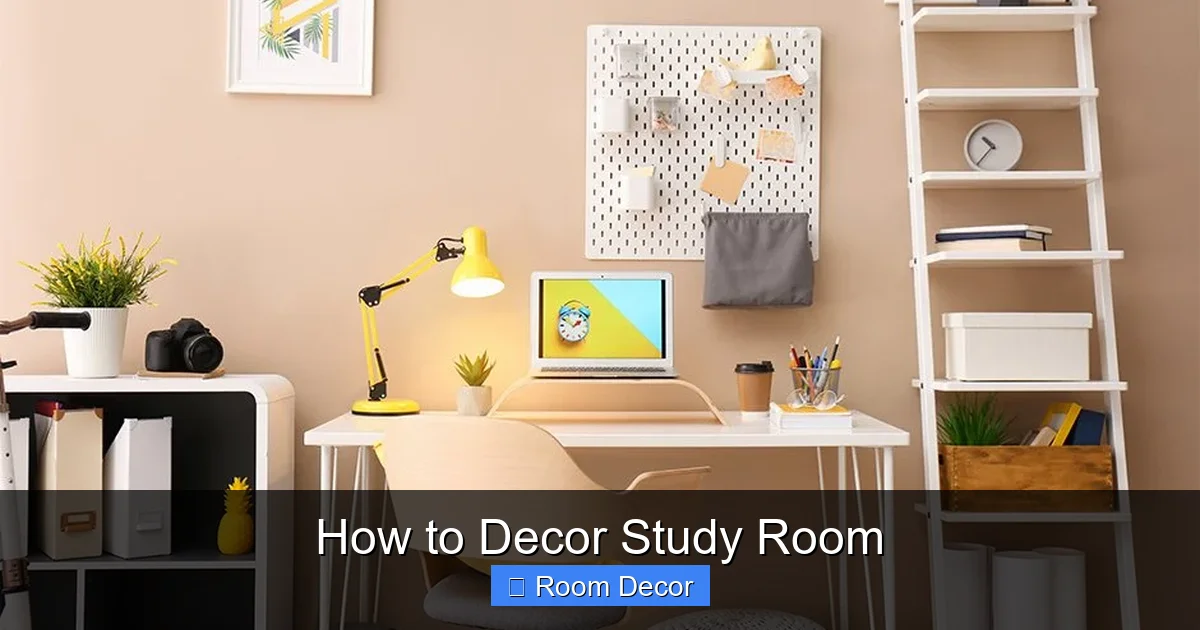
Visual guide about How to Decor Study Room
Image source: media.designcafe.com
Comfort is paramount when spending extended periods studying. Investing in good quality, ergonomic furniture will not only make your study sessions more comfortable but also prevent long-term physical issues.
H3: The Desk
Choose a desk that offers sufficient surface area for your needs. Consider the height – your elbows should be at a 90-degree angle when typing. Storage options on or around the desk are a bonus for keeping essentials close at hand.
* Options: Standing desks are great for those who like to switch between sitting and standing. A simple writing desk can suffice if you have ample shelving.
* Example: A desk with built-in drawers keeps stationery organized. A minimalist floating desk can open up floor space.
H3: The Chair
This is arguably the most important piece of furniture. Invest in an ergonomic chair that offers good lumbar support, adjustable height, and armrests. Your feet should rest flat on the floor, and your knees should be at about a 90-degree angle.
* Tip: Try out chairs in person if possible. What’s comfortable for one person might not be for another.
* Consider: A footrest can improve posture and comfort if your feet don’t reach the floor comfortably.
H3: Storage Solutions
Clutter is the enemy of focus. Implement smart storage solutions to keep your study room tidy.
* Shelving: Bookshelves, floating shelves, or wall-mounted units are excellent for storing books, binders, and decorative items.
* Drawers and Cabinets: Keep smaller items like pens, notebooks, and important documents organized and out of sight.
* Desk Organizers: Utilize desk caddies, pen holders, and trays to keep your immediate workspace clear.
* Example: A filing cabinet can keep important papers neat. Open shelving can display inspiring books and decor.
4. Master the Art of Lighting
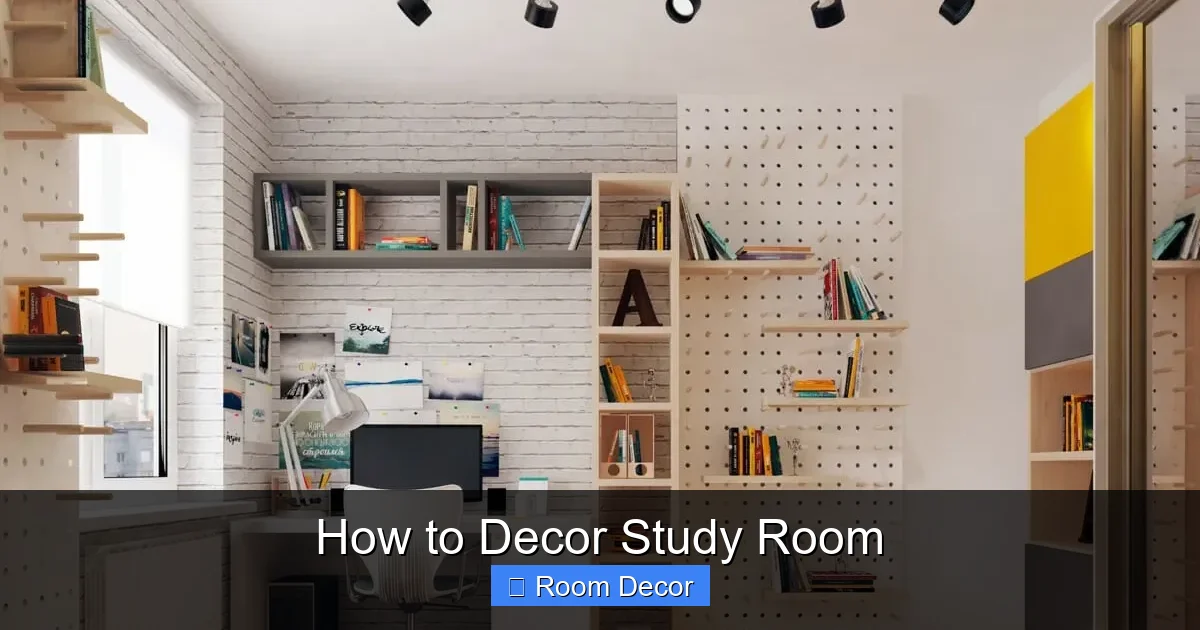
Visual guide about How to Decor Study Room
Image source: cdn.decorilla.com
Lighting plays a critical role in the mood, functionality, and overall appeal of your study room. A well-lit space reduces eye strain and enhances concentration. It’s about more than just one overhead light.
H3: Ambient Lighting
This is your general room lighting. A ceiling fixture, floor lamps, or wall sconces can provide a soft, even glow. Choose bulbs with a color temperature that’s neither too harsh nor too dim – a neutral white (around 3500-4000K) is often ideal for study.
H3: Task Lighting
This is focused light for specific activities, most importantly, your desk. A desk lamp is essential. Position it so it illuminates your work without creating glare on your computer screen. Adjustable lamps are very versatile.
* Tip: Consider the direction of light. If you’re right-handed, position the lamp to the left of your workspace to avoid shadows.
* Example: A sleek, adjustable desk lamp provides focused light. A small accent lamp on a shelf can add a cozy touch.
H3: Accent Lighting
This type of lighting is used to highlight specific features, such as artwork or plants. Small spotlights, LED strips, or even decorative fairy lights can add depth and character to your study room.
H3: Natural Light Integration
As mentioned before, maximize natural light. If your study room has limited windows, consider using mirrors to reflect light and make the space feel brighter and larger.
5. Harness the Power of Color
The colors you choose for your study room can significantly impact your mood, energy levels, and ability to focus. Color psychology is a powerful tool when you’re deciding how to decor your study room.
H3: Calming and Focused Colors
Blues and greens are often recommended for study rooms. These colors are known to promote calmness, serenity, and concentration. Think soft blues, muted greens, or even earthy tones.
* Example: A light blue accent wall can promote a sense of tranquility. Sage green shelves can add a natural, grounding feel.
H3: Energizing and Creative Colors
If you need a boost of creativity or energy, consider warmer tones in moderation. Yellow can stimulate creativity and optimism, while orange can foster enthusiasm. Use these as accent colors rather than for the entire room, as too much can be overstimulating.
* Tip: Pair vibrant accent colors with neutral base tones to maintain balance.
* Consider: A bright yellow desk chair can add a pop of personality. Orange decorative pillows can inject warmth.
H3: Neutral Backdrops
Whites, grays, and beiges provide a clean, sophisticated canvas that allows your decor and study materials to stand out. They are also excellent for minimizing visual distractions.
* Example: A light gray wall provides a modern, neutral base. Off-white furniture can keep the space feeling airy.
H3: Balancing Colors
The key is balance. Use a primary color for the walls, a secondary color for furniture or larger decor items, and an accent color for smaller accessories. This creates a harmonious and visually appealing space.
6. Personalize with Inspiring Decor
This is where you infuse your personality and make your study room a place you genuinely want to spend time in. Personal touches transform a generic space into a source of motivation and comfort.
H3: Artwork and Wall Decor
Choose artwork that inspires you, whether it’s abstract pieces, motivational quotes, or landscapes. A vision board can be a fantastic addition to keep your goals front and center.
* Tip: Mix and match frames for an eclectic look, or go for a cohesive gallery wall.
* Example: Framed photographs of loved ones can add warmth. A large motivational poster can serve as a daily reminder of your aspirations.
H3: Plants and Natural Elements
Plants bring life, color, and a sense of calm to any room. They can also improve air quality. Choose low-maintenance plants if you don’t have a green thumb.
* Consider: A small desk plant, a larger floor plant, or even a hanging planter can add a natural touch.
* Example: A snake plant is hardy and air-purifying. A small succulent on your desk adds a touch of green without taking up much space.
H3: Personal Mementos and Collections
Display items that hold meaning for you – travel souvenirs, cherished books, or pieces from your hobbies. These items make the space feel authentic and personal.
H3: Textures and Soft Furnishings
Introduce comfort and visual interest with soft furnishings. A cozy rug under your desk, comfortable cushions on your chair, or a warm throw can make the space more inviting.
* Example: A textured rug can define the study area. A soft throw can add a layer of warmth for chilly evenings.
7. Declutter and Organize Ruthlessly
A clean and organized study room is essential for a clear mind. Dedicate time to decluttering regularly and establishing systems that keep your space tidy.
H3: Regular Purges
Set aside time each week or month to go through your study materials. Discard what you no longer need, file papers, and return items to their designated places.
H3: Smart Storage Systems
As mentioned earlier, invest in good storage. Label drawers and bins so you can find what you need quickly. Vertical storage is your friend, especially in smaller spaces.
* Tip: “A place for everything, and everything in its place” is a mantra to live by.
* Example: Magazine holders can keep papers neat on shelves. Stackable bins can maximize cabinet space.
H3: Cable Management
Tangled cords can create visual clutter and be a tripping hazard. Use cable ties, clips, or sleeves to keep your electronic cords neat and out of sight.
Troubleshooting Common Study Room Decor Challenges
Sometimes, even with the best intentions, you might encounter some hurdles. Here are a few common issues and how to address them:
H3: Small Space Limitations
* Problem: Feeling cramped and limited in your decor options.
* Solution: Utilize vertical space with wall shelves and tall bookcases. Opt for multi-functional furniture like a desk with built-in storage or an ottoman that doubles as storage. Use mirrors to create an illusion of space. Light colors on walls and furniture can also make a small room feel larger.
H3: Distractions Galore
* Problem: The room is too visually stimulating, or there are too many external noise sources.
* Solution: Minimize visual clutter by keeping surfaces clear and using closed storage. Use soft, calming colors. If noise is an issue, consider a room rug to absorb sound, noise-canceling headphones, or rearranging furniture to buffer noise. Position your desk away from high-traffic areas or windows if they are a source of distraction.
H3: Lack of Inspiration
* Problem: The room feels sterile and uninspiring, making it hard to get motivated.
* Solution: Inject personality! Add inspiring artwork, motivational quotes, plants, and personal mementos. Ensure your lighting is inviting and comfortable. Consider a pop of a vibrant color in a small accessory. Sometimes, a simple rearrangement of items can make a big difference.
Conclusion
Decorating your study room is an investment in your productivity, focus, and overall well-being. By following these steps, you can create a space that is not only aesthetically pleasing but also highly functional and conducive to your learning and work goals. Remember that the best study room is one that feels right for *you*. Experiment, personalize, and enjoy the process of transforming your study area into a productive sanctuary. Happy decorating!