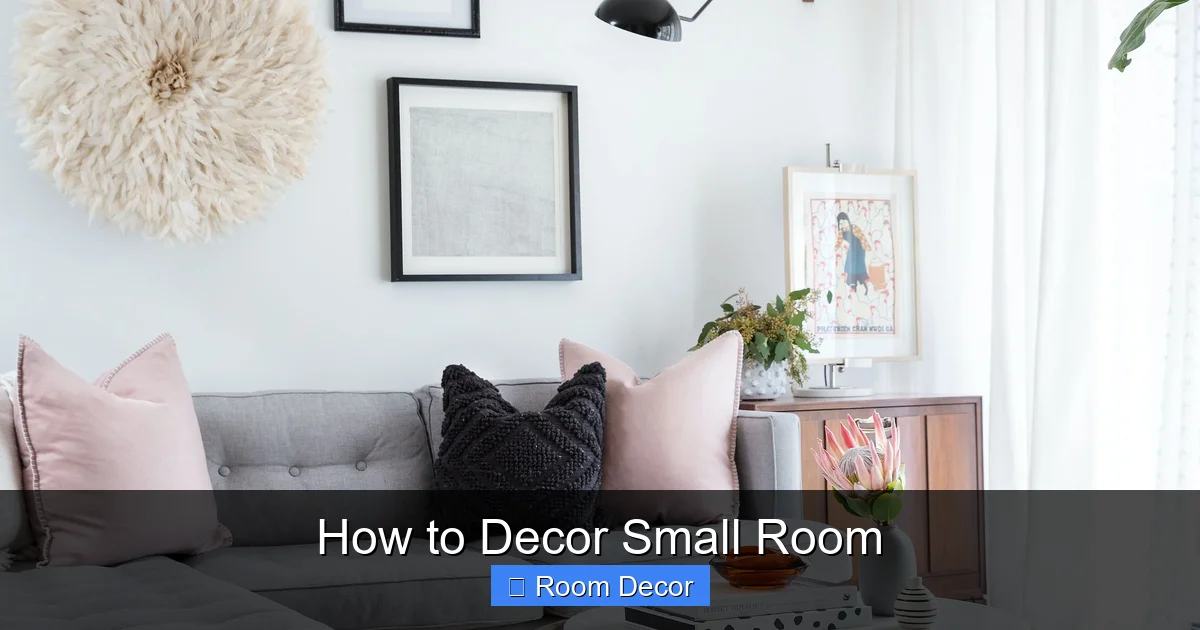
Decorating a small room can be a challenge, but with the right strategies, you can transform any compact space into a stylish and functional haven. This guide provides expert advice on maximizing every inch, from clever furniture choices to strategic color palettes and lighting. Discover how to create the illusion of more space and make your small room feel intentionally designed and comfortably expansive.
How to Decor Small Room
Are you living in a cozy apartment, a compact studio, or perhaps just a room that feels a little tight? Don’t let a small footprint cramp your style or your comfort! Decorating a small room is an art form, and with the right techniques, you can transform even the tiniest of spaces into a stylish, functional, and surprisingly spacious-feeling retreat. Forget feeling boxed in; this guide will equip you with the knowledge and inspiration to make your small room feel intentionally designed and beautifully expansive.
In this comprehensive guide, you’ll learn how to:
- Choose furniture that works with your space, not against it.
- Master the art of color and light to create an illusion of more room.
- Utilize vertical space like a pro.
- Implement smart storage solutions to keep clutter at bay.
- And much more!
Let’s dive in and discover how to make your small room shine!
- Smart Furniture Selection: Opt for multi-functional, appropriately scaled, and visually lightweight furniture to avoid overwhelming the space.
- Strategic Color Palette: Light and neutral colors create a sense of openness, while pops of color can add personality without making the room feel cramped.
- Vertical Space Utilization: Draw the eye upward with tall furniture, wall-mounted shelves, and vertical artwork to create an illusion of height and spaciousness.
- Effective Lighting: Layer lighting – ambient, task, and accent – to brighten the room and create depth, making it feel larger and more inviting.
- Declutter Ruthlessly: A tidy space instantly feels bigger. Implement smart storage solutions to keep essentials organized and out of sight.
- Mirror Magic: Strategically placed mirrors can reflect light and views, effectively doubling the perceived size of a small room.
- Flow and Layout: Plan your room’s layout carefully to ensure easy movement and avoid blocking natural pathways.
1. Master the Art of Furniture Selection
When it comes to decorating a small room, furniture is your most crucial tool. Choosing the right pieces can make or break the feel of your space. The goal is to select items that are functional, proportionate, and visually light.
Scale is Everything
This is perhaps the most important rule. Oversized, bulky furniture will swallow up your small room, making it feel even more cramped. Think about the dimensions of your room and choose furniture that fits comfortably without leaving you feeling like you’re navigating an obstacle course. A huge sectional sofa might look great in a magazine, but it’s likely not the best fit for a compact living area. Instead, consider a loveseat or a streamlined sofa with slender arms. The same principle applies to tables, chairs, and beds.
Embrace Multi-Functional Furniture
In a small room, every piece of furniture should ideally serve more than one purpose. This is where clever design really pays off. Consider:
- Ottomans with Storage: These can serve as a footrest, extra seating, and a place to stash blankets, books, or remotes.
- Sofa Beds or Futons: Perfect for guest rooms or studios, they provide seating during the day and a comfortable sleeping space at night.
- Nesting Tables: These can be pulled out when you need extra surface area and neatly tucked away when not in use.
- Wall-Mounted Desks: These free up floor space and can be folded up when not needed.
- Beds with Built-in Storage: Drawers or lift-up mechanisms under the mattress can be a lifesaver for storing linens, seasonal clothing, or extra bedding.
Choose Visually Lightweight Furniture
Visual weight is about how heavy a piece of furniture appears. Furniture with exposed legs, glass tops, or slim frames tends to look lighter and less imposing. This creates a sense of airiness and prevents the room from feeling too closed off. For example, a coffee table with thin metal legs and a glass top will feel much less substantial than a solid wood, blocky table. Similarly, a bed frame with an open design is preferable to one with a solid, heavy headboard and footboard.
Consider Round Shapes
Sharp corners can sometimes create visual clutter and make a room feel more confined. Introducing round elements, like a round dining table, an ottoman, or even a circular rug, can help soften the edges of the room and create a more fluid, open feel.
2. Harness the Power of Color and Light
Color and light are your secret weapons in making a small room feel larger. They can trick the eye, create depth, and set the mood.
Light and Neutral Color Palettes
It’s a well-known decorating trick: light colors make a space feel bigger. Whites, creams, pale grays, soft blues, and muted greens are your best friends. These colors reflect light, creating a sense of openness and airiness. Painting your walls, ceiling, and even the trim in similar light shades can create a seamless look that expands the perceived boundaries of the room.
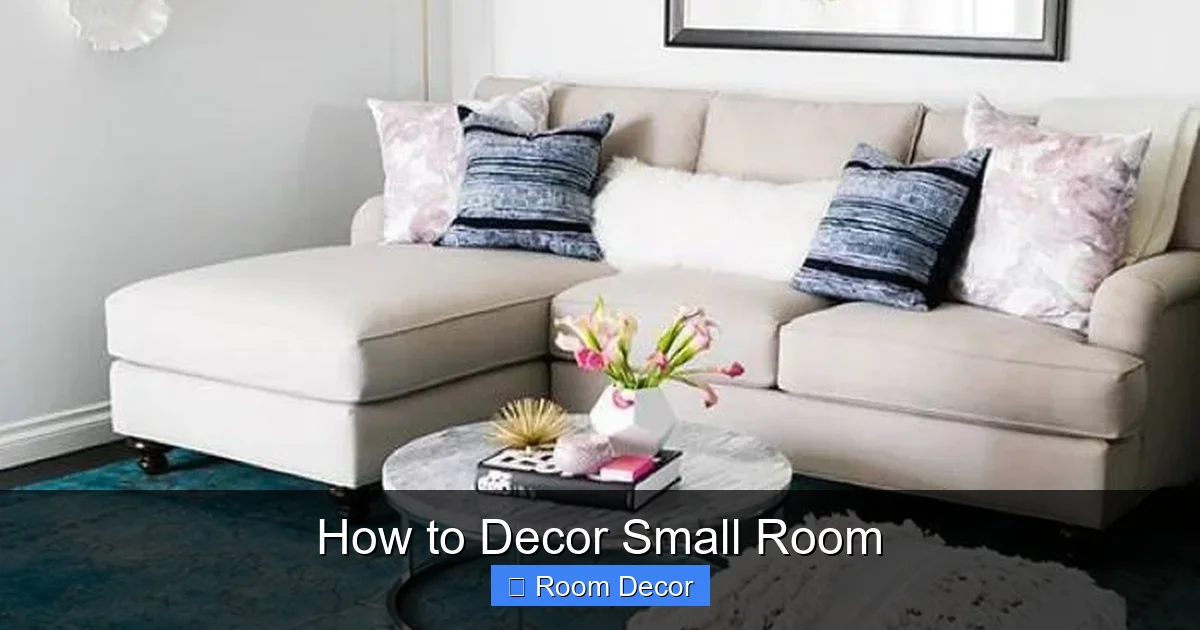
Visual guide about How to Decor Small Room
Image source: homelovr.com
Tip: Don’t be afraid of white! It’s not sterile when used thoughtfully. Consider different shades of white, from cool, crisp whites to warmer, creamy ivories, to find the perfect hue for your space.
Strategic Use of Accent Colors
While light colors are key, an entirely monochrome room can feel a bit bland. Inject personality with pops of color! This can be achieved through accent walls (though be mindful not to make them too dark or busy), throw pillows, artwork, rugs, or decorative accessories. Keep these accents controlled and intentional, rather than scattered randomly, to avoid creating visual chaos.
Maximize Natural Light
Natural light is the ultimate space-expander. Keep windows unobstructed by heavy drapery. Opt for sheer curtains, blinds that can be easily raised, or even no window coverings at all if privacy isn’t an issue. Keep the area around your windows clear of clutter and bulky furniture.
Layer Your Lighting
Artificial lighting plays a crucial role in making a small room feel welcoming and spacious. Relying on a single overhead light can create harsh shadows and make the room feel flat. Instead, layer your lighting:
- Ambient Lighting: This is the general illumination of the room, often provided by ceiling fixtures or floor lamps.
- Task Lighting: This is focused light for specific activities, like reading lamps next to a chair or desk lamps.
- Accent Lighting: This highlights specific features, such as artwork or architectural details, adding depth and interest.
Strategically placed lamps, wall sconces, and even string lights can add warmth and dimension to your small space.
3. Utilize Vertical Space
When you can’t spread out, you go up! Maximizing vertical space is a game-changer for small rooms. It draws the eye upward, creating a sense of height and making the room feel more expansive.
Tall, Slim Furniture
Instead of wide, low bookcases or cabinets, opt for tall, slender units. These draw the eye upwards and provide ample storage without taking up too much floor space. Think tall bookcases, étagères, or even floor-to-ceiling wardrobes.
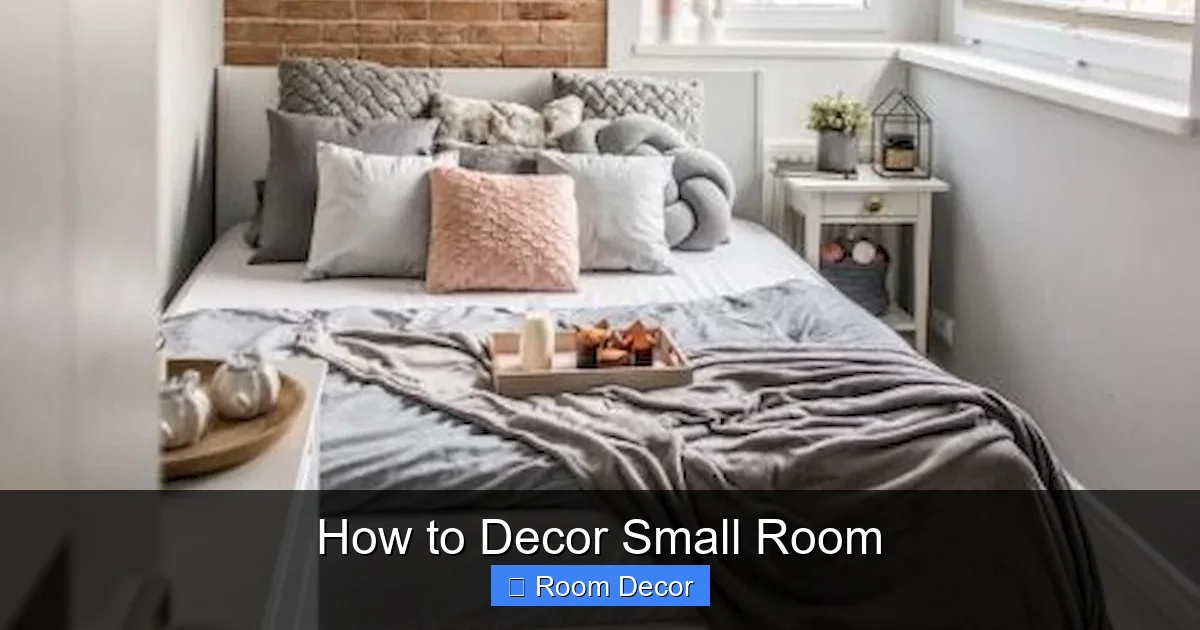
Visual guide about How to Decor Small Room
Image source: i.pinimg.com
Wall-Mounted Shelving
Floating shelves are incredibly versatile. They can be used to display books, decorative items, plants, or even store everyday essentials. They create storage without the visual bulk of traditional shelving units. You can arrange them in creative patterns to add visual interest.
Hanging Plants and Artwork
Bring greenery and art into your room without sacrificing valuable surface area. Hanging plants can add a touch of nature and draw the eye upward. Similarly, hanging artwork strategically on your walls can add personality and create focal points that make the room feel larger and more dynamic.
High-Hung Curtains
Hang your curtains as close to the ceiling as possible, and let them extend all the way to the floor. This creates the illusion of higher ceilings and makes your windows appear larger. This simple trick can significantly impact the perceived height of a room.
4. Declutter and Organize Ruthlessly
This might sound obvious, but it’s the most effective strategy for making any room feel bigger. Clutter is the enemy of small spaces. A tidy room instantly feels more open, calm, and intentional.
The “One In, One Out” Rule
For every new item you bring into your home, try to remove something similar. This helps prevent clutter from accumulating in the first place.
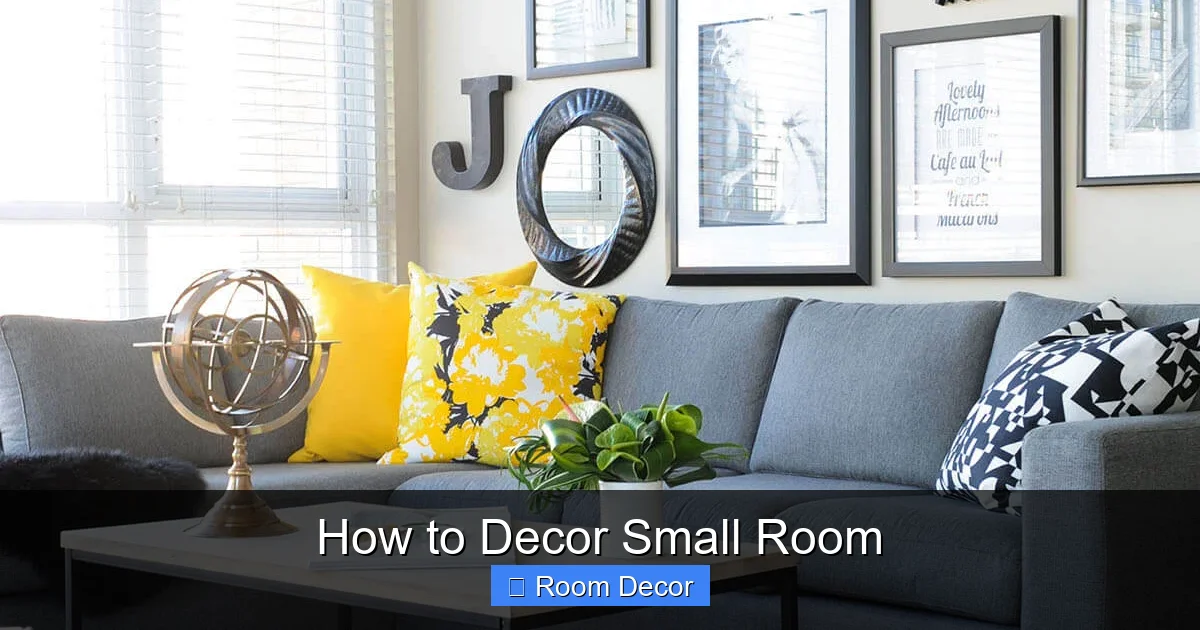
Visual guide about How to Decor Small Room
Image source: homebnc.com
Smart Storage Solutions
Invest in smart storage that works for your specific needs:
- Baskets and Bins: These are excellent for corralling smaller items on shelves or in closets.
- Drawer Organizers: Keep drawers tidy and maximize their capacity.
- Under-Bed Storage: Use bins or drawers to store items you don’t need daily.
- Over-the-Door Organizers: Utilize the back of doors for shoes, accessories, or cleaning supplies.
- Built-in Storage: If possible, consider built-in shelving or cabinetry for a seamless look.
Regular Purges
Schedule regular decluttering sessions. Go through your belongings and ask yourself if you truly need, use, or love each item. Donate, sell, or discard anything that no longer serves you.
5. The Magic of Mirrors
Mirrors are powerful tools in interior design, especially for small spaces. They reflect light and create the illusion of depth, effectively making a room feel twice its size.
Strategic Placement
The key is placement. Position a large mirror opposite a window to reflect natural light and the view outside. This will instantly brighten the room and create a sense of spaciousness. Placing a mirror behind a lamp can also amplify its light, making the room feel more illuminated.
Consider Mirror Types
You’re not limited to traditional framed mirrors. Consider mirrored furniture, a mirrored backsplash in a small kitchen, or even a collection of smaller mirrors arranged artfully on a wall. Mirrored closet doors can also be a functional and stylish choice.
6. Create a Sense of Flow and Layout
Even with the perfect furniture and color choices, a poorly planned layout can make a small room feel cramped. Think about how you move through the space.
Define Zones
In a multi-functional small room (like a studio apartment), use furniture placement and rugs to subtly define different zones – a living area, a sleeping area, a dining area. This creates order and makes the space feel more organized and intentional.
Keep Pathways Clear
Ensure there are clear pathways to move around furniture easily. Avoid placing large pieces of furniture directly in the main traffic flow. This promotes a sense of openness and makes the room feel less cluttered.
Consider Furniture Arrangement
Instead of pushing all furniture against the walls, experiment with slightly pulling pieces away from the walls. This can actually create a sense of depth and make the room feel larger. For instance, floating a sofa a few inches away from the wall can make the space feel more dynamic.
7. Illusionary Tricks and Details
Beyond the big furniture and color choices, smaller details can also play a significant role in making your small room feel more spacious.
Stripes
Stripes can be your friend. Horizontal stripes can make a room feel wider, while vertical stripes can make it feel taller. Consider this for rugs, accent walls, or even bedding.
Transparent Materials
Furniture made from transparent materials like acrylic or glass can virtually disappear, making the room feel less cluttered. Think acrylic chairs, a glass-top desk, or even a translucent lampshade.
Minimalist Decor
Resist the urge to over-decorate. A few well-chosen, impactful decorative items are far more effective than a multitude of small knick-knacks. Choose pieces you truly love and that contribute to the overall aesthetic.
Wall-Mounted Everything
From TVs to nightstands, consider wall-mounting as much as possible. This frees up floor space and creates a cleaner, more streamlined look.
Troubleshooting Common Small Room Decorating Issues
Even with the best intentions, you might encounter challenges. Here are a few common problems and how to solve them:
Problem: The room still feels dark and dingy.
Solution: Re-evaluate your lighting. Add more lamps, perhaps in corners that are often overlooked. Ensure your light bulbs are the correct color temperature (cooler tones can make a room feel brighter). Clean your windows thoroughly. Consider a lighter-colored rug to brighten the floor.
Problem: The room feels cluttered despite my efforts to organize.
Solution: You may need to be even more ruthless with decluttering. Every item in a small room needs a home. Consider investing in smarter storage solutions that are hidden from view, like ottomans with storage or under-bed bins. Regularly review your possessions.
Problem: Furniture feels too large or clunky.
Solution: If you’ve already purchased the furniture, try to arrange it to create more open space. Can any pieces be swapped for smaller alternatives? Consider furniture with exposed legs, which appear less bulky. Opt for lighter-colored upholstery if possible.
Problem: There’s no personality in the room.
Solution: Small spaces are perfect for making a big impact with personality. Introduce art, throw pillows in bold patterns or colors, unique decorative objects, or even a statement rug. Ensure these accents are well-chosen and don’t overwhelm the space.
Conclusion
Decorating a small room isn’t about limitation; it’s about creativity and smart design. By focusing on proportionate furniture, a well-chosen color palette, effective lighting, and smart organization, you can transform any compact space into a stylish, comfortable, and inviting sanctuary. Remember to embrace vertical space, use mirrors to your advantage, and always prioritize a clear flow. With these strategies, you’ll discover that small spaces can indeed feel grand and offer a wealth of design possibilities. So, go ahead, get creative, and make your small room the best it can be!