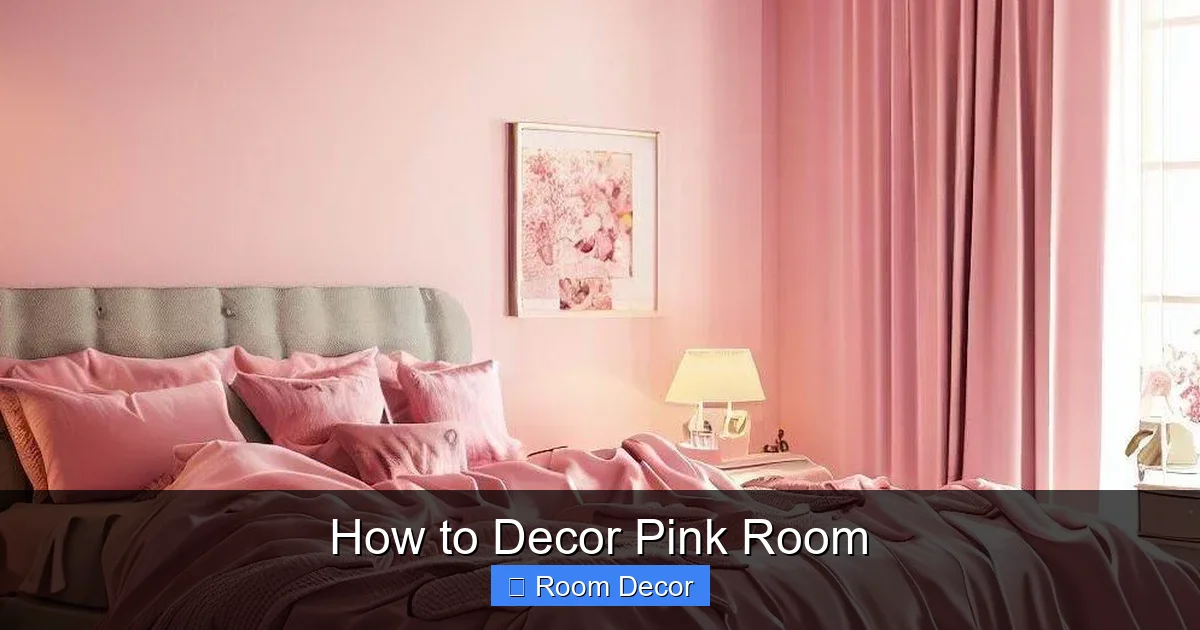
This guide helps you transform any room into a beautiful pink haven. Learn to select the perfect pink hues, strategically place furniture, and add charming accents. With our step-by-step advice, you can effortlessly create a personalized and stylish pink space that reflects your unique taste, making your room a true reflection of your personality.
How to Decor Pink Room
So, you’re ready to embrace the charm and versatility of pink in your home! Perhaps you’re drawn to its soft, romantic undertones or its playful, energetic spirit. Whatever your motivation, decorating a pink room can be an incredibly rewarding and stylish endeavor. Pink, often misunderstood as simply a “girly” color, is actually a sophisticated hue that can bring warmth, joy, and a touch of whimsy to any space. From subtle blush accents to bold statement walls, this guide will walk you through everything you need to know to create a beautifully decorated pink room that you’ll love.
This comprehensive how-to guide will equip you with the knowledge and inspiration to design a stunning pink room. We’ll cover how to choose the perfect shade of pink, select complementary colors and textures, strategically place furniture, and use accessories to bring your vision to life. Get ready to transform your space into a pink paradise!
- Understand Pink’s Versatility: Pink isn’t just one color; it spans a spectrum from soft pastels to bold fuchsias, allowing for diverse design approaches.
- Choose the Right Shade: Selecting the appropriate pink hue is crucial for setting the desired mood, whether it’s calming, energetic, or romantic.
- Balance is Key: Combine pink with complementary colors and textures to prevent the room from feeling overwhelming or one-dimensional.
- Strategic Furniture Placement: Use pink furniture to make a statement or as an accent piece, considering its scale and how it interacts with the overall design.
- Accessorize Thoughtfully: Pink accessories, from throws to artwork, are excellent for adding pops of color and personality without a major commitment.
- Lighting Matters: The right lighting can dramatically change how pink colors appear, enhancing their warmth or coolness.
Step 1: Understanding the Power of Pink
Before you dive into painting or shopping, take a moment to appreciate the incredible range of pinks available. Pink is not a one-size-fits-all color. It’s a spectrum!
Exploring the Pink Palette
Think about the mood you want to create. Different shades of pink evoke different feelings:
- Pastel Pinks (e.g., blush, rose quartz): These are soft, gentle, and calming. They create a serene and romantic atmosphere. They are excellent for bedrooms, nurseries, or any space where relaxation is key.
- Mid-Tone Pinks (e.g., dusty rose, coral pink): These offer a bit more warmth and personality. They can be sophisticated and inviting, working well in living rooms or dining areas.
- Bold Pinks (e.g., fuchsia, magenta, hot pink): These are vibrant, energetic, and make a strong statement. Use them as accent colors or for rooms where you want to inject a lot of personality and fun.
- Earthy Pinks (e.g., terracotta pink, muted rose): These have a grounded, organic feel. They can add warmth and depth without being overly sweet. They pair beautifully with natural materials.
Your Pink Room’s Purpose
Consider the function of the room. A bedroom might benefit from a soft, soothing pink, while a home office could handle a more energizing coral pink accent. A living room might use a sophisticated dusty rose. Thinking about the room’s primary use will help you narrow down your pink shade choices.
Step 2: Choosing Your Perfect Pink Shade
This is arguably the most critical step. The right pink can make or break your design. It’s not just about picking a pretty swatch; it’s about how that color will feel in your space.
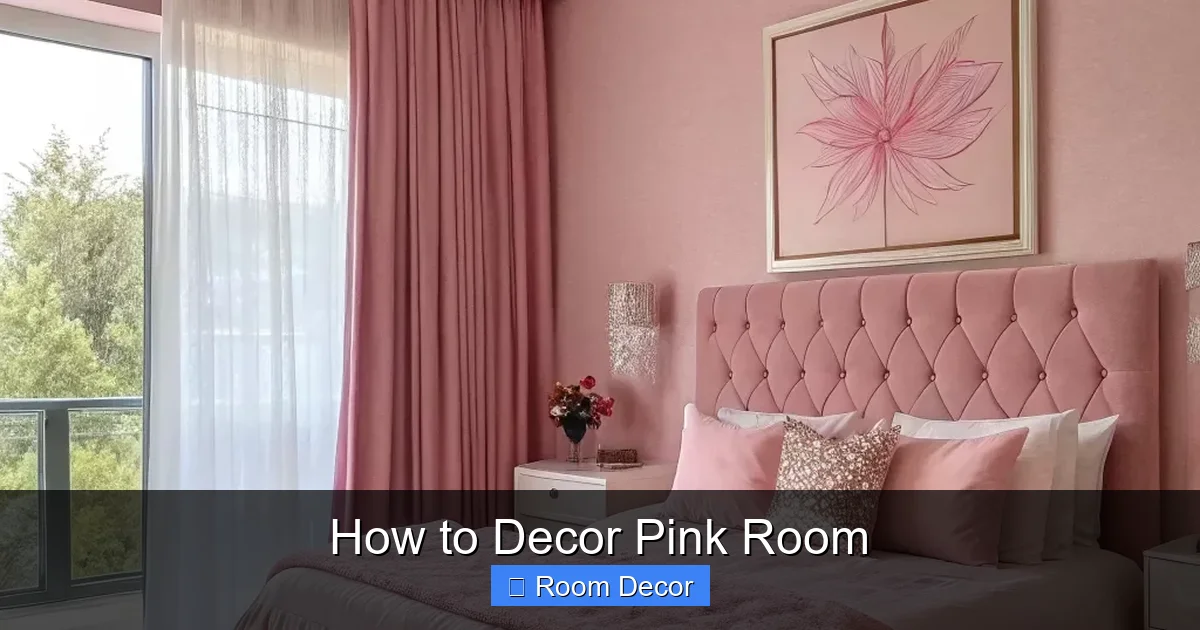
Visual guide about How to Decor Pink Room
Image source: i.pinimg.com
Consider Natural Light
The amount of natural light a room receives significantly impacts how a color appears.
- Rooms with lots of natural light: Can handle deeper or brighter pinks without feeling overwhelming. They can also make lighter pinks feel even more airy.
- Rooms with limited natural light: Might be best suited for lighter, warmer pinks to maximize brightness and avoid feeling gloomy. A pale blush can make a small, dark room feel larger and more inviting.
Test Swatches
Never commit to a paint color without testing it. Buy sample pots of your top two or three pink shades and paint large swatches on different walls in the room. Observe them at different times of the day and under various lighting conditions (natural light, artificial light). Colors can look dramatically different depending on these factors.
Think About Undertones
Pink colors have underlying tones. Some lean more towards blue (cooler pinks), while others lean towards yellow or orange (warmer pinks).
- Cool pinks can feel more serene and sophisticated.
- Warm pinks feel cozier and more inviting.
Step 3: Designing Your Pink Color Scheme
Pink can be a dominant color or a subtle accent. The key to a successful pink room is balancing it with other colors and textures.
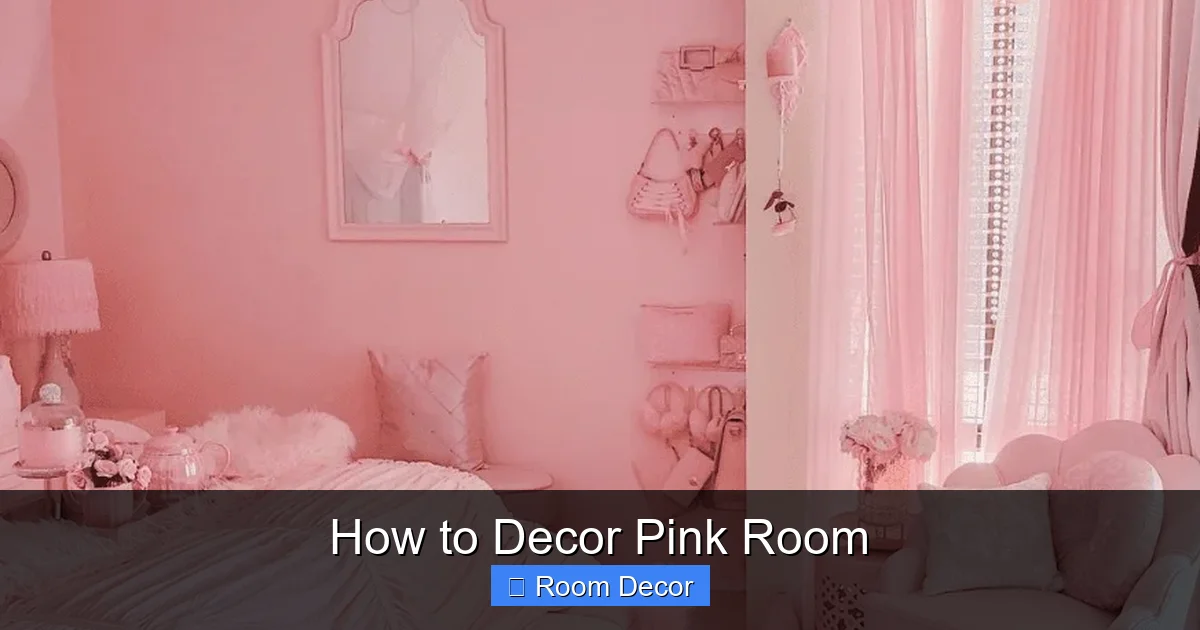
Visual guide about How to Decor Pink Room
Image source: thespruce.com
Complementary Colors
Choosing the right supporting cast for your pink is essential.
- Neutrals: Whites, creams, grays, and beiges are classic pairings with pink. They allow the pink to stand out without competing. A crisp white trim against a blush wall is timeless.
- Greens: Think sage green, emerald green, or even a deep forest green. Green and pink are natural complements, creating a fresh, botanical feel. This pairing works wonderfully for a more sophisticated or nature-inspired look.
- Blues: Soft blues, like sky blue or dusty blue, can create a serene and peaceful palette with pink. Deeper blues can offer a more dramatic contrast.
- Golds and Brass: Metallic accents in gold or brass add a touch of luxury and warmth, beautifully complementing most shades of pink.
- Wood Tones: Natural wood finishes, especially lighter ones like oak or birch, ground a pink room and add warmth and texture.
- Black: For a more modern and dramatic look, black can be a surprisingly effective accent color with certain pinks, especially bolder shades.
Creating Contrast and Balance
Avoid using only one shade of pink. Mix it up!
- Vary the shades: Use a deeper pink for an accent wall and a lighter pink for other walls. Or, use pink in your paint color and then introduce a different shade through your furniture or decor.
- Texture is your friend: Combine smooth surfaces with rougher textures. For example, pair a velvet pink sofa with a chunky knit throw or a woven rug. This adds depth and prevents the room from looking flat.
Step 4: Selecting Pink Furniture and Decor
Now for the fun part – bringing your pink room to life with furniture and decorative elements!
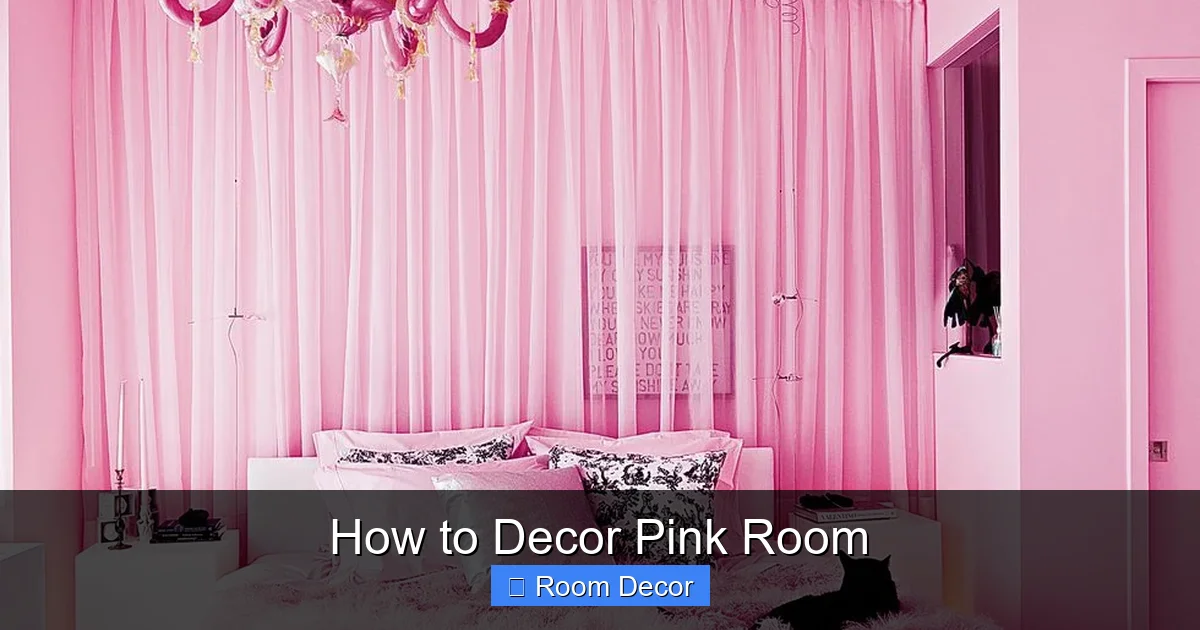
Visual guide about How to Decor Pink Room
Image source: i.pinimg.com
Statement Furniture
A pink sofa, armchair, or bed can be a stunning focal point.
- Consider the scale: A large pink sofa might be perfect for a living room, but in a smaller space, a pink accent chair might be a better choice.
- Material matters: Velvet pinks feel luxurious and romantic. Suede or textured fabrics can add a cozy, casual vibe.
Accent Pieces
If you’re not ready for a large pink furniture item, start with smaller accents.
- Pink rugs: A patterned pink rug can anchor a seating area.
- Pink curtains: Soften windows with a pair of pink drapes.
- Pink cushions and throws: These are the easiest way to introduce pink. Mix and match different shades and textures for visual interest.
Wall Art and Decor
Don’t forget the walls!
- Pink artwork: Choose pieces that incorporate pink in a way that complements your scheme. This could be abstract art, floral prints, or even photography.
- Pink decorative objects: Vases, lamps, picture frames, and decorative bowls are perfect for adding subtle touches of pink throughout the room.
Step 5: Strategic Lighting for Your Pink Room
Lighting plays a crucial role in how colors are perceived. The right lighting can enhance the beauty of your pink room.
Layer Your Lighting
Don’t rely on a single overhead light. Layering different types of lighting creates ambiance and functionality.
- Ambient lighting: This is your main source of light, like an overhead fixture or recessed lighting.
- Task lighting: For reading or working, use desk lamps or floor lamps.
- Accent lighting: Spotlights or picture lights can highlight artwork or architectural features.
Warm vs. Cool Bulbs
The color temperature of your light bulbs can significantly affect how pink looks.
- Warm white bulbs (around 2700K-3000K): Enhance the warmth of pinks, making them feel cozier and more inviting. This is often ideal for bedrooms and living rooms.
- Cool white bulbs (around 4000K-5000K): Can make pinks appear more vibrant and energetic, but can also make some pinks look a bit too cool or even slightly blue.
- Daylight bulbs (around 5000K-6500K): Can make colors look most true to their appearance in natural daylight, but might be too stark for some pink schemes.
Experiment with different bulb types to see what best suits your chosen pinks and the mood you want to create.
Step 6: Don’t Forget the Details: Plants and Textures
The finishing touches can elevate your pink room from lovely to absolutely stunning.
Incorporate Greenery
Plants are a fantastic way to bring life and a natural element into any room, and they pair beautifully with pink. The green foliage provides a lovely contrast and a fresh, organic feel. Consider plants with interesting leaf shapes or textures to add more visual interest.
Layer Textures
A room with varied textures feels more inviting and sophisticated. Think about incorporating materials like:
- Velvet: Luxurious and soft, perfect for upholstery or cushions.
- Linen: A natural, breathable fabric that adds a relaxed feel, great for curtains or throws.
- Wool: Cozy and warm, ideal for rugs or blankets.
- Rattan or Wicker: Adds a bohemian or coastal touch, think baskets or furniture accents.
- Wood: As mentioned, wood tones ground the space and add natural warmth.
Troubleshooting Your Pink Room Design
Even with the best intentions, sometimes a design might need a little tweaking. Here are some common issues and how to address them.
Problem: The Room Feels Too “Sweet” or Overwhelmingly Pink.
Solution: Introduce more grounding elements.
- Add neutrals: Layer in more whites, creams, or grays through furniture, textiles, or accessories.
- Incorporate natural materials: Wooden furniture, jute rugs, or rattan baskets can add an earthy balance.
- Use darker accents: Consider black or charcoal gray details in frames, lamps, or small decorative items to add definition and sophistication.
- Bring in green: Plants or artwork featuring green will instantly add a refreshing contrast.
Problem: The Pink Looks Too “Babyish.”
Solution: Elevate the shade and pair it with sophisticated elements.
- Opt for a dustier or more muted pink: Instead of a bright, bubblegum pink, choose a shade with more gray or brown undertones.
- Pair with metallics: Gold, brass, or even brushed nickel accents can add a grown-up feel.
- Mix with richer textures: Velvet, silk, or leather can make pink feel more luxurious.
- Incorporate darker colors: Deep blues, charcoals, or even a touch of black can add maturity.
Problem: The Pink Color Looks “Off” Under Your Lighting.
Solution: Re-evaluate your lighting.
- Change bulb temperature: As discussed, warmer bulbs will make pinks feel warmer, and cooler bulbs will make them feel cooler.
- Adjust ambient light: If a room is too dark, consider adding more light sources. If it’s too bright, sheer curtains can diffuse the light.
- Consider dimmer switches: These offer the ultimate control over the intensity and mood of your lighting.
Conclusion
Decorating a pink room is an exciting opportunity to infuse your home with personality, warmth, and style. By understanding the nuances of different pink shades, carefully selecting complementary colors and textures, and thoughtfully placing your furniture and decor, you can create a space that is both beautiful and functional. Don’t be afraid to experiment and have fun with the process. Whether you opt for a subtle blush accent or a bold fuchsia statement, your pink room is sure to be a cherished sanctuary. Embrace the versatility of pink and enjoy the journey of creating your perfect pink haven!