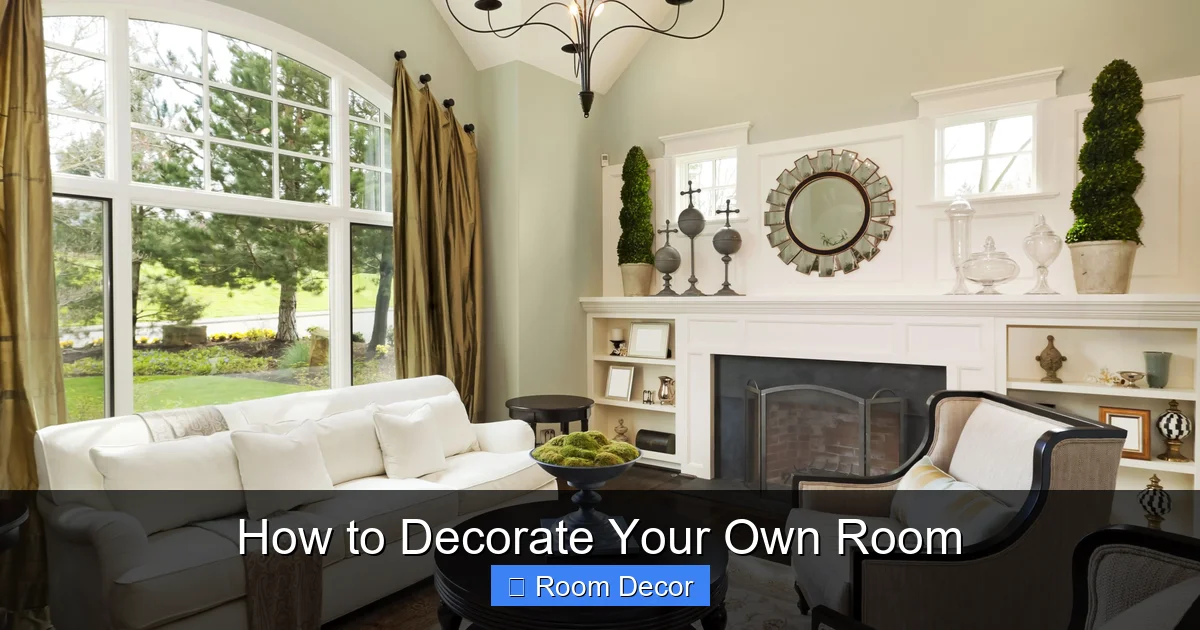
Ready to make your room truly yours? This comprehensive guide walks you through every step of decorating your personal sanctuary. Learn how to plan your style, choose the right colors, and select furniture that reflects your personality. We’ll cover everything from decluttering to adding the final, unique touches that make your room feel like home. Get inspired and start creating your dream space today!
Feeling like your room is a bit… blah? Maybe it’s just a space you sleep in, rather than a place that truly feels like *you*. That’s where decorating your own room comes in! It’s your personal sanctuary, a reflection of your personality, your interests, and your dreams. But where do you even begin? Don’t worry, this guide is here to help you transform your personal space into something amazing. We’ll walk you through every step, from figuring out your style to adding those special touches that make your room uniquely yours. Get ready to unleash your inner decorator!
Key Takeaways
- Define Your Style: Before you buy anything, understand the aesthetic you want to achieve. Consider themes like minimalist, bohemian, modern, or cozy.
- Declutter and Plan: A clean slate is essential. Remove unnecessary items and create a floor plan to visualize furniture placement and flow.
- Color Palette is Key: Choose colors that evoke the desired mood. Consider the 60-30-10 rule for balanced color distribution.
- Furniture Functionality and Form: Select pieces that are both practical for your needs and aesthetically pleasing, fitting your chosen style.
- Lighting Enhances Ambiance: Layer your lighting with ambient, task, and accent lights to create a warm and inviting atmosphere.
- Accessorize with Personality: This is where your room comes alive. Add decor like art, plants, and textiles that tell your story.
- Don’t Forget the Walls: Walls are prime real estate for self-expression through paint, wallpaper, or gallery walls.
Step 1: Discover Your Decorating Style
This is the most important first step. Before you buy a single pillow or paint a single wall, you need to know what you like. What kind of vibe do you want your room to have? Think about how you want to feel when you’re in your space. Do you want it to feel calm and peaceful? Energetic and vibrant? Cozy and inviting?
H3: Inspiration Hunting
* Browse Online: Pinterest, Instagram, and Houzz are your best friends here. Create boards for rooms you love. Save images that catch your eye. Look for common themes, colors, and furniture styles.
* Look in Magazines: Interior design magazines are full of beautiful ideas.
* Consider Your Hobbies: Do you love reading? Maybe a cozy reading nook is essential. Are you an artist? You might need space for your supplies and a gallery wall.
* Think About Your Personality: Are you bold and adventurous? Or are you more reserved and minimalist? Your decor should match who you are.
H3: Common Decor Styles to Consider
* Minimalist: Clean lines, neutral colors, and a focus on functionality. Less is more.
* Bohemian (Boho): Eclectic, free-spirited, and often features natural materials, vibrant colors, and lots of plants.
* Modern: Sleek, geometric shapes, and a focus on functionality. Often uses materials like metal, glass, and steel.
* Industrial: Think exposed brick, metal accents, and a raw, unfinished feel.
* Scandinavian: Light colors, natural wood, and a cozy, functional aesthetic. Known for its simplicity and hygge.
* Traditional: Classic furniture, rich colors, and ornate details.
* Farmhouse: Rustic charm, natural wood, and vintage-inspired pieces.
Don’t feel pressured to stick to just one style. Many people love to mix and match to create a unique look. The goal is to find what resonates with you.
Step 2: Declutter and Clean Your Space
Visual guide about How to Decorate Your Own Room
Image source: i.ytimg.com
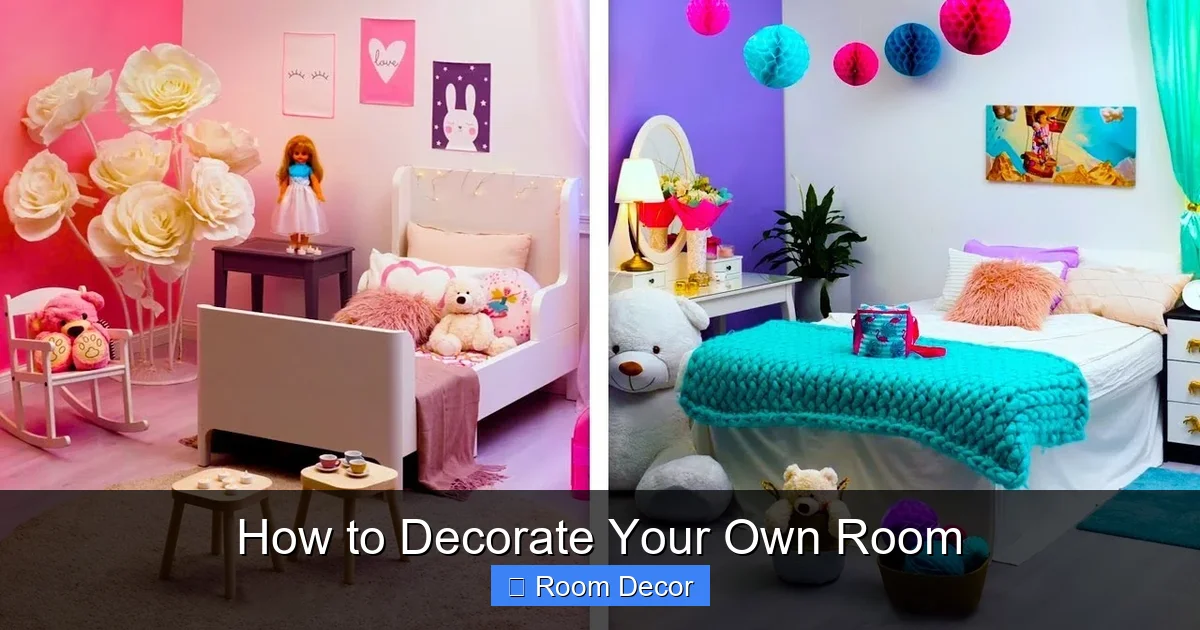
You can’t create a beautiful new room on top of a mess. Before you even think about buying new decor, it’s time for a serious decluttering session.
H3: The Purge
* Take Everything Out: If possible, take everything out of your room. This gives you a blank slate.
* Sort Ruthlessly: Go through each item and ask yourself:
* Do I use this?
* Do I love this?
* Does it serve a purpose?
* Does it fit my new decorating vision?
* Create Piles: Make piles for “Keep,” “Donate/Sell,” and “Trash.” Be honest with yourself. If it’s been in a drawer for two years, you probably don’t need it.
* Clean Thoroughly: Once everything is out, give your room a deep clean. Dust everything, vacuum, wash windows, and wipe down surfaces. A clean room instantly feels better.
Step 3: Plan Your Layout and Furniture
Visual guide about How to Decorate Your Own Room
Image source: i.ytimg.com
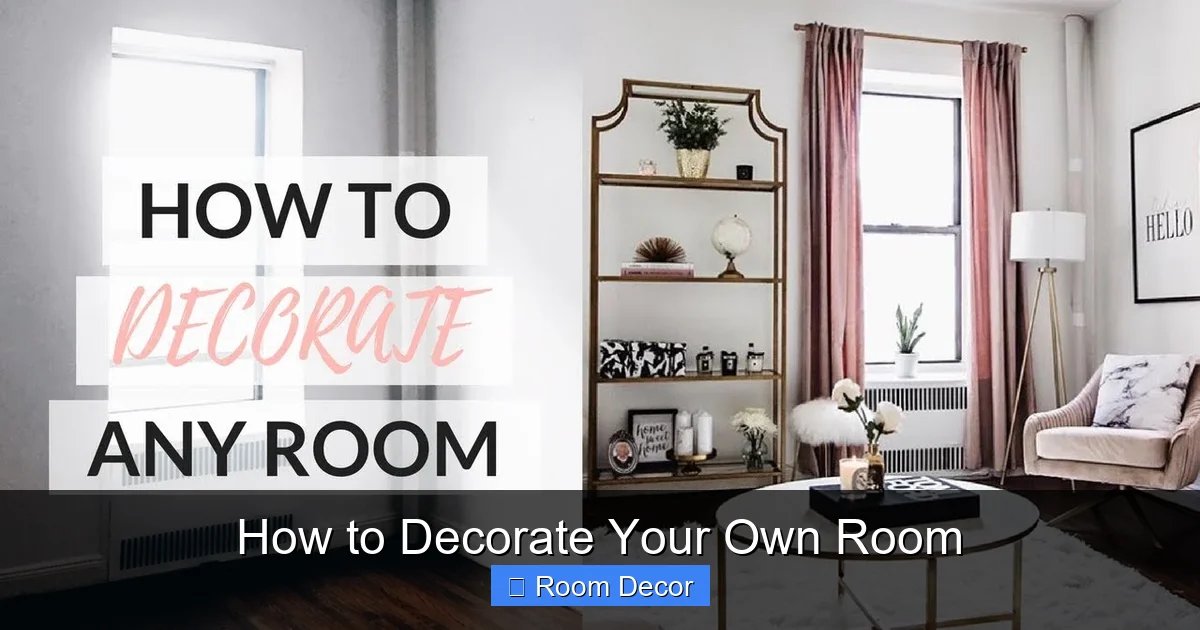
Now that your room is clean and you have an idea of your style, it’s time to think about how your furniture will fit.
H3: Measure Everything
* Measure Your Room: Measure the length, width, and height of your room. Note the placement of windows, doors, and any built-in features.
* Measure Your Furniture: Measure any furniture you plan to keep. Measure any new furniture you’re considering.
* Create a Floor Plan: You can do this on paper or use online tools. Draw your room to scale and then draw your furniture to scale. This helps you visualize how everything will fit and ensures you have enough space to move around.
H3: Furniture Considerations
* Functionality First: What do you need your room to do? Is it just for sleeping, or do you need space for a desk, a vanity, or a workout area?
* Scale and Proportion: Don’t put a huge bed in a tiny room, or a tiny desk in a large room. Furniture should be proportionate to the size of your room.
* Focal Point: What do you want people to see first when they enter your room? This could be your bed, a beautiful piece of art, or a stylish armchair. Arrange your furniture around this focal point.
* Flow: Make sure there’s easy movement between different areas of the room. You don’t want to be constantly bumping into things.
Step 4: Choose Your Color Palette
Visual guide about How to Decorate Your Own Room
Image source: cuckoo4design.com
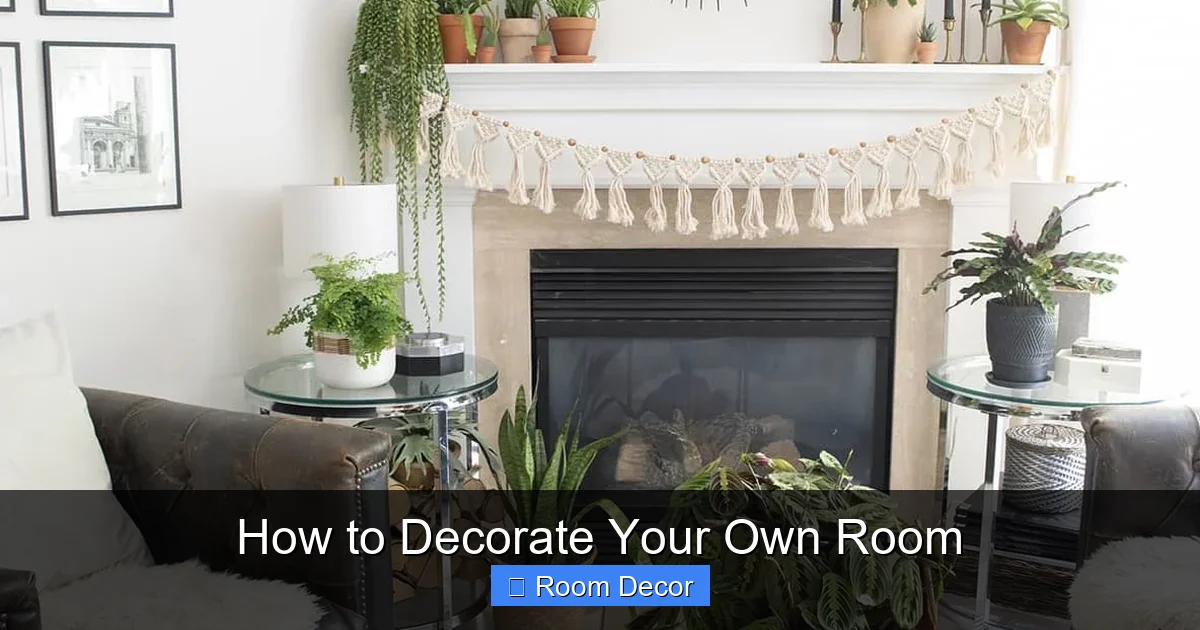
Color has a huge impact on the mood and feel of a room. This is where you bring your chosen style to life visually.
H3: The Power of Color
* Warm Colors (Reds, Oranges, Yellows): These tend to be energetic and stimulating. They can make a room feel cozy and inviting.
* Cool Colors (Blues, Greens, Purples): These are calming and peaceful. They can make a room feel more spacious.
* **Neutrals (Whites, Grays, Beiges, Browns):** These are versatile and create a sophisticated backdrop. They are easy to layer with other colors and textures.
H3: The 60-30-10 Rule
This is a classic decorating rule that helps create a balanced color scheme:
* 60% Dominant Color: This is usually your main wall color.
* 30% Secondary Color: This color supports the dominant color and is often used for furniture, curtains, or an accent wall.
* 10% Accent Color: This is your pop of color. Use it for small decorative items like throw pillows, art, or small accessories.
H3: Get Samples
Never pick a paint color without sampling it. Paint swatches on your walls in different areas of the room. Look at them at different times of day. Natural light can change how a color appears.
Step 5: Walls, Windows, and Floors
These are the large surfaces in your room, and they have a big impact.
H3: Wall Treatments
* Paint: The most common and versatile option. Consider the finishes:
* **Matte:** Hides imperfections, but can be harder to clean.
* **Eggshell/Satin:** A slight sheen, more durable and easier to clean than matte.
* **Semi-Gloss/Gloss:** High shine, very durable and washable, but highlights imperfections. Best for trim.
* Wallpaper: Can add incredible texture, pattern, and personality. There are peel-and-stick options for easy application and removal.
* Wall Decals: A fun and temporary way to add graphics or patterns.
* Accent Walls: Paint one wall a different color or use wallpaper to create a focal point.
H3: Window Treatments
* Curtains: Offer privacy and light control, and add softness and color.
* Blinds/Shades: Provide excellent light control and a more minimalist look.
* Layering: Combine blinds with curtains for a polished and functional look.
H3: Flooring
* Rugs: A rug can anchor a space, add warmth, color, and texture. Make sure it’s the right size for your room – it should be large enough to extend under the legs of your main furniture pieces.
Step 6: Furniture Selection and Placement
Now that you have your layout and colors planned, it’s time to bring in the furniture.
H3: Prioritize Key Pieces
* The Bed: In a bedroom, the bed is often the star. Choose a frame and headboard that fits your style.
* Storage: You need places to put your things! Dressers, nightstands, shelves, and wardrobes are essential.
* Seating: If you have space, an armchair or a small sofa can create a cozy reading or lounging area.
* Desk/Workspace: If you work or study in your room, a functional desk is important.
H3: Arranging for Functionality and Aesthetics
* **Bed Placement:** Often centered on a wall or opposite the door for a welcoming view.
* **Nightstands:** Place one on each side of the bed for convenience.
* **Dressers/Wardrobes:** Position them where they are easily accessible and don’t block natural light.
* **Seating Areas:** Create a cozy corner with an armchair and a small table.
Step 7: Lighting – Set the Mood
Good lighting can completely transform a room. You want layers of light to create different moods.
H3: Types of Lighting
* Ambient Lighting: This is your main source of light, like a ceiling fixture or a floor lamp. It provides overall illumination.
* Task Lighting: This is for specific activities, like a desk lamp for studying or a bedside lamp for reading.
* Accent Lighting: This highlights specific features, like a picture light over a piece of art or a string of fairy lights for ambiance.
H3: Lighting Tips
* **Dimmers:** Install dimmers on your main lights to adjust the brightness and create different moods.
* **Warm Bulbs:** Opt for warm white bulbs (around 2700K-3000K) for a cozy, inviting feel.
* **Strategic Placement:** Place lamps where you’ll need light the most.
Step 8: Accessorize and Personalize
This is where your room truly becomes *yours*. Accessories add personality, warmth, and detail.
H3: Textiles Add Comfort and Style
* Bedding: Choose sheets, duvets, and pillows in colors and textures that match your style.
* Throw Pillows and Blankets: Add pops of color, pattern, and coziness to your bed or seating areas.
* **Rugs: As mentioned before, a rug can define a space and add warmth.
H3: Art and Wall Decor
* Gallery Wall: Mix and match frames, photos, and art prints for a personal touch.
* Large Statement Piece: A single, impactful piece of art can be a great focal point.
* Mirrors: Mirrors can make a room feel larger and brighter by reflecting light.
* Shelving: Display books, plants, and decorative objects.
H3: Plants Bring Life
* Plants add color, texture, and a sense of calm. Choose low-maintenance options if you’re new to plant care.
H3: Personal Touches
* **Photos:** Display cherished memories.
* **Souvenirs: Showcase items from your travels.
* **Collections:** If you collect anything, display it proudly!
Step 9: The Finishing Touches
These are the small details that make a big difference.
H3: Smart Storage Solutions
* **Baskets and Bins:** Great for storing blankets, magazines, or clutter.
* **Drawer Organizers:** Keep your drawers tidy and efficient.
* **Wall-Mounted Shelves:** Utilize vertical space.
H3: Don’t Forget Scent
* **Candles, Diffusers, or Room Sprays:** Choose scents that you find relaxing or uplifting.
H3: Consider Your Senses
* **Texture:** Mix soft fabrics with harder surfaces.
* **Sound:** If you like music, consider where you’ll place speakers.
Troubleshooting Common Decorating Challenges
* My room feels too small: Use light colors on walls and for furniture. Opt for furniture with legs to create a sense of openness. Use mirrors to reflect light and space. Avoid too many large, bulky items.
* My room feels too sterile: Add warmth with textiles like rugs, throws, and pillows. Introduce natural materials like wood and plants. Add personal photos and art.
* I have a limited budget: Focus on high-impact, low-cost changes. Paint is affordable. Shop at thrift stores or flea markets for unique furniture. DIY projects can save money. Borrow or repurpose items you already own.
* I’m not sure if I like it: It’s okay to experiment! Decorating is an ongoing process. You can always change things later. Start with smaller changes and see how you feel.
Conclusion
Decorating your own room is a journey, not a destination. It’s about creating a space that nourishes your soul, inspires you, and makes you feel completely at home. By taking it step by step, from defining your style to adding those personal touches, you can transform any room into your perfect sanctuary. Don’t be afraid to experiment, trust your instincts, and most importantly, have fun with the process. Your room is your canvas, so paint it with your personality!