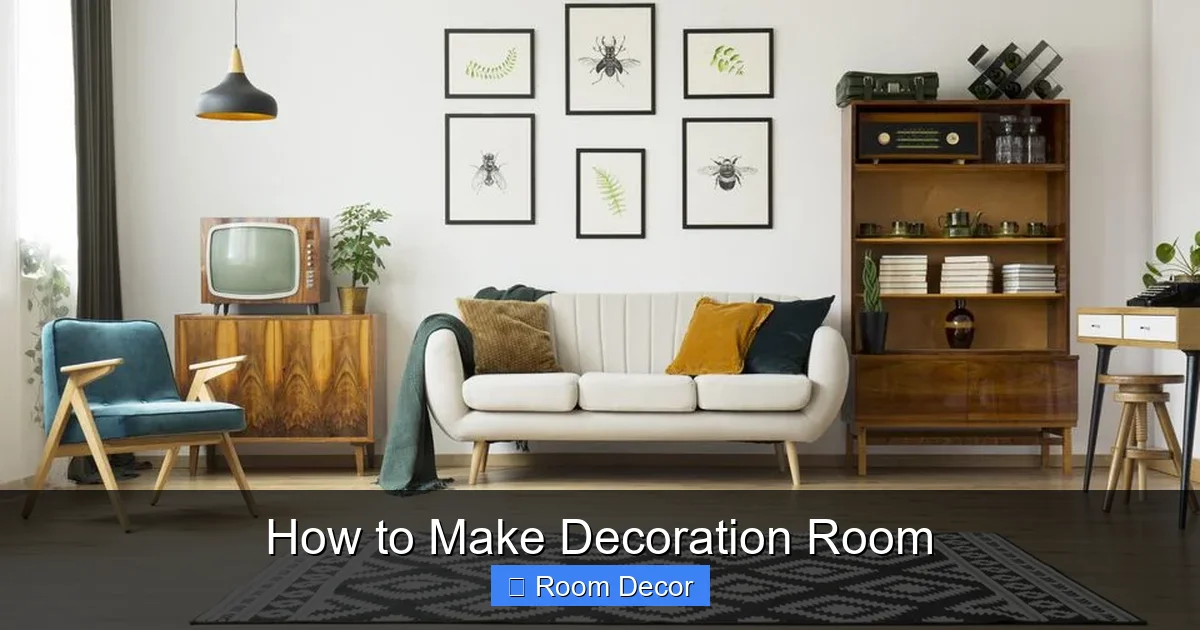
Ready to refresh your living space? This comprehensive guide will walk you through every step of how to make your room a reflection of your personality and style. From initial planning to the final decorative touches, you’ll learn how to create a beautiful and functional decoration room that feels uniquely yours. Discover practical tips and inspiration to make your room a true sanctuary.
- Define Your Vision: Before you start, clarify your desired style, color palette, and the overall mood you want to achieve for your decoration room.
- Declutter and Prepare: A clean slate is essential. Remove unnecessary items and prepare your surfaces for painting or other treatments.
- Strategic Color Choices: Understand how colors impact mood and space, and choose a palette that complements your vision for your decoration room.
- Furniture Placement is Key: Arrange furniture to optimize flow, functionality, and the visual appeal of your decoration room.
- Layering Textures and Patterns: Add depth and interest by incorporating a variety of textures, from soft throws to patterned rugs, in your decoration room.
- Personalize with Accessories: Art, photos, plants, and decorative objects are crucial for making your decoration room truly yours.
- Lighting is Crucial: Combine ambient, task, and accent lighting to create atmosphere and highlight features in your decoration room.
How to Make Decoration Room
Your room is more than just four walls and a roof. It’s your personal haven, your creative studio, your cozy retreat. Making your room a place that truly speaks to you is an exciting and rewarding process. You might be wondering, “How to make decoration room?” It’s not about expensive makeovers or hiring a professional designer. It’s about thoughtful choices, a dash of creativity, and a clear plan. This guide will take you through each step, making it simple and enjoyable to transform your space into a beautiful and functional decoration room.
Whether you’re looking to do a complete overhaul or just add a few personal touches, you’ll find actionable advice and inspiration here. We’ll cover everything from understanding your style to the final flourishes that make a house feel like a home. Get ready to discover how to make your room a reflection of you!
Step 1: Discover Your Style and Vision
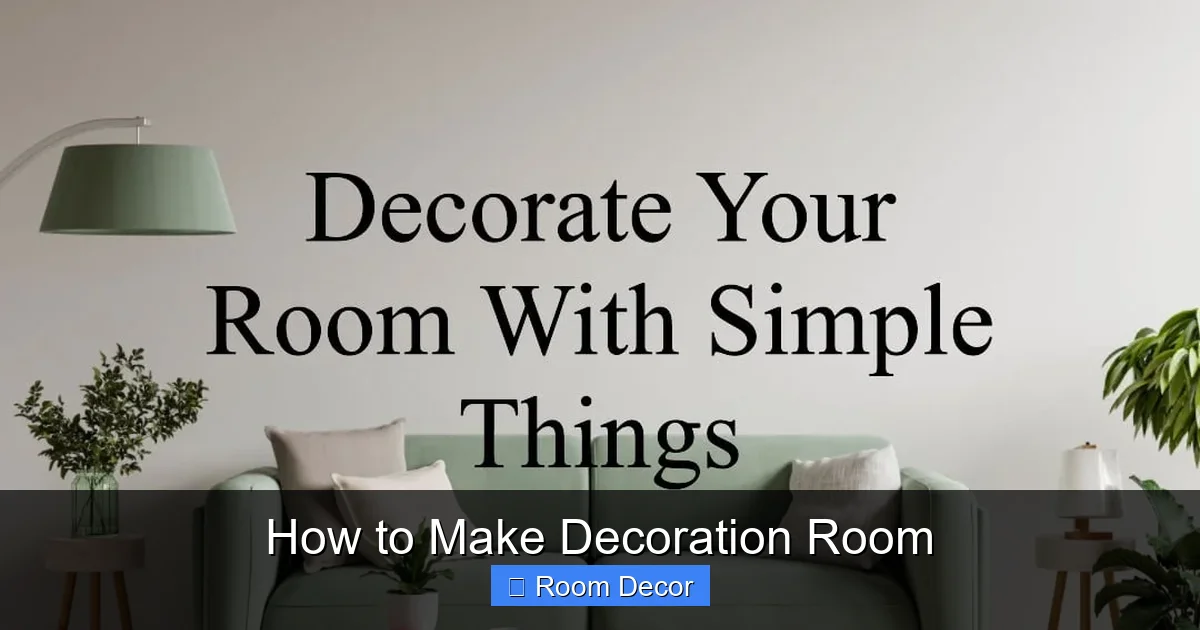
Visual guide about How to Make Decoration Room
Image source: insidedecors.com
The very first step in making a beautiful decoration room is understanding what you love. What kind of atmosphere do you want to create? Do you crave a minimalist and serene space, or a vibrant and eclectic one? Think about the colors, textures, and moods that make you feel happy and relaxed.
Explore Different Decor Styles
There are many popular interior design styles. Take some time to explore them. Some common ones include:
- Modern: Clean lines, minimalist design, and often a neutral color palette. Think sleek furniture and uncluttered spaces.
- Bohemian (Boho): Free-spirited, eclectic, and full of personality. It often features rich colors, patterns, and natural elements.
- Industrial: Exposed brick, metal accents, and raw materials. It has a raw, urban feel.
- Scandinavian: Light, airy, and functional. It emphasizes natural light, light wood tones, and simple, practical furniture.
- Traditional: Classic, timeless, and often features ornate details and rich fabrics.
- Farmhouse: Cozy, rustic, and inviting. Think natural wood, comfortable furniture, and a relaxed feel.
Don’t feel pressured to stick to just one. Many people blend elements from different styles to create something unique.
Create a Mood Board
A mood board is a fantastic tool to visualize your ideas. You can create a physical one with magazine clippings or a digital one using tools like Pinterest or Canva. Gather images of furniture, color palettes, textures, and accessories that catch your eye. This will help you see how different elements come together and solidify your vision for your decoration room.
Consider the Room’s Purpose
Think about how you use the room. Is it primarily for sleeping, studying, relaxing, or entertaining? The function of the room will influence your design choices. For example, a study area needs good lighting and a functional desk, while a relaxation space might prioritize comfortable seating and soft lighting.
Step 2: Declutter and Prepare Your Space
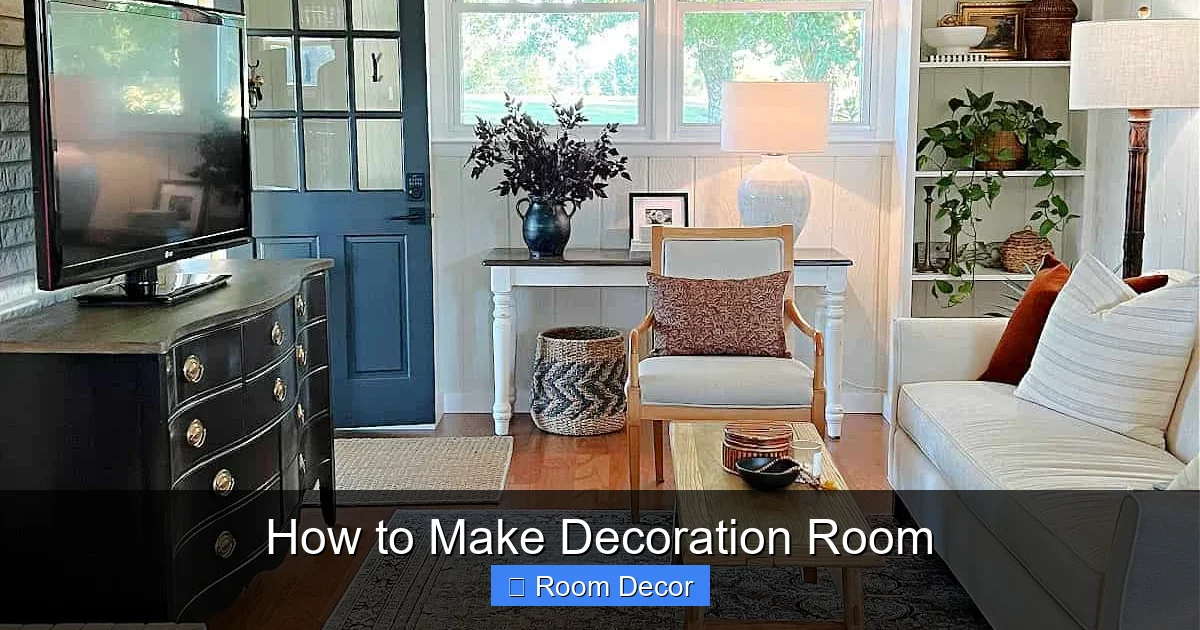
Visual guide about How to Make Decoration Room
Image source: chatfieldcourt.com
Before you start adding new things, it’s crucial to clear out what you don’t need. A cluttered space can make even the most beautiful decorations look messy.
The Great Purge
Go through everything in your room. Be ruthless! Donate, sell, or discard items that you no longer use, need, or love. This process is often called decluttering, and it’s a vital part of making your decoration room feel fresh and new. Less stuff means more space to showcase the things you truly want.
Clean and Repair
Once decluttered, give your room a thorough cleaning. Dust all surfaces, vacuum or mop the floors, and clean windows. If there are any minor repairs needed, like a squeaky door or a chipped paint corner, now is the time to address them. A clean and well-maintained space is the perfect canvas for decoration.
Assess Your Walls
Your walls are a major visual element. Are they painted? Do they have wallpaper?
- Painting: If you’re painting, choose your colors based on your mood board. Consider painting an accent wall in a bold color or a contrasting texture.
- Wallpaper: Wallpaper can add a lot of personality. There are many types available, from subtle patterns to bold statements.
- Wall Art: If you’re not ready for a big change, consider adding wall art, mirrors, or decorative decals.
Make sure your walls are prepped correctly before painting or applying wallpaper for a smooth, professional finish.
Step 3: Master Furniture Arrangement
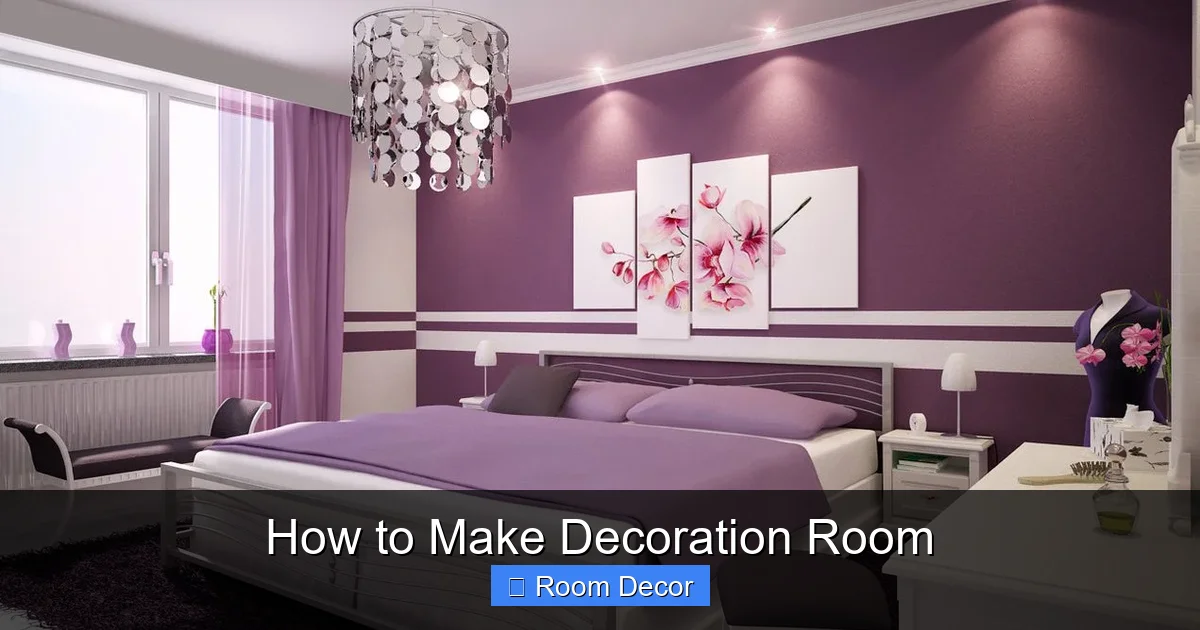
Visual guide about How to Make Decoration Room
Image source: mydecorative.com
The way you arrange your furniture can drastically change the feel and flow of your decoration room. It’s about creating functional zones and ensuring easy movement.
Create a Focal Point
Every room benefits from a focal point – a central element that draws the eye. This could be a fireplace, a beautiful window with a view, a striking piece of art, or a statement piece of furniture. Arrange your other furniture pieces around this focal point.
Consider Traffic Flow
Ensure there are clear pathways for walking through the room. Avoid blocking doorways or creating tight squeezes. Imagine people moving around the space. Does it feel natural and unhindered? Good traffic flow is essential for a comfortable decoration room.
Define Zones
In larger rooms, you can create different zones for different activities. For example, you might have a reading nook with a comfortable chair and a side table, a main seating area for socializing, and a desk area for work. Use furniture placement and rugs to subtly define these areas.
The Rule of Thirds (for Furniture)
While more commonly used in photography, the concept of placing key items off-center can apply to furniture too. Instead of pushing everything against the walls, try pulling some pieces slightly inward. This can create a more intimate and dynamic arrangement.
Step 4: Play with Color and Texture
Color and texture are your best friends when it comes to adding personality and depth to your decoration room.
Color Palette Basics
- Neutrals: Whites, grays, beiges, and blacks provide a calm and sophisticated base. They are versatile and timeless.
- Warm Colors: Reds, oranges, and yellows are energetic and inviting. They can make a room feel cozier.
- Cool Colors: Blues, greens, and purples are calming and serene. They can make a space feel larger and more tranquil.
Aim for a balanced palette. Usually, this involves a dominant color, a secondary color, and an accent color. Your mood board should have given you a good starting point.
Layering Textures
Texture adds a tactile and visual dimension to your room. Mix and match different textures to create interest:
- Soft: Velvet, faux fur, chunky knit throws, plush rugs.
- Smooth: Silk, satin, polished wood, glass.
- Rough: Burlap, natural wood grain, linen, woven baskets.
Think about your bedding, curtains, rugs, and decorative pillows. Mixing these textures makes a space feel more inviting and lived-in.
Patterns for Pop
Patterns can add energy and visual interest. Use them strategically:
- Rugs: A patterned rug can anchor a seating area and tie colors together.
- Pillows: Mix and match patterned throw pillows on your sofa or bed.
- Curtains: Patterned curtains can add a decorative element and control light.
When mixing patterns, try to have a common color thread running through them to create a cohesive look.
Step 5: Illuminate Your Space with Lighting
Lighting is often overlooked, but it’s crucial for setting the mood and highlighting your decoration room. A well-lit room feels more inviting and functional.
Layer Your Lighting
Good lighting design involves multiple light sources:
- Ambient Lighting: This is the general, overhead lighting. Think ceiling fixtures or track lighting.
- Task Lighting: This is focused light for specific activities, like reading or working. Desk lamps, floor lamps next to chairs, and vanity lights are examples.
- Accent Lighting: This is used to highlight specific features, such as artwork, plants, or architectural details. Wall sconces or spotlights can be used here.
Consider the Bulb Type
The color temperature of your light bulbs matters.
- Warm White (2700K-3000K): This is similar to natural sunlight and creates a cozy, inviting atmosphere, perfect for bedrooms and living areas.
- Cool White (3500K-4100K): This is brighter and more energizing, good for kitchens and bathrooms where you need to see clearly.
- Daylight (5000K-6500K): This mimics natural daylight and is great for task lighting or areas where you need high visibility.
Dimmers are a great addition to any light source. They allow you to adjust the brightness and change the mood instantly.
Step 6: Accessorize and Personalize
This is where your personality truly shines! Accessories are the finishing touches that make your room unique.
Art and Wall Decor
Choose art that resonates with you. This could be:
- Paintings or Prints: From abstract to landscape, select pieces that evoke emotion.
- Photographs: Personal photos of loved ones, travels, or memories are powerful.
- Mirrors: They can make a room feel larger and brighter by reflecting light.
- Wall Hangings: Tapestries, macrame, or woven pieces add texture and interest.
Greenery is Good
Plants add life, color, and a touch of nature to any space. They also improve air quality. Choose plants that suit your light conditions and your level of plant-care commitment.
- Low-Maintenance: Snake plants, ZZ plants, and Pothos are forgiving.
- Flowering Plants: Orchids or African violets can add a pop of color.
- Larger Plants: A fiddle-leaf fig or a bird of paradise can be a statement piece.
Decorative Objects
These are the smaller items that add character:
- Vases: Can be decorative on their own or hold flowers.
- Candles: Add ambiance and fragrance.
- Books: Stacked or on shelves, they add a personal touch and color.
- Sculptures or Figurines: Choose items that reflect your interests.
- Throw Pillows and Blankets: These are functional decorations that add comfort and style.
Arrange these items thoughtfully. Don’t overcrowd surfaces. Grouping a few items together can create a more visually appealing display.
Troubleshooting Common Decoration Room Challenges
Even with the best intentions, you might encounter a few bumps in the road when making your decoration room. Here are some common issues and how to solve them:
“My room feels too small.”
- Solution: Maximize light by using mirrors, light paint colors, and sheer curtains. Arrange furniture to create open pathways. Opt for furniture with legs to create a sense of airiness. Avoid large, bulky furniture.
“My room feels dull or boring.”
- Solution: Introduce pops of color through accent pieces like pillows, artwork, or a rug. Add texture with throws, baskets, or plants. Incorporate items with interesting shapes or patterns.
“I have too much stuff, but I don’t want to get rid of anything.”
- Solution: Invest in smart storage solutions. This could include ottomans with storage, shelving units, decorative boxes, or under-bed storage. Be creative about where you can store things out of sight but still accessible.
“I don’t know how to make everything coordinate.”
- Solution: Revisit your mood board! Ensure you have a consistent color palette. If mixing patterns, make sure there’s a common color. Sometimes, a neutral rug or sofa can help tie disparate elements together.
Conclusion
Making your decoration room is a journey, not a destination. It’s about creating a space that evolves with you and reflects your life. By following these steps – from defining your vision and decluttering to strategically placing furniture, playing with color and texture, mastering lighting, and adding those personal touches – you can transform any room into a beautiful and functional sanctuary.
Remember, the most important element of your decoration room is you. Let your personality guide your choices, have fun with the process, and don’t be afraid to experiment. Your ideal living space is within reach. Enjoy the process of making your decoration room truly yours!