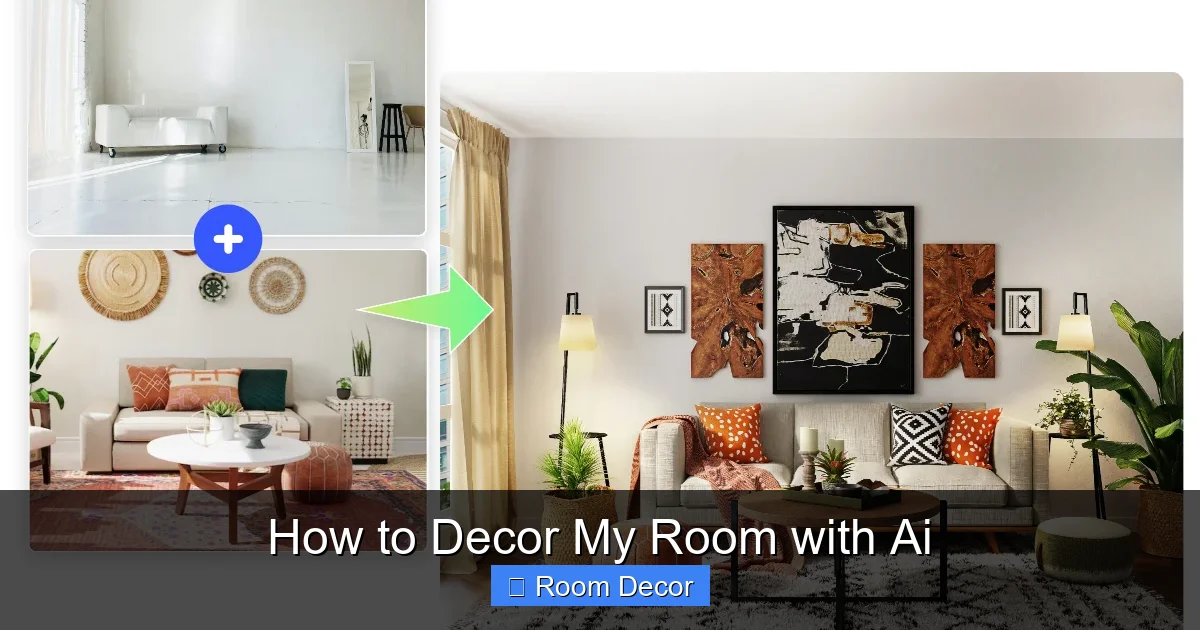
Unleash your inner designer with Artificial Intelligence! This guide reveals how to decor your room by leveraging AI tools to generate personalized design concepts, create stunning mood boards, and visualize your dream space before you lift a paintbrush. Learn to use AI for inspiration, selection, and even to find the perfect furniture and decor items.
Key Takeaways
- AI as Your Personal Interior Designer: Explore how AI can analyze your preferences, existing decor, and room dimensions to suggest unique and personalized design ideas.
- Visualizing Your Dream Space: Learn to use AI-powered tools to generate realistic renderings and mood boards, allowing you to see your room’s transformation before making any purchases.
- Inspiration Beyond the Ordinary: Discover how AI can tap into vast design databases and current trends to offer creative solutions you might not have considered.
- Smart Furniture and Decor Selection: Understand how AI can help you find specific items, check for compatibility with your chosen style, and even suggest budget-friendly alternatives.
- Iterative Design Process: Grasp how AI facilitates an iterative design process, allowing you to experiment with different styles, colors, and layouts easily.
- Accessibility and Ease of Use: Recognize that many AI decor tools are user-friendly, making interior design accessible to everyone, regardless of prior experience.
How to Decor My Room with AI
Feeling stuck when it comes to decorating your room? Do you scroll through endless Pinterest boards, feeling overwhelmed by choices and unsure how to translate those ideas into your own space? What if you had a personal interior designer, available 24/7, who could instantly generate ideas tailored just for you? Well, welcome to the future! Artificial Intelligence (AI) is revolutionizing how we approach interior design, making it easier and more fun than ever to decor your room.
In this comprehensive guide, you’ll learn how to harness the power of AI to transform your living space. We’ll walk you through the process, from understanding your style to visualizing the final result. Get ready to unlock your creativity and design a room that truly reflects your personality and needs, all with the help of cutting-edge AI tools. Let’s dive in and discover how to decor your room with AI!
Step 1: Understanding Your Style with AI
Visual guide about How to Decor My Room with Ai
Image source: plugins-media.makeupar.com
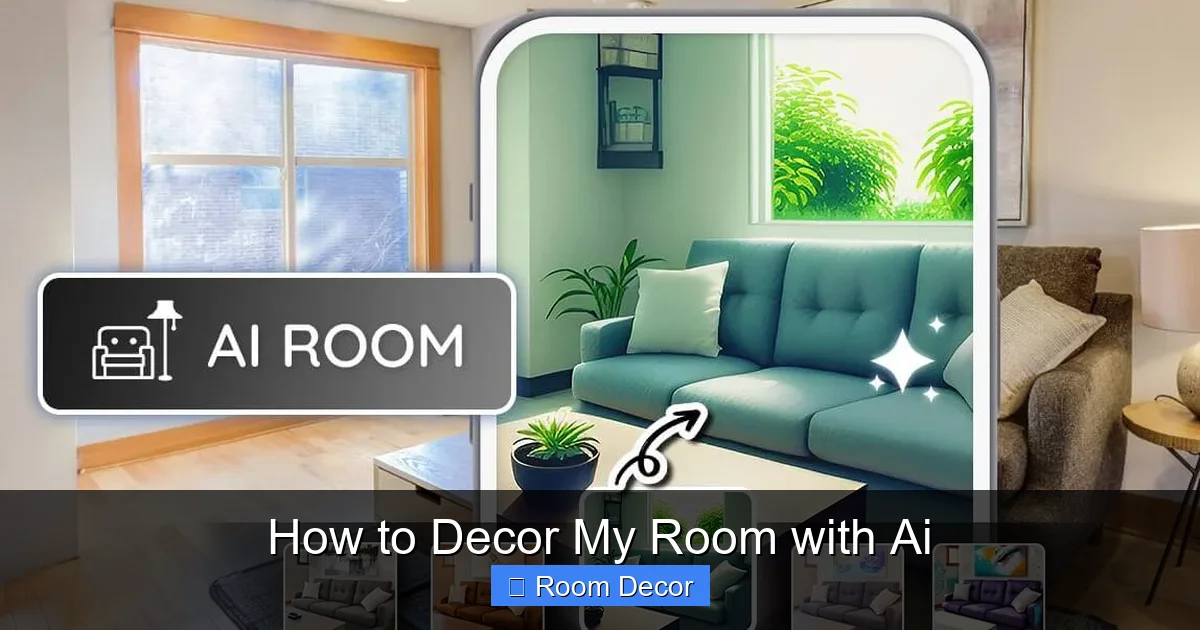
Before you can decor your room, you need to understand what you like. AI can be an incredible tool for this. It can help you pinpoint your aesthetic preferences, even if you struggle to articulate them.
H3: Defining Your Aesthetic Preferences
Many AI design tools start by asking you questions or showing you images to gauge your reactions. You might be asked to rate different styles, color palettes, or furniture types. Think of it like a fun quiz! Your answers help the AI build a profile of your ideal look and feel for your room.
* **Example:** You might be shown images of a minimalist bedroom, a bohemian living room, and a modern Scandinavian dining area. By selecting the ones that resonate most with you, the AI begins to understand your leanings towards clean lines, earthy tones, or perhaps a more eclectic vibe.
H3: Analyzing Existing Decor (Optional but Recommended)
Some advanced AI tools can even analyze photos of your current room. This allows the AI to understand what you already have and suggest complementary or contrasting elements. It’s a great way to get ideas for refreshing your existing space without starting from scratch.
* Tip: Ensure you have good lighting and clear shots of your room when using this feature. This helps the AI get an accurate picture of your space.
Step 2: Generating Design Concepts with AI
Visual guide about How to Decor My Room with Ai
Image source: decorilla.com
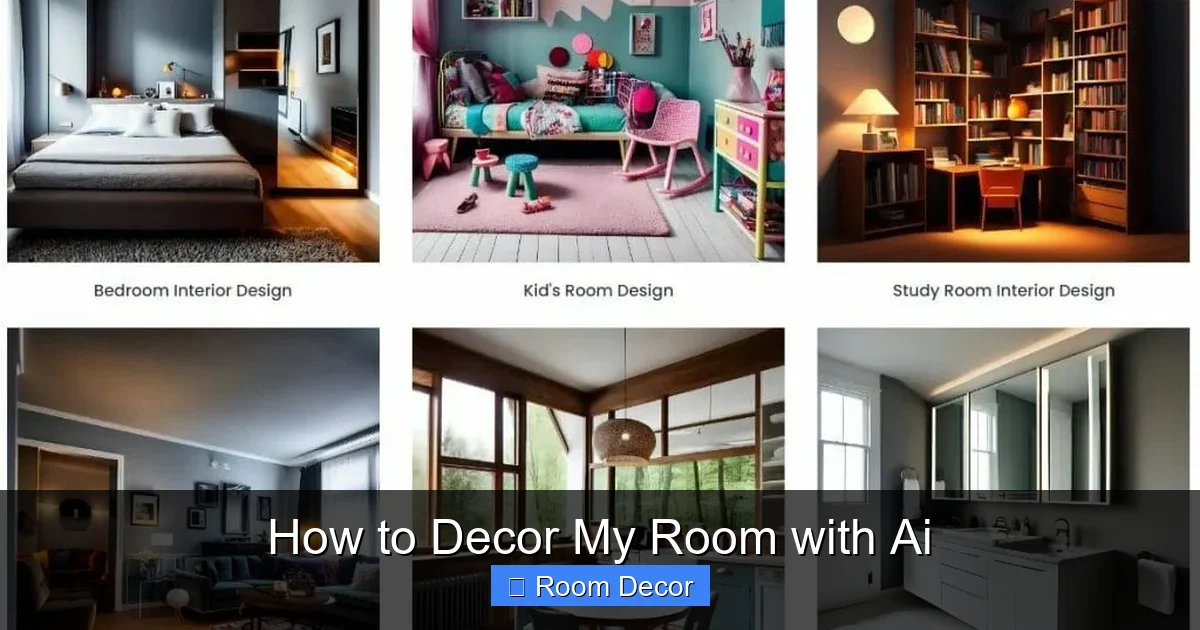
Once the AI has a grasp of your style, it’s time for the magic to happen. AI can generate a multitude of design concepts, offering fresh perspectives and ideas you might not have discovered otherwise.
H3: Prompting the AI for Ideas
Think of AI as a creative partner. You can provide text prompts to guide its suggestions. Be descriptive! The more detail you give, the better the results.
* Example Prompts:
* “Generate design ideas for a cozy, book-lover’s reading nook with warm lighting and natural wood elements.”
* “Suggest a modern, minimalist living room layout for a small apartment, focusing on decluttering and functional furniture.”
* “Create a vibrant, bohemian bedroom design with lots of plants and colorful textiles.”
H3: Exploring Different AI Platforms
Numerous AI platforms are available, each with its strengths. Some focus on generating photorealistic room designs, while others excel at creating mood boards or suggesting specific furniture items. Experimenting with a few can give you a broader range of inspiration.
* Popular AI Art Generators: Tools like Midjourney, DALL-E, or Stable Diffusion can be used to create abstract concepts or specific visual styles.
* Dedicated AI Interior Design Tools: Platforms like Havenly, Decorilla (which sometimes use AI assistance), or emerging AI-specific interior design apps are designed to generate full room layouts and visualizations.
Step 3: Creating Mood Boards with AI
Visual guide about How to Decor My Room with Ai
Image source: aiease.ai
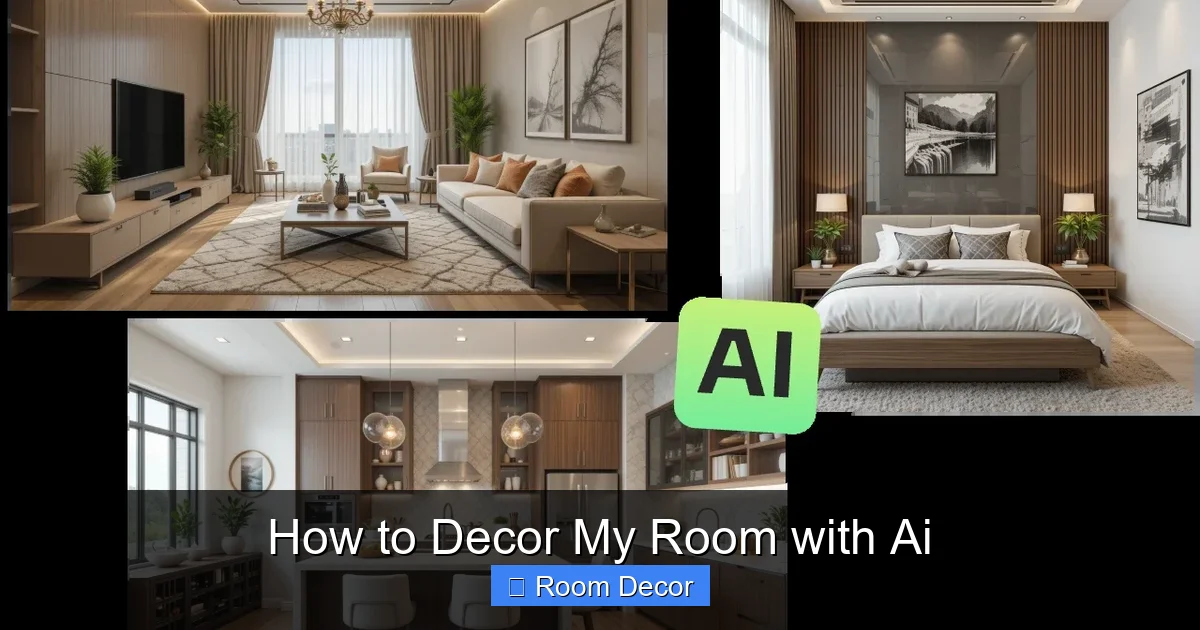
Mood boards are essential for visualizing a cohesive design. AI can help you create these quickly and efficiently, pulling together colors, textures, and furniture styles into a single, inspiring image.
H3: AI-Assisted Mood Board Creation
Many AI design tools have built-in mood board functionalities. You can often input your style preferences or even upload inspirational images, and the AI will curate a mood board for you.
* Example: If you’ve opted for a “coastal chic” theme, the AI might pull together images of sandy beaches, light blues, weathered wood, natural fibers, and relaxed furniture styles.
H3: Refining Your Mood Board
Don’t be afraid to iterate! If the initial mood board isn’t quite right, provide feedback to the AI. You can ask it to “add more greenery,” “try warmer wood tones,” or “incorporate more abstract art.”
* Tip: A good mood board should include color swatches, fabric textures, furniture styles, lighting examples, and potential decorative accents.
Step 4: Visualizing Your Room with AI Renderings
This is where AI truly shines. You can see your room design come to life before you make any purchases or begin any heavy lifting.
H3: AI-Powered Room Visualizers
Some AI tools allow you to upload a floor plan or a photo of your existing room and then apply the AI-generated design directly to it. This provides a realistic preview of how everything will look.
* Example: Upload a photo of your living room, and the AI can superimpose a new sofa, rug, and wall art in your chosen style, showing you exactly how they would fit and appear.
H3: Experimenting with Layouts and Furniture
AI visualizers are perfect for testing different furniture arrangements. You can see how a larger sofa might fit, experiment with placing a desk in a different corner, or visualize the impact of adding a new shelving unit.
* Practical Tip: Use this feature to determine the optimal placement of large furniture pieces to maximize flow and functionality in your room.
Step 5: Selecting Furniture and Decor with AI
Once you have a clear vision, AI can help you find the actual items to bring it to life.
H3: AI-Driven Product Recommendations
Many AI interior design platforms can recommend specific furniture and decor items that match your chosen style and fit within your budget. They often link directly to online retailers.
* Example: After generating a Scandinavian design, the AI might suggest a specific IKEA bookshelf, a particular brand of linen throw pillows from West Elm, or a minimalist floor lamp from a Danish design company.
H3: Checking Compatibility and Scale
AI can help ensure that the items you choose are compatible with each other and the scale of your room. It can flag if a piece of furniture is too large for the space or if a color scheme might clash.
* Troubleshooting Tip: If the AI suggests an item that’s out of budget, you can often prompt it to find “similar, more affordable options.”
Step 6: Implementing Your AI-Designed Room
With your AI-generated plan and curated shopping list, you’re ready to start decorating!
H3: Creating a Shopping List
Compile a clear list of all the items the AI has helped you select. Organize it by category (furniture, lighting, decor, paint colors) to make shopping more efficient.
H3: Following the AI’s Layout Guidance
Use the AI renderings to guide the placement of your furniture and decor. This ensures that you achieve the cohesive and aesthetically pleasing look that the AI helped you design.
* Real-World Application: If the AI suggested a gallery wall, use the renderings to decide on the exact spacing and arrangement of your frames.
Troubleshooting Common AI Decor Issues
While AI is incredibly powerful, it’s not always perfect. Here are some common issues you might encounter and how to address them.
H3: AI Misinterpreting Your Style
Sometimes, the AI might not perfectly capture your intended style. This can happen if your preferences are very niche or if the AI is trained on a limited dataset.
* Solution: Provide more specific feedback. Instead of just saying “I don’t like it,” try to articulate what you dislike. For example, “The sofa is too modern for my taste; I prefer something more traditional,” or “The color palette is too dark; I’m looking for something brighter.”
H3: Unrealistic or Generic Suggestions
Occasionally, AI-generated ideas can feel a bit generic or not entirely practical for real-world spaces.
* Solution: Use the AI as a starting point. Take its suggestions, but then apply your own judgment and creativity. If a layout seems impractical, adjust it. If a product suggestion feels too mass-produced, search for artisan alternatives.
H3: Technical Glitches or Slow Performance
Like any technology, AI tools can sometimes experience bugs, slow loading times, or interface issues.
* Solution: Refresh the page, try a different browser, or check if there are any updates available for the application you are using. If the issue persists, consider reaching out to the platform’s customer support or trying a different AI tool.
Conclusion: Your AI-Powered Decor Journey
Decorating your room has never been more accessible or exciting. By leveraging the power of Artificial Intelligence, you can overcome creative blocks, discover new design possibilities, and visualize your dream space with unprecedented ease. From understanding your unique style to generating stunning visual concepts and even selecting the perfect pieces, AI is your ultimate partner in creating a home that truly inspires you.
Remember, AI is a tool to augment your creativity, not replace it. Use it to explore, experiment, and get inspired. The final decisions and the personal touches that make a house a home are always yours. So go ahead, embrace the future of interior design, and decor your room with confidence and flair, powered by AI!