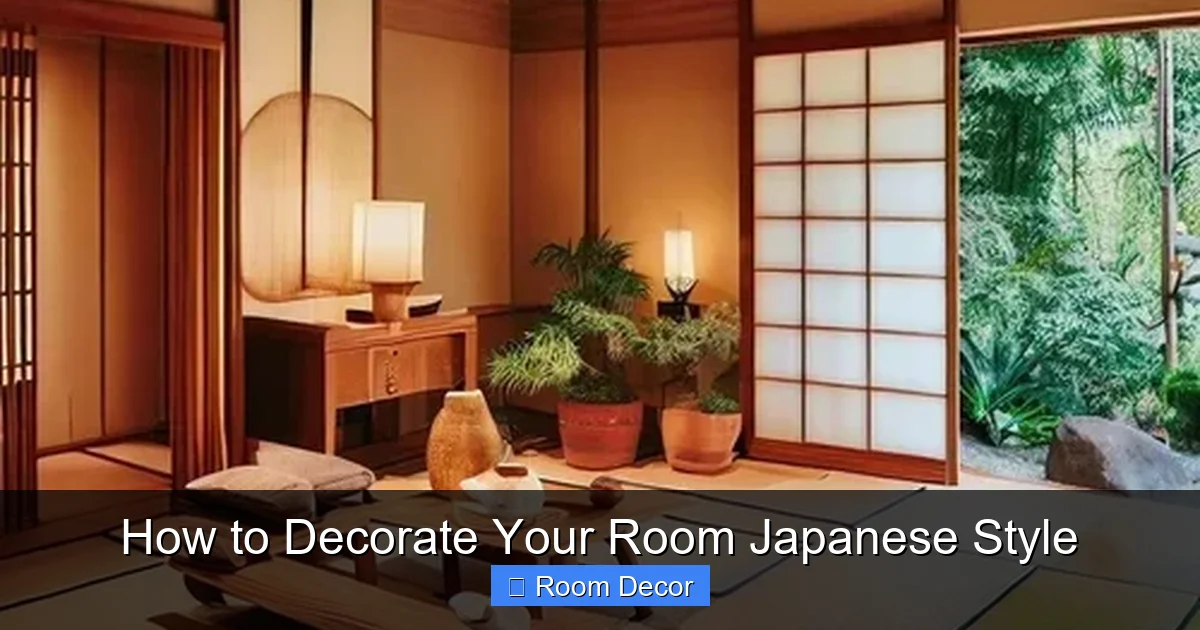
Discover how to create a tranquil and aesthetically pleasing Japanese-style room. This guide covers the core principles of minimalist design, the importance of natural materials, and how to incorporate elements that promote calm and mindfulness. Achieve a harmonious living space with practical steps and thoughtful design choices.
How to Decorate Your Room Japanese Style
Are you dreaming of a living space that feels like a peaceful escape? Do you long for a room that promotes calm, mindfulness, and a deep connection with nature? Transforming your room into a Japanese-style sanctuary might be the perfect solution. Japanese interior design is renowned for its simplicity, elegance, and harmonious integration of natural elements. It’s not just about aesthetics; it’s about creating an environment that nourishes the soul.
In this comprehensive guide, we’ll walk you through the essential principles and practical steps to decorate your room in a Japanese style. We’ll explore how to declutter, choose the right materials, select a serene color palette, and incorporate decorative elements that enhance the overall sense of tranquility. Get ready to transform your personal space into a haven of peace and beauty.
Key Takeaways
- Embrace Minimalism and Simplicity: Focus on decluttering and keeping only essential, functional items to create a sense of spaciousness and calm.
- Prioritize Natural Materials: Incorporate wood, bamboo, paper, and natural fibers to bring the outdoors in and create a warm, organic feel.
- Utilize Neutral and Earthy Color Palettes: Stick to muted tones like whites, creams, beiges, browns, and soft greens to foster a serene atmosphere.
- Incorporate Strategic Lighting: Soft, diffused lighting from paper lanterns and low-level lamps creates a cozy and inviting ambiance.
- Add Functional and Beautiful Decor: Choose a few select pieces like ikebana, scrolls, or ceramics that hold meaning and enhance the aesthetic.
- Consider Low-Level Furniture: Opt for low sofas, floor cushions (zabutons), and tatami mats to create a grounded and traditional feel.
- Create a Sense of Flow and Openness: Use screens (shoji) and avoid clutter to encourage an uncluttered and harmonious movement within the room.
Understanding the Core Principles of Japanese Interior Design
Before diving into the specifics, it’s helpful to grasp the underlying philosophy of Japanese interior design. It’s built on a foundation of:
- Wabi-Sabi: This is a worldview centered on the acceptance of transience and imperfection. It finds beauty in the rustic, the imperfect, and the incomplete.
- Simplicity (Kanso): Stripping away the unnecessary to reveal the essence of an object or space.
- Naturalness (Shizen): Embracing natural materials and forms, bringing the outdoors in.
- Asymmetry (Fukinsei): A preference for balanced, but not perfectly symmetrical arrangements.
- Subtlety (Yugen): Suggesting rather than stating; a deep, profound grace.
These principles guide every decision, from furniture placement to the choice of decorative items. By understanding these core ideas, you can create a room that truly embodies the spirit of Japanese style.
Step 1: Declutter and Embrace Minimalism
The first and perhaps most crucial step in achieving a Japanese-style room is to embrace minimalism. This style thrives on open space and a sense of order. Clutter is the enemy of serenity.
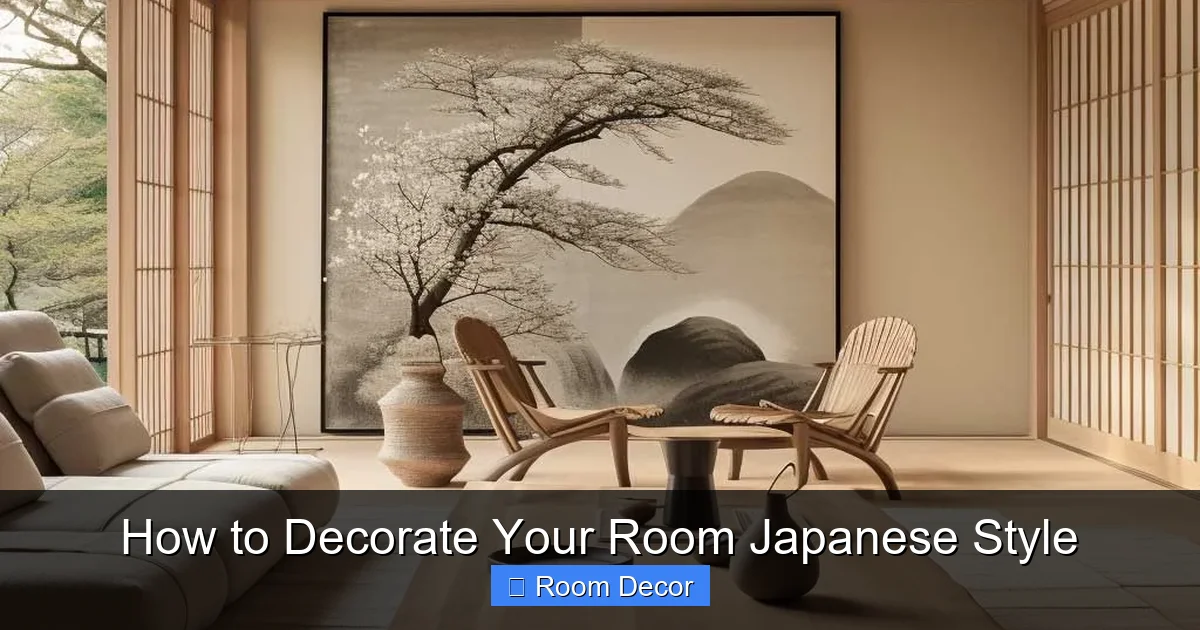
Visual guide about How to Decorate Your Room Japanese Style
Image source: i.pinimg.com
Declutter ruthlessly
Go through every item in your room. Ask yourself: “Does this item serve a purpose? Does it bring me joy? Is it beautiful?” If the answer to all three is no, it’s time to let it go.
- Sort into categories: Keep, Donate, Sell, Trash.
- Be honest with yourself: Don’t keep things “just in case.”
- Clear surfaces: Aim for clear countertops, tables, and shelves.
Organize what remains
Once you’ve decluttered, organize what’s left. Japanese design emphasizes hidden storage. Think sleek cabinets, simple boxes, and baskets.
- Use multi-functional furniture: Ottomans with storage or beds with drawers can be very useful.
- Keep items out of sight: The goal is to have minimal visible items.
Tip: Think of your room as a canvas. The less you have on it, the more the essential elements can shine.
Step 2: Choose a Serene Color Palette
Japanese interiors often feature a muted and natural color palette. This helps to create a calming and grounding atmosphere. The goal is to evoke the colors found in nature.
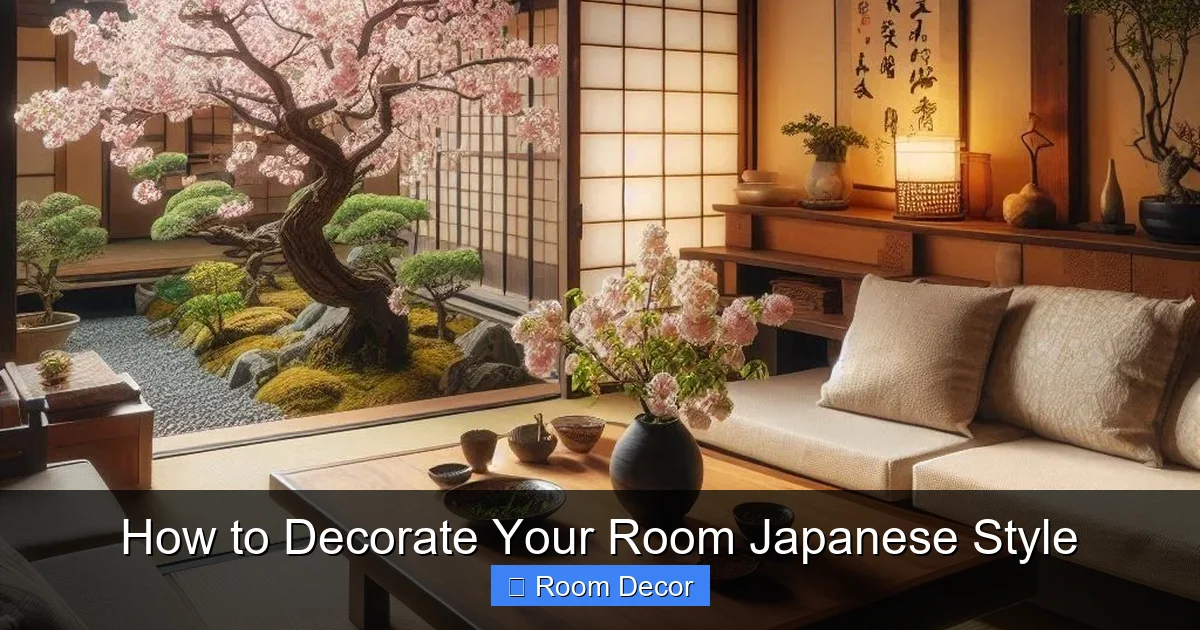
Visual guide about How to Decorate Your Room Japanese Style
Image source: i.pinimg.com
Focus on neutrals
Whites, creams, beiges, and light grays are excellent base colors. These provide a clean and airy foundation.
Incorporate earthy tones
Think about the colors of wood, stone, and soil. Browns, tans, and terracotta are perfect for adding warmth and depth.
Add subtle natural accents
Soft greens, muted blues, and even pale, dusty pinks can be used sparingly as accent colors. These should be reminiscent of natural landscapes – think moss, sky, or cherry blossoms.
Avoid: Bright, jarring colors, or overly bold patterns. The aim is harmony, not visual overload.
Step 3: Select Natural Materials
The use of natural materials is a cornerstone of Japanese interior design. These materials connect your space to the natural world and add warmth and texture.
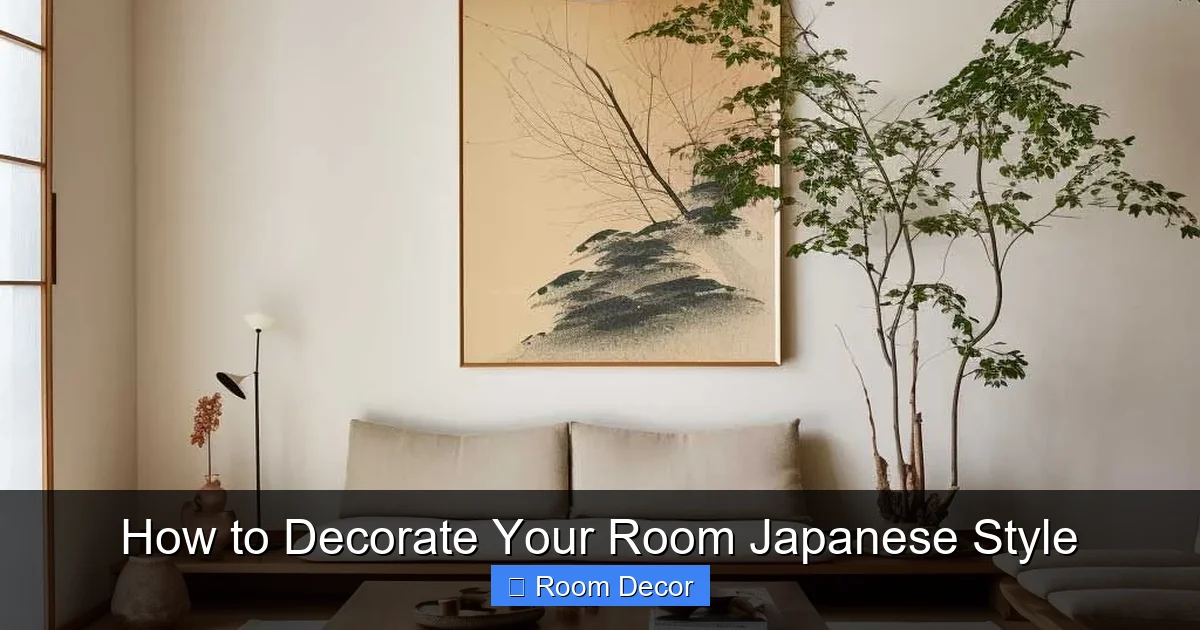
Visual guide about How to Decorate Your Room Japanese Style
Image source: i.pinimg.com
Wood
Wood is a dominant material. Think about light-colored woods like bamboo, birch, or maple for furniture, flooring, or decorative accents. Darker woods can also be used, but sparingly, to add a touch of sophistication.
Bamboo
Bamboo is incredibly versatile. It can be used for flooring, wall coverings, furniture, screens, and decorative objects. Its light color and clean lines fit perfectly.
Paper
Paper, particularly washi paper, is essential. It’s famously used in shoji screens, lanterns, and lampshades, diffusing light beautifully.
Natural Fabrics
Opt for natural fibers like cotton, linen, silk, and hemp for upholstery, curtains, and bedding. These materials add a soft, tactile quality to the room.
Stone and Ceramic
Stone elements, such as slate or river stones, can be incorporated through decorative pieces or even small accents in planters. Ceramics, especially those with a simple, artisanal finish, are excellent for vases and other decorative items.
Tip: Mix and match these materials to create visual interest without overwhelming the senses.
Step 4: Incorporate Low-Level Furniture
Traditional Japanese living often takes place closer to the ground. This creates a sense of intimacy and connection to the floor.
Low sofas and chairs
If you prefer seating over floor cushions, choose sofas and chairs with low profiles. They should feel grounded and not too imposing in the space.
Floor cushions (Zabutons)
These are essential for comfortable floor seating. They are often placed on tatami mats or simple rugs.
Low tables
A low coffee table or dining table is characteristic. These are perfect for enjoying tea, meals, or simply placing a book.
Tatami mats
While not always practical for an entire room, incorporating tatami mats in a specific area can instantly evoke a Japanese feel. They are made from woven rush straw and have a distinctive scent and texture.
Troubleshooting: If you find sitting on the floor difficult, use a comfortable chair with a low back and clean lines, or a well-cushioned floor stool.
Step 5: Master Lighting
Lighting plays a vital role in creating the serene ambiance of a Japanese-style room. The focus is on soft, diffused light rather than harsh, direct illumination.
Paper Lanterns (Andon)
These are iconic. Use floor lamps or pendant lights with paper shades. They cast a warm, gentle glow that is incredibly inviting.
Ambient lighting
Strategically place several low-level light sources rather than one overhead fixture. This creates pools of light and shadows, adding depth and coziness.
Natural light
Maximize natural light during the day. Use sheer curtains made from natural fabrics to diffuse sunlight without blocking it entirely.
Dimmer switches
Consider installing dimmer switches on your lights to control the intensity and mood.
Tip: Avoid spotlights or very bright, cool-toned bulbs. Stick to warm-toned bulbs with lower wattage.
Step 6: Decorate with Purpose and Simplicity
Japanese decoration is about mindful selection. Each item should have meaning or contribute to the overall aesthetic without creating clutter.
Ikebana (Flower Arrangement)
A single, artfully arranged branch or a small, elegant bouquet can add a touch of natural beauty. Focus on simplicity and form.
Scrolls and Artwork
A simple calligraphy scroll or a piece of minimalist art can be a focal point. Choose pieces that are not overly busy.
Ceramics and Pottery
A beautiful, handcrafted ceramic vase or a set of elegant tea cups can add texture and artistry.
Plants
Bonsai trees, bamboo plants, or other simple, architectural plants bring life and a connection to nature. Choose plants with clean lines and elegant foliage.
Screens (Shoji)
If possible, use shoji screens to divide spaces or as decorative wall elements. They allow light to filter through beautifully and create a sense of gentle separation.
Minimalist Shelving
If you need shelves, opt for simple, clean designs, perhaps made of wood. Display only a few curated items.
What to avoid: Knick-knacks, excessive souvenirs, clutter on surfaces, overly elaborate or brightly colored decorations.
Step 7: Create a Sense of Flow and Balance
Japanese interior design emphasizes a harmonious flow of energy within the room. This is achieved through careful arrangement and maintaining a sense of openness.
Negative Space
Don’t feel the need to fill every corner. Negative space, or empty areas, is just as important as the space filled with objects. It allows the eye to rest and creates a feeling of calm.
Symmetry and Asymmetry
While perfect symmetry is often avoided in favor of natural, asymmetrical balance, the overall arrangement should feel harmonious and pleasing to the eye. Think of a balanced composition in a painting.
Room Layout
Arrange furniture to facilitate easy movement through the room. Avoid blocking pathways.
Doorways and Windows
Keep these areas clear. They are points of connection to the outside world and should not be obstructed.
Tip: Imagine the energy (or “chi”) flowing through your room. Is it smooth and unobstructed, or is it blocked and stagnant?
Troubleshooting Common Challenges
“My room feels too bare.” This is a common concern when embracing minimalism. The key is to add warmth and texture through natural materials and strategic lighting, rather than more objects. Consider a natural fiber rug, wooden accents, or a few well-chosen decorative pieces.
“I have too many personal items I can’t part with.” If you have sentimental items, try to display them thoughtfully. Perhaps a small collection of treasured photos can be arranged in simple, elegant frames on a designated shelf, or a meaningful object can be placed on a minimalist stand.
“Is it possible to have a Japanese style in a small apartment?” Absolutely! Minimalism is a great solution for small spaces. Focus on decluttering, smart storage, and using a light, neutral color palette to make the room feel larger and more serene.
“How do I make it feel warm and cozy, not sterile?” Warmth comes from the materials used (wood, natural fabrics), soft lighting, and a few carefully chosen decorative elements. Avoid stark white on all surfaces. Introduce earthy tones and natural textures.
Conclusion: Cultivating Your Japanese-Style Sanctuary
Decorating your room in Japanese style is more than just an aesthetic choice; it’s a journey towards creating a more peaceful, intentional, and mindful living space. By embracing minimalism, prioritizing natural materials, and paying attention to light and form, you can transform your room into a serene sanctuary.
Remember that the essence of Japanese design lies in its simplicity, harmony, and connection to nature. It’s about creating a space that allows you to feel grounded, calm, and refreshed. Take your time with each step, be mindful of your choices, and most importantly, enjoy the process of cultivating your own tranquil haven.