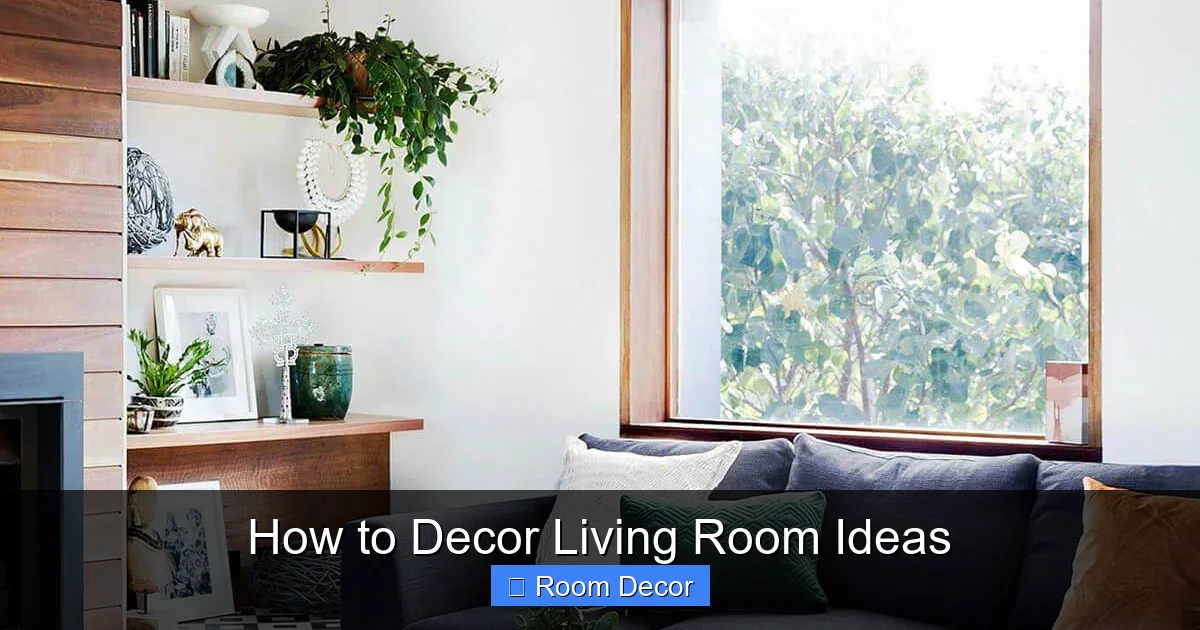
Transform your living room with this comprehensive guide to decor. Learn to master layout, choose the perfect color palette, select functional furniture, and add stylish accents. Follow our step-by-step advice to create a beautiful and inviting living room that reflects your personal style.
Decorating your living room is an exciting journey to create a space that’s both beautiful and functional. It’s the heart of your home, where you relax, entertain guests, and spend quality time with family. But where do you even begin with so many living room decor ideas out there? This comprehensive guide will walk you through every step, from defining your style to adding those final, personal touches. You’ll learn how to create a living room that truly reflects you.
Let’s dive into making your living room the best it can be!
Key Takeaways
- Define Your Style: Understanding your desired aesthetic is the crucial first step to cohesive living room decor.
- Master Layout and Flow: Strategically arrange furniture to create functional zones and ensure easy movement within the room.
- Choose a Color Palette Wisely: Select colors that evoke the desired mood and complement each other for a harmonious space.
- Invest in Key Furniture Pieces: Prioritize comfortable and appropriately sized furniture that serves the room’s purpose.
- Layer Lighting for Ambiance: Combine ambient, task, and accent lighting to create depth, warmth, and functionality.
- Accessorize Thoughtfully: Add personality and visual interest with decorative items that align with your chosen style.
- Don’t Forget the Walls: Utilize artwork, mirrors, and paint to enhance the visual appeal and character of your living room.
Step 1: Define Your Living Room Decor Style
Before you pick out a single pillow or paint color, take some time to figure out what kind of vibe you want for your living room. Your style will guide all your other decor decisions. Think about spaces you’ve seen and loved – what elements drew you in?
Explore Different Decor Styles
There are many popular living room decor styles to consider. Here are a few to get your ideas flowing:
- Modern: Clean lines, minimalist approach, neutral colors with bold accents, and functional furniture. Think sleek and uncluttered.
- Traditional: Classic furniture with elegant details, rich fabrics, symmetrical arrangements, and a focus on comfort and formality.
- Bohemian (Boho): Eclectic, free-spirited, and layered. It embraces a mix of patterns, textures, colors, and global influences.
- Farmhouse: Rustic charm with a cozy feel. Features natural materials like wood and metal, vintage-inspired pieces, and a neutral color palette.
- Scandinavian: Light, airy, and functional. Focuses on simplicity, natural materials, and a palette of whites, grays, and light wood tones.
- Industrial: Raw and unfinished elements like exposed brick, metal, and wood. Often features utilitarian furniture and a neutral color scheme.
Gather Inspiration
Once you have a general idea, start collecting images.
- Pinterest and Instagram: These are goldmines for living room decor ideas. Create boards or save posts that resonate with you.
- Magazines: Interior design magazines offer curated looks and trends.
- Showrooms: Visit furniture stores and home decor shops to see pieces and styles in person.
Create a Mood Board
Compile your inspiration into a physical or digital mood board. This helps you visualize how different elements will come together. Include colors, textures, furniture styles, and artwork. This is a crucial step for ensuring a cohesive look for your living room decor.
Step 2: Plan Your Living Room Layout and Flow
Visual guide about How to Decor Living Room Ideas
Image source: decorilla.com
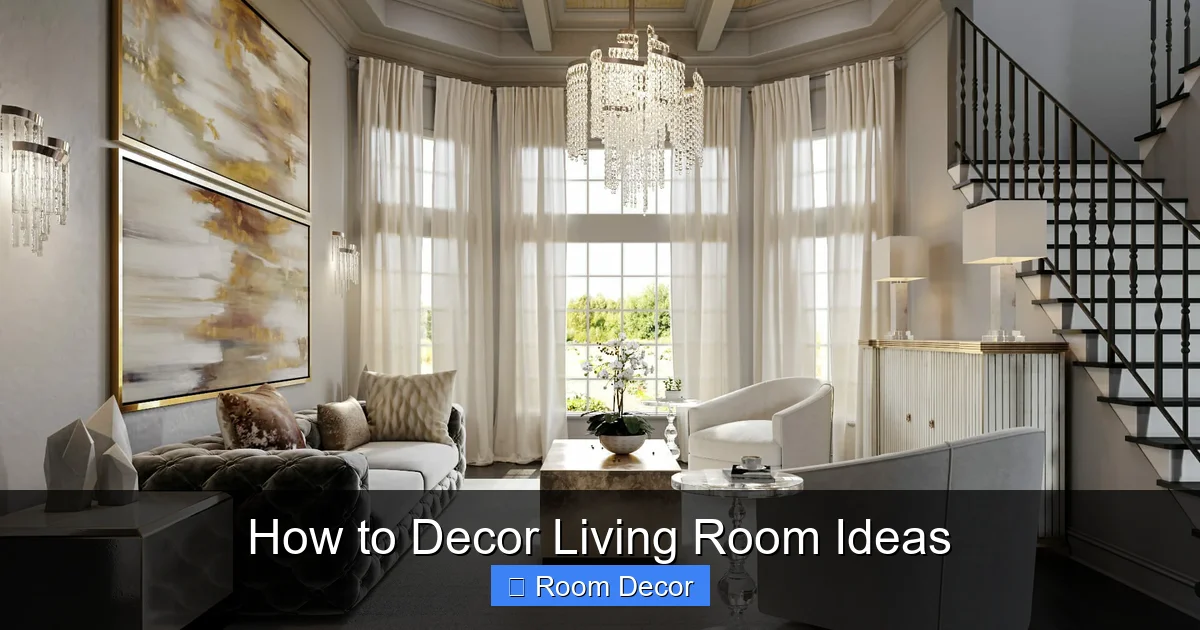
A well-planned layout is the foundation of a functional and inviting living room. It dictates how you move through the space and how you use different areas.
Measure Your Space
Before buying any furniture, measure your living room accurately. Note the dimensions of the walls, windows, doors, and any architectural features. This prevents you from buying furniture that’s too large or too small for the space.
Identify Key Zones
Think about how you’ll use your living room. Will it be primarily for watching TV, reading, entertaining, or a combination?
- Conversation Area: Arrange seating to encourage interaction. Sofas and chairs should face each other or be angled towards a central point.
- Media Zone: If you have a TV, ensure comfortable viewing angles from your main seating.
- Reading Nook: A comfortable armchair, a side table, and a floor lamp can create a cozy reading spot.
Create a Floor Plan
Draw a simple floor plan to scale. You can use graph paper or online tools. Experiment with different furniture arrangements on paper before moving heavy items.
Tips for Furniture Arrangement
- Anchor with a Rug: A rug defines the conversation area and ties furniture together. Ensure at least the front legs of your main seating pieces are on the rug.
- Leave Enough Space: Allow at least 18-24 inches between coffee tables and sofas for easy movement. Ensure at least 3 feet between seating groups for comfortable traffic flow.
- Consider the Focal Point: This could be a fireplace, a large window with a view, or your entertainment center. Arrange furniture to complement it.
- Balance the Room: Distribute furniture visually. Avoid placing all the heavy pieces on one side.
- Don’t Push Everything Against the Walls: Pulling furniture slightly away from the walls can create a more intimate and welcoming feel.
Step 3: Choose a Color Palette
Visual guide about How to Decor Living Room Ideas
Image source: bhg.com
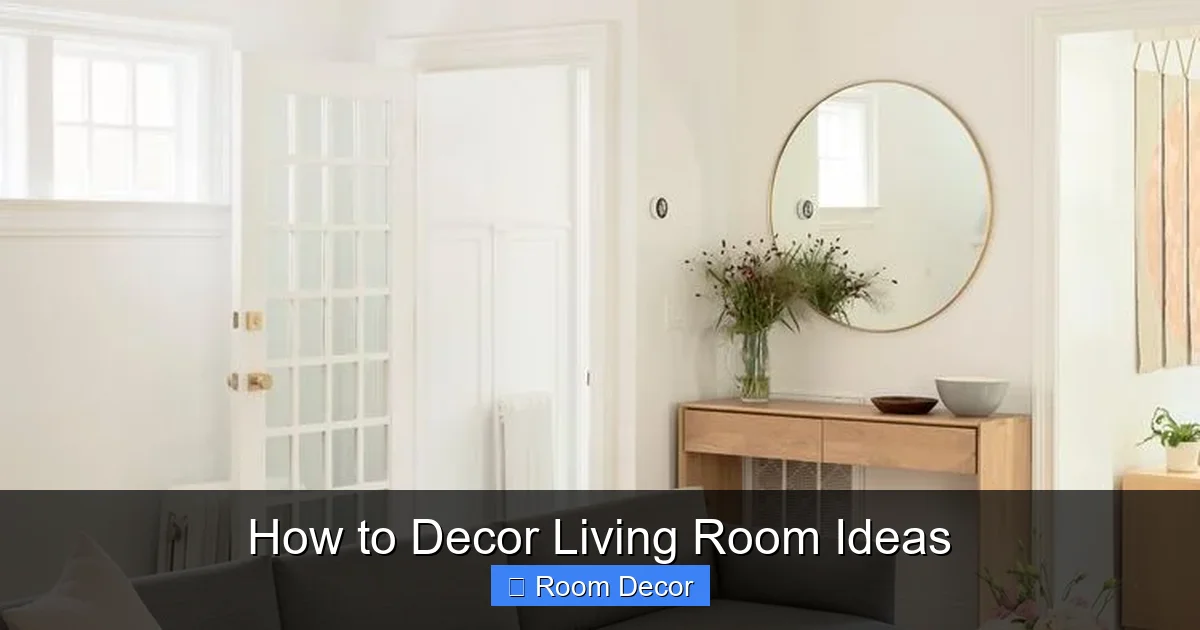
Color has a powerful impact on the mood and atmosphere of your living room. Selecting the right color palette is key to successful living room decor.
Understand Color Theory Basics
* Monochromatic: Uses variations of a single color. Creates a serene and sophisticated look.
* Analogous: Uses colors that are next to each other on the color wheel (e.g., blue, green, yellow). Creates a harmonious and calm feel.
* Complementary: Uses colors opposite each other on the color wheel (e.g., blue and orange). Creates high contrast and energy. Use with care, often best for accents.
* Triadic: Uses three colors equally spaced on the color wheel. Offers vibrant and balanced palettes, but can be tricky to balance.
Select Your Base Colors
Start with 1-2 main colors for your walls and large furniture pieces. These are often neutrals like white, beige, gray, or greige. They provide a versatile backdrop.
Add Accent Colors
Introduce 1-2 accent colors through smaller decor items like pillows, throws, artwork, and accessories. These colors add personality and interest.
Consider the Mood
* **Calm and Relaxing:** Blues, greens, soft grays, and muted pastels.
* Warm and Cozy: Earthy tones like terracotta, warm browns, deep reds, and golden yellows.
* Energetic and Vibrant: Brighter blues, oranges, yellows, and even bold pinks or purples.
Paint Tips
* **Test Paint Samples:** Always paint large swatches on your wall and observe them in different lights throughout the day.
* Sheen Matters: Matte or eggshell finishes are good for living rooms as they hide imperfections. Semi-gloss can be used for trim.
Step 4: Select Your Key Furniture Pieces
Visual guide about How to Decor Living Room Ideas
Image source: womentriangle.com
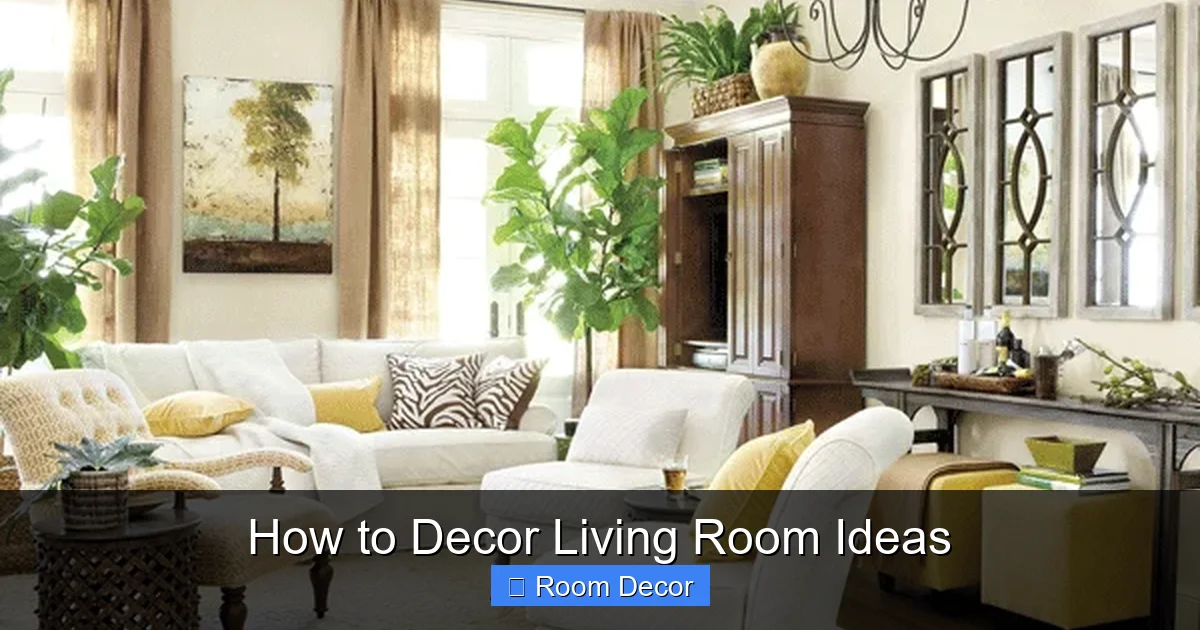
Your furniture is the backbone of your living room. Choose pieces that are comfortable, functional, and fit your style and space.
The Sofa: The Star of the Show
* Size: Measure your space and your doorways to ensure the sofa will fit. Consider a sectional if you have a large room or need ample seating.
* Style: From a sleek modern sofa to a plush, traditional one, choose a style that aligns with your overall decor.
* Comfort: Sit on it! Make sure it’s comfortable for lounging and sitting.
* Fabric: Consider durability and ease of cleaning, especially if you have kids or pets. Performance fabrics are a great option.
Chairs and Accent Seating
Add extra seating with armchairs, accent chairs, or ottomans. These can introduce different textures, colors, or styles.
Coffee Table and Side Tables
* Function: Think about what you need them for. Do you need storage? Do you eat or work from them?
* Size: A coffee table should be about two-thirds the length of your sofa and a comfortable height for reaching drinks. Side tables should be roughly the same height as the arm of your sofa.
* Material: Wood, glass, metal, or upholstered ottomans all offer different looks and feels.
Entertainment Unit or Media Console
If you have a TV, a dedicated unit helps manage cords and store media. It can also serve as a display surface for decor.
Storage Solutions
Bookshelves, cabinets, or credenzas can help keep your living room tidy and organized. They also provide opportunities to display decorative items.
Step 5: Layer Your Lighting
Good lighting can transform a room. Instead of relying on a single overhead light, layer different types of lighting to create ambiance and functionality. This is a crucial element of sophisticated living room decor.
Ambient Lighting
This is the general overhead lighting that illuminates the entire room.
* Ceiling Fixtures: Chandeliers, flush mounts, or pendant lights.
* Recessed Lighting: Provides even illumination.
* Wall Sconces: Can add soft, upward or downward light.
Task Lighting
This is focused light for specific activities.
* Floor Lamps: Perfect for reading nooks or beside a sofa.
* Table Lamps: Place on side tables or consoles for reading or general light.
Accent Lighting
This lighting highlights specific features or decor.
* Picture Lights: To illuminate artwork.
* Uplights: Placed behind plants or furniture to create dramatic shadows.
* Dimmers: Install dimmers on most fixtures to control the intensity and mood.
Step 6: Add Textiles and Soft Furnishings
Textiles add warmth, texture, and color to your living room, making it feel cozy and inviting.
Rugs
As mentioned in layout, a rug grounds the furniture and defines the space.
* Material: Wool, jute, cotton, or synthetic fibers offer different textures and durability.
* Pattern: Can add visual interest or a subtle grounding element.
* Size: Ensure it’s appropriately sized for your seating area.
Curtains and Blinds
Window treatments affect light, privacy, and style.
* Fabric: Heavier fabrics like velvet or linen add warmth. Lighter fabrics offer a more airy feel.
* Color: Can complement or contrast with your walls.
* Style: From elegant drapes to minimalist blinds, choose what fits your aesthetic.
Throw Pillows and Blankets
These are easy ways to add pops of color, pattern, and texture. Mix and match different sizes, shapes, and fabrics for an inviting look.
Step 7: Accessorize and Personalize
This is where your living room truly comes to life and reflects your personality.
Artwork and Wall Decor
* Gallery Walls: A curated collection of photos, prints, or art.
* Large Statement Piece: A single, impactful artwork can be a focal point.
* Mirrors: Reflect light and make the space feel larger. Choose frames that match your style.
* Wall Hangings: Macrame, tapestries, or decorative plates.
Decorative Objects
* Vases and Sculptures: Add sculptural elements.
* Books: Stacked on tables or shelves, they add a personal touch.
* Candles and Trays: For ambient light and to organize smaller items.
* Plants: Bring life, color, and freshness into the room.
Personal Touches
Don’t shy away from displaying items that are meaningful to you – souvenirs, family photos, or heirlooms. These make your living room feel like home.
Troubleshooting Common Living Room Decor Challenges
* Room feels too small: Use lighter colors, mirrors, leggy furniture, and a well-organized layout. Avoid overcrowding.
* Room feels too big or empty: Anchor zones with rugs, group furniture closer together, add layers of textiles, and use larger artwork.
* Not enough light: Incorporate multiple light sources (ambient, task, accent), use mirrors to reflect light, and choose lighter wall colors.
* Furniture doesn’t feel cohesive: Ensure a consistent color palette or material theme. A unifying rug can also tie disparate pieces together.
* Too much clutter: Implement effective storage solutions and regularly declutter. “A place for everything, and everything in its place” is key.
Conclusion
Decorating your living room is a creative process that involves thoughtful planning and personal expression. By defining your style, mastering your layout, choosing a harmonious color palette, selecting functional furniture, layering lighting, adding soft textiles, and personalizing with accessories, you can create a living room that is not only beautiful but also a true reflection of you. Remember, it’s your space – have fun with it and enjoy the process of making it your own! Your ideal living room decor is within reach.