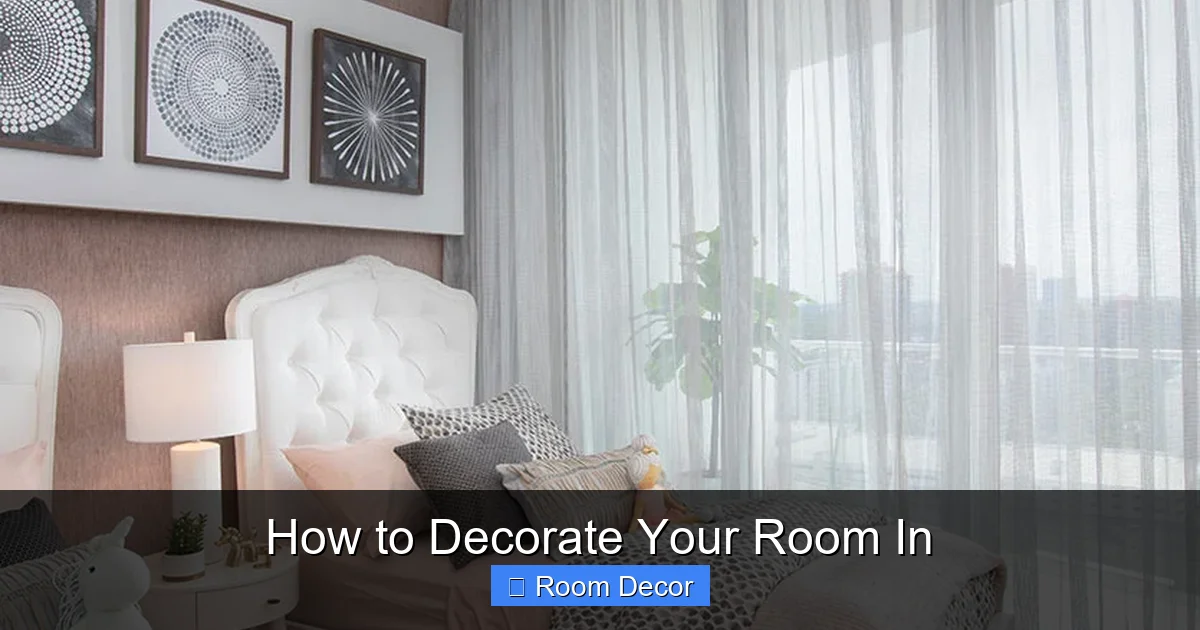
Transform your living space with our ultimate guide on how to decorate your room! We’ll walk you through the entire process, from defining your style and planning your layout to choosing the perfect color palette and adding those finishing touches. Get ready to create a room that’s both beautiful and functional, reflecting your unique personality.
Ready to give your room a makeover? Wondering how to decorate your room to make it a sanctuary you’ll love spending time in? You’ve come to the right place! Decorating your room is an exciting way to express yourself and create a space that’s both functional and beautiful. Whether you’re starting from scratch or just want to refresh your current setup, this guide will take you step-by-step through the process. We’ll cover everything from figuring out your personal style to choosing the perfect colors, furniture, and accessories. Let’s dive in and learn how to decorate your room into a space that feels uniquely you!
Key Takeaways
- Define Your Style First: Before you buy anything, understand the aesthetic you’re aiming for to ensure a cohesive and personal space.
- Plan Your Layout Thoughtfully: Consider the function of your room and how furniture placement affects flow and usability.
- Master the Color Palette: Choosing the right colors can dramatically impact the mood and perception of your room.
- Layer Your Lighting: Combine ambient, task, and accent lighting to create depth and functionality.
- Don’t Forget Texture: Incorporating various textures adds visual interest and a sense of comfort.
- Personalize with Decor: Art, plants, and accessories are what truly make a room feel like *your* own.
Step 1: Discover Your Personal Style
The first and most crucial step in learning how to decorate your room is understanding your own preferences. What makes you feel comfortable and inspired? Your room should be a reflection of your personality.
Identify Your Aesthetic
Take some time to explore different design styles. Think about what you see on Pinterest, in magazines, or in your favorite movies and shows. Do you gravitate towards:
* Modern: Clean lines, minimalist design, neutral colors.
* Bohemian (Boho): Eclectic, vibrant colors, natural elements, mixed patterns.
* Industrial: Exposed brick, metal accents, raw materials, a utilitarian feel.
* Scandinavian: Light colors, natural wood, simplicity, functionality.
* Farmhouse: Rustic charm, cozy fabrics, vintage touches, natural materials.
* Coastal: Light blues, sandy neutrals, natural textures, airy feel.
Create a Mood Board
Once you have a general idea of your style, create a visual mood board. This can be a physical board with magazine clippings and fabric swatches, or a digital one using tools like Pinterest or Canva. Collect images of rooms, furniture, colors, textures, and decor items that appeal to you. This will help you see common themes and solidify your vision for how to decorate your room.
Step 2: Plan Your Room Layout
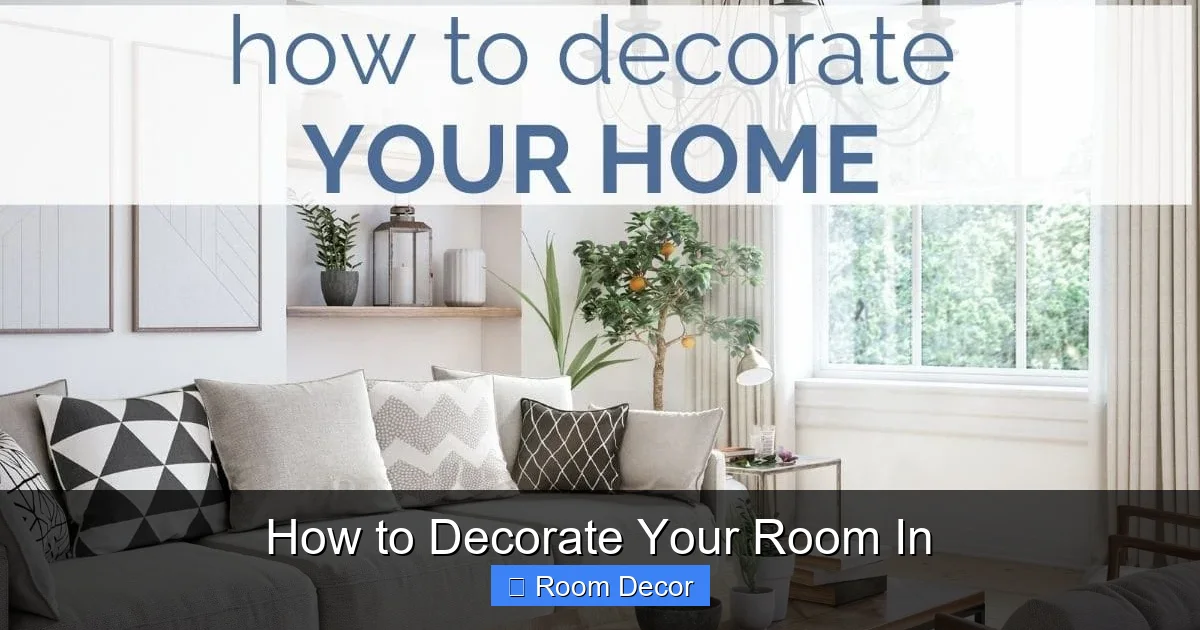
Visual guide about How to Decorate Your Room In
Image source: jennakateathome.com
A well-planned layout is key to a functional and aesthetically pleasing room. It’s not just about how it looks, but how it *feels* and how you can move around in it.
Measure Your Space
Before buying any furniture, measure your room accurately. Note the dimensions of the walls, windows, doors, and any architectural features like radiators or built-in shelves. Also, consider the placement of electrical outlets.
Consider Room Function
Think about how you will use your room. Is it primarily for sleeping, studying, entertaining, or a combination of these? This will influence where you place furniture and what types of furniture you need. For example, if you need a workspace, dedicate a corner with a desk and good lighting.
Sketch a Floor Plan
Draw a simple floor plan of your room to scale. You can do this on graph paper or use free online tools. Cut out paper templates of your furniture (also to scale) and experiment with different arrangements. This helps you visualize how furniture will fit and ensure there’s enough walking space. Aim for clear pathways between furniture pieces.
Focal Point
Identify a natural focal point in your room, such as a window with a view, a fireplace, or even a large piece of art. Arrange your furniture to draw attention to this focal point. This is a fundamental aspect of learning how to decorate your room effectively.
Step 3: Choose Your Color Palette
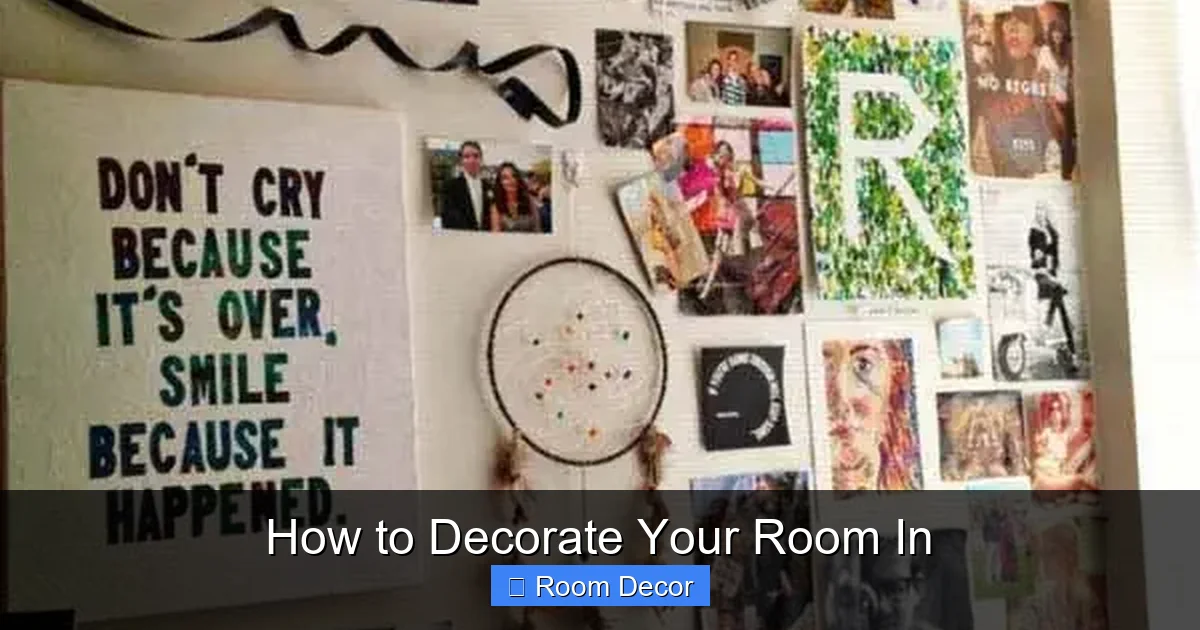
Visual guide about How to Decorate Your Room In
Image source: woohome.com
Color has a powerful impact on mood and atmosphere. Selecting the right colors is essential for achieving the desired feel in your room.
Understand Color Theory Basics
* Monochromatic: Using different shades and tints of a single color. Creates a serene and sophisticated look.
* Analogous: Using colors that are next to each other on the color wheel (e.g., blue, blue-green, green). Creates a harmonious and calm feeling.
* Complementary: Using colors that are opposite each other on the color wheel (e.g., blue and orange). Creates high contrast and vibrancy. Use with caution in large doses.
* Triadic: Using three colors evenly spaced on the color wheel (e.g., red, yellow, blue). Offers a balanced yet vibrant palette.
Select Your Base Colors
Typically, a room’s color palette consists of three main colors:
* Dominant Color: This is usually the color of your walls. It covers the largest area and sets the overall tone.
* Secondary Color: This color is used for larger furniture pieces like your sofa or bed, or for curtains and rugs. It should complement or contrast with the dominant color.
* Accent Color: This is for smaller decorative items like throw pillows, artwork, or small decor pieces. It adds pops of interest and personality.
Test Your Colors
Always test paint colors on your walls before committing. Paint large swatches on different walls, as the color will look different depending on the light. Observe them at different times of day.
Step 4: Select Your Furniture
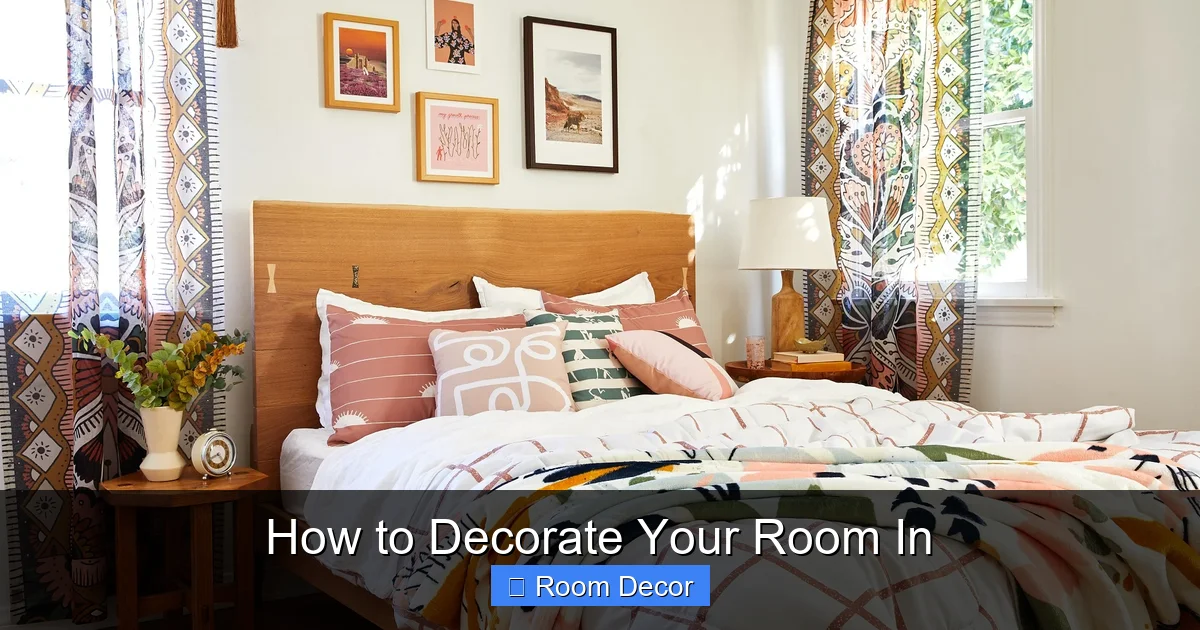
Visual guide about How to Decorate Your Room In
Image source: blog.society6.com
Furniture is the backbone of any room. Choose pieces that are not only stylish but also comfortable and suit your needs.
Prioritize Essential Pieces
Start with the essentials based on your room’s function. For a bedroom, this means a bed, dresser, and nightstand. For a living room, it might be a sofa, coffee table, and accent chairs.
Consider Scale and Proportion
Ensure your furniture is appropriately sized for your room. Oversized furniture can make a small room feel cramped, while too little furniture can make a large room feel empty. Use your floor plan sketches to guide your choices.
Mix and Match (Strategically)
You don’t need to buy all your furniture from the same set. Mixing and matching can create a more curated and interesting look. However, ensure there’s a common thread – perhaps a consistent material, color, or style – to maintain cohesion. This is a key skill in knowing how to decorate your room with character.
Invest in Quality for Key Pieces
For items like your sofa or bed, invest in quality pieces that will last. You can save money on smaller, trend-driven items.
Step 5: Layer Your Lighting
Good lighting can completely transform a room. It affects mood, functionality, and the perception of space. Layering different types of lighting is the best approach.
Ambient Lighting
This is the general, overhead illumination of your room. Think ceiling fixtures, recessed lighting, or floor lamps that provide overall brightness.
Task Lighting
This is directed light for specific activities. Examples include a desk lamp for reading or working, a pendant light over a kitchen island, or bedside lamps for reading in bed.
Accent Lighting
This type of lighting is used to highlight specific features, like artwork, plants, or architectural details. Wall sconces, picture lights, or spotlights are common accent lighting choices.
Dimmers and Smart Bulbs
Install dimmers on your lights to control the intensity and mood. Smart bulbs offer even more flexibility, allowing you to change colors and brightness via an app.
Step 6: Add Textiles and Textures
Textiles add warmth, comfort, and visual interest to a room. They are crucial for making a space feel inviting and lived-in.
Rugs
A rug can anchor a seating area, define a space, and add color and texture. Consider the material (wool, jute, synthetic), pattern, and color that complements your overall design.
Curtains and Blinds
Window treatments not only control light and privacy but also add softness and style. Choose fabrics, colors, and patterns that enhance your room’s aesthetic.
Throw Pillows and Blankets
These are easy ways to inject color, pattern, and texture. Mix and match different sizes, shapes, and materials for a cozy and inviting feel.
Upholstery
The fabric on your sofa, chairs, and headboard contributes significantly to the room’s texture. Consider materials like velvet for luxury, linen for a relaxed feel, or leather for a modern edge.
Step 7: Accessorize and Personalize
This is where your room truly comes to life and becomes uniquely yours. Accessories are the finishing touches that express your personality.
Artwork
Hang art that you love. This could be paintings, prints, photographs, or even tapestries. Grouping smaller pieces can create a gallery wall.
Plants
Greenery brings life and freshness into a room. Choose plants that suit your light conditions and your level of plant-care commitment.
Mirrors
Mirrors can make a room feel larger and brighter by reflecting light and space. They also serve as decorative elements.
Decorative Objects
Display items that have meaning to you – souvenirs from travels, family heirlooms, books, candles, or sculptures. Arrange them thoughtfully on shelves, tables, or mantels.
Consider a Theme (Subtle)
If you have a strong interest, like travel or a particular hobby, you can subtly incorporate elements of it into your decor without making the room feel kitschy.
Troubleshooting Common Decorating Challenges
Even with the best intentions, you might encounter a few hurdles when learning how to decorate your room. Here are some common issues and how to tackle them:
Problem: My room feels too small.
Solution:
* Use lighter colors: Light paint colors on walls and ceilings can make a room feel more expansive.
* Strategic mirror placement: Place mirrors opposite windows to reflect light and the view, creating an illusion of more space.
* Vertical space: Draw the eye upward with tall bookshelves, floor-to-ceiling curtains, or vertical stripes.
* Leggy furniture: Furniture with exposed legs can create a sense of openness by allowing light to flow underneath.
* Declutter: A cluttered room always feels smaller.
Problem: The room feels unbalanced.
Solution:
* **Symmetry:** Arrange furniture symmetrically around a central point for a sense of order and calm.
* **Visual Weight:** Distribute visual weight evenly. If you have a large, dark sofa on one side, balance it with other substantial pieces or groupings of items on the other side.
* **Color Distribution:** Spread accent colors around the room rather than concentrating them in one area.
Problem: I can’t seem to tie everything together.
Solution:
* **Find a common thread:** Look at your mood board or your existing items. Is there a recurring color, material, or pattern? Use this as your unifying element.
* **Repeat elements:** Repeat a color or pattern in different areas of the room – for example, a throw pillow that matches a detail in your artwork.
* **Neutrals are your friend:** Use neutral colors (whites, grays, beiges, blacks) as a foundation to bridge different elements and prevent the room from looking too chaotic.
Conclusion
Learning how to decorate your room is a journey of self-discovery and creativity. By following these steps – from defining your style and planning your layout to carefully selecting colors, furniture, lighting, textiles, and accessories – you can transform any space into a reflection of your unique personality and a place you’ll truly love. Remember to have fun with the process! Don’t be afraid to experiment, make mistakes, and adjust as you go. Your room is your canvas, so paint it with your dreams and enjoy the beautiful space you create.