Decorating room walls can completely transform your living space! This guide offers practical advice for every step, from choosing a style to selecting the perfect paint color or wallpaper pattern. We’ll cover hanging art, creating gallery walls, and even DIY projects to personalize your walls. Get ready to make your rooms shine with these expert tips and techniques.
How to Decorate Room Walls
Your walls are the biggest canvas in your home. They are the backdrop to your life, the silent witnesses to your conversations, your celebrations, and your quiet moments. Because they are so prominent, decorating room walls is one of the most impactful ways to change the feel and personality of any space. Whether you’re looking for a subtle refresh or a dramatic makeover, this comprehensive guide will walk you through everything you need to know to decorate your room walls with confidence and style.
We’ll cover it all: from the initial planning stages and choosing your aesthetic, to the practicalities of paint, wallpaper, and beyond. You’ll learn how to prepare your walls for a perfect finish, how to select the right colors and textures, and how to hang art and create stunning displays. Get ready to unlock the potential of your walls and create rooms you truly love.
Key Takeaways
- Understand Your Style: Before decorating, define your aesthetic (minimalist, bohemian, modern, etc.) to guide your choices in color, texture, and art.
- Prep is Key: Proper wall preparation, including cleaning, patching, and priming, ensures a flawless and long-lasting finish for paint, wallpaper, or other applications.
- Color Psychology Matters: Choose paint colors that evoke the desired mood and atmosphere for each room, considering how light affects the perception of color.
- Beyond Paint: Explore diverse wall decorating options like wallpaper, wall decals, textured finishes, and paneling to add depth and visual interest.
- Artful Arrangement: Learn principles for hanging art, creating gallery walls, and displaying other decorative items to achieve balance and a cohesive look.
- Consider Scale and Proportion: Select decor items and art that are appropriately sized for your walls and furniture to avoid making the room feel cramped or bare.
- Personalize Your Space: Incorporate DIY projects and unique finds to infuse your personality into your wall decor, making your room truly one-of-a-kind.
1. Define Your Decorating Style and Vision
Before you even think about picking up a paintbrush or scrolling through wallpaper samples, it’s crucial to understand your personal style and the overall vision for your room. What mood do you want to create? How do you want the space to feel? Answering these questions will help narrow down your options and ensure your wall decorations complement your existing furniture and your lifestyle.
Consider Your Existing Decor
Take stock of your furniture, rugs, and other accessories. Are they modern and sleek, or more traditional and cozy? Your wall decor should harmonize with these elements. For example, a minimalist aesthetic might call for clean lines and neutral colors, while a bohemian vibe might embrace vibrant patterns and eclectic art.
Identify Your Desired Mood
Think about how you use the room.
- Living Room: Often a space for gathering and relaxation, so warm, inviting colors or inspiring art might be fitting.
- Bedroom: Typically a sanctuary for rest, where calming colors and serene imagery are preferred.
- Home Office: Needs to foster focus and productivity, perhaps with motivational art or a clean, uncluttered look.
- Kids’ Room: Can be playful and vibrant, encouraging imagination and fun.
Gather Inspiration
Browse magazines, Pinterest, Instagram, and interior design blogs. Save images that catch your eye. Look for common themes in the colors, patterns, and types of decorations you’re drawn to. This visual collection will become your mood board.
2. Wall Preparation: The Foundation for Success
Visual guide about How to Decorate Room Walls
Image source: cdn.apartmenttherapy.info
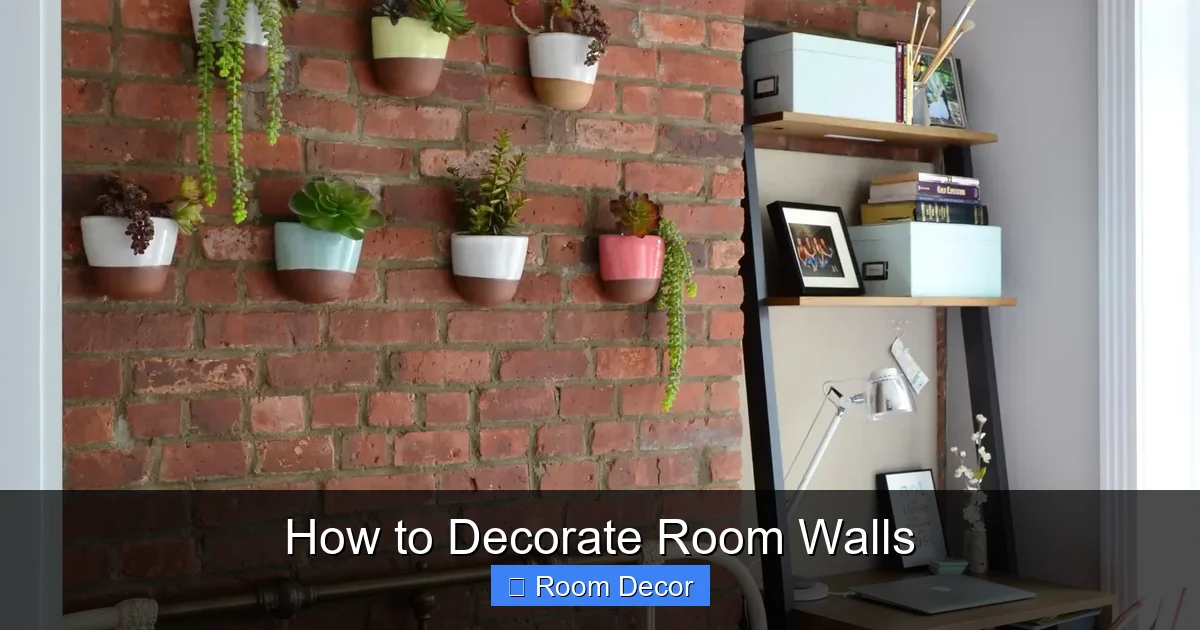
Don’t underestimate the importance of proper wall preparation. It’s the unsung hero of any successful decorating project. Skipping this step can lead to uneven paint, peeling wallpaper, or a generally unprofessional finish.
Clean the Walls
Start by cleaning your walls. Use a mild detergent mixed with water to remove any dirt, grease, or grime. For stubborn marks, a gentle degreaser might be necessary. Rinse thoroughly and allow the walls to dry completely.
Repair Imperfections
Inspect your walls for any holes, cracks, or dents.
- Small holes (like from nails) can be filled with spackling paste.
- Larger cracks or damage may require joint compound.
Allow the filler to dry completely, then sand it smooth until it’s flush with the wall surface.
Sand and Prime
After patching and filling, lightly sand the entire wall surface. This creates a smooth finish and helps paint or wallpaper adhere better. Wipe away any dust with a damp cloth.
If you’re painting over a dark color, a strong stain, or a glossy finish, applying a primer is essential. A good primer will ensure even color coverage and prevent the old color or stains from showing through.
3. Painting Your Walls: A Versatile Choice
Visual guide about How to Decorate Room Walls
Image source: homedecorbliss.com
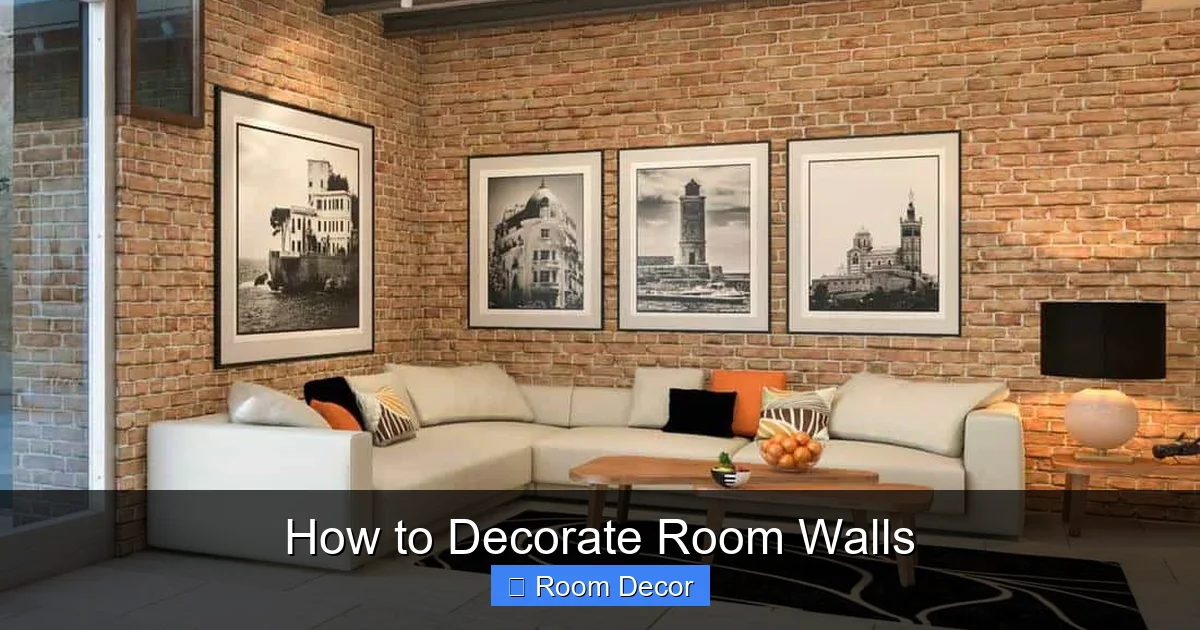
Paint is one of the most popular and accessible ways to decorate room walls. It offers endless possibilities for color, finish, and technique.
Choosing the Right Paint Color
Color has a powerful psychological effect.
- Blues and Greens: Often create a sense of calm and serenity, ideal for bedrooms and bathrooms.
- Reds and Oranges: Can be energizing and stimulating, good for dining rooms or accent walls.
- Yellows: Bring warmth and cheerfulness, but can be overwhelming in large doses.
- Neutrals (Whites, Grays, Beiges): Offer a versatile backdrop, making spaces feel larger and more sophisticated.
Always test paint colors on a small section of your wall or on poster board before committing. Light can drastically change how a color looks throughout the day.
Selecting the Right Finish
The sheen of your paint affects its appearance and durability.
- Matte/Flat: Hides imperfections well but is less washable. Best for low-traffic areas like ceilings and adult bedrooms.
- Eggshell/Satin: Offers a slight sheen, is more durable and washable than matte. A good all-around choice for most rooms.
- Semi-Gloss/Gloss: Very durable and washable, but highlights imperfections. Ideal for trim, doors, and high-moisture areas like bathrooms and kitchens.
Painting Techniques
- Basic Paint Job: Use a roller for large areas and a brush for edges and corners. Apply two thin coats for best coverage.
- Accent Walls: Painting one wall in a different, bolder color can add depth and visual interest without overwhelming the room.
- Two-Tone Walls: Divide the wall horizontally or vertically with two complementary colors for a unique look.
- Stencils: Add patterns and designs to your walls using stencils and a contrasting paint color.
4. Wallpaper Wonders: Texture and Pattern Galore
Visual guide about How to Decorate Room Walls
Image source: cdn.homedit.com
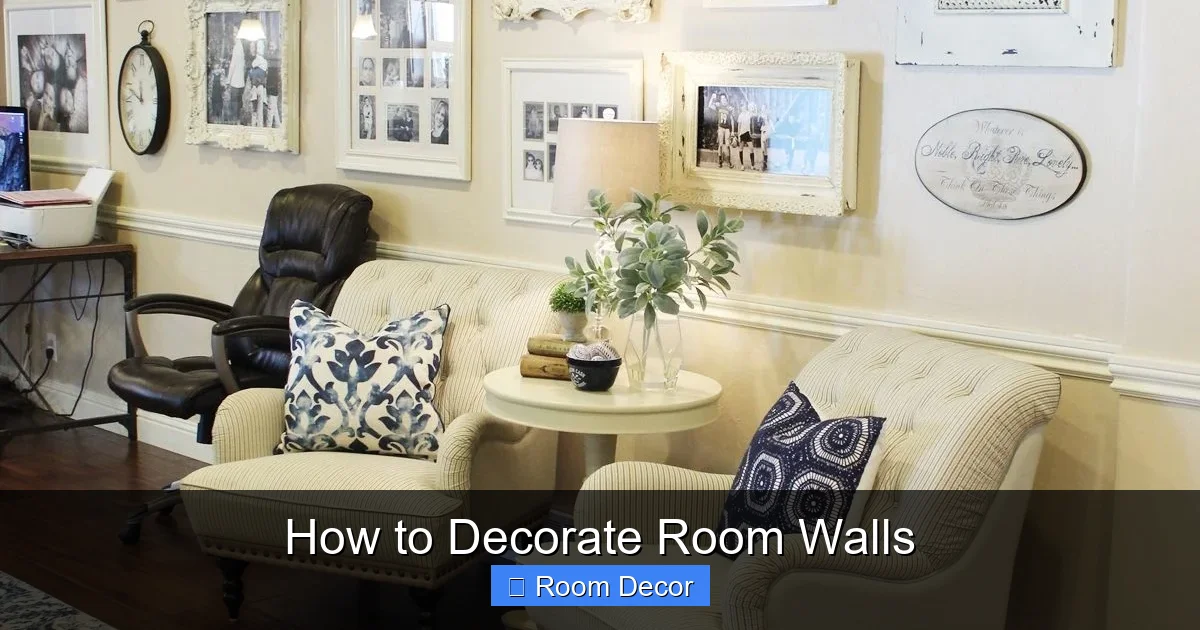
Wallpaper has made a huge comeback, offering incredible variety in patterns, textures, and finishes that paint alone cannot replicate.
Choosing Your Wallpaper
- Vinyl: Durable, scrubbable, and good for kitchens and bathrooms.
- Textured: Adds tactile interest with embossed patterns, grasscloth, or fabric-like finishes.
- Peel-and-Stick: A DIY-friendly option that’s easy to apply and remove, perfect for renters or those who like to change their decor often.
- Traditional: Requires paste for application and can offer a wide range of intricate designs.
Applying Wallpaper
This can be a bit more challenging than painting, but the results can be stunning.
- Measure Carefully: Measure your walls and purchase enough rolls to account for pattern matching.
- Cut Your Strips: Cut wallpaper strips to size, ensuring you add a few extra inches at the top and bottom for trimming.
- Apply Paste (if needed): Follow the manufacturer’s instructions for applying paste, either to the wall or the paper.
- Hang the First Strip: Start in a corner or a prominent area, ensuring the first strip is perfectly plumb (vertical).
- Smooth Out Bubbles: Use a wallpaper brush or smoothing tool to press the paper firmly onto the wall, working from the center outwards to eliminate air bubbles.
- Trim Excess: Once the paper is smoothed, use a sharp utility knife to carefully trim the excess at the ceiling and baseboard.
Wallpaper Ideas
- Full Room Coverage: For a dramatic statement.
- Accent Wall: A bold pattern can be a focal point in a neutral room.
- Wainscoting Alternative: Use wallpaper on the lower half of the wall for a unique look.
- Ceiling Feature: Wallpapering a ceiling can add unexpected wow factor.
5. Beyond Paint and Wallpaper: Creative Wall Treatments
Don’t limit yourself to just paint and wallpaper. There are many other creative ways to decorate your room walls.
Wall Decals and Stickers
These are a fantastic, temporary solution for adding personality. They come in a huge variety of designs, from subtle patterns and quotes to elaborate murals. They are easy to apply and remove without damaging the wall.
Wall Paneling and Molding
Adding wood panels, beadboard, or decorative molding can instantly elevate a room’s design, adding architectural interest and a touch of elegance. This is a more permanent solution but offers a sophisticated finish.
Textured Finishes
Techniques like Venetian plaster, concrete finishes, or even a textured paint can add depth and a unique tactile quality to your walls. These often require specialized tools and techniques but create stunning, high-end looks.
DIY Wall Art
Get creative and make your own art!
- Painted Canvases: Abstract designs, simple color blocks, or even your own artwork.
- Fabric Wall Hangings: Stretch a beautiful piece of fabric over a canvas frame.
- Macrame or Tapestries: Add bohemian texture and warmth.
6. Curating and Hanging Art and Decor
Once your walls are painted or papered, it’s time to bring them to life with art and decorative elements.
Choosing Artwork
Select pieces that resonate with you and fit your style. Don’t be afraid to mix different mediums – paintings, prints, photographs, drawings, sculptures. Consider the size of your walls and furniture. A tiny picture on a huge wall can look lost, and a massive piece above a small sofa can feel overwhelming.
Creating a Gallery Wall
A gallery wall is a collection of framed artwork, photos, and other decorative items arranged together.
- Plan Your Layout: Lay out your pieces on the floor first to experiment with arrangements. Use paper templates the same size as your frames to “hang” them on the wall and test different layouts.
- Vary Sizes and Shapes: Mix large statement pieces with smaller ones.
- Maintain Balance: Distribute visual weight evenly across the arrangement.
- Use Consistent Frames (Optional): Using the same frame style or color can create a more cohesive look, but mixing is also a popular choice for a more eclectic feel.
- Spacing is Key: Aim for consistent spacing (around 2-3 inches) between frames.
Hanging Other Decorative Items
- Mirrors: Reflect light and make a space feel larger. Grouping small mirrors can create a dynamic display.
- Shelves: Display books, plants, and decorative objects. Floating shelves offer a modern look.
- Wall Sculptures: Add three-dimensional interest.
- Tapestries and Textiles: Bring color, pattern, and texture.
Hanging Tips
- Use the Right Hardware: Use picture hanging hooks, nails, or screws appropriate for the weight of your item and your wall type (drywall, plaster, etc.).
- Measure Twice, Hang Once: Use a level to ensure your items are straight.
- Eye-Level Rule: The center of your artwork should generally be at eye level (around 57-60 inches from the floor). Adjust slightly based on furniture placement.
7. Troubleshooting Common Wall Decorating Issues
Even with the best intentions, you might run into a few snags.
Paint Isn’t Covering Well
- Problem: Streaky or uneven coverage.
- Solution: You may need a third coat, or your primer wasn’t adequate. Ensure you’re using quality paint and the right tools (roller nap, brush type).
Wallpaper is Peeling or Bubbling
- Problem: Edges lifting or air bubbles visible.
- Solution: Ensure the wall was clean and dry before application. For traditional wallpaper, check if enough paste was used. For peel-and-stick, ensure the surface is smooth and clean. Gently lift the offending section and reapply, smoothing firmly. Small bubbles can sometimes be pricked with a pin and smoothed.
Art is Hanging Crooked
- Problem: Artwork isn’t level.
- Solution: Most picture frames have a hanging wire. Adjust the nail or hook slightly. For items hung with multiple points, use a level before the final push of the nail.
Conclusion
Decorating room walls is a rewarding process that allows you to express your style and create a living space that truly reflects who you are. From the initial spark of an idea to the final polished look, each step contributes to transforming a plain surface into a work of art. Whether you choose to embrace the bold statement of vibrant paint, the intricate beauty of wallpaper, or the personal touch of a curated gallery wall, remember to have fun with it! Your walls are your opportunity to tell your story. So go ahead, get creative, and make your rooms as unique and wonderful as you are.