Discover how to decorate your room for any occasion, mood, or season with this comprehensive guide. We’ll walk you through planning, choosing a theme, selecting colors, and incorporating thoughtful details to create a space that reflects your personality and brings joy. Get ready to transform your room into a personalized sanctuary with our practical tips and step-by-step instructions.
How to Decorate Your Room For
So, you’re ready to give your room a makeover! That’s fantastic. Decorating your room can be incredibly rewarding. It’s a chance to express yourself, create a sanctuary, or prepare for a special occasion. But where do you even begin? This guide will take you from a blank canvas to a beautifully decorated space, no matter the reason. We’ll cover everything from figuring out your vision to the final touches that make a room truly yours. Get ready to learn how to decorate your room for comfort, style, and joy!
Key Takeaways
- Define Your Purpose: Clearly understand *why* you’re decorating your room. Is it for a specific event, a seasonal change, or a mood shift? This clarity guides all subsequent decisions.
- Embrace Theming: A well-chosen theme, whether it’s a color palette, a style, or a specific interest, provides a cohesive and impactful look for your room decoration.
- Color Psychology is Key: Understand how different colors evoke specific emotions and use them strategically to create the desired atmosphere in your decorated room.
- Layer Your Lighting: Utilize a mix of ambient, task, and accent lighting to add depth, warmth, and functionality to your decorated space.
- Texture Adds Depth: Incorporate various textures through fabrics, materials, and decorative objects to make your room feel richer and more inviting.
- Personalization is Paramount: Infuse your personality into the decoration with meaningful objects, artwork, and DIY touches that tell your story.
- Don’t Forget Functionality: Ensure your decorative choices enhance, rather than hinder, the practical use of your room.
1. Define Your “Why”: The Foundation of Your Decoration
Before you buy a single paint swatch or pillow, ask yourself: *why* am I decorating my room? Your purpose is the most crucial step. It will shape every decision you make. Are you decorating for a specific event, like a birthday party or holiday gathering? Or is it for a seasonal update, like bringing cozy autumn vibes or fresh spring energy into your room? Maybe you want to create a specific mood, such as a calm, serene retreat or an energetic, inspiring workspace. Understanding your “why” will help you focus your efforts and avoid unnecessary spending.
Brainstorming Your Purpose
Take a moment to jot down your initial thoughts. Consider:
- Occasion: Is it a short-term event (party, holiday) or a longer-term goal (seasonal change, mood boost)?
- Atmosphere: What feeling do you want to evoke? Calm, vibrant, romantic, playful, professional?
- Functionality: Does the decoration need to serve a practical purpose beyond aesthetics?
- Your Personal Style: What do you naturally gravitate towards? What makes you happy?
For example, if you’re decorating for a “cozy autumn retreat,” your “why” is clear: to create a warm, inviting, and relaxing space for the fall season. This immediately gives you direction.
2. Choose Your Theme or Style: A Cohesive Vision
Once you know *why* you’re decorating, it’s time to choose a theme or style. A theme provides a unifying concept that makes your room decoration feel intentional and cohesive. This isn’t about making your room look like a movie set (unless that’s your goal!), but rather about having a guiding principle.
Popular Theme Ideas
Here are some ideas to get your creative juices flowing:
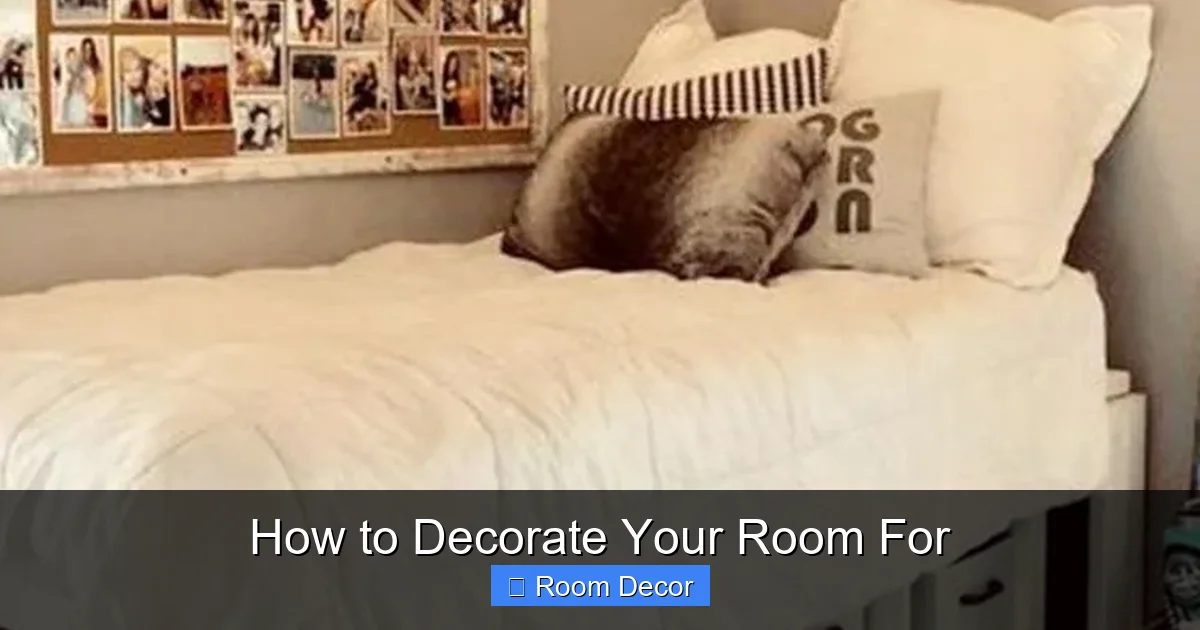
Visual guide about How to Decorate Your Room For
Image source: i.pinimg.com
- Seasonal Themes: Spring blooms, summer beach vibes, autumn harvest, winter wonderland.
- Color Palettes: Monochromatic (shades of one color), complementary (opposite colors on the color wheel), analogous (colors next to each other).
- Style Motifs: Bohemian, minimalist, industrial, Scandinavian, coastal, rustic, glamorous.
- Interest-Based: Books, travel, music, nature, specific hobbies.
Tips for Selecting a Theme
- Keep it Simple: You don’t need a complex theme. Even a color palette can act as a theme.
- Be Realistic: Choose a theme that fits your room’s architecture and your lifestyle.
- Consider Longevity: If you’re not decorating for a short-term event, opt for a theme that you can enjoy for a while.
For instance, if you’re decorating your room for a “bohemian escape,” you might think about earthy tones, natural textures, plants, and eclectic patterns. This theme helps you select specific items that fit together.
3. Color Palette Power: Setting the Mood
Color is one of the most powerful tools in decoration. It significantly impacts the mood and perception of a space. Your chosen theme will often guide your color palette, but you can also start with color and build your theme around it.
Understanding Color Psychology
Different colors evoke different feelings:
- Reds: Passion, energy, excitement. Use sparingly in relaxation spaces.
- Blues: Calm, serenity, peace. Great for bedrooms and study areas.
- Greens: Nature, growth, balance. Promotes relaxation and harmony.
- Yellows: Happiness, optimism, warmth. Can stimulate creativity.
- Oranges: Enthusiasm, creativity, warmth.
- Purples: Luxury, creativity, spirituality.
- Neutrals (Whites, Grays, Beiges): Sophistication, calm, versatility. They act as a great base.
Choosing Your Room’s Colors
For your room decoration, consider these approaches:
- The 60-30-10 Rule: Use a dominant color for 60% of the room, a secondary color for 30%, and an accent color for 10%.
- Contrast vs. Harmony: Do you want a bold, high-contrast look or a soft, harmonious one?
- Light and Space: Lighter colors can make a room feel larger and brighter. Darker colors can create a cozy, intimate feel.
If you’re decorating your room for “calm focus,” you’d likely lean towards blues, greens, or soft neutrals. These colors promote a sense of peace and reduce distractions.
4. Furniture Arrangement: The Backbone of Your Space
How you arrange your furniture plays a huge role in how your room feels and functions. It impacts flow, usability, and even the perceived size of the room. For a successful room decoration, thoughtful furniture placement is key.
Creating Zones
Think about how you use your room. Can you create different zones?
- Relaxation Zone: A comfortable armchair or sofa with good lighting for reading.
- Sleeping Zone: Your bed, making it the focal point.
- Work/Study Zone: A desk and chair, ideally near natural light.
- Social Zone: If you entertain in your room, arrange seating for conversation.
Tips for Arrangement
- Focal Point: Identify a natural focal point (like a window, fireplace, or your bed) and arrange furniture around it.
- Traffic Flow: Ensure there are clear paths to move around the room easily without bumping into furniture.
- Balance: Distribute visual weight evenly. Don’t put all the heavy furniture on one side.
- Scale: Make sure your furniture is appropriately sized for the room. Overcrowding makes a room feel smaller.
When decorating your room for “maximum relaxation,” ensure your bed or primary seating area is positioned for comfort and has easy access to your bedside table for essentials.
5. Walls and Windows: The Room’s Canvas
Your walls and windows are large surfaces that offer significant opportunities for decoration. They frame your space and can dramatically change its feel.
Wall Decoration Ideas
- Paint: A fresh coat of paint in your chosen palette can instantly transform a room. Consider accent walls for a pop of color or pattern.
- Wallpaper: Offers endless patterns and textures for a bold statement.
- Artwork and Photos: Personalize your space with art, framed photos, or a gallery wall.
- Mirrors: Can make a room feel larger and brighter by reflecting light.
- Shelving: Adds functional storage and display space for decorative items.
- Wall Decals: A renter-friendly option for adding pattern or imagery.
Window Treatments
- Curtains: Add softness, color, and light control. Choose fabrics and patterns that align with your theme.
- Blinds/Shades: Offer a cleaner, more modern look and excellent light management.
- Valances/Drapes: Can add a decorative flourish to existing window treatments.
For decorating your room for “a romantic escape,” consider soft, flowing curtains in a rich color and perhaps some framed art that evokes sentimentality.
6. Lighting: Setting the Ambiance
Good lighting is crucial for both the functionality and the mood of a room. Relying solely on overhead lighting can make a room feel stark. Layering your lighting creates warmth and dimension.
Types of Lighting
- Ambient Lighting: The general illumination of a room. Think ceiling fixtures, floor lamps.
- Task Lighting: Focused light for specific activities like reading, writing, or cooking. Desk lamps, bedside lamps.
- Accent Lighting: Highlights specific features, artwork, or architectural details. Track lighting, spotlights, picture lights.
Incorporating Lighting into Decoration
- Dimmer Switches: Allow you to control the intensity of light, perfect for adjusting mood.
- Decorative Fixtures: Choose lamps and fixtures that are aesthetically pleasing and complement your theme.
- Fairy Lights/String Lights: Add a whimsical, magical touch, especially for themed decorations or for creating cozy corners.
- Candles (Real or LED): Provide a soft, warm glow that is incredibly inviting.
When decorating your room for “energetic creativity,” ensure ample task lighting for your workspace and consider warmer ambient lighting in relaxation areas.
7. Textiles and Textures: Adding Comfort and Depth
Textiles – fabrics, rugs, cushions, throws – are essential for making a room feel lived-in, comfortable, and complete. They introduce color, pattern, and texture, adding visual interest and tactile appeal.
Key Textile Elements
- Rugs: Define spaces, add warmth underfoot, and introduce color and pattern.
- Cushions and Pillows: An easy way to add pops of color, pattern, and comfort to sofas and chairs.
- Throws and Blankets: Drape over furniture for an inviting, cozy feel.
- Curtains: As mentioned before, they add softness and a decorative element.
Playing with Texture
Mix and match different textures to create a rich and layered look:
- Smooth: Silk, satin, polished wood.
- Rough: Burlap, woven baskets, natural wood.
- Soft: Velvet, faux fur, chenille.
- Crisp: Linen, cotton.
For decorating your room for “a luxurious feel,” incorporate plush velvet cushions, a soft faux fur throw, and perhaps a silk-blend curtain.
8. Decorative Accents and Personal Touches: The Finishing Flourishes
This is where you truly make the room your own. Decorative accents are the details that tie everything together and reflect your personality.
Ideas for Accents
- Plants: Bring life and freshness into any room.
- Vases and Bowls: Can hold flowers, decorative objects, or stand alone as sculptural pieces.
- Candles: Add ambiance and can be scented for an extra sensory experience.
- Books: Stacked or displayed, they can add personality and color.
- Trays: Useful for corralling small items on coffee tables or dressers.
- Personal Photos and Mementos: Displaying items that are meaningful to you makes your room uniquely yours.
- DIY Projects: Handmade items add a special, personal touch.
Arranging Accents
- The Rule of Three: Grouping items in odd numbers (three, five) often looks more pleasing than even numbers.
- Vary Heights: Mix tall and short items for visual interest.
- Negative Space: Don’t clutter every surface. Allow some empty space for items to breathe.
When decorating your room for a “travel-inspired vibe,” display souvenirs, maps, framed photos from trips, and globes.
Troubleshooting: Common Decoration Challenges
Sometimes, even with the best intentions, things don’t go as planned. Here are a few common issues and how to solve them.
Problem: The Room Feels Too Cluttered
Solution: Declutter ruthlessly! Every item should have a purpose or bring you joy. Invest in smart storage solutions like bins, baskets, or shelves. Be mindful of furniture scale; smaller pieces can make a big difference. When decorating, remember that less can often be more.
Problem: The Colors Feel Off
Solution: Test paint colors on your walls in different lighting conditions. If you’ve already painted and it’s not quite right, try adding accent colors through textiles and accessories to balance it out. Sometimes, introducing a neutral color can tie clashing colors together.
Problem: The Room Lacks Personality
Solution: Focus on the personal touches! Display more of your own art, photos, or collections. Add items that tell your story, like souvenirs or inherited pieces. Consider a statement piece of furniture or a bold accent wall that reflects your unique taste.
Problem: The Room Feels Impersonal or Generic
Solution: This is where individuality shines! Incorporate elements that are specific to your hobbies, interests, or background. Consider adding a unique scent, a playlist that fits the mood, or even a piece of furniture with a story behind it.
Conclusion: Your Beautifully Decorated Room Awaits
Decorating your room is an exciting journey. By following these steps – defining your purpose, choosing a theme, selecting colors, arranging furniture thoughtfully, and adding personal touches – you can transform any space into a reflection of yourself. Remember to have fun with the process, experiment, and don’t be afraid to break the rules once you understand them. Your room is your personal haven, and with these tips, you’re well on your way to decorating it in a way that brings you immense joy and comfort. Happy decorating!