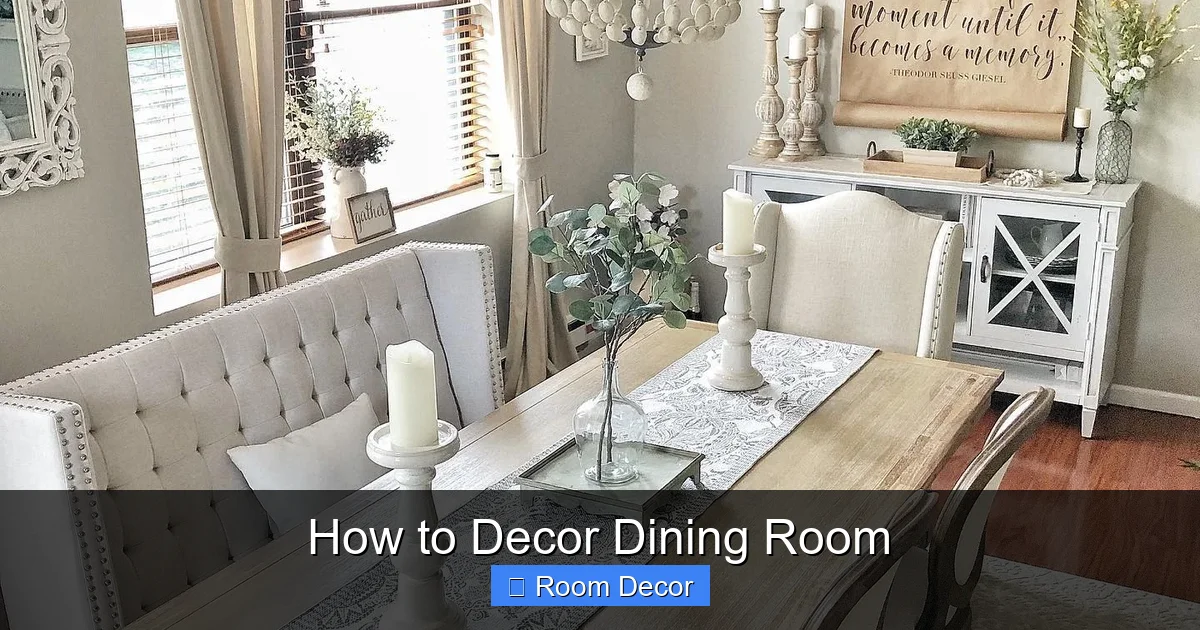
Transform your dining room into a welcoming and stylish space with our comprehensive how-to guide. Learn to define your style, choose the perfect furniture, and add those finishing touches that make a dining room truly special. From layout to lighting, we cover everything to ensure your dining room is ready for every occasion. Discover practical tips and creative ideas to elevate your dining experience.
Are you dreaming of a dining room that’s not just a place to eat, but a space where memories are made? A beautifully decorated dining room can elevate every meal, from a quick weeknight dinner to a grand holiday feast. But where do you start? Decorating a dining room might seem daunting, but it’s a rewarding process. This guide will walk you through each step, helping you create a dining room that is both stylish and functional.
We’ll cover everything from understanding your personal style to choosing the perfect furniture, planning your layout, and adding those essential finishing touches. By the end of this guide, you’ll have a clear roadmap to transform your dining room into a space you’ll love to share. Let’s get started on creating your dream dining room!
Key Takeaways
- Define Your Style First: Understanding your personal aesthetic is the crucial first step before making any decor decisions.
- Furniture is Key: Select a dining table and chairs that fit your space, lifestyle, and desired ambiance.
- Lighting Sets the Mood: Layer lighting to create warmth, functionality, and visual interest.
- Consider the Layout: Proper arrangement of furniture is vital for flow, comfort, and maximizing the room’s potential.
- Accessorize Thoughtfully: Wall art, rugs, and table decor add personality and complete the look.
- Don’t Forget Functionality: Ensure your dining room is practical for everyday use as well as special occasions.
Step 1: Discover Your Dining Room Style
Before you buy a single piece of furniture or a swatch of paint, it’s crucial to understand the style you want for your dining room. This foundation will guide all your subsequent decisions and ensure a cohesive look. Think about the overall style of your home. Do you prefer something modern and minimalist, or are you drawn to the warmth of rustic farmhouse charm?
Identify Your Aesthetic
- Modern: Clean lines, neutral color palettes, and sleek materials like metal and glass. Think geometric shapes and uncluttered surfaces.
- Traditional: Classic furniture styles, rich wood tones, elegant fabrics like velvet or damask, and ornate details.
- Farmhouse: Cozy and inviting, featuring natural wood, vintage-inspired pieces, comfortable seating, and a neutral color scheme with pops of color.
- Bohemian: Eclectic and artistic, with a mix of patterns, textures, vibrant colors, and global influences.
- Mid-Century Modern: A blend of organic shapes, minimalist design, and materials like wood, metal, and plastic.
Don’t feel pressured to stick to one style strictly. You can absolutely mix and match elements to create a unique look that feels authentically “you.” Browse Pinterest, Houzz, or interior design magazines for inspiration. Save images that catch your eye and look for common themes in color, furniture, and overall mood.
Consider Your Lifestyle
Your dining room should work for your life. Do you entertain frequently? A larger table with ample seating might be a priority. Do you have young children? Durable materials and easy-to-clean surfaces are essential. Are you looking for a more formal dining experience, or do you prefer a casual, relaxed atmosphere? Your lifestyle will influence everything from furniture choices to material selections.
Step 2: Plan Your Dining Room Layout
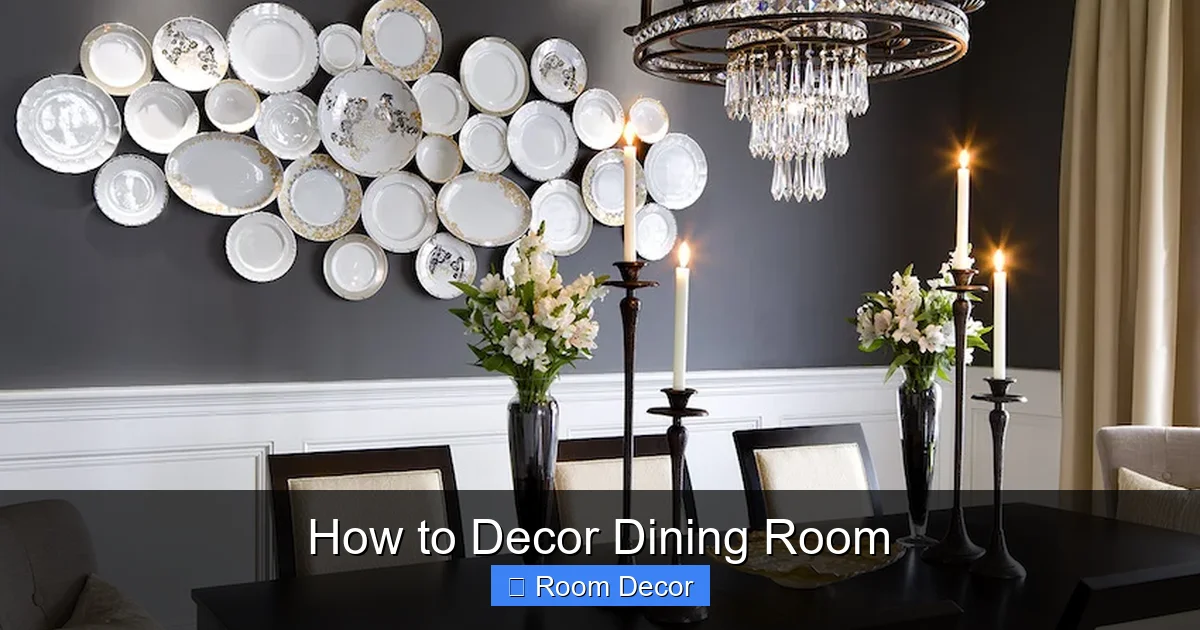
Visual guide about How to Decor Dining Room
Image source: diningandlivingroom.com
The layout of your dining room is fundamental to its functionality and overall feel. A well-planned layout ensures comfortable movement and creates a harmonious space.
Measure Your Space
Before you think about furniture, get out your tape measure! Measure the dimensions of your dining room. Note the location of doors, windows, and any architectural features. This information is critical for selecting furniture that fits without overwhelming the space or making it feel cramped.
Determine Table and Chair Placement
The dining table is the centerpiece of the room. Its size and shape should complement the room’s dimensions.
- Rectangular rooms: Often best suited for rectangular tables.
- Square rooms: Can accommodate round or square tables, which encourage conversation.
- Smaller rooms: Consider a pedestal table to maximize legroom or a table that can extend for larger gatherings.
Leave enough space around the table for chairs to be pulled out and for people to walk comfortably. A general rule of thumb is to allow at least 3 feet (about 1 meter) of clearance between the table edge and walls or other furniture.
Consider Traffic Flow
Ensure there’s a clear path for people to move around the room, especially from entrances to the table and to other adjacent rooms. Avoid placing furniture in a way that obstructs these natural pathways.
Step 3: Choose Your Dining Table and Chairs
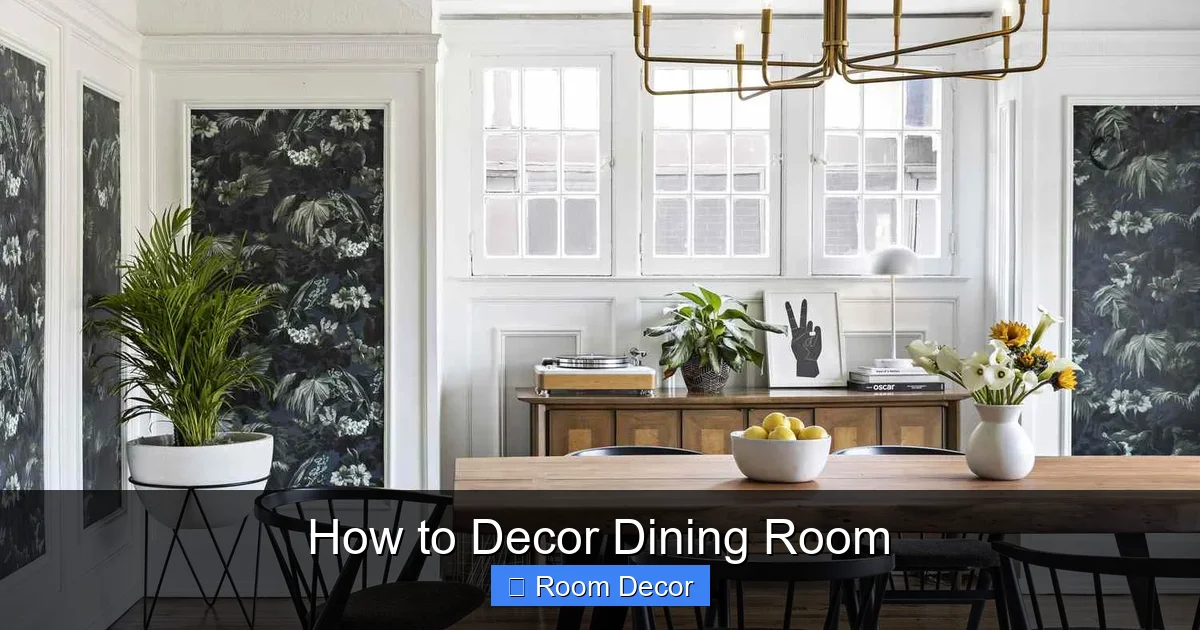
Visual guide about How to Decor Dining Room
Image source: thespruce.com
This is where your style vision starts to take tangible form. The dining table and chairs are significant investments and will largely define the room’s character.
Selecting the Dining Table
The table is more than just a surface; it’s where families gather and friends connect.
- Size: As discussed in the layout section, size is paramount. Measure your room and consider how many people you typically seat.
- Shape: Round tables foster intimacy and conversation, while rectangular tables are practical for serving and can fit more people in certain spaces. Oval tables offer a softer aesthetic and are great for smaller rooms.
- Material: Wood is a classic choice, offering warmth and durability. Glass offers a modern, airy feel. Stone or marble can add a luxurious touch. Consider the ease of cleaning and maintenance based on your lifestyle.
**Practical Tip:** If you have a smaller dining space, consider a wall-mounted or extendable table. These offer flexibility without permanently occupying a lot of floor space.
Choosing the Right Chairs
Chairs should be comfortable, stylish, and functional.
- Comfort: Ensure chairs have adequate cushioning and back support, especially if you plan to spend extended time seated.
- Style: Match the chairs to your table and overall dining room style. You can opt for a cohesive set or mix and match for a more eclectic look.
- Durability: Consider materials that can withstand frequent use and potential spills. Upholstered chairs add comfort and a touch of luxury, while wooden or metal chairs are often easier to clean.
- Armrests: Chairs with armrests can add to the comfort and formality, but they also take up more space and can make it harder to tuck them under the table.
**Example:** For a modern dining room, consider a sleek rectangular table paired with minimalist chairs in a contrasting material like metal or a faux leather. For a farmhouse style, a solid wood table with upholstered or Windsor-style chairs would be perfect.
Step 4: Lighting is Everything
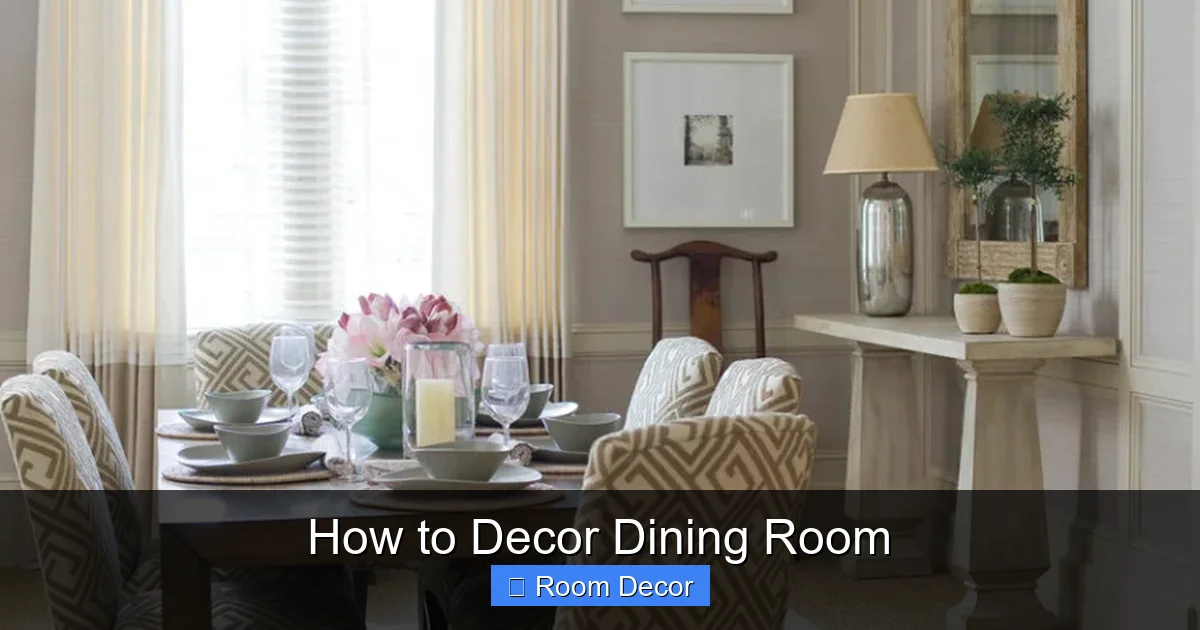
Visual guide about How to Decor Dining Room
Image source: thewowdecor.com
Lighting plays a pivotal role in setting the mood and enhancing the functionality of your dining room. A layered lighting approach is key.
The Overhead Chandelier or Pendant
This is usually the focal point of dining room lighting.
- Placement: Hang a chandelier or pendant light directly over the center of your dining table. It should be at a height that doesn’t obstruct views but also feels grounded. A good rule of thumb is to have the bottom of the fixture about 30-36 inches above the tabletop.
- Size: The fixture should be proportional to your table and room. Too small, and it will look lost; too large, and it will overpower the space.
- Style: Choose a fixture that complements your dining room’s decor. A crystal chandelier for a formal look, a modern drum pendant for a contemporary feel, or a cluster of Edison bulbs for an industrial vibe.
**Tip:** Consider a dimmer switch for your overhead light. This allows you to control the ambiance, from bright for everyday meals to dim for romantic dinners.
Ambient Lighting
This provides the general illumination for the room.
- Wall Sconces: These add a soft glow and can flank artwork or a buffet table.
- Floor and Table Lamps: If you have a buffet or sideboard, a table lamp can add a warm touch. Floor lamps can also add a cozy corner in larger dining rooms.
These elements provide a softer, more diffused light than the overhead fixture, creating a warm and inviting atmosphere.
Accent Lighting
This is used to highlight specific features.
- Picture Lights: To draw attention to artwork on your walls.
- Uplighting: To highlight plants or architectural details.
Accent lighting adds depth and sophistication to your dining room decor.
Step 5: Color Palette and Walls
The colors you choose for your dining room walls and how you dress them will significantly impact the room’s overall feel.
Choosing Your Wall Color
The color of your walls can make a dining room feel more intimate, expansive, formal, or casual.
- Warm Colors (Reds, Oranges, Yellows): These can create a cozy and inviting atmosphere, stimulating appetite and conversation. Deeper reds or burgundies can feel luxurious and formal.
- Cool Colors (Blues, Greens): These can create a calming and sophisticated environment. Lighter blues and greens can make a space feel larger.
- Neutrals (Grays, Beiges, Whites): Versatile and timeless, neutrals provide a calm backdrop that allows furniture and decor to stand out. They are excellent for any style, from minimalist to traditional.
**Consider the Natural Light:** If your dining room gets a lot of natural light, you have more flexibility with darker colors. If it’s a darker room, opt for lighter, brighter shades to make it feel more open and airy.
Wall Decor
Once your walls are painted, it’s time to add personality.
- Artwork: Large statement pieces, a gallery wall of smaller frames, or even framed prints can add color, texture, and character. Choose art that resonates with you and complements your dining room style.
- Mirrors: A well-placed mirror can reflect light, making the room feel larger and brighter. They also add a decorative element.
- Wallpaper: A bold wallpaper can be a stunning focal point on one accent wall or used throughout the room for a more dramatic effect.
- Wall Paneling or Wainscoting: These architectural details add texture and a sense of tradition or modern sophistication, depending on the style.
**Tip:** Don’t be afraid to experiment with a peel-and-stick wallpaper if you’re unsure about committing to a traditional wallpaper. It’s a great way to test the waters.
Step 6: Accessorize and Embellish
Accessories are the jewelry of your dining room. They add personality, warmth, and finishing touches that tie everything together.
Area Rugs
An area rug under the dining table can define the space, add warmth, absorb sound, and introduce color and pattern.
- Size: Ensure the rug is large enough so that all the chairs can be pulled out from the table and still remain on the rug. A common guideline is to have at least 2 feet of rug extending beyond the table on all sides.
- Material: Opt for durable, stain-resistant materials, especially if you have children or pets. Wool and synthetic blends are good choices.
- Style: The rug can be a neutral foundation or a bold statement piece, depending on your overall decor.
**Troubleshooting:** If your rug tends to bunch up, use a non-slip rug pad underneath.
Table Linens and Centerpieces
The dining table itself can be a canvas for your creativity.
- Tablecloths and Runners: These can add color, pattern, and a sense of occasion. For a more minimalist look, a table runner can define the center of the table.
- Placemats and Coasters: Functional and decorative, placemats can protect your table and add a touch of style.
- Centerpiece: This is where you can have fun! A vase of fresh flowers, a bowl of fruit, decorative candles, or a curated collection of objects can transform your table. Keep it at a height that doesn’t obstruct conversation across the table.
**Example:** For a formal setting, consider crisp white linens with a classic floral centerpiece. For a more casual vibe, try a textured runner with an assortment of candles.
Other Decorative Touches
Don’t forget the smaller details that make a big impact.
- Buffet or Sideboard Styling: If you have a buffet, style it with a lamp, a small plant, some decorative bowls, or framed photos.
- Cushions or Throws: Add comfort and a splash of color to your chairs with cushions or a throw blanket draped over one.
- Window Treatments: Curtains or blinds can add softness, privacy, and an additional layer of style.
Step 7: Final Touches and Adjustments
Once everything is in place, take a step back and assess.
- Assess Flow: Walk around the room. Does it feel comfortable to move? Are there any awkward areas?
- Check Lighting: Turn on all the lights. Does the mood feel right? Can you adjust the dimmers to suit different times of day or occasions?
- Review Accessories: Do the accessories feel balanced? Is anything too cluttered or too sparse?
- Consider Sound: A rug and soft furnishings can help absorb sound, making the room feel less echoey.
Decorating is an iterative process. Don’t be afraid to move things around, swap out accessories, or make small adjustments until the room feels perfect for you.
Conclusion
Decorating your dining room is a journey that combines functionality with personal expression. By following these steps—defining your style, planning your layout, selecting the right furniture, mastering lighting, choosing a color palette, and adding thoughtful accessories—you can create a dining room that is not only beautiful but also a true reflection of your taste and a welcoming space for all to enjoy. Remember to trust your instincts, have fun with the process, and most importantly, create a dining room where cherished memories will unfold for years to come. Happy decorating!