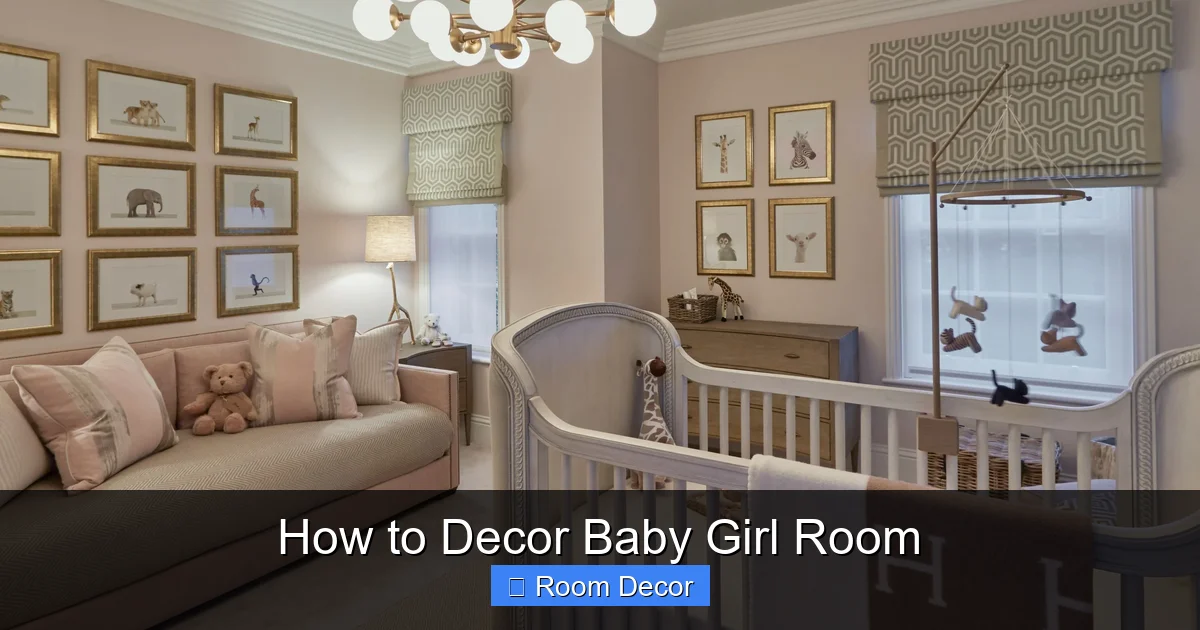
Designing a baby girl’s room is an exciting journey. This guide provides a comprehensive roadmap, from choosing a theme and color palette to selecting essential furniture and adding those perfect finishing touches. Learn how to create a safe, stylish, and functional space that you and your little one will love.
How to Decor Baby Girl Room
Welcoming a baby girl into your life is a joyous occasion, and creating her nursery is a special part of that experience. You want to design a space that is not only beautiful but also safe, comfortable, and functional for both of you. This guide will walk you through every step of decorating a baby girl’s room, from initial planning to the final decorative touches. We’ll cover everything you need to know to create a dream nursery, a place where precious memories will be made.
Key Takeaways
- Start with a Vision: Decide on a theme and color palette to guide your decor choices.
- Prioritize Safety: Ensure all furniture is baby-safe, with no sharp edges or small, detachable parts.
- Choose Functional Furniture: Select a crib, changing table, and storage solutions that meet your needs.
- Layer Lighting: Combine ambient, task, and accent lighting for versatility and mood.
- Add Soft Textures: Incorporate rugs, curtains, and bedding for comfort and visual appeal.
- Personalize with Accents: Use wall art, decals, and decorative items to express your style and create a welcoming atmosphere.
Step 1: Define Your Vision: Theme and Color Palette
Before you buy a single item, it’s essential to have a general idea of the look and feel you want for your baby girl’s room. This will help you make cohesive choices and avoid impulse purchases that don’t fit your overall design.
Choosing a Theme
A theme can provide a consistent direction for your decor. For a baby girl, popular themes include:
- Classic & Timeless: Think floral patterns, delicate pastels, and elegant, understated designs.
- Whimsical & Enchanting: Consider fairy tales, magical forests, unicorns, or celestial motifs.
- Animal Kingdom: Cute and cuddly creatures like bunnies, bears, or woodland animals can be charming.
- Modern & Chic: Geometric patterns, sophisticated neutrals with pops of color, or minimalist designs.
- Nature-Inspired: Botanical prints, clouds, stars, or gentle landscapes.
Don’t feel pressured to pick something overly elaborate. Sometimes, a simple color scheme can be just as impactful. Think about what brings you joy and what kind of atmosphere you want to cultivate.
Selecting a Color Palette
Color plays a huge role in setting the mood of a room. For baby girls, common choices include soft pinks, lavenders, peaches, and creams. However, don’t limit yourself! Consider:
- Pastels: These are always a safe and sweet choice. Think mint green, baby blue, soft yellow, and blush pink.
- Neutrals with Pops of Color: A base of white, grey, or beige can be warmed up with accents in brighter hues like coral, teal, or even a rich plum.
- Earthy Tones: Warm browns, muted greens, and soft blues can create a serene and natural feel.
- Bold & Bright: If you love vibrant colors, you can incorporate them through accessories or an accent wall.
Tip: Look for color inspiration in nature, your favorite children’s books, or even in fabric patterns. Having a color palette of 2-3 main colors and 1-2 accent colors will streamline your decorating process.
Step 2: Lay the Foundation: Walls and Flooring
The walls and flooring are the largest surfaces in the room and will significantly impact the overall aesthetic.
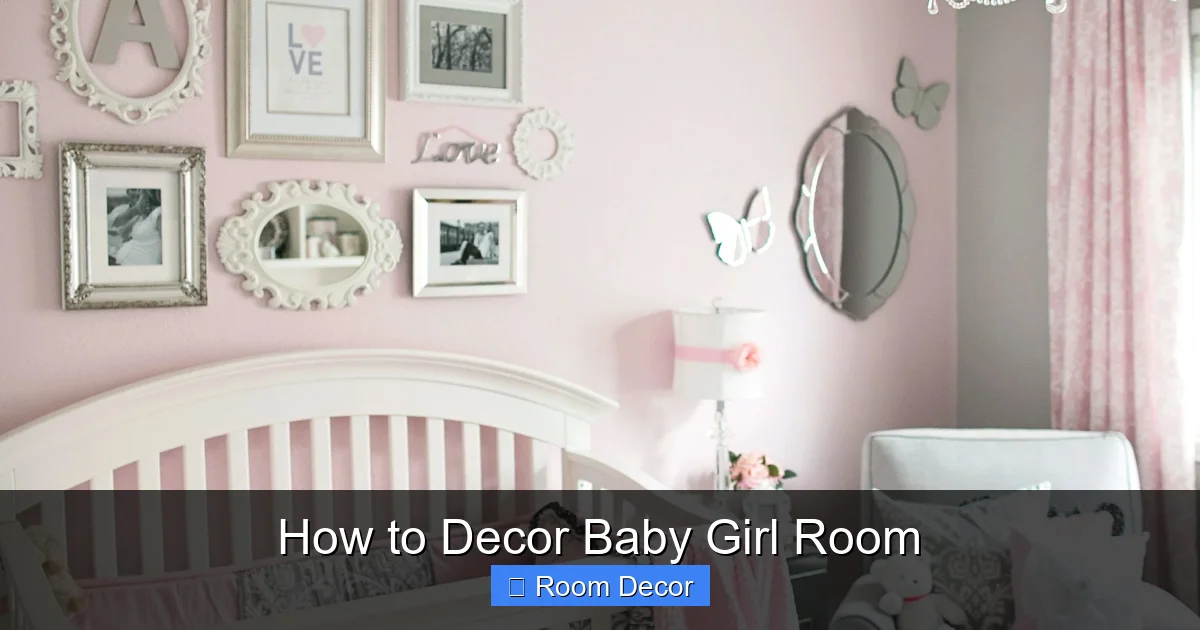
Visual guide about How to Decor Baby Girl Room
Image source: i.pinimg.com
Painting the Walls
Paint is one of the most effective and affordable ways to transform a room.
- Choose Safe Paint: Always opt for low-VOC or zero-VOC (volatile organic compounds) paints. These are better for your baby’s respiratory health.
- Color Application: You can paint all the walls in a single color, or use an accent wall to add visual interest. Consider painting the ceiling a soft color or even a playful pattern.
- Wallpaper Options: If you prefer wallpaper, look for options that are easy to clean and durable. Removable or peel-and-stick wallpapers are great for updating the room as your child grows.
Flooring Considerations
For a nursery, comfort and safety are key.
- Carpet: Soft carpeting is warm and can provide cushioning during those inevitable tumbles. However, it can be harder to clean spills and may harbor allergens. Look for low-pile, stain-resistant options and consider professional cleaning periodically.
- Hardwood or Laminate: These are durable and easy to clean. Add a soft, washable rug to bring in warmth and comfort.
- Rugs: A soft, plush rug can define a play area and add a cozy touch. Ensure it has a non-slip backing or use a rug pad to prevent it from sliding.
Step 3: Essential Furniture for Functionality and Safety
Furniture is the backbone of any nursery. Prioritize safety, functionality, and durability.
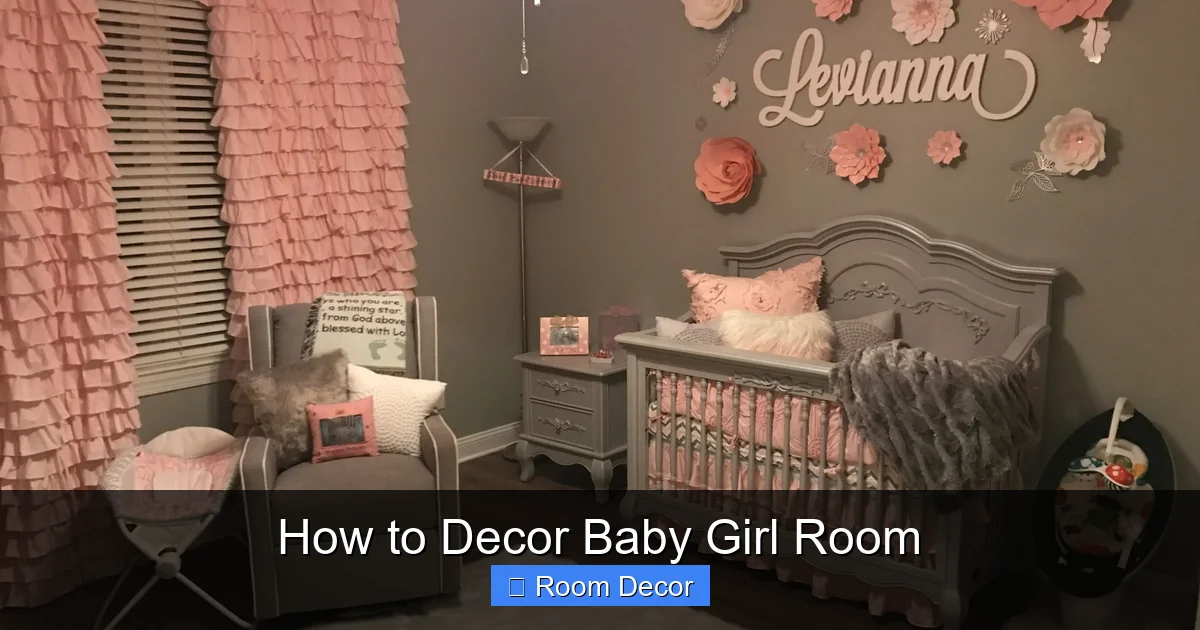
Visual guide about How to Decor Baby Girl Room
Image source: i.pinimg.com
The Crib
The crib is the most important piece of furniture.
- Safety Standards: Ensure the crib meets current safety standards (e.g., CPSC in the US). Check for a firm, flat mattress that fits snugly with no gaps. The slats should be no more than 2 3/8 inches apart.
- Convertible Cribs: Many cribs convert into toddler beds and even full-sized beds, offering long-term value.
- Placement: Position the crib away from windows, blinds, cords, and radiators. Ensure there are no hanging mobiles or toys that could be within reach.
Changing Table or Station
A dedicated changing area is essential for convenience.
- Changing Table with Drawers: This offers storage for diapers, wipes, and clothes, keeping everything organized and within reach.
- Dresser with a Changing Pad: A dresser can serve as a changing station with a secure changing pad on top. Ensure the pad has straps for extra safety.
- Safety First: Never leave your baby unattended on a changing table. Always have diapers and wipes within arm’s reach.
Storage Solutions
Babies come with a lot of gear! Ample storage is crucial.
- Dresser: A good-sized dresser is ideal for storing folded clothes, blankets, and other essentials.
- Bookshelf: A sturdy bookshelf can hold books, toys, and decorative items. Ensure it’s anchored to the wall to prevent tipping.
- Baskets and Bins: Woven baskets or fabric bins are great for organizing smaller items like toys, bibs, or extra burp cloths.
- Closet Organizers: Maximize closet space with shelves, hanging organizers, and drawers.
Comfortable Seating
You’ll spend a lot of time in your baby’s room, so a comfortable chair is a must.
- Glider or Rocker: These are popular choices for their soothing motion. Choose one with good lumbar support.
- Armchair: A comfortable armchair can also work well, especially if it’s large enough to comfortably hold you and your baby.
- Ottoman: Pair your chair with an ottoman for extra comfort and to put your feet up.
Step 4: Lighting: Creating the Right Ambiance
Good lighting is crucial for a nursery. It should be functional for late-night feedings and diaper changes, but also calming for sleep.
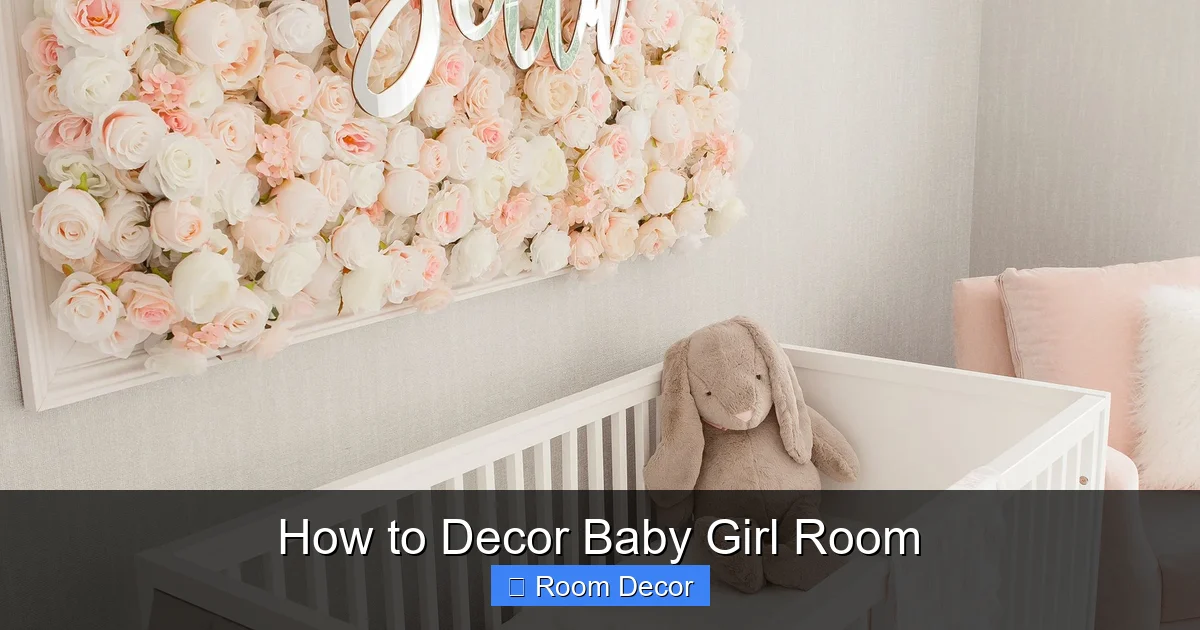
Visual guide about How to Decor Baby Girl Room
Image source: i.pinimg.com
Ambient Lighting
This is the general illumination of the room.
- Overhead Fixture: A ceiling light with a dimmer switch is ideal. This allows you to adjust the brightness depending on the time of day and your baby’s needs.
- Avoid Harsh Light: Opt for warm-toned bulbs rather than cool, stark white ones.
Task Lighting
This is lighting for specific activities.
- Reading Lamp: A floor lamp or table lamp near your glider or armchair is perfect for nighttime feedings or reading stories.
- Night Light: A soft night light can help you navigate the room in the dark without disturbing your sleeping baby. Look for one with adjustable brightness or a comforting glow.
Accent Lighting (Optional)
This can add a decorative touch.
- String Lights: Soft fairy lights can add a magical touch, but ensure they are securely placed and out of reach.
- Wall Sconces: These can provide soft, diffused light and add a stylish element.
Tip: Use multiple light sources and dimmers to create layers of light. This allows you to adapt the room’s brightness to any situation.
Step 5: Textiles and Soft Furnishings
Textiles add warmth, texture, and personality to a nursery.
Bedding
Choose bedding that is both safe and beautiful.
- Crib Sheets: Have at least two fitted crib sheets for easy changes. Choose breathable fabrics like cotton or bamboo.
- Avoid Loose Bedding: For safety, do not use bumpers, loose blankets, or pillows in the crib until your child is older and can safely use them. A wearable blanket or sleep sack is a safer alternative for keeping your baby warm.
Curtains and Window Treatments
These are important for light control and privacy.
- Blackout Curtains: These are invaluable for helping your baby sleep longer, especially during daylight hours.
- Light Filtering: If you don’t want full blackout, choose curtains that can diffuse light softly.
- Safety: Ensure curtain cords are out of reach to prevent strangulation hazards.
Rugs and Throws
Add coziness and visual interest.
- Area Rug: As mentioned before, a soft rug adds comfort and defines a space. Choose one that is easy to clean.
- Decorative Throws: A soft throw blanket on your glider or crib can add a touch of warmth and color.
Step 6: Personalize with Decorative Accents
This is where you add those special touches that make the room uniquely yours and your baby’s.
Wall Decor
Walls are a blank canvas for creativity.
- Wall Art: Choose prints or framed artwork that complement your theme and color palette. Consider personalized pieces with your baby’s name.
- Wall Decals: These are a fun and easy way to add patterns, characters, or words to your walls. They are often removable, making them a great option for renters or those who like to redecorate.
- Gallery Wall: Create a collection of framed photos, art, and even small shelves to display keepsakes.
- Mirror: A strategically placed mirror can make the room feel larger and brighter. Ensure it is safely mounted and out of your baby’s reach.
Decorative Accessories
These are the finishing touches that bring the room together.
- Mobile: A crib mobile can be visually stimulating for your baby, but ensure it’s securely attached and removed when your baby can reach it.
- Stuffed Animals: A few well-placed plush toys can add charm and softness.
- Plants: If you love greenery, consider a few non-toxic plants placed out of reach.
- Personalized Items: A special gift, a hand-knitted blanket, or a unique keepsake can add sentimental value.
Tip: When choosing decorative items, always consider your baby’s safety. Avoid anything with small, detachable parts that could be a choking hazard or anything with sharp edges.
Troubleshooting Common Nursery Decor Challenges
Even with the best planning, you might run into a few hurdles. Here’s how to tackle them:
Small Room Space
If your nursery is on the smaller side, use smart strategies to maximize space and make it feel larger.
- Vertical Storage: Utilize wall shelves and tall, narrow dressers to draw the eye upward.
- Light Colors: Lighter paint colors and furniture can make a room feel more open.
- Multi-functional Furniture: Opt for pieces that serve multiple purposes, like a crib with built-in storage.
- Mirrors: A well-placed mirror can create an illusion of more space.
Budget Constraints
Decorating a nursery doesn’t have to break the bank.
- DIY Projects: Paint furniture, create your own wall art, or sew simple curtains.
- Secondhand Finds: Look for gently used furniture and accessories. Always inspect secondhand items for safety and condition.
- Prioritize Essentials: Invest in a safe crib and a comfortable glider, and save on less critical decorative items.
- Sales and Discounts: Keep an eye out for sales at baby stores and home decor retailers.
Creating a Gender-Neutral Space (if desired)
While this guide focuses on a baby girl’s room, many principles can be applied to create a gender-neutral space.
- Focus on Colors: Use yellows, greens, oranges, and soft blues. Neutrals like beige, grey, and white are also excellent.
- Themes: Animals, nature, stars, or whimsical patterns are often gender-neutral.
- Avoid Stereotypes: Don’t feel limited by traditional “girl” or “boy” colors and themes.
Conclusion
Decorating your baby girl’s room is a labor of love. By following these steps, you can create a beautiful, safe, and functional sanctuary for your little one. Remember to start with a clear vision, prioritize safety, and choose pieces that bring you joy. The most important thing is to create a space that feels warm, welcoming, and filled with love. Happy decorating!