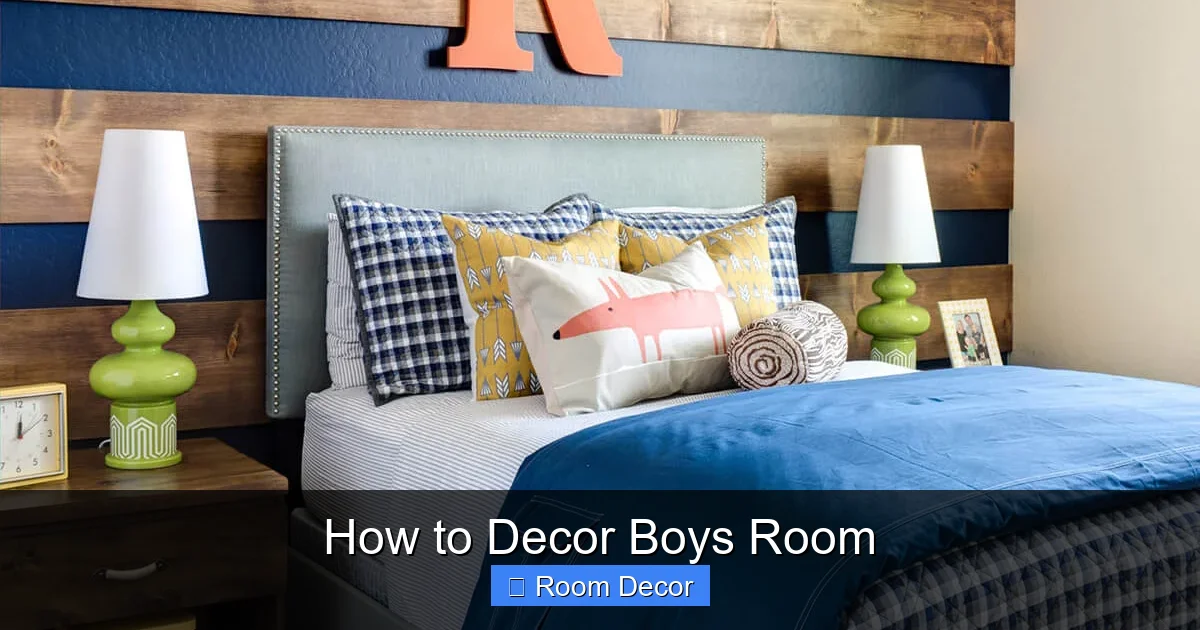
Transform your boy’s room into a space he’ll love with this comprehensive guide! We’ll walk you through choosing themes, selecting the right furniture, and incorporating smart storage solutions. Learn how to create a functional, fun, and personalized bedroom that grows with him. Get ready to design a room that sparks imagination and comfort!
# How to Decor Boys Room
Creating a boys room that’s both functional and fun can feel like a challenge. You want a space that reflects his personality, supports his hobbies, and can adapt as he grows. But where do you start? This comprehensive guide will walk you through every step, from initial concept to final touches, ensuring you design a bedroom that your son will adore. We’ll cover everything from choosing the perfect theme to incorporating smart storage solutions and making safety a priority. Get ready to dive in and create a space that sparks imagination and provides a comfortable haven for your growing boy.
## Step 1: Understand Your Son’s Vision
Before you even think about paint colors or furniture, the most important step is to involve your son. This isn’t just his room; it’s his personal sanctuary. Understanding his interests, passions, and what makes him feel happy and comfortable is key to a successful design.
### H3: Have a Conversation
Sit down with your son and talk about his room. What does he like? What are his favorite colors? Does he have any favorite characters, animals, sports, or hobbies? Ask him what he imagines his ideal room to look like. Even younger children can offer valuable insights. For older boys, their input becomes even more critical as they develop stronger personal preferences.
* **Example:** A young boy might love dinosaurs, while a teen might be into gaming or a particular sports team. This initial conversation will set the foundation for your entire decorating plan.
### H3: Look for Inspiration Together
Browse through magazines, Pinterest boards, or even kids’ room design websites together. This visual exploration can help him articulate his ideas and show you what appeals to him. It also helps you gauge his style and preferences.
* **Tip:** Create a shared board on Pinterest where you can both pin ideas. This makes collaboration easy and fun.
## Step 2: Choose a Theme (or Lack Thereof!)
Themes can be a great way to unify a room’s design. However, it’s important to choose a theme that has longevity or can be easily updated. Overly juvenile themes can quickly become dated as your son grows.
### H3: The Power of a Flexible Theme
Instead of a character-specific theme (like a cartoon hero), consider broader themes that can evolve.
* **Sports Fanatic:** Focus on his favorite sport with team colors, subtle nods to the game (like a basketball hoop shelf), and action-oriented decor. This can transition from a young fan to a more sophisticated sports enthusiast.
* **Adventure Explorer:** Think maps, globes, compass motifs, and natural elements. This theme can grow from a jungle or pirate adventure to a space exploration or outdoor adventure theme.
* **Superhero HQ:** Instead of just posters, incorporate elements like city skyline wall art, industrial-style lighting, or even a secret “bat-cave” nook. This allows for a more mature interpretation.
* **Gaming Zone:** Focus on futuristic elements, cool lighting, and comfortable seating. This can be adapted as gaming trends change.
### H3: The “No Theme” Approach
Sometimes, the best “theme” is simply a cohesive color palette and style that your son enjoys. This offers the most flexibility and allows his interests to shine through accessories and personal items. Focus on creating a comfortable, stylish base that can be personalized over time.
## Step 3: Color Palette Selection
Color plays a huge role in the mood and feel of a room. Don’t be afraid of color, but use it thoughtfully.
### H3: Classic and Contemporary Choices
While blue is often a go-to for boys’ rooms, consider its many shades. From calming navy to vibrant turquoise, blue can be surprisingly versatile.
* **Neutrals as a Base:** Gray, beige, and white are excellent neutral backdrops. They make it easy to introduce pops of color through bedding, accessories, and artwork. A gray room can feel sophisticated and modern, allowing bolder colors to stand out.
* **Earthy Tones:** Greens, browns, and terracotta can create a grounded, natural feel. Think forest greens, warm browns, and muted oranges.
* **Bold Accents:** Use brighter colors like red, orange, or yellow as accent colors. These can be used on an accent wall, in bedding, or in smaller decor items.
### H3: Creating Zones with Color
Use different shades or accent colors to visually separate areas of the room. For example, a slightly different shade of blue on the wall behind his bed can create a cozy sleep zone.
* **Tip:** Always get paint swatches and test them on the wall. Natural light can drastically change how a color looks.
## Step 4: Furniture Essentials and Smart Choices
The right furniture is crucial for functionality, comfort, and maximizing space.
### H3: The Bed
This is the centerpiece of any bedroom.
* **Toddler to Teen:** For younger boys, a sturdy twin bed is ideal. As they grow, consider a full-size bed. Loft beds or bunk beds are excellent space-savers if you have more than one child or need to create room for a desk underneath.
* **Storage Beds:** Beds with built-in drawers or storage compartments are a lifesaver for keeping toys, books, or extra linens organized.
### H3: Storage Solutions
Boys’ rooms tend to accumulate a lot of things. Smart storage is non-negotiable!
* **Bookshelves:** Open bookshelves are great for displaying favorite books and decor.
* **Toy Chests/Bins:** Cube storage units with fabric bins are versatile and easy for kids to use. They can store toys, books, games, and more. Labeling the bins can also help with organization.
* **Wardrobe/Dresser:** Ensure there’s adequate closet space and a dresser for clothes. Consider dressers with deeper drawers for bulkier items.
* **Wall Shelving:** Utilize vertical space with floating shelves for displaying trophies, collectibles, or books.
### H3: Desk and Study Area
As your son gets older, a dedicated desk space becomes essential for homework and creative projects.
* **Size Matters:** Choose a desk size appropriate for the room and your son’s needs. A simple writing desk or a larger L-shaped desk can work.
* **Ergonomics:** Pair the desk with a comfortable, supportive chair.
### H3: Seating Options
A comfortable chair, beanbag, or floor cushions can create a cozy reading nook or a place to hang out with friends.
## Step 5: Walls and Flooring
These are the largest surfaces in the room and have a significant impact on the overall aesthetic.
### H3: Wall Treatments
* **Paint:** As discussed in the color section, paint is the most common and versatile option. Consider a washable finish, especially for younger children.
* **Wallpaper/Wall Decals:** These can add a fun element without covering entire walls. Think subtle patterns, a single accent wall, or removable decals that can be easily updated.
* **Mural:** A large-scale mural can transform a room into an immersive environment, whether it’s a cityscape, a forest, or outer space.
### H3: Flooring
* **Carpet:** Soft, warm, and good for play. Choose durable, stain-resistant options.
* **Hardwood/Laminate:** Easy to clean and can provide a modern look. Use a large, soft rug to add warmth and comfort.
* **Vinyl/Tile:** Durable and easy to maintain, especially good for younger boys’ rooms prone to spills.
## Step 6: Lighting for Mood and Functionality
Good lighting is essential for creating a well-rounded room.
### H3: Ambient Lighting
This is your main light source, usually a ceiling fixture. Choose something that provides good general illumination.
### H3: Task Lighting
* **Desk Lamp:** Essential for homework and reading.
* **Bedside Lamp:** For nighttime reading or a softer glow.
### H3: Accent Lighting
* **String Lights:** Can add a whimsical or cool vibe.
* **LED Strips:** Great for creating mood lighting around the bed, desk, or shelves, especially for gaming-themed rooms.
* **Night Light:** A must-have for younger children.
## Step 7: Decor and Personal Touches
This is where your son’s personality truly shines.
### H3: Artwork and Wall Decor
* **His Creations:** Frame your son’s artwork. This is a beautiful way to personalize the space and boost his confidence.
* **Posters and Prints:** Choose art that reflects his interests, whether it’s movie posters, sports art, or abstract prints.
* **Gallery Wall:** Create a curated collection of framed prints, photos, and even small objects.
### H3: Bedding and Textiles
* **Comforter/Duvet:** This is an easy way to introduce color and pattern.
* **Throw Pillows and Blankets:** Add texture and extra comfort.
* **Rugs:** Soften the space, define areas, and add warmth.
### H3: Accessories
* **Shelving Displays:** Showcase his favorite toys, collectibles, trophies, or books.
* **Plants:** If your son is old enough and interested, a low-maintenance plant can add life to the room.
* **Organizational Bins and Containers:** Choose ones that are both practical and visually appealing.
## Step 8: Safety First!
Always prioritize safety when decorating a boy’s room.
### H3: Furniture Stability
* **Anchor Furniture:** Ensure all tall furniture, like bookshelves and dressers, is securely anchored to the wall to prevent tipping.
* **Rounded Edges:** Opt for furniture with rounded edges, especially for younger children.
### H3: Electrical Safety
* **Cord Management:** Keep electrical cords tidy and out of reach.
* **Outlet Covers:** Use safety covers on unused electrical outlets.
### H3: Material Choices
* **Non-Toxic Paints:** Ensure you use low-VOC or zero-VOC paints.
* **Safe Toys and Decor:** Choose toys and decor made from non-toxic materials.
## Step 9: Involve Your Son in the Process
Remember that initial conversation? Keep him involved throughout.
### H3: Decision Making
Let him make choices within the parameters you’ve set. For example, he can choose between two acceptable paint colors or select his favorite bedding set from a few options.
### H3: The “Reveal”
If possible, keep some elements a surprise, but allow him to have a hand in placing the finishing touches. The excitement of seeing his ideas come to life will make the room even more special.
## Troubleshooting Common Issues
### H3: The Room is Too Small
* **Solution:** Utilize vertical space with loft beds, wall shelves, and tall, narrow storage units. Opt for lighter paint colors to make the room feel more open. Mirrored surfaces can also create an illusion of space.
### H3: My Son’s Interests Change Rapidly
* **Solution:** Focus on a neutral, adaptable base. Use easily interchangeable items like bedding, posters, and accessories to reflect his current interests. Avoid permanent installations based on fleeting fads.
### H3: Maintaining Order is a Constant Battle
* **Solution:** Implement a “one in, one out” rule for new toys. Make tidying up a routine, and ensure there are designated places for everything. Involve your son in creating the organization system so he’s more likely to use it.
## Conclusion
Decorating a boys room is a rewarding process that allows you to create a personalized, functional, and inspiring space for your son. By involving him in the planning, choosing adaptable themes and furniture, and focusing on smart storage and safety, you can design a room that he will love for years to come. Remember to have fun with it and let his personality guide the way!
Key Takeaways
- Involve Your Son: Collaborating with your boy ensures the room reflects his personality and interests, leading to a space he genuinely loves.
- Choose a Flexible Theme: Opt for themes that can adapt as your son grows, avoiding overly specific or juvenile choices that might quickly become outdated.
- Prioritize Smart Storage: Effective storage is crucial for maintaining order and maximizing space, especially in a boy’s room.
- Invest in Adaptable Furniture: Select furniture that can serve multiple purposes or be easily modified as your child’s needs change.
- Color Confidence: Don’t shy away from color! Use it strategically to create mood, define zones, and inject personality.
- Safety First: Always consider safety when choosing furniture, decor, and accessories for a boy’s room.