
Ready to transform your living room? This guide provides a comprehensive, step-by-step approach to decorating your living room, making it a comfortable and stylish space. We cover everything from defining your style and planning your layout to choosing the right furniture, adding color and texture, and the final finishing touches. Follow our expert advice to create a living room you’ll love.
Welcome to your ultimate guide on how to decor a living room! Your living room is often the heart of your home. It’s where you relax after a long day, entertain guests, and create lasting memories with your loved ones. But how do you transform a blank canvas into a space that reflects your personality and feels truly inviting? This comprehensive guide will walk you through every step of decorating your living room, from the initial planning stages to the final decorative touches.
We’ll help you define your style, plan a functional layout, choose the perfect furniture, and infuse your space with color, texture, and personality. By the end of this guide, you’ll have the knowledge and confidence to create a living room that is both beautiful and functional. Let’s get started on creating your dream living room!
Key Takeaways
- Define Your Style Early: Before buying anything, understand your preferred aesthetic (modern, traditional, bohemian, etc.) to ensure a cohesive look and avoid costly mistakes.
- Prioritize Functionality and Layout: Plan how you’ll use the space. Create a comfortable flow for traffic and ensure furniture placement supports activities like conversation and entertainment.
- Invest in Key Furniture Pieces: Focus on quality and comfort for your sofa and accent chairs. These are the anchors of your living room and will be used daily.
- Embrace Color and Texture: Use paint, rugs, cushions, and throws to add personality and warmth. Layering different textures creates visual interest and a cozy feel.
- Master Lighting Design: Combine ambient, task, and accent lighting to create mood and functionality. Don’t rely on a single overhead light.
- Accessorize Thoughtfully: Art, plants, decorative objects, and personal items add character and tell your story. Less is often more; choose pieces that have meaning.
- Don’t Forget the Finishing Touches: Curtains, throws, and decorative pillows are the final elements that bring a room together and make it feel complete and inviting.
Step 1: Define Your Living Room’s Style and Purpose
Before you even think about picking out paint colors or furniture, take some time to figure out what you want your living room to be. What’s its main job? Is it for cozy movie nights, formal entertaining, or a bit of both? Understanding its purpose is key.
H3: Identify Your Aesthetic
Think about the styles you’re drawn to. Do you love clean lines and minimalist furniture? That’s modern. Do you prefer ornate details and classic pieces? That sounds like traditional. Perhaps you like a more eclectic mix of patterns and colors – that could be bohemian.
* Modern: Characterized by simplicity, clean lines, and a neutral color palette. Think sleek furniture, minimal clutter, and geometric patterns.
* Traditional: Features classic furniture styles, rich fabrics like velvet and silk, and a more formal feel. Often includes ornate details and a symmetrical arrangement.
* Bohemian (Boho): Embraces a relaxed, eclectic vibe with a mix of patterns, textures, and colors. Think global influences, vintage finds, and lush plants.
* Farmhouse: Combines rustic charm with modern comfort. Features natural materials like wood and metal, comfortable seating, and a warm, inviting atmosphere.
* Scandinavian: Focuses on simplicity, functionality, and natural light. Uses light wood tones, muted colors, and cozy textiles for a hygge feel.
**Tip:** Look for inspiration online! Websites like Pinterest and Houzz are fantastic resources for saving images of living rooms you love. Create a mood board to collect these ideas and identify common themes.
H3: Consider Your Lifestyle
How do you actually *use* your living room? If you have kids and pets, you’ll want durable, easy-to-clean fabrics and a layout that allows for active play. If you host frequent dinner parties, you might need more seating and a more formal arrangement.
* Family-Friendly: Opt for stain-resistant fabrics, rounded furniture edges, and plenty of storage for toys and games.
* Entertainer’s Haven: Ensure ample seating for guests, good flow between seating areas, and perhaps a bar cart or dedicated serving area.
* Relaxation Zone: Prioritize comfort with plush sofas, soft throws, and ambient lighting for a calming atmosphere.
Step 2: Plan Your Living Room Layout
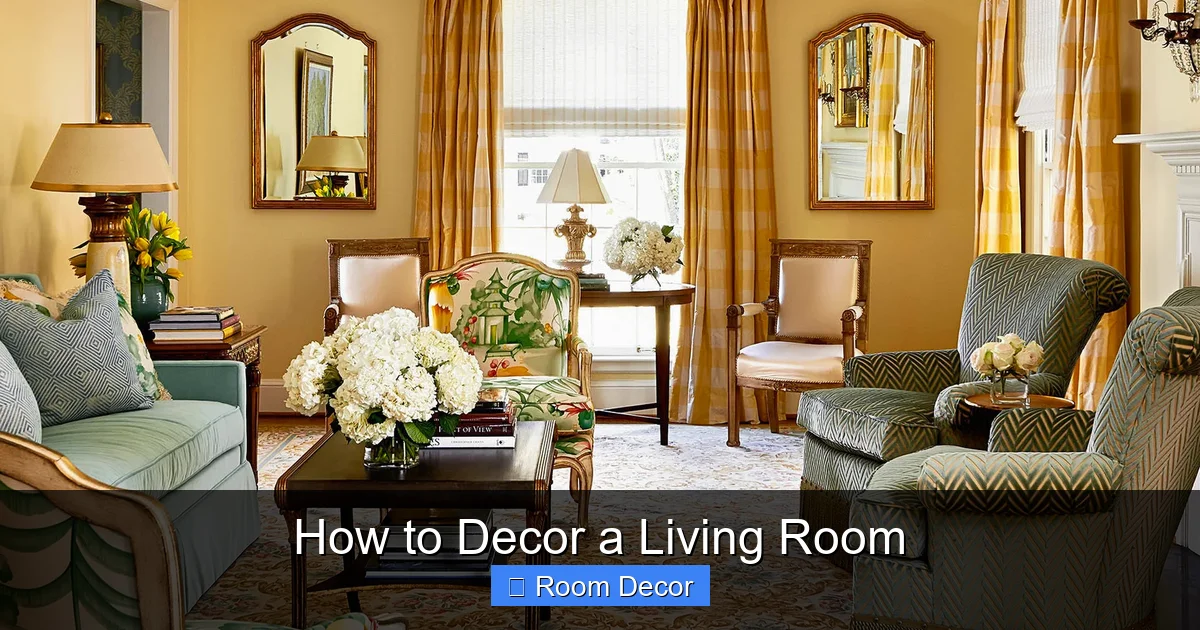
Visual guide about How to Decor a Living Room
Image source: thespruce.com
A well-planned layout is crucial for a functional and comfortable living room. It dictates how you move through the space and how effectively you can use each area.
H3: Measure Your Space
This is a non-negotiable step. Grab a measuring tape and carefully measure the dimensions of your living room. Don’t forget to note the location and size of windows, doors, fireplaces, and any architectural features. This information is vital for choosing furniture that fits perfectly.
H3: Create a Floor Plan
You can do this the old-fashioned way with graph paper and a pencil, or use online tools and apps. Draw your room to scale and then cut out scaled templates of potential furniture pieces. This allows you to experiment with different arrangements without moving heavy items.
* Focal Point: Identify the main focal point of your room. This could be a fireplace, a large window with a view, a television, or a piece of art. Arrange your furniture to face or complement this focal point.
* Conversation Areas: Arrange seating pieces so they face each other or are in close proximity, encouraging conversation. Avoid pushing all furniture against the walls; pulling pieces slightly away can create a more intimate and dynamic arrangement.
* Traffic Flow: Ensure there’s enough space to walk comfortably around furniture. Aim for at least 2-3 feet of clearance for main walkways.
* **Balance:** Distribute visual weight evenly. Don’t put all your large, heavy furniture on one side of the room.
**Example:** If you have a fireplace, arrange your sofa and chairs to face it, creating a cozy gathering spot. If your TV is the focal point, ensure seating is positioned at a comfortable viewing distance.
Step 3: Choose Your Anchor Furniture Pieces
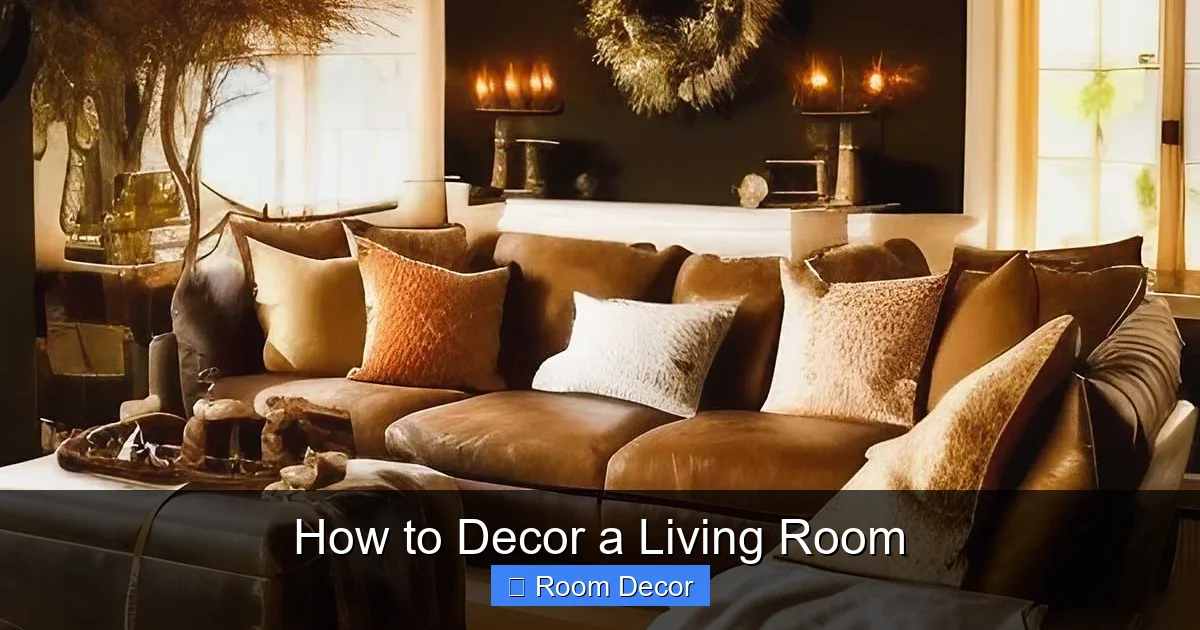
Visual guide about How to Decor a Living Room
Image source: fillingthejars.com
Your sofa is likely the most significant piece of furniture in your living room. Choose wisely, as it sets the tone for the rest of your decor.
H3: Select the Right Sofa
Consider size, style, and comfort. A sectional can be great for large families or for maximizing seating in an L-shaped layout. A traditional sofa might suit a more formal room.
* Size: Measure your space and your chosen layout to determine the best sofa size. Don’t let a massive sofa overpower a small room or vice versa.
* Comfort: Test the sofa for comfort. You’ll be spending a lot of time here, so it needs to feel good!
* Fabric: Think about durability and maintenance. Leather is easy to clean but can be pricey. Performance fabrics are excellent for families with kids and pets.
H3: Add Accent Seating
Accent chairs or a comfortable armchair can add personality and extra seating. They’re a great way to introduce a different color, pattern, or texture into the room.
H3: Consider a Coffee Table and Side Tables
These are essential for functionality. Your coffee table should be proportionate to your sofa. Side tables are perfect for lamps, drinks, and decorative items.
* **Height:** A coffee table should generally be about the same height as your sofa seat, or slightly lower.
* **Material:** Think about the overall style. A wooden coffee table adds warmth, while a glass or metal one can feel more modern.
Step 4: Bring in Color and Texture
Color and texture are what make a living room feel alive and inviting. They add depth, personality, and warmth.
H3: The Power of Paint
Walls are a large canvas. The color you choose will significantly impact the mood of the room.
* Neutrals: Whites, creams, grays, and beiges are versatile and create a calm, sophisticated backdrop.
* Bold Colors: Deep blues, emerald greens, or warm terracotta can add drama and personality.
* Light Colors: Pastels or light neutrals can make a small room feel larger and brighter.
**Tip:** Always test paint samples on your walls before committing. Lighting conditions can dramatically alter how a color looks.
H3: Introduce Rugs
A rug anchors your furniture, defines zones, and adds warmth and texture.
* **Size:** The rug should be large enough to encompass at least the front legs of your sofa and accent chairs. In larger rooms, it can float and define a seating area.
* **Material:** Wool is durable and soft. Jute or sisal add a natural, textured feel. Performance rugs are great for high-traffic areas.
* Pattern/Color: Use a rug to introduce pattern or color to a more neutral room, or to tie together existing colors.
H3: Layer with Textiles
Cushions and throws are your best friends for adding comfort and style.
* **Mix and Match:** Don’t be afraid to mix different textures and patterns. Combine a velvet cushion with a chunky knit throw, for example.
* **Color Palette:** Use cushions and throws to reinforce your room’s color scheme or add pops of accent color.
Step 5: Master the Art of Lighting
Good lighting is essential for creating the right ambiance and making your living room functional. Layering different types of lighting is key.
H3: Ambient Lighting
This is the general, overall illumination of the room.
* **Overhead Fixtures:** A stylish ceiling light or chandelier can be a statement piece.
* **Recessed Lighting:** Provides clean, unobtrusive general light.
H3: Task Lighting
This is for specific activities like reading or working.
* **Floor Lamps:** Perfect next to a sofa or armchair for reading.
* **Table Lamps:** Sit on side tables and provide focused light.
H3: Accent Lighting
This highlights specific features like artwork or architectural details.
* **Picture Lights:** Illuminate artwork.
* **Uplighters:** Can be placed behind plants or furniture to cast interesting shadows.
**Tip:** Install dimmers on your lights. This gives you complete control over the mood of the room, from bright and airy to dim and cozy.
Step 6: Accessorize and Personalize
This is where your living room truly comes to life and tells your story. Accessories are the finishing touches that make a space unique.
H3: Hang Wall Art
Art adds personality and color.
* **Scale:** Ensure the art is appropriately sized for the wall space. A small piece can get lost, while a huge piece can overwhelm.
* **Placement:** Hang art at eye level (around 57-60 inches from the floor to the center of the artwork).
* **Gallery Walls:** Consider a collection of smaller pieces arranged together for a dynamic display.
H3: Bring in Greenery
Plants add life, color, and improve air quality.
* **Variety:** Choose plants that suit your light conditions and your ability to care for them.
* **Pots:** Select planters that complement your decor style.
H3: Decorative Objects
These are the personal touches that make a house a home.
* **Vases, Sculptures, Books:** Arrange these on coffee tables, shelves, and side tables.
* **Groupings:** Display objects in odd numbers (groups of three or five often look best).
* **Balance:** Don’t over-clutter. Leave some negative space to allow your decorative items to shine.
H3: Curtains and Window Treatments
These add softness, control light, and provide privacy.
* **Fabric:** Choose fabrics that complement your style and color palette. Sheer curtains add softness and diffuse light, while heavier drapes can add drama and insulation.
* **Length:** Curtains should generally just kiss the floor or puddle slightly for a luxurious feel.
Troubleshooting Common Decorating Challenges
Even with the best intentions, you might encounter some hurdles. Here are a few common issues and how to solve them.
H3: My Living Room Feels Too Dark
* Solution: Lighten up! Use lighter paint colors on the walls, incorporate mirrors to reflect light, and ensure you have enough light sources. Add sheer curtains to maximize natural light.
H3: My Living Room Feels Cluttered
* Solution: Declutter ruthlessly. Invest in attractive storage solutions like baskets, ottomans with storage, and cabinets. Style your shelves intentionally, leaving some empty space.
H3: My Furniture Arrangement Feels Awkward
* Solution: Re-evaluate your layout. Does it promote conversation? Is there enough walking space? Try pulling furniture away from the walls. Sometimes, a different focal point can solve this.
H3: I Don’t Know How to Combine Patterns
* Solution: Start with a dominant pattern and then introduce smaller, coordinating patterns. Vary the scale of your patterns – a large floral might be paired with a smaller geometric or stripe. Use your color palette to tie them together.
Conclusion
Decorating a living room is a journey, not a destination. It’s about creating a space that you love to live in, that reflects your personality, and that serves your needs. By following these steps – from defining your style and planning your layout to carefully selecting furniture, color, lighting, and accessories – you can transform your living room into a functional, beautiful, and inviting sanctuary.
Remember to have fun with the process! Your living room is your space to experiment and express yourself. Don’t be afraid to try new things, and most importantly, make it a place where you and your loved ones can relax, connect, and create cherished memories. Happy decorating!