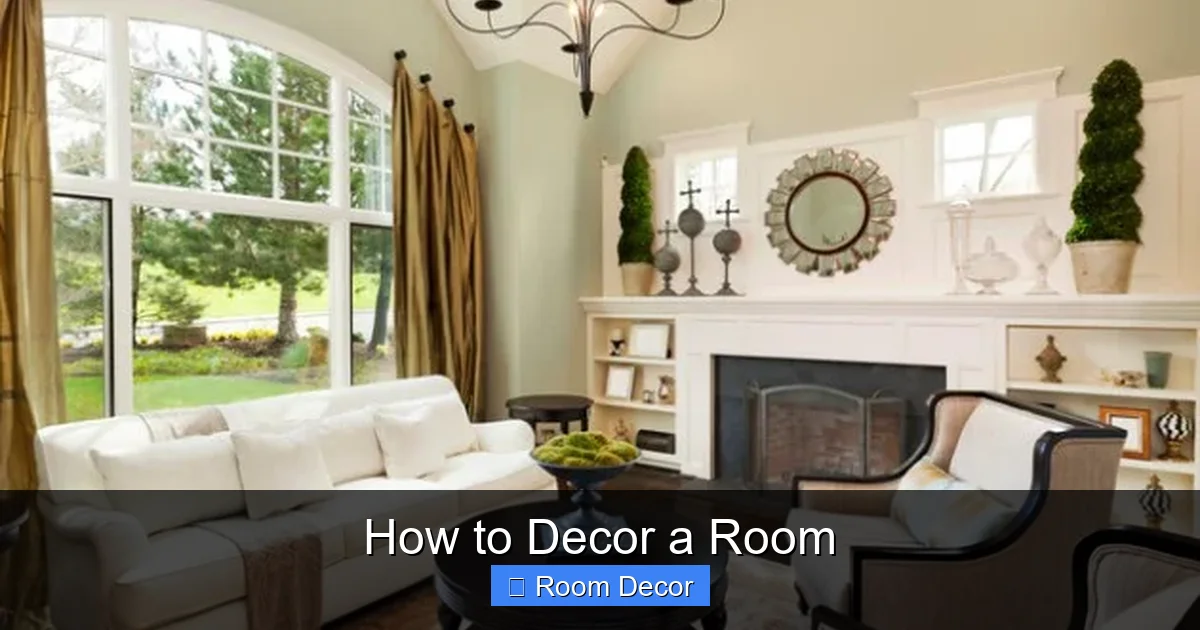
Transform your living space with this comprehensive guide on how to decor a room. We’ll walk you through every step, from defining your style to adding the final touches. Discover practical tips for choosing furniture, selecting a color palette, and arranging your layout for maximum impact. Create a home you love with our expert advice.
Key Takeaways
- Define Your Style: Before you buy anything, understand your personal aesthetic and the mood you want to create in the room.
- Plan Your Layout: Consider the room’s function and traffic flow to arrange furniture for both practicality and visual appeal.
- Choose a Color Palette: Select colors that complement each other and set the desired atmosphere, using the 60-30-10 rule as a guide.
- Select Key Furniture Pieces: Invest in foundational items that are functional, comfortable, and proportionate to the room’s size.
- Add Layers of Lighting: Combine ambient, task, and accent lighting to create depth, mood, and functionality.
- Incorporate Texture and Pattern: Mix different materials and designs to add visual interest and warmth to your decor.
- Accessorize Thoughtfully: Use decorative items to express your personality and tie the room’s design together.
How to Decor a Room: Your Ultimate Guide to Creating a Beautiful Space
Feeling like your room is missing something? Do you walk in and feel a lack of inspiration or comfort? You’re not alone! Decorating a room can seem daunting, but it’s actually a rewarding process that allows you to express your personality and create a space you truly love. This guide will break down how to decor a room into simple, manageable steps. We’ll cover everything from understanding your style to picking the perfect accessories. Get ready to transform your living space!
Step 1: Discover Your Design Style
The very first step in how to decor a room is understanding what you like. What kind of atmosphere do you want? What colors make you feel good? Think about the rooms you admire. Do you prefer a cozy, rustic feel, or a sleek, modern vibe?
Identify Your Inspiration
*
Browse magazines and online platforms: Look at interior design magazines, Pinterest, Instagram, and Houzz. Save images of rooms that catch your eye.
*
Analyze common themes: What do the saved images have in common? Are there recurring colors, furniture shapes, or textures?
*
Consider your lifestyle: Are you a minimalist who likes clean lines, or do you love to fill your space with art and collections? Your lifestyle will influence your decor choices.
Common Design Styles to Consider
*
Modern: Characterized by clean lines, minimal ornamentation, and neutral color palettes, often with pops of bold color. Think sleek furniture and geometric shapes.
*
Traditional: Features classic furniture, rich colors, ornate details, and symmetrical arrangements. It evokes a sense of elegance and history.
*
Bohemian (Boho): A free-spirited style that embraces eclectic mixes of patterns, colors, and textures. It’s about comfort, personal expression, and a laid-back atmosphere.
*
Farmhouse: Combines rustic elements with modern comfort. Think natural materials like wood and stone, comfortable furniture, and a warm, inviting feel.
*
Scandinavian: Focuses on simplicity, functionality, and natural light. It often uses light colors, natural wood, and minimalist decor.
Step 2: Plan Your Room’s Layout and Function
Once you know your style, it’s time to think about how the room will be used. This is crucial for effective room decor.
Assess the Room’s Purpose
*
What activities will take place here? Is it a living room for entertaining, a bedroom for relaxation, a home office for work, or a multi-functional space?
*
Who will use the room? Consider the needs of everyone who will spend time there.
Measure and Map
*
Measure your room: Accurately measure the length, width, and height of the room. Note the location of windows, doors, fireplaces, and any architectural features.
*
Measure your furniture: If you have existing furniture, measure its dimensions. If you’re buying new, get the measurements beforehand.
*
Create a floor plan: Sketch out your room on graph paper or use online tools. This will help you visualize different furniture arrangements without moving heavy items.
Consider Traffic Flow
*
Ensure easy movement: People should be able to walk around comfortably without bumping into furniture. Leave adequate pathways, especially between doorways and seating areas.
*
Create conversation areas: In living rooms, arrange seating so people can talk to each other easily. Avoid having all furniture pushed against the walls.
*
Balance the room: Distribute visual weight evenly. Don’t put all the large furniture on one side.
Step 3: Select Your Color Palette
Color is one of the most powerful tools in how to decor a room. It sets the mood and influences how a space feels.
Understand the Color Wheel
*
Primary colors: Red, yellow, blue.
*
Secondary colors: Green, orange, purple (made by mixing primary colors).
*
Tertiary colors: Combinations of primary and secondary colors.
Popular Color Schemes
*
Monochromatic: Uses different shades and tints of a single color. This creates a serene and sophisticated look.
*
Analogous: Uses colors that are next to each other on the color wheel (e.g., blue, blue-green, green). This creates a harmonious and calm feel.
*
Complementary: Uses colors opposite each other on the color wheel (e.g., blue and orange, red and green). This creates high contrast and energy.
*
Triadic: Uses three colors evenly spaced on the color wheel (e.g., red, yellow, blue). This creates a vibrant and balanced scheme.
The 60-30-10 Rule
This is a fantastic guideline for applying your chosen colors effectively:
*
60% Dominant Color: This is usually your wall color or the color of large furniture pieces. It sets the overall tone.
*
30% Secondary Color: This color supports the dominant color and is used for furniture, curtains, or accent walls.
*
10% Accent Color: This is your pop of color, used for small accessories like pillows, vases, or artwork. It adds interest and personality.
Consider the Mood
*
Warm colors (reds, oranges, yellows): Create a cozy, energetic, and inviting atmosphere.
*
Cool colors (blues, greens, purples): Promote a sense of calm, serenity, and spaciousness.
*
Neutrals (whites, grays, beiges, browns): Offer a versatile backdrop and can be paired with any color to create a sophisticated or minimalist look.
Step 4: Choose Your Key Furniture Pieces
Furniture is the backbone of any room. When deciding how to decor a room, invest in pieces that are functional, comfortable, and proportionate.
Focus on Functionality
*
Sofa/Seating: The most important piece in a living room. Choose one that fits the space and your comfort needs.
*
Bed: The focal point of a bedroom. Ensure it’s the right size and comfortable.
*
Table: Dining tables, coffee tables, side tables – choose based on the room’s purpose and size.
*
Storage: Shelves, cabinets, dressers – essential for keeping your space tidy.
Proportion is Key
*
Avoid oversized furniture in small rooms: It will make the space feel cramped.
*
Avoid undersized furniture in large rooms: It can make the space feel empty and unbalanced.
*
Consider the scale of other items: A massive sofa might overwhelm a delicate coffee table.
Comfort and Quality
*
Test for comfort: Sit on sofas, lie on beds. You’ll be spending a lot of time here, so comfort is paramount.
*
Invest in quality: While budget is a factor, try to invest in well-made pieces that will last longer.
Step 5: Layer Your Lighting
Good lighting is essential for making a room feel welcoming and functional. It’s often an overlooked element in how to decor a room.
Types of Lighting
*
Ambient Lighting: This is the general, overall illumination of a room. Think ceiling fixtures, chandeliers, or recessed lighting.
*
Task Lighting: This is focused light for specific activities. Examples include reading lamps next to a chair, desk lamps, or under-cabinet lighting in a kitchen.
*
Accent Lighting: This highlights specific features like artwork, architectural elements, or plants. Picture track lighting, spotlights, or picture lights.
Create a Lighting Plan
*
Layer your lights: Aim for a mix of all three types of lighting to create depth and atmosphere.
*
Use dimmers: Dimmers give you control over the intensity of light, allowing you to adjust the mood for different occasions.
*
Consider natural light: Maximize natural light by using sheer curtains or ensuring windows aren’t blocked by furniture.
Step 6: Add Texture and Pattern
Texture and pattern add depth, interest, and personality to your room decor. Without them, a room can feel flat and uninspired.
Introduce Different Textures
*
Soft textures: Think plush rugs, velvet pillows, knitted throws, linen curtains.
*
Hard textures: Consider wood furniture, metal accents, ceramic vases, stone elements.
*
Natural textures: Woven baskets, rattan furniture, live plants.
Incorporate Patterns
*
Mix and match patterns: Don’t be afraid to combine different patterns, but keep a common color or scale in mind to tie them together.
*
Vary the scale: Combine a large-scale pattern with a smaller, more subtle one.
*
Pattern placement: Use patterns on rugs, throw pillows, curtains, upholstery, or even wallpaper.
Step 7: Accessorize with Personality
Accessories are the finishing touches that make a room truly your own. This is where you inject your personality into your room decor.
Wall Art and Mirrors
*
Choose art that speaks to you: Whether it’s paintings, prints, photographs, or sculptures, select pieces you love.
*
Consider the scale: Large walls can handle larger art pieces, while smaller walls might need a gallery wall or a few smaller pieces.
*
Mirrors: They can make a room feel larger and brighter by reflecting light and space.
Decorative Objects
*
Vases, sculptures, bowls: Choose items that complement your style and color palette.
*
Books: Stacked books can add a touch of sophistication and personality.
*
Plants: Bring life and freshness into your room with indoor plants. They also improve air quality.
Textiles
*
Throw pillows and blankets: These are easy ways to add color, pattern, and texture to your seating areas.
*
Rugs: A rug can define a space, add warmth, and introduce pattern and color.
Personal Touches
*
Display photos: Personal photos add warmth and memories to your space.
*
Showcase collections: If you collect something, find elegant ways to display it.
Troubleshooting Common Decorating Dilemmas
Sometimes, things don’t go as planned. Here are a few common issues and how to fix them:
My room feels too dark.
*
Solution: Maximize natural light. Use lighter paint colors on walls and ceilings. Add more lamps and ensure they provide adequate brightness. Consider a large mirror to reflect light.
My room feels too cluttered.
*
Solution: Declutter ruthlessly. Invest in stylish storage solutions like baskets, ottomans with storage, or cabinets. Group similar items together rather than scattering them.
The furniture arrangement feels awkward.
*
Solution: Revisit your floor plan. Try pulling furniture away from the walls to create more intimate conversation areas. Ensure there’s clear traffic flow. Sometimes, even a simple swap of a side table can make a difference.
My color scheme feels boring.
*
Solution: Introduce accent colors through accessories like pillows, throws, artwork, or decorative objects. A vibrant rug or a statement lamp can also liven things up.
Conclusion
Learning how to decor a room is an ongoing journey of self-expression and creativity. By following these steps, you can systematically approach the process and create a space that is both beautiful and functional. Remember to define your style, plan your layout, choose your colors wisely, select furniture that fits your needs, layer your lighting, add texture and pattern, and finally, accessorize with personality. Don’t be afraid to experiment and make changes as you go. The most important thing is to create a room that you love to be in. Happy decorating!