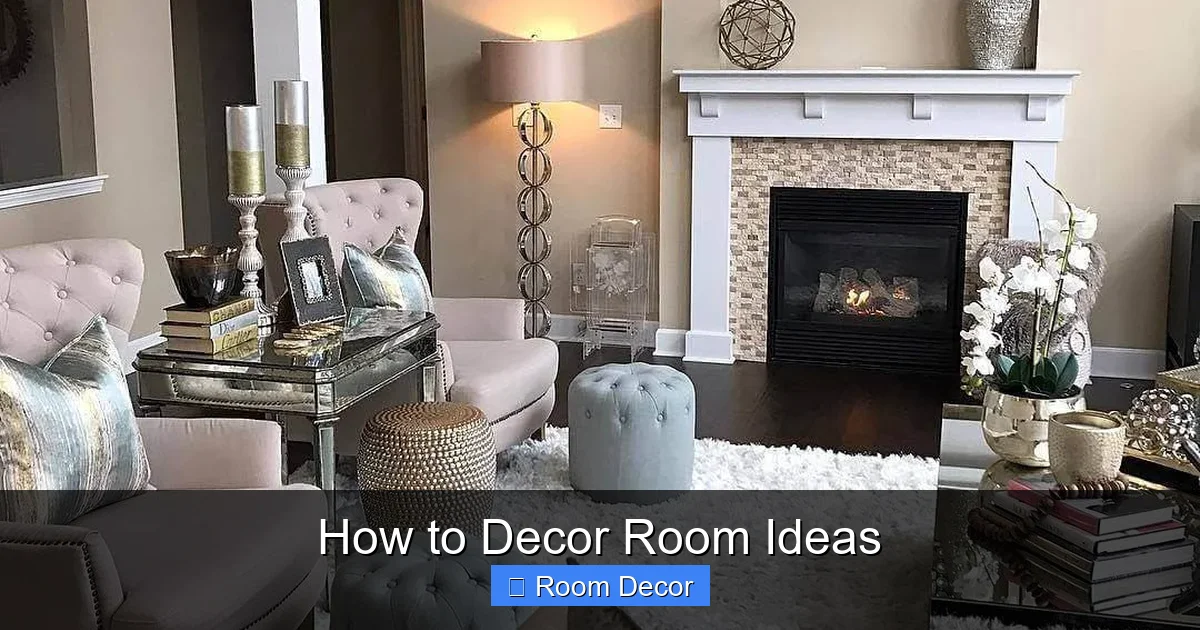
Ready to refresh your room? This comprehensive guide breaks down the entire room decor process, making it easy for anyone to create a stylish and functional space. Learn to define your style, plan your layout, choose the right colors, and add those perfect finishing touches. Mastering room decor is achievable with these simple, actionable steps.
Transforming a room from drab to fab can seem daunting, but it doesn’t have to be! Whether you’re revamping a living room, sprucing up a bedroom, or adding personality to a home office, this guide will walk you through everything you need to know. We’ll cover how to brainstorm room decor ideas, plan your space, and bring your vision to life. Get ready to create a room that’s not only beautiful but also a true reflection of you.
Key Takeaways
- Understand Your Style: Before buying anything, figure out your personal aesthetic to ensure your decor choices are cohesive and reflect your personality.
- Plan Your Layout: Measure your space and map out furniture placement to optimize flow, functionality, and the overall feel of the room.
- Color Palette is Key: Select a harmonious color scheme that sets the mood you desire, considering the 60-30-10 rule for balanced application.
- Lighting Enhances Ambiance: Layer different types of lighting (ambient, task, accent) to create depth, warmth, and functionality.
- Texture Adds Depth: Incorporate various textures through fabrics, materials, and finishes to make a room feel more inviting and visually interesting.
- Accessorize Thoughtfully: Use decor items like art, plants, and decorative objects to personalize the space and express your unique taste.
- Don’t Forget Functionality: Ensure your decor choices serve a purpose and enhance the usability of the room, not just its appearance.
Step 1: Define Your Room Decor Style
The first and most crucial step in any room decor project is to figure out your personal style. What kind of atmosphere do you want to create? Think about how you use the room and what makes you feel comfortable and inspired. Don’t just jump into buying trendy items; invest time in understanding your aesthetic.
Explore Different Decor Styles
There are many popular decor styles to draw inspiration from. Consider these:
- Modern: Clean lines, minimalist approach, neutral color palettes, and a focus on functionality. Think sleek furniture and uncluttered spaces.
- Bohemian (Boho): Eclectic, free-spirited, and layered. This style embraces patterns, vibrant colors, natural materials, and a mix of vintage and new items.
- Farmhouse: Cozy and rustic, often featuring natural wood, shiplap, antique-inspired pieces, and a warm, inviting color palette.
- Scandinavian: Minimalist, functional, and bright. It emphasizes light colors, natural materials like wood, and practical, comfortable furnishings.
- Mid-Century Modern: Popular from the 1940s to 1960s, it combines organic shapes with graphic patterns and natural elements. Think iconic furniture designs.
- Industrial: Raw, unfinished elements like exposed brick, concrete, and metal, often paired with vintage furniture and a utilitarian feel.
- Coastal: Light and airy, using a palette of blues, whites, and sandy tones. It incorporates natural textures like rattan, linen, and shells.
Create a Mood Board
Once you have a general idea of styles you like, it’s time to get visual. A mood board is your best friend. You can create a physical one with magazine cutouts and fabric swatches or a digital one using tools like Pinterest, Canva, or Milanote.
Ask Yourself Key Questions
As you gather inspiration, ask yourself:
- What colors do I gravitate towards?
- What textures do I find appealing?
- What kind of mood do I want to evoke (calm, energetic, sophisticated)?
- What are my must-have functional items for this room?
- What existing pieces do I want to keep?
Step 2: Plan Your Room Layout and Functionality
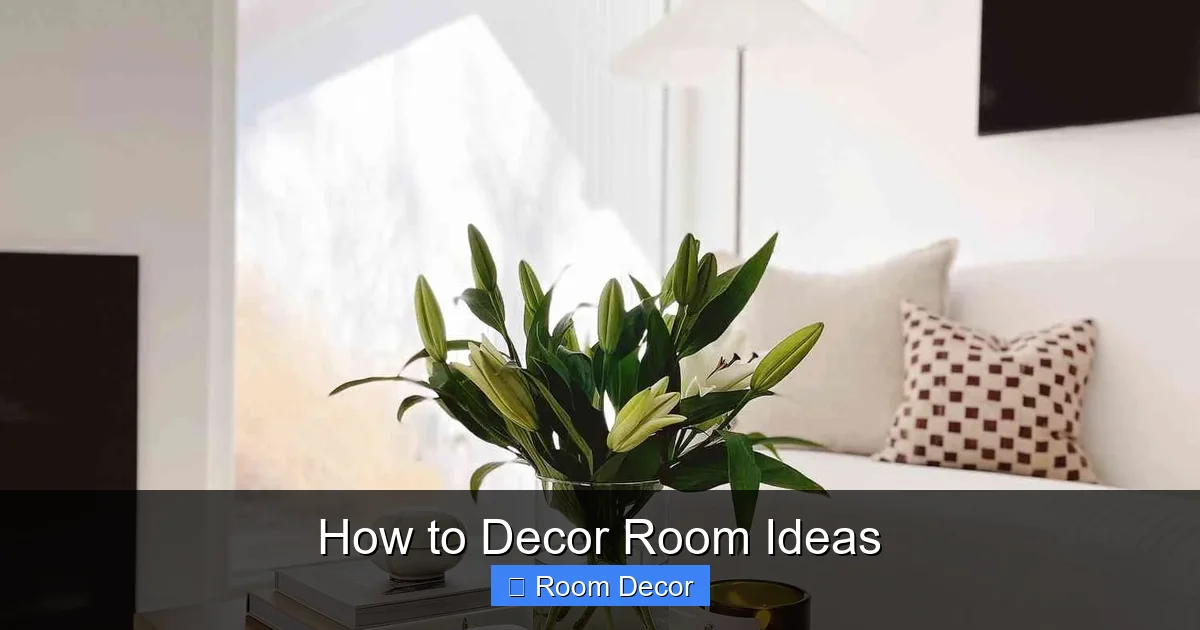
Visual guide about How to Decor Room Ideas
Image source: realsimple.com
Now that you know your style, it’s time to think about how the room will actually work. A well-planned layout makes a huge difference in how a space feels and functions.
Measure Your Space
This is non-negotiable! Grab a tape measure and accurately measure the length, width, and height of your room. Don’t forget to note the placement and dimensions of windows, doors, fireplaces, and any built-in features.
Sketch Your Floor Plan
On graph paper or using online tools (like Planner 5D, Roomstyler, or even simple drawing apps), create a scaled floor plan. This will help you visualize how furniture will fit.
Consider Furniture Placement
Think about traffic flow. You should be able to walk through the room easily without bumping into furniture.
- Focal Point: Identify or create a focal point in the room. This could be a fireplace, a large window with a view, a piece of art, or a statement furniture item. Arrange furniture around this point.
- Conversation Areas: In living rooms, arrange seating to encourage conversation. Sofas and chairs should be close enough for people to talk comfortably without shouting.
- Function Zones: If your room has multiple purposes (e.g., a living room that also serves as a reading nook), create distinct zones using furniture arrangement, rugs, or lighting.
- Scale and Proportion: Ensure your furniture is appropriately sized for the room. A massive sectional might overwhelm a small room, while tiny furniture can get lost in a large space.
Prioritize Functionality
Decor isn’t just about looks; it’s about how you live.
- Storage: How much storage do you need? Incorporate shelves, cabinets, ottomans with storage, or decorative baskets.
- Lighting: Think about where you’ll need light for specific activities (reading, working, entertaining).
- Comfort: Ensure your seating is comfortable and the overall arrangement supports relaxation and enjoyment.
Step 3: Choose Your Color Palette
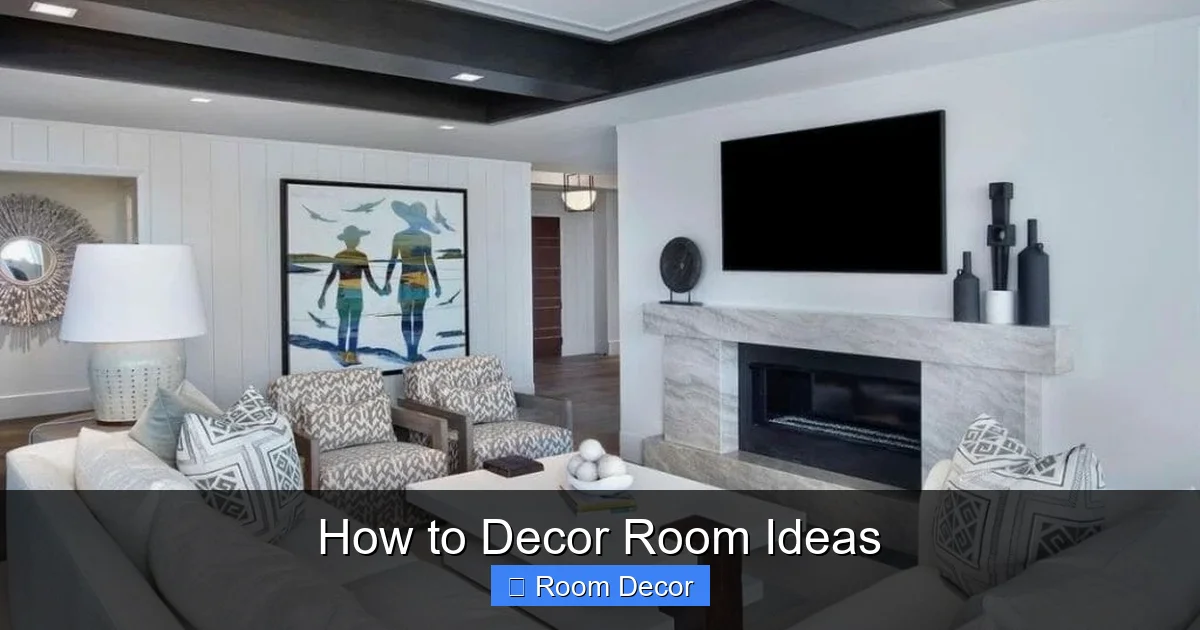
Visual guide about How to Decor Room Ideas
Image source: decorilla.com
Color is one of the most powerful tools in interior design. It can dramatically affect the mood and perception of a space.
Understanding Color Theory Basics
The color wheel is your friend. Complementary colors (opposite on the wheel) create high contrast, while analogous colors (next to each other) create harmony.
The 60-30-10 Rule
This is a classic decorating guideline for a balanced color scheme:
- 60% Dominant Color: This is usually your main wall color or the color of your largest furniture pieces. It sets the overall tone.
- 30% Secondary Color: This color should complement the dominant color and is used for accent furniture, curtains, or smaller rugs.
- 10% Accent Color: This is your pop of color! Use it for small decorative items, throw pillows, or artwork.
Selecting Colors for Your Room
- Neutrals: Whites, grays, beiges, and blacks are versatile and provide a calming backdrop. They allow you to easily change accent colors with accessories.
- Warm Colors: Reds, oranges, and yellows can make a room feel cozy and energetic. They are great for living rooms or dining rooms.
- Cool Colors: Blues, greens, and purples tend to be calming and create a sense of spaciousness. They are excellent for bedrooms or bathrooms.
- Consider Natural Light: Rooms with a lot of natural light can handle deeper, richer colors. Rooms with less light might benefit from lighter, brighter shades to maximize the light available.
Test Your Colors
Always get paint samples and paint large swatches on different walls in your room. Look at them at different times of the day to see how the light affects them before committing.
Step 4: Select Furniture and Key Pieces
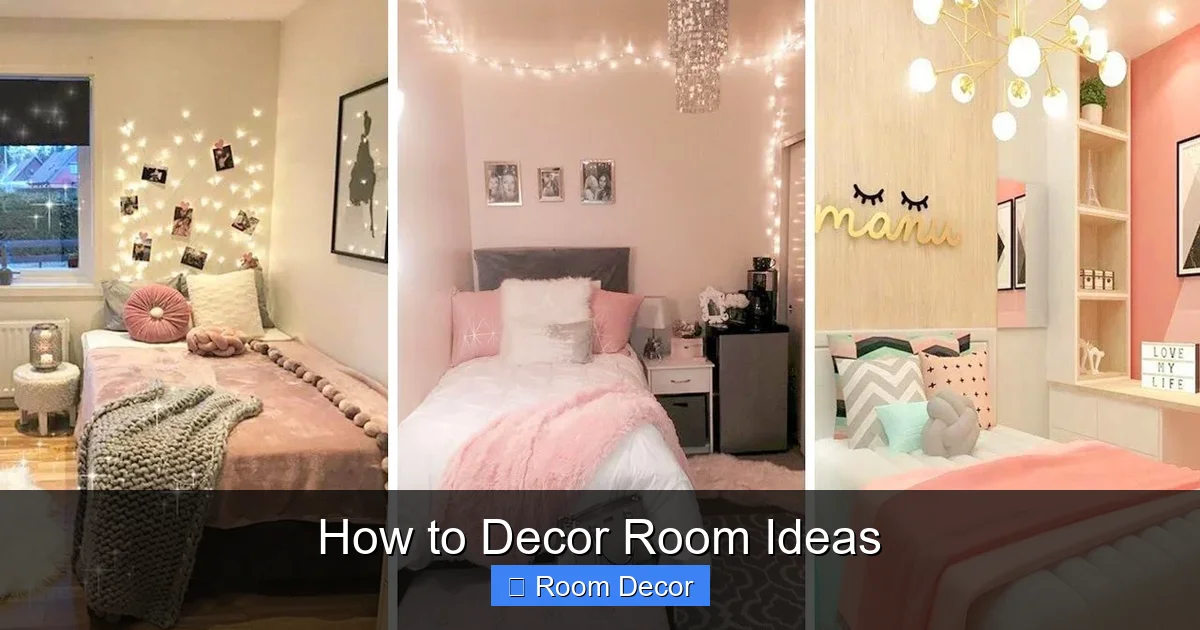
Visual guide about How to Decor Room Ideas
Image source: residencestyle.com
Furniture is the backbone of any room. Choose pieces that fit your style, your layout, and your budget.
Invest in Key Pieces
Start with the essential, larger items that will define the room.
- Sofa/Seating: In a living room, the sofa is often the biggest investment. Choose something comfortable and durable that suits your style.
- Bed: The centerpiece of a bedroom. Consider the frame, headboard, and mattress.
- Dining Table and Chairs: If it’s a dining area, these are crucial.
- Desk/Workstation: For a home office.
Mix and Match Materials
Don’t be afraid to mix materials. Wood, metal, glass, and various fabrics can add visual interest and depth. For example, a wooden coffee table with a metal frame, paired with a velvet sofa and linen curtains.
Consider Secondhand and Vintage Finds
Unique furniture can often be found at flea markets, antique stores, or online marketplaces. These pieces can add character and tell a story. Just ensure they are in good condition or can be easily refurbished.
Don’t Forget Smaller Furniture
Think about accent chairs, side tables, bookshelves, and ottomans. These pieces fill in the gaps and add functionality.
Step 5: Layer Lighting for Ambiance
Lighting is often an afterthought, but it’s essential for creating the right mood. A layered lighting approach makes a room feel more dynamic and inviting.
Types of Lighting
- Ambient Lighting: This is the general, overall illumination of a room. Think ceiling fixtures, chandeliers, or recessed lighting.
- Task Lighting: This is focused light for specific activities. Examples include reading lamps by a chair, desk lamps, or under-cabinet lighting in a kitchen.
- Accent Lighting: This is used to highlight specific features, such as artwork, plants, or architectural details. Picture spotlights or wall sconces pointing towards a painting.
Control the Light
Install dimmer switches whenever possible. This allows you to adjust the intensity of the light to suit the mood or time of day.
Choose the Right Fixtures
The style of your light fixtures should complement your overall decor. A modern chandelier can be a statement piece in a minimalist room, while a rustic lantern might suit a farmhouse style.
Step 6: Introduce Texture and Pattern
Texture and pattern are what take a room from looking flat to feeling rich and inviting. They add depth and visual interest.
Incorporate Various Textures
Think about different materials and surfaces.
- Soft Textures: Plush rugs, velvet or chenille pillows, knitted throws, soft curtains.
- Natural Textures: Wood grain, rattan, woven baskets, linen, cotton, leather, stone.
- Smooth Textures: Polished metal, glass, lacquered surfaces.
- Rough Textures: Exposed brick, rough-hewn wood, concrete.
Layering Patterns
Don’t be afraid to mix patterns, but do so thoughtfully.
- Vary Scale: Combine large-scale prints with smaller, more intricate patterns.
- Stick to a Color Scheme: Ensure the patterns share at least one or two colors to tie them together.
- Use Different Types of Patterns: Mix florals with geometrics, stripes with abstract designs.
- Place Patterns Strategically: A bold patterned rug can anchor a room, while patterned throw pillows can add pops of interest to a neutral sofa.
Step 7: Accessorize and Personalize
This is where your room truly comes to life and reflects your personality. Accessories are the finishing touches that make a space feel complete.
Art and Wall Decor
Art is a fantastic way to express yourself.
- Gallery Walls: Combine different sizes and frames for a dynamic display.
- Large Statement Pieces: A single, impactful piece can be a focal point.
- Mirrors: They reflect light and can make a space feel larger.
- Shelving: Display personal items, books, and small decorative objects.
Plants and Greenery
Plants add life, color, and a sense of calm to any room. Choose plants that suit your light conditions and maintenance commitment.
Decorative Objects
Think about:
- Vases and Bowls: Can be decorative on their own or filled with flowers or decorative items.
- Candles: Add warmth and a pleasant scent.
- Throw Pillows and Blankets: Easy ways to add color, pattern, and texture.
- Books: Stacked or on shelves, they add personality and can be visually appealing.
Don’t Overcrowd
It’s easy to get carried away with accessories. Less is often more. Choose items you truly love and that contribute to the overall aesthetic.
Troubleshooting Common Room Decor Challenges
Sometimes, things don’t go exactly as planned. Here are a few common issues and how to solve them.
My room feels too small.
* Solution: Use lighter colors on walls and ceilings. Incorporate mirrors to reflect light and create an illusion of space. Choose furniture with exposed legs to make it look less bulky. Avoid clutter by maximizing vertical storage.
The room lacks personality.
* Solution: Add artwork, personal photos, and unique decorative objects. Introduce bold colors or patterns through accessories like pillows, rugs, or curtains. Mix different textures.
My furniture doesn’t quite fit together.
* Solution: Use rugs to define seating areas and tie furniture together. Introduce accent pieces in a unifying color or style. Consider adding a throw or pillows to a sofa that doesn’t quite match.
The lighting is too harsh or too dim.
* Solution: Layer your lighting. Use a combination of ambient, task, and accent lights. Install dimmer switches for greater control. Choose warmer light bulbs (lower Kelvin rating) for a cozier feel.
Conclusion
Decorating a room is a journey, not a race. It’s about creating a space that you love and that serves your needs. By following these steps, from defining your style and planning your layout to choosing colors, furniture, lighting, and accessories, you can confidently tackle any room decor project. Remember to have fun with it, embrace your creativity, and don’t be afraid to experiment. Your home should be a sanctuary, a place that reflects your unique journey and brings you joy every day. Happy decorating!