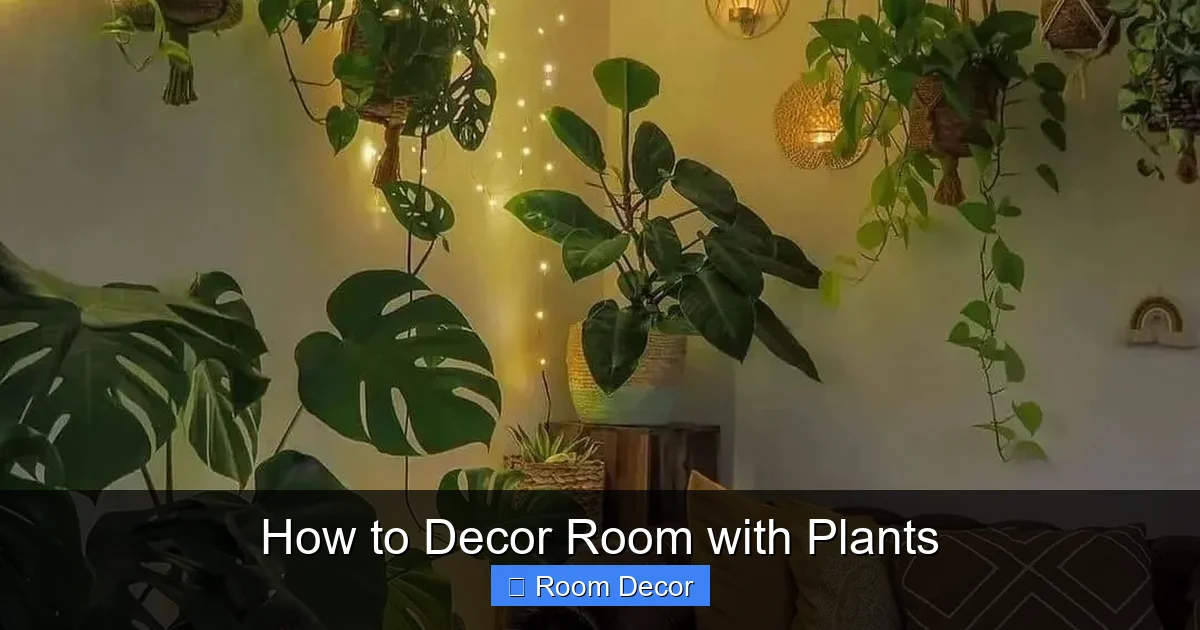
Discover the secrets to effortlessly decorating your room with plants, bringing life and beauty into your home. This guide covers everything from selecting the right plants for your space and light conditions to arranging them for maximum impact. Learn how to create stunning displays that enhance your décor, improve air quality, and boost your mood. Elevate your interior design with the natural touch of greenery.
Decorating with plants is one of the simplest yet most effective ways to liven up any room. Plants add color, texture, and a breath of fresh air to your living space. They can make a room feel more welcoming, calm, and vibrant. Whether you have a minimalist apartment or a spacious family home, incorporating greenery can make a huge difference. This guide will walk you through everything you need to know to successfully decorate your room with plants. You’ll learn how to choose the right plants, where to put them, and how to care for them so they add beauty for years to come.
- Start with the Basics: Understand your room’s light conditions and choose plants that will thrive, not just survive.
- Consider Plant Size and Shape: Mix and match plants of different sizes and forms to create visual interest and balance.
- Think About Placement Strategically: Use plants to fill empty corners, soften harsh lines, or create focal points in your room.
- Vary Container Styles: Select pots and planters that complement your existing décor and add personality to your plant displays.
- Don’t Forget Vertical Space: Utilize hanging plants and plant stands to add dimension and bring greenery to eye-level.
- Group Plants for Impact: Create lush “plant clusters” to make a statement and mimic natural environments.
- Maintenance is Key: Understand your chosen plants’ watering and care needs to keep them healthy and beautiful.
Step 1: Assess Your Room’s Environment
Before you even think about buying plants, take a good look at your room. The most important factor for plant success is light. Knowing how much light your room gets will help you choose plants that will actually grow.
Understanding Light Levels
- Bright, Direct Light: This is usually found near south-facing windows. Plants that love this light will tolerate hours of direct sun. Examples include succulents, cacti, and some herbs.
- Bright, Indirect Light: This is common near east or west-facing windows, or a few feet back from a south-facing window. Many popular houseplants, like Pothos and Spider Plants, thrive here.
- Medium Light: This is suitable for areas further from windows or in rooms with north-facing windows. Snake Plants and ZZ Plants do well in medium light.
- Low Light: This describes darker corners of a room or areas with very small windows. Cast Iron Plants and Peace Lilies can tolerate these conditions, but remember “low light” doesn’t mean “no light.”
Consider Temperature and Humidity
Most homes have fairly stable temperatures, but some plants prefer more consistent conditions. Bathrooms and kitchens often have higher humidity, which can be great for tropical plants like ferns. If your home is very dry, you might need to mist your plants or use a humidifier.
Step 2: Choose the Right Plants for Your Space

Visual guide about How to Decor Room with Plants
Image source: superhitideas.com
Once you know your room’s conditions, you can start picking out plants. It’s better to choose plants that are suited to your environment than to try and force a plant to live where it’s unhappy.
Beginner-Friendly Options
If you’re new to plant care, start with resilient plants. These are forgiving if you forget to water them occasionally or if your light conditions aren’t perfect.
- Snake Plant (Sansevieria): Tolerates low light and infrequent watering.
- ZZ Plant (Zamioculcas zamiifolia): Extremely drought-tolerant and can handle low light.
- Pothos (Epipremnum aureum): Comes in many varieties, easy to care for, and can trail beautifully.
- Spider Plant (Chlorophytum comosum): Produces “spiderettes” that can be propagated, easy to care for.
Plants for Specific Light Conditions
- Bright Light: Succulents, cacti, Bird of Paradise, Rubber Plant.
- Medium Light: Monstera, Fiddle Leaf Fig (can be fussy but rewards with big leaves), Parlor Palm.
- Low Light: Cast Iron Plant, Peace Lily, Chinese Evergreen.
Think About Size and Growth Habit
Consider how large the plant will get and how it grows. Do you want something tall and statuesque, or a plant that spills over the edge of a pot?
- Tall Plants: Fiddle Leaf Fig, Bird of Paradise, Areca Palm. These can fill empty corners.
- Trailing Plants: Pothos, English Ivy, String of Pearls. Great for shelves and hanging baskets.
- Bushy Plants: Peace Lily, Philodendron, Spider Plant. Good for tabletops and floor arrangements.
Step 3: Plan Your Plant Arrangement

Visual guide about How to Decor Room with Plants
Image source: i.pinimg.com
Now for the fun part: deciding where to put your plants! Think about how they will fit into your existing room décor and how you want them to enhance the space.
Filling Empty Corners
Empty corners can feel bare and uninviting. A large floor plant, like a Fiddle Leaf Fig or a Bird of Paradise, can instantly transform a corner into a lush oasis. You can also group a few smaller plants together on a plant stand to create a mini indoor jungle.
Adding Life to Shelves and Tabletops
Smaller plants are perfect for shelves, side tables, and coffee tables. Grouping plants of different heights and textures together creates visual interest. A trailing Pothos on a high shelf can cascade down, adding a touch of softness. A small succulent arrangement on a coffee table adds a pop of color and life.
Creating Focal Points
A single, striking plant can become a dramatic focal point in a room. Consider a tall Snake Plant in a stylish pot placed near a seating area, or a large Monstera with its iconic leaves. The plant itself becomes a piece of art.
Using Plants to Soften Lines
Modern furniture and architecture can sometimes feel a bit stark. Plants, with their organic shapes and soft foliage, can help to break up sharp lines and create a more relaxed atmosphere. Place a trailing plant on top of a bookshelf or a small potted plant on a geometric side table.
Considering Vertical Space
Don’t just think about floor and table space. Vertical space is valuable real estate for plants!
- Hanging Baskets: Ideal for Pothos, Spider Plants, and ferns. Hang them from ceiling hooks or in macrame hangers.
- Wall Planters: These are a stylish way to add greenery to a blank wall without taking up floor space.
- Plant Stands: Elevate smaller plants to different heights, creating a layered look.
Step 4: Select Complementary Planters and Pots

Visual guide about How to Decor Room with Plants
Image source: i.pinimg.com
The container your plant lives in is just as important as the plant itself. Your planters should enhance your décor and reflect your personal style.
Matching Your Decor Style
- Modern/Minimalist: Opt for clean lines, neutral colors (white, grey, black), and simple materials like ceramic or concrete.
- Bohemian: Think macrame hangers, terracotta pots, and patterned ceramics.
- Farmhouse: Consider galvanized metal buckets, rustic terracotta, or woven baskets.
- Eclectic: Mix and match! Combine different materials, colors, and styles for a unique look.
Considering Drainage
This is crucial for plant health. Most plants need pots with drainage holes to prevent root rot. If you fall in love with a pot that doesn’t have holes, you can use it as a decorative cachepot. Place your plant in a plastic pot with drainage holes inside the decorative pot.
Mixing Materials and Textures
Don’t be afraid to mix materials. Combine smooth ceramic with rough concrete, or a woven basket with a sleek metal planter. This adds depth and interest to your plant displays.
Step 5: Grouping Plants for Impact
Instead of scattering plants randomly, grouping them can create a more dramatic and cohesive look.
Creating Plant Clusters
Choose 3-5 plants of varying heights, sizes, and textures. Place them together on a floor, a large table, or a tiered stand. This creates a mini-jungle effect and makes a strong design statement. Think about a tall, upright plant, a bushy one, and a trailing one for a well-rounded cluster.
Mimicking Nature
In nature, plants grow in groups. Recreating this in your home makes the arrangement feel more natural and less contrived. This is where varying heights and textures really shine.
Step 6: Care and Maintenance
Decorating with plants is an ongoing process. Keeping your plants healthy ensures they continue to beautify your space.
Watering Wisely
This is where many beginners go wrong. Overwatering is a common killer of houseplants.
- Check the Soil: Stick your finger about an inch into the soil. If it feels dry, it’s time to water. If it feels moist, wait.
- Water Thoroughly: When you do water, water until you see water draining from the bottom of the pot.
- Empty Saucers: Don’t let plants sit in standing water, as this can lead to root rot.
Light Needs Revisited
Even if you chose a plant for its light tolerance, occasional repositioning might be necessary. If a plant looks leggy and stretched, it needs more light. If its leaves are scorching or yellowing, it might be getting too much direct sun.
Feeding Your Plants
Most houseplants benefit from occasional feeding during their growing season (spring and summer). Use a balanced liquid fertilizer diluted according to the package instructions, typically once a month.
Pruning and Cleaning
Regularly remove any dead or yellowing leaves. Pruning can help plants maintain a desired shape and encourage bushier growth. Gently wipe down leaves with a damp cloth to remove dust, which helps the plant photosynthesize better and look its best.
Troubleshooting Common Plant Problems
Even with the best intentions, plants can sometimes show signs of distress. Here are a few common issues and their solutions.
Yellowing Leaves
This can be caused by overwatering, underwatering, or nutrient deficiency. Check the soil moisture first. If the soil is consistently too wet or too dry, adjust your watering schedule. If watering seems correct, consider if it’s time to fertilize.
Drooping Leaves
This is often a sign of thirst. If the soil is dry, water the plant thoroughly. However, it can also be a sign of overwatering (root rot) or shock. If the soil is wet and the plant is drooping, you may need to repot it into fresh, dry soil.
Brown Leaf Tips
This is frequently caused by low humidity, especially in dry indoor environments. Try misting your plants, using a pebble tray with water, or grouping plants together to increase local humidity. It can also be a sign of inconsistent watering or fertilizer burn.
Pests
Look for small insects like spider mites, mealybugs, or aphids. Isolate the affected plant to prevent spreading. You can often treat minor infestations by wiping leaves with a damp cloth or using insecticidal soap.
Conclusion
Decorating with plants is a rewarding and beautiful way to enhance your home. By understanding your room’s environment, choosing appropriate plants, and paying attention to placement and care, you can create a vibrant, healthy, and stylish living space. Plants don’t just add aesthetic appeal; they improve air quality, reduce stress, and bring a touch of nature indoors. Start small, experiment with different plants and arrangements, and enjoy the process of creating your own indoor oasis. Your room will thank you for it!